
REVIEW · VIENNA AUDIO TOURS
Vienna: New Hofburg Palace Audio-Guided Tour & Entry Ticket
The most interesting part of this New Hofburg Palace tour is the way the audio guide links objects to the Habsburg family story. You are not simply walking past armor and old instruments. You are hearing how a dynasty that began in the late Middle Ages grew into one of Europe’s great ruling houses, then reached its final imperial chapter.
I like two things here. First, Mozart’s fortepiano gives the musical collection a direct connection to Vienna’s past. Second, the audio commentary is available in nine languages, including Czech, Japanese, Korean, and Chinese. The main consideration is time: one hour works for a brisk visit, but the palace and museum displays can easily occupy much longer.
Key points
- Mozart’s fortepiano: See the instrument associated with one of Vienna’s most famous composers.
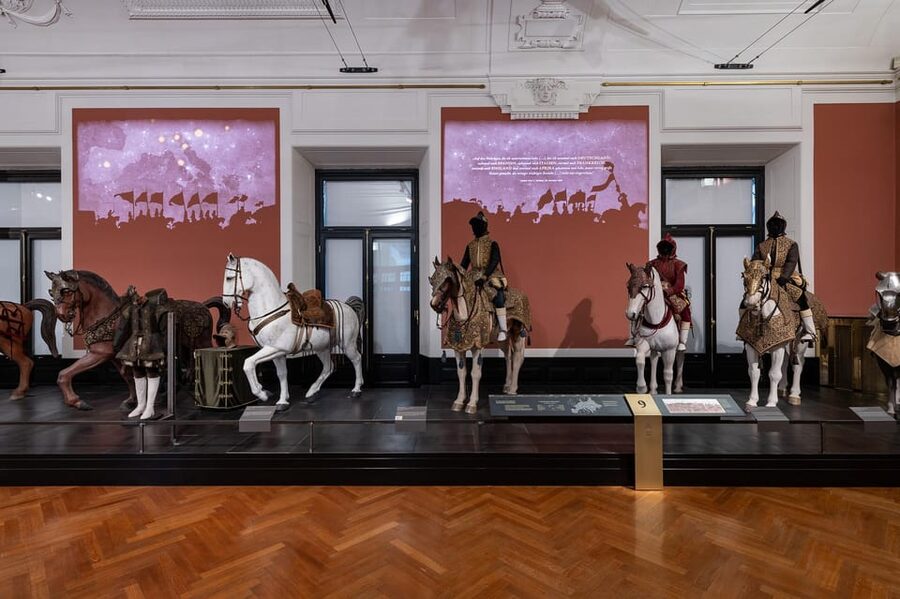
- Imperial Armoury: Examine suits of armor, weapons, and displays that reveal the power and wealth of the ruling court.
- Habsburg storytelling: Follow the dynasty from its medieval beginnings through Empress Sisi and the modern era.
- Three included collections: Your ticket covers the Weltmuseum Wien, the Historic Musical Instruments collection, and the Imperial Armoury.
- Nine audio languages: Choose German, English, French, Hungarian, Italian, Japanese, Chinese, Korean, or Czech.
- One-hour format: A good choice for a focused introduction, but not enough time for every display at a relaxed pace.
Entering the New Hofburg at Heldenplatz
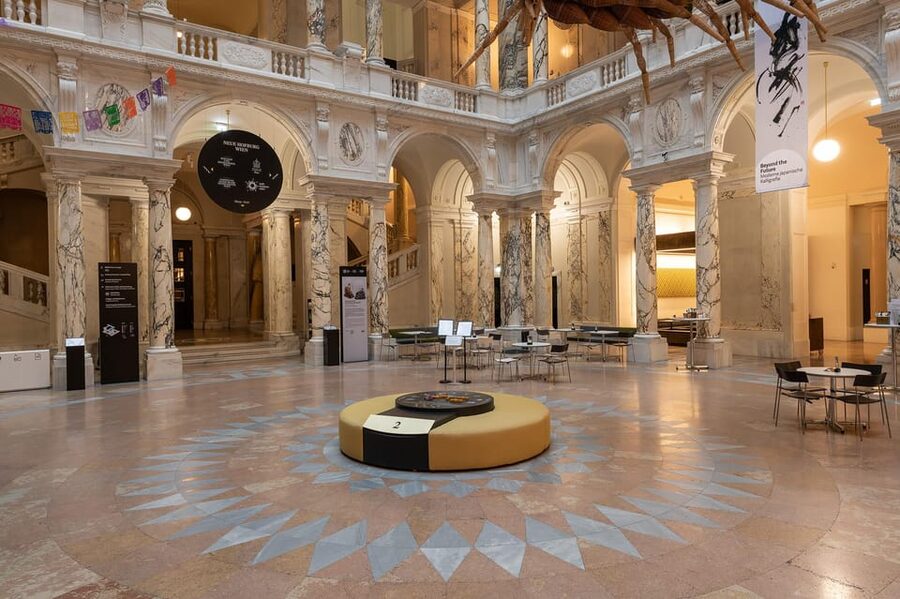
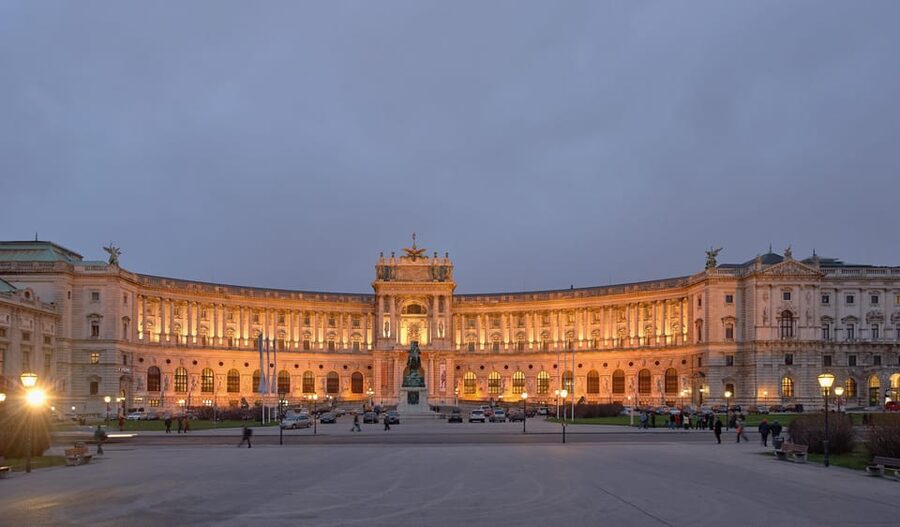
The entrance is at the Weltmuseum Wien on Heldenplatz, one of the most impressive settings in central Vienna. You arrive at the newest wing of the Hofburg complex, though the building itself is closely tied to the long story of Austria’s imperial court.
The first practical point is simple: look for the Weltmuseum entrance rather than searching only for a sign marked Imperial Armoury. The ticket counter is easy to find, but the exhibitions extend through different parts of the building, so take a moment to get your bearings before starting the audio guide.
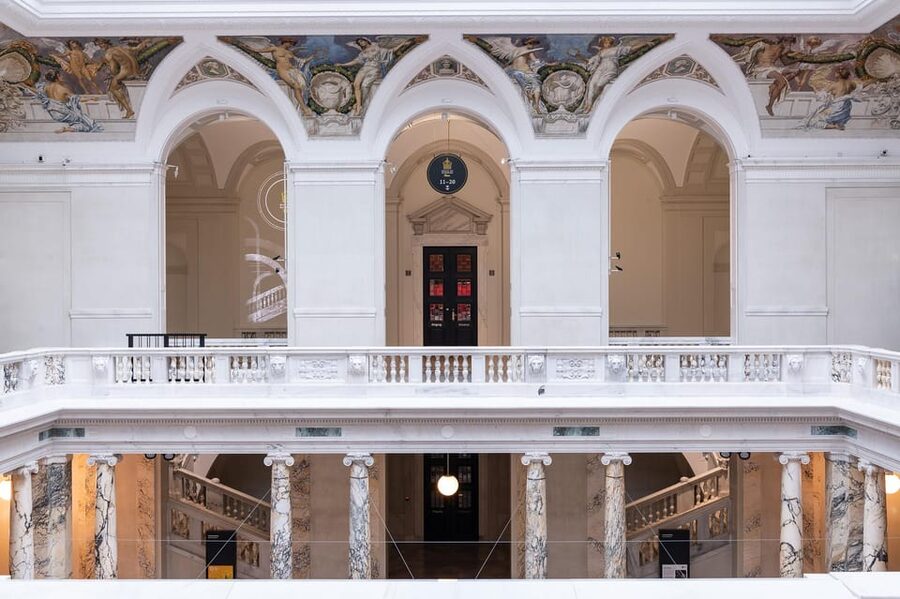
The New Hofburg was part of the Habsburg residence. Its grand staircases, ornate interiors, and broad rooms were designed to express royal power. Even before you reach the objects, the building tells you how the monarchy wanted to be seen: wealthy, ordered, ceremonial, and permanent.
I like starting with the architecture because it gives the collections a proper setting. A suit of armor in a plain gallery is one thing. Armor displayed inside a former imperial residence feels connected to the court system that produced and used it.
More Castle and Palace Audio Tours in Austria:
- Prague: Skip-the-line Castle Ticket and Optional AudioGuide
★ 4.3 · 11,121 reviews - Amsterdam: Royal Palace Entry Ticket + Audio guide
★ 4.6 · 7,889 reviews - Topkapi Palace and Harem Skip-the-Line-Tickets & Audio Guide
★ 4.3 · 4,745 reviews
How the audio guide shapes the visit
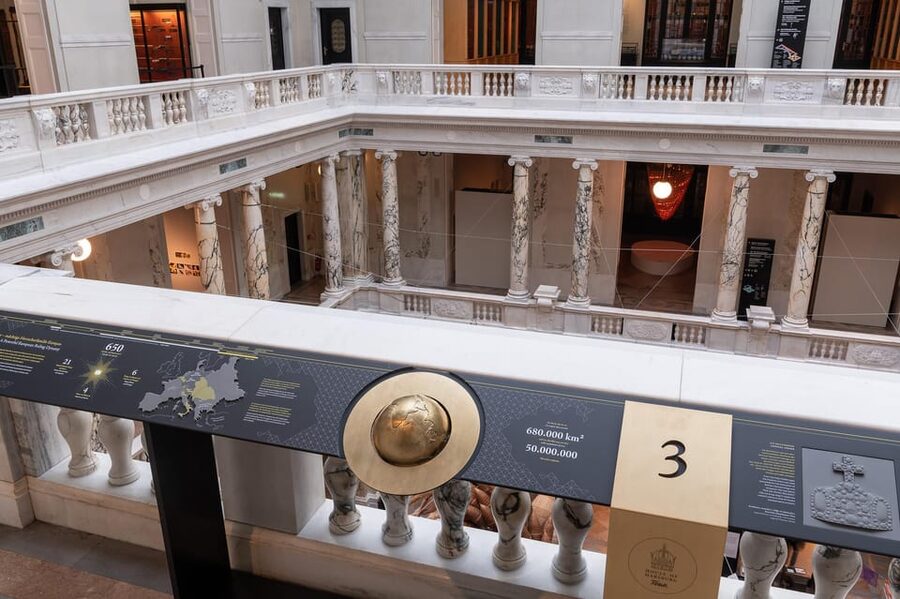
This is a self-guided experience, not a live tour. You move at your own pace, stopping when an object catches your attention and continuing when you are ready. That flexibility is useful if your group has different interests or if you want to spend extra time with the musical instruments.
The guide follows the history of the House of Habsburg, from its founding figures to Empress Sisi and the later period. This broad story is the main strength of the visit. The displays alone may not explain how every object fits into the larger picture, but the narration gives you that link.
The audio guide is available in German, English, French, Hungarian, Italian, Japanese, Chinese, Korean, and Czech. That language choice matters. If English is not comfortable for everyone in your group, you can choose a language that makes the historical details easier to follow. Czech is especially useful for families or groups who would otherwise struggle with the English commentary.
The guide also includes music. At least one visitor found some of the musical excerpts longer than needed, so you may occasionally want to move on before an audio track finishes. Still, the connection between spoken history and period music adds something that printed labels cannot provide.
One practical weakness is signage. The exhibit numbers that match the audio guide are not always as clear as they could be. I would keep the guide in hand, check the object number carefully, and avoid rushing from one room to the next. A few extra seconds at the start can save confusion later.
The Imperial Armoury and the public face of power
The Imperial Armoury is one of the two principal specialist collections in the New Hofburg. Here you see suits of armor, weapons, and other military objects linked to the people and institutions of the Habsburg court.
The armor is not just a parade of metal suits. It helps explain how rulers presented themselves. Armor could protect a body, but it could also project rank, money, technical skill, and authority. When you look at a finely made suit, you are looking at an object built for both function and display.
The collection will appeal most to anyone who enjoys military history, craftsmanship, or the visual side of monarchy. You can study the shapes, decoration, and scale of the pieces while the audio guide places them in the broader Habsburg story.
The balance of the visit matters here. One visitor described the exhibition as feeling roughly half armor and half antique musical instruments. If neither subject interests you much, the interior and exterior architecture may be more rewarding than the objects themselves.
I would not treat the Armoury as a quick room to cross on the way to the palace interiors. Give the audio commentary a chance to explain why the objects were collected and what they tell you about royal power. The displays become more meaningful when you see them as part of court life rather than as isolated weapons.
The armor is also a useful contrast with the music collection. One side shows the martial and political image of the monarchy. The other shows its connection to performance, taste, education, and court culture.
Historic Musical Instruments, from Mozart to Haydn
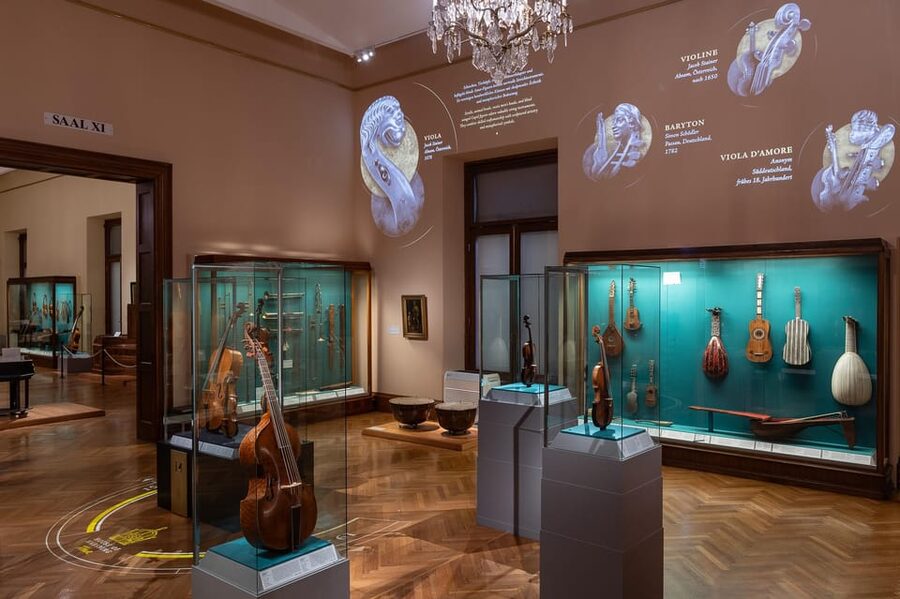
The Collection of Historic Musical Instruments provides the visit’s most distinctive moments for music lovers. The highlight for many people will be a fortepiano once played by Mozart, a direct link to Vienna’s musical past.
That object gives the collection an emotional pull. You are not only looking at an old keyboard. You are looking at an instrument connected with a composer whose name is inseparable from Vienna. The fortepiano also helps you picture how music sounded and functioned before the modern concert piano became standard.
The collection includes other historic instruments, and the audio guide adds musical passages to the visit. These samples help you understand the objects as working instruments, not simply decorative antiques. If you enjoy classical music, plan to spend more than a few minutes here.
The exhibition also includes the only wax bust showing Joseph Haydn as he appeared in life. That is a small but unusual detail, and it gives a personal face to another major figure in Vienna’s musical story.
This section is not only about famous composers. It shows how closely music and court life were connected. Music was part of ceremony, status, education, and entertainment. The Habsburgs did not rule through military force alone. Their court also presented itself as a center of culture.
The main drawback is that some audio music selections may feel longer than necessary if you are trying to finish in an hour. I would listen closely to the pieces that interest you most, then move along when the guide begins repeating points you already understand.
More Skip-the-Line Audio Guide Tickets in Austria:
- Salzburg: Cathedral Entry Ticket with Audio Guide Option
★ 4.4 · 134 reviews - Barcelona: Sagrada Familia Entry Ticket with Audio Guide
★ 4.6 · 105,312 reviews - Rome: Pantheon Fast-Track Ticket and Official Audioguide
★ 4.5 · 27,353 reviews - Pompeii: Entry Ticket with Audio Guide
★ 4.1 · 13,491 reviews
The Weltmuseum and the wider imperial story
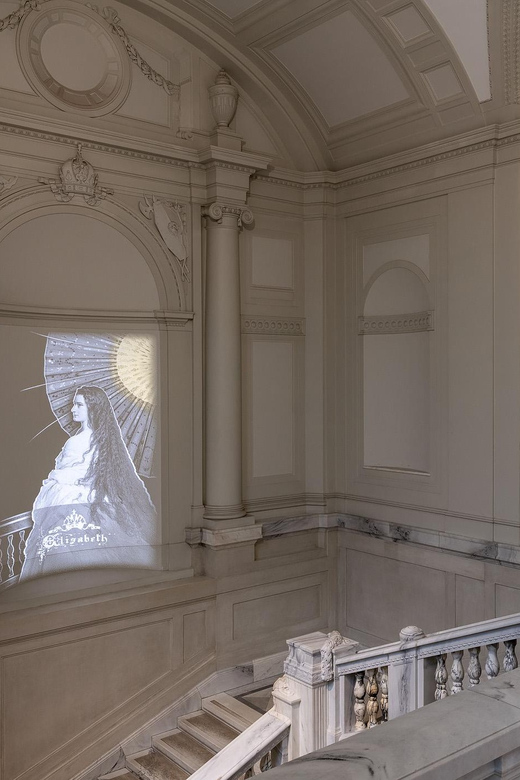
Entry includes the Weltmuseum Wien, along with the Historic Musical Instruments collection and the Imperial Armoury. This means your ticket reaches beyond a narrow palace tour.
The Weltmuseum places the Habsburg collection within a wider world. It can help you understand how objects from different regions came into an imperial collection and how the monarchy viewed its connections beyond Vienna.
The available information does not specify a fixed route through every gallery, so your time here may depend on the current layout and your pace. The important point is to allow for more than the most famous rooms. One visitor found the museum large enough to deserve a full day, a useful warning if you prefer to read labels carefully and examine each display.
For a one-hour visit, I would treat the museum as part of a focused introduction rather than attempt to see every room. Follow the audio guide, note the galleries that interest you, and accept that you may want to return for a longer look if your schedule permits.
This is also where the tour can feel broader than its title suggests. You are not entering a single preserved apartment and leaving after a quick circuit. You are moving through a cultural institution housed in the New Hofburg, with several collections under one ticket.
Royal rooms, staircases, and the experience of space
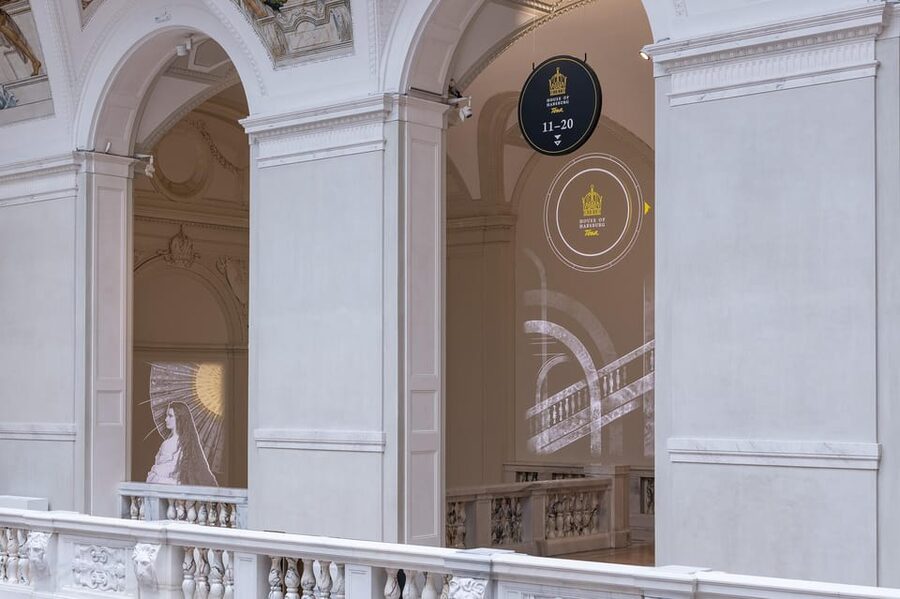
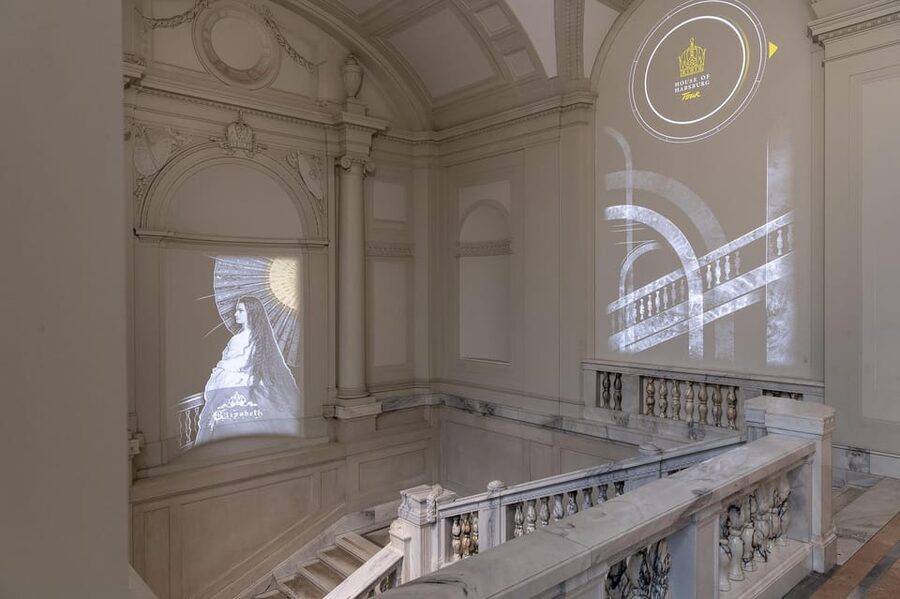
The rooms and staircases are a major part of the appeal. Their ornate design gives you a sense of how the imperial residence operated as a place of ceremony and display.
I especially like the staircases because they turn movement through the building into part of the experience. Wide stairs, grand proportions, and decorative details prepare you for the collections upstairs. You can see how architecture guided visitors through a world built to impress.
The palace interiors are not presented as a live theatrical reenactment. There is no costumed guide and no named historian leading a group. Instead, you combine the building itself with recorded narration. That arrangement is quieter and gives you more control, but it also means you must pay attention to the audio and signage.
The building’s size can surprise you. A one-hour booking may sound generous, yet the palace and museum areas are large enough that you will need to keep moving if you want to cover the principal displays. If you have a full day in Vienna, you can make the visit more relaxed. If you have only an hour before another sight, choose your priorities in advance.
How much time should you allow?
The stated duration is one hour. I would regard that as the minimum useful visit, not a promise that you will see everything at leisure.
For a brisk introduction, one hour can cover the main story, a selection of armor, the musical instruments, and the most important architectural details. It works well as one stop in a busy Vienna sightseeing day.
If you read every label, listen to every musical excerpt, or spend time in the Weltmuseum, plan for longer. One full-day comment points to the scale of the building rather than the length of the booked audio experience. You can finish the guided route in about an hour and still have plenty left to inspect.
Your interests should determine the pace:
- If you mainly want Habsburg history, follow the audio route from beginning to end.
- If you prefer military objects, allow extra time in the Imperial Armoury.
- If Mozart, Haydn, and court music matter most, slow down in the musical instruments collection.
- If architecture is your priority, look carefully at the staircases and ornate rooms as you move between galleries.
- If you want to cover the Weltmuseum in detail, one hour will feel tight.
Is $27 a fair price?
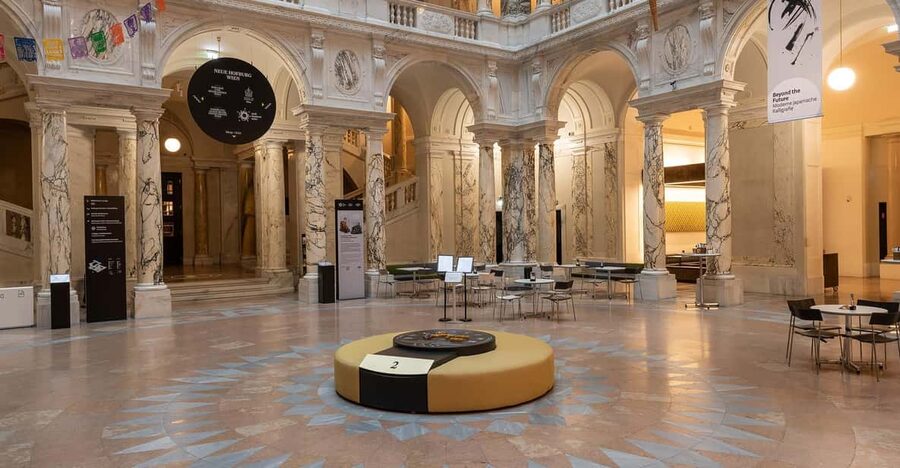
At $27 per person, this is a reasonable price for a central Vienna museum visit that combines admission with an audio guide. You are paying for access to several collections rather than one small room, and the language choice adds real value for international visitors.
The price works best if you use the audio guide properly. Without it, you may still admire the building and objects, but you will miss much of the connection between the Habsburg rulers, the armor, and the music collection.
The value is weaker if you only want to photograph the outside or glance quickly at the interiors. One visitor felt that people uninterested in armor and antique instruments might prefer to see the exterior and move on. I agree that the ticket is aimed at people who want historical context, not just a grand façade.
There is also a useful booking advantage. You can reserve now and pay later, and cancellation is free up to 24 hours before the visit. That helps if your Vienna schedule is still changing.
Who should book this New Hofburg visit?
I would recommend it most strongly to first-time Vienna visitors who want a compact introduction to the Habsburg dynasty. The audio guide gives you a clear historical thread, and the building places that story in a royal setting.
It also suits:
- Classical music fans interested in Mozart, Haydn, and historic instruments.
- Families who prefer to explore at their own pace instead of following a live guide.
- Visitors who need a choice of audio languages.
- Anyone interested in armor, weapons, court ceremony, and royal display.
- Museum lovers who want one ticket covering several connected collections.
I would be more cautious if you dislike audio guides or want a live guide who can answer questions. There is no live tour guide included. I would also choose another activity if your only goal is a long, slow look at preserved royal apartments, since this experience combines palace architecture with museum collections.
The venue is wheelchair accessible, which makes it suitable for visitors who need step-free access. The building can be warm inside at times, so dress in layers, especially during warmer weather.
Should you book it?
Book this experience if you want a well-priced, self-guided look at Vienna’s imperial past, with enough variety to keep the visit from becoming a single-theme museum stop. The strongest reasons are the clear Habsburg narrative, Mozart’s fortepiano, the unusual Haydn wax bust, and the chance to see the New Hofburg’s grand interiors.
Give yourself more than one hour if you want to examine the Weltmuseum or listen to every musical excerpt. But if your schedule is tight, the one-hour format still gives you a useful introduction. Go in with realistic expectations: this is not a live palace performance or a perfectly signposted route. It is a substantial museum visit in a magnificent former residence, best enjoyed at your own pace with the audio guide doing the storytelling.
FAQ
Where does the New Hofburg Palace tour begin?
The entrance is at the Weltmuseum Wien on Heldenplatz in Vienna.
How long does the experience last?
The stated duration is one hour. You may need longer if you want to explore the included collections slowly or see more of the Weltmuseum.
Is a live guide included?
No. The ticket includes an audio guide, but there is no live tour guide.
Which languages are available for the audio guide?
The audio guide is available in German, English, French, Hungarian, Italian, Japanese, Chinese, Korean, and Czech.
What does the ticket include?
Entry includes the New Hofburg Palace, the Weltmuseum Wien, the Collection of Historic Musical Instruments, and the Imperial Armoury, along with the audio guide.
Is the New Hofburg Palace accessible by wheelchair?
Yes. The experience is wheelchair accessible.
Can I cancel my booking?
Yes. You can cancel up to 24 hours in advance for a full refund. You can also reserve now and pay later.
Just added around Austria
- Self-Guided 1,5-hour Tour of Innsbruck: Exciting Stories, Photo Spots & Desserts★ 4.5 · 11 reviews
- Innsbruck Self Guided Sherlock Holmes Murder Mystery Game★ 4.0 · 5 reviews
- Self-Guided Private Tour of Hallstatt. Best photo-points, panoramic views, cafes★ 4.0 · 8 reviews
- Graz Scavenger Hunt and Sights Self Guided Tour★ 4.0 · 9 reviews
- Bregenz Scavenger Hunt and Sights Self-Guided Tour★ 5.0 · 4 reviews
- Palais Lobkowitz Audio Guide Tour★ 4.0 · 3 reviews
- Vienna’s Old Town and Attractions Self-Guided Tour Booklet★ 4.3 · 14 reviews
- Combo ticket: Ernst Fuchs Museum & Otto Wagner Complex with smartphone guide★ 4.3 · 6 reviews
Vienna Audio Tours, compared.
Vienna: Tickets for Mozarthaus Vienna with Audio Guide
Read our review →
Vienna: Schlumberger Wine Cellar Guided or Self-Guided Tour
Read our review →

Vienna’s Old Town and Attractions Self-Guided Tour Booklet
Read our review →
Combo ticket: Ernst Fuchs Museum & Otto Wagner Complex with smartphone guide
Read our review →
Browse the lists this tour appears in