
REVIEW · VIENNA AUDIO TOURS
Vienna: Tickets for Mozarthaus Vienna with Audio Guide
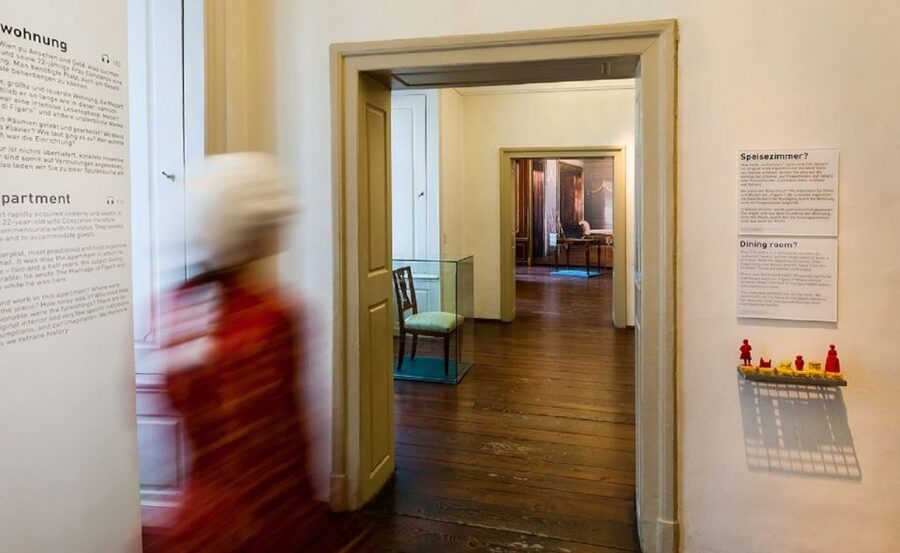
Mozart’s only preserved Vienna apartment is the heart of this museum. He lived here from 1784 to 1787, during the peak of his career, and composed more music in this home than anywhere else. You can see the rooms, then follow his Vienna story across three exhibition levels.
I like the self-guided format, since you can move at your own speed instead of being tied to a live group. I also like the audio guide’s wide language choice, including 13 adult languages and eight children’s languages. The main drawback is that the museum contains more text panels and historical explanation than original furniture or personal objects.
Key points to know before you go
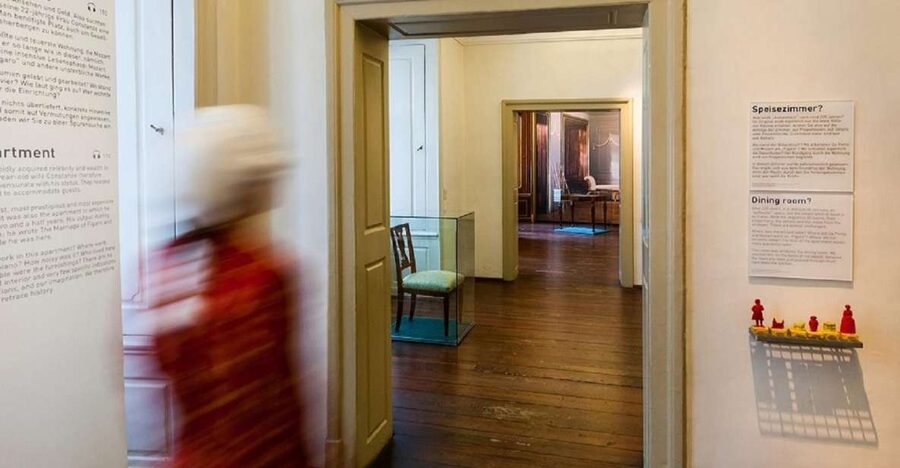
- Mozart’s Vienna home: Visit the only apartment he lived in that has been preserved in Vienna, including the setting associated with The Marriage of Figaro.
- Three levels of exhibits: The museum places the apartment within a wider story about Mozart’s life, work, and Vienna years.
- Audio guide included: Adult commentary is available in 13 languages, with a separate children’s option in eight languages.
- Bring headphones: Some bookings use your own phone for the audio tour, so headphones make listening easier and leave your hands free.
- Good music pairing: Add Haus der Musik if you want interactive sound exhibits rather than a museum based mainly on reading and listening.
- A quiet, focused visit: Photography and video are not allowed inside, and the exhibition can involve a lot of standing.
Entering Mozart’s only preserved Vienna apartment
Mozarthaus Vienna sits in the center of the city and focuses on one especially important address. This is not Mozart’s birthplace, and it is not a reconstructed version of every home he occupied. It is the only apartment in Vienna where he lived that has been preserved, making the visit feel more specific than a general museum about his life.
Mozart lived here from 1784 to 1787. Those were productive Vienna years, and the apartment is linked with some of his best-known work, including The Marriage of Figaro. That connection gives the visit its strongest sense of place. You are not simply looking at a composer’s biography on a wall. You are walking through the rooms associated with the period when his career reached its height.
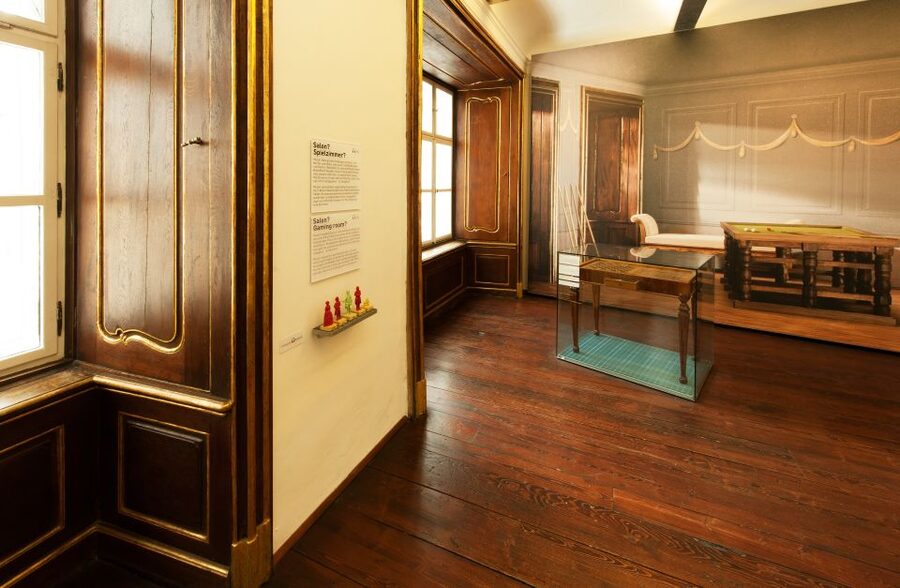
Keep your expectations sensible. The apartment is not presented as a fully furnished time capsule. Several people have found the rooms more bare than expected, with few objects that Mozart personally used. You will not find a large collection of instruments or a house filled with original belongings.
That limitation is also part of the museum’s honesty. Much of Mozart’s domestic world has not survived. The museum uses the preserved rooms as a starting point, then builds the story around them with documents, images, explanations, and audio. If you want a room-by-room recreation, this may feel thin. If you want context about Mozart’s life in Vienna, it offers more.
More Audio Tours in Austria:
- Vienna: New Hofburg Palace Audio-Guided Tour & Entry Ticket
★ 4.1 · 566 reviews - Vienna: Schlumberger Wine Cellar Guided or Self-Guided Tour
★ 4.8 · 285 reviews - Salzburg: Cathedral Entry Ticket with Audio Guide Option
★ 4.4 · 134 reviews
Three exhibition levels, not just a single room
The visit spreads across three exhibition levels. The apartment provides the emotional center, while the surrounding displays explain the people, pressures, work, and culture connected with Mozart’s Vienna period.
The first important distinction is between seeing a place and understanding it. The rooms alone do not tell you much. The audio guide and display panels explain why this address mattered and how Mozart’s work developed during his years in Vienna. You can spend a short time looking at the rooms, or slow down and listen to the fuller commentary.
The museum pays particular attention to the period when Mozart was at his most productive. The focus is not a complete account of his childhood, travels, and entire career. Instead, it gives his Vienna years the most attention. If you want a full biography from birth to death, you may find the coverage selective. If Vienna is the part of his story that interests you, the focus works well.
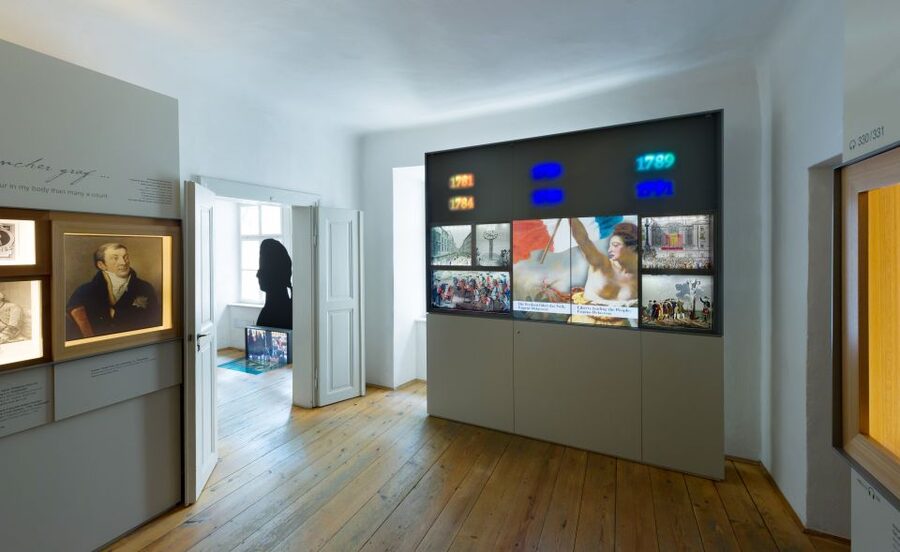
Expect a mixture of historical text, images, music-related material, and explanations of important works. Some displays use projections and reproductions rather than original documents. One older display, for example, had been replaced by a projected version of the item. That means the museum is more about interpretation than a vault of untouched Mozart artifacts.
I would plan your pace carefully. The information can become dense, especially if you try to listen to every audio segment and read every panel. You do not need to absorb everything. Pick the rooms and subjects that interest you most, then keep moving when the detail begins to feel repetitive.
How the audio guide changes the visit
The audio guide is essential here. Without it, the apartment and panels may feel disconnected. With it, the rooms become part of a clearer story about Mozart’s working life and Vienna society.
Adult audio commentary is available in English, German, Slovak, Spanish, French, Hungarian, Italian, Polish, Russian, Chinese, Czech, Japanese, and Korean. A children’s guide is available in eight languages. That makes the museum easier to use for families and mixed-language groups.
The format is self-guided rather than led by a named museum guide. You listen at each point, study the displays, and decide when to continue. This is useful if one person in your group wants every detail while another prefers a quicker look.
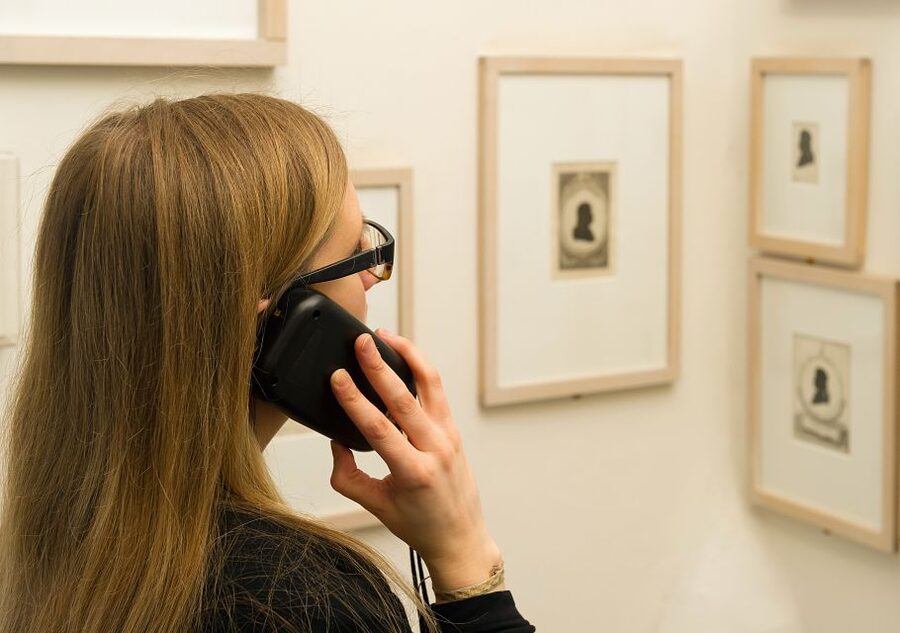
Bring your own headphones if possible. Some visitors have found that the audio is accessed through their mobile phone, rather than through a traditional museum handset. A phone held to your ear works, but headphones are more comfortable and leave both hands free. You may also need to deal with Wi-Fi or connection issues, so allow a little patience at the start.
The audio can be longer than expected. One practical complaint is that people sometimes remain standing while waiting for a segment to finish before moving on. Seating is limited in parts of the exhibition. If you have trouble standing for long periods, take the visit slowly and ask staff about available places to rest.
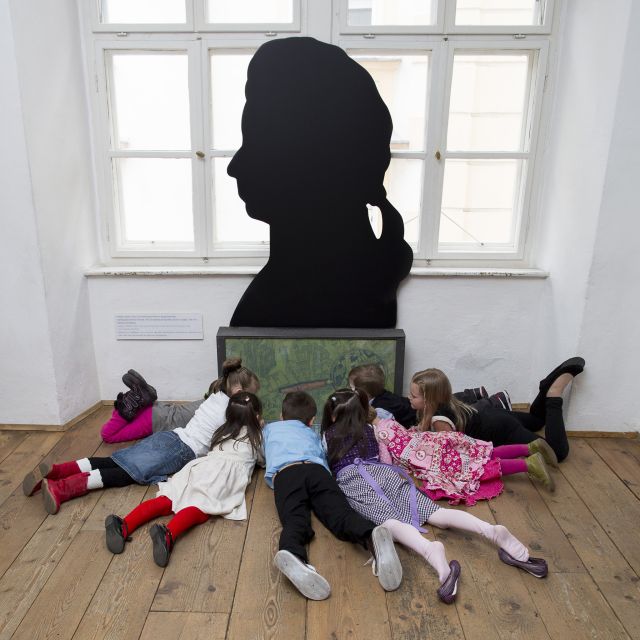
For children, the dedicated audio option is a real advantage. Still, the museum is not built like a hands-on children’s center. A child who enjoys stories, music, and short listening stops may do well. A child who needs constant interaction may lose interest among the text-heavy sections.
What makes the Figaro connection special
The most useful piece of musical context is the link to The Marriage of Figaro. Mozart composed the famous work during his Vienna years, and the apartment helps connect the music with an actual working environment.
You will not simply hear a claim that Mozart lived here. The exhibition places his work within the period when he was writing, performing, managing patrons, and building his career in Vienna. That makes the composer seem less like a distant genius and more like a working musician dealing with deadlines, clients, money, and public taste.
The museum’s main strength is this connection between a real address and a creative period. You can listen to the music later in a concert hall, but here you get the physical setting tied to its creation. For anyone who already loves Mozart, that is likely to be the most satisfying part of the visit.
For a casual visitor, the effect may be quieter. There are no large theatrical sets or major interactive installations at Mozarthaus itself. The experience depends on your interest in the story and your willingness to listen.
Same place, a different route to walk:
- Vienna: Scavenger Hunt Self-Guided Tour
★ 4.7 · 83 reviews - Vienna’s Old Town and Attractions Self-Guided Tour Booklet
★ 4.3 · 14 reviews - Self-Guided 1,5-hour Tour of Innsbruck: Exciting Stories, Photo Spots & Desserts
★ 4.5 · 11 reviews - Graz Scavenger Hunt and Sights Self Guided Tour
★ 4.0 · 9 reviews
Original objects and the limits of the collection
This is the section to consider most carefully before paying. You are visiting a Mozart apartment, but you are not entering a room filled with his personal possessions.
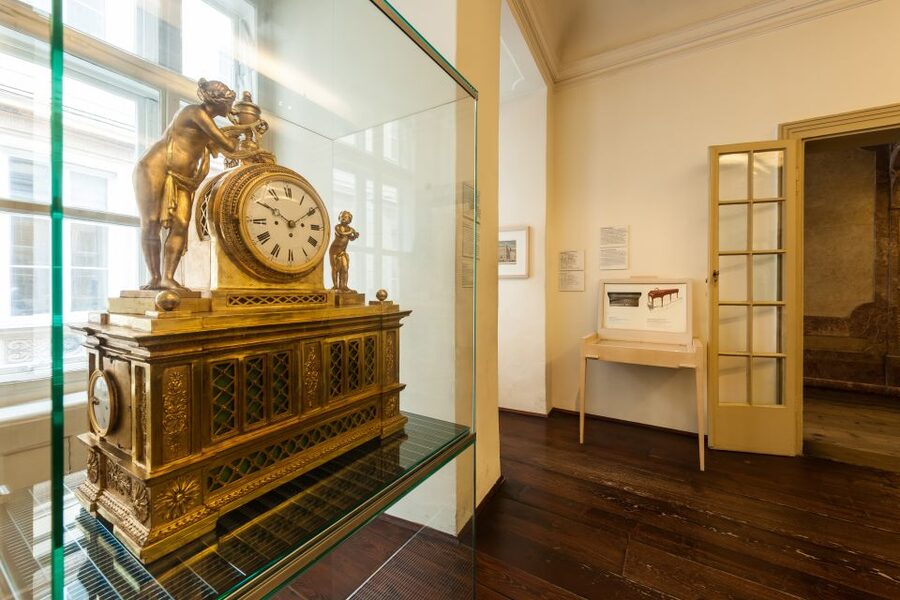
The displays include a small number of original materials and objects, along with reproductions, projections, images, and explanatory text. Some visitors have expected to see more of Mozart’s instruments, papers, or household items and felt disappointed. Compared with a birthplace museum that displays more personal artifacts, Mozarthaus can feel restrained.
I would not choose this museum mainly for original objects. Choose it for the address, the Vienna period, and the chance to understand where Mozart worked. The distinction matters because the advertising idea of Mozart’s apartment can suggest a fully decorated residence. The actual experience is closer to a historical exhibition set around preserved rooms.
The lack of furnishings does offer one benefit: the exhibition can focus on what is known rather than pretending to recreate details that have been lost. You are given a layout and a setting, then asked to use the interpretation to picture the rest.
Photography and video are not allowed inside. That protects the quiet atmosphere and keeps phones from interrupting the visit, but it also means you cannot take your own pictures of the rooms. If you like collecting visual reminders, make a note of the address and the exhibits you want to remember before leaving.
Mozarthaus and Haus der Musik together
The optional Haus der Musik combination is worth considering if you want more than a traditional museum visit. Haus der Musik is an interactive sound museum in a historic palace in central Vienna, spread across four floors. Its exhibits invite you to try making and manipulating music yourself.
The two places provide a useful contrast. Mozarthaus is centered on Mozart’s life, apartment, period, and works. Haus der Musik is more active and experimental, with a broader focus on sound and music. One gives you historical setting, while the other gives you a chance to engage with music in a hands-on way.
If your group includes children or people who do not know Mozart well, the combination may offer better balance. Mozarthaus can be reading-heavy, while Haus der Musik supplies more things to do. If you are only interested in Mozart’s Vienna years, the basic Mozarthaus ticket may be enough.
The combo is also practical for dedicated music fans. You can begin with the composer’s home, then see how a modern museum presents sound, instruments, and musical ideas. Allow enough time for both rather than treating Haus der Musik as a quick extra room.
Price, time, and practical details
At about $18 per person, the basic ticket is a reasonable buy for Mozart fans and for anyone already planning a music-focused day in Vienna. The value comes from the location, the audio guide, and the amount of historical material, not from a large collection of artifacts.
The ticket is valid for one day, and availability determines the starting times. The activity is listed as a small-group experience limited to 10 participants, but the museum itself is self-guided, so your actual movement through the rooms is not the same as joining a tour led by one person.
Admission includes the adult or children’s audio guide and cloakroom access. Transfers, food, and drinks are not included. You need to make your own way there, and the meeting point can vary with the option you book.
Bring a student card if you are using student status, as well as a passport or other identification. The museum is wheelchair accessible. Since photography and video are prohibited, keep your phone available for the audio only if your booking uses a phone-based system.
Free cancellation is available up to 24 hours before the visit, and a reserve-now, pay-later option can help if your Vienna schedule is still changing. These terms are useful for a city break where weather, concerts, and timed entries can shift your plans.
Who will enjoy Mozarthaus most
I would put this museum high on the list for:
- Mozart fans who want to connect his music with a real Vienna address
- Classical music listeners interested in the composer’s most productive Vienna period
- Visitors who prefer self-guided museums and control their own pace
- Families who can use the children’s audio guide
- People planning to visit Haus der Musik as well
- Students and music enthusiasts who enjoy historical context
I would be more cautious if you want a highly visual or interactive museum. Much of the visit involves listening, reading, and looking at displays. Seating can be limited, and some sections may feel long if you are not especially interested in Mozart or 18th-century Vienna.
It is also not the best choice if your main goal is to see a large collection of original possessions. The apartment is important, but the museum cannot fill every room with authentic furniture, instruments, and manuscripts.
Should you book this Mozart museum?
Book it if the idea of standing in Mozart’s Vienna home appeals to you, especially if you already know and enjoy his music. The link to The Marriage of Figaro, the preserved apartment, and the focused audio guide create a thoughtful visit for a modest price.
Choose the combo with Haus der Musik if you want a fuller music day or need a more interactive stop for children. Skip the museum, or keep it brief, if you want elaborate reconstructions, plentiful artifacts, or a fast-moving attraction with little reading.
My practical advice is simple: bring headphones, expect a self-guided visit, and allow time to stand and listen. Think of Mozarthaus as a place for musical context and a genuine sense of location, not as a fully furnished celebrity home.
FAQ
What is included with the Mozarthaus Vienna ticket?
Admission to Mozarthaus Vienna, an audio guide, and cloakroom access are included. The audio guide is available for adults in 13 languages and for children in eight languages.
Which languages are available for the audio guide?
The adult audio guide is available in English, German, Slovak, Spanish, French, Hungarian, Italian, Polish, Russian, Chinese, Czech, Japanese, and Korean. A children’s audio guide is also available in eight languages.
Can children use the audio guide?
Yes. A children’s audio guide is included and is available in eight languages.
Is Haus der Musik included?
Haus der Musik is included only if you select the combo option. The combo joins Mozarthaus Vienna with the interactive Haus der Musik in central Vienna.
Can I take photos or record video inside?
No. Photography and video recording are not allowed inside the museum.
Is Mozarthaus Vienna wheelchair accessible?
Yes. The experience is listed as wheelchair accessible.
What should I bring?
Bring a student card if relevant, plus a passport or ID card. Headphones are also useful if your audio guide is accessed through your own phone.
Just added around Austria
- Self-Guided 1,5-hour Tour of Innsbruck: Exciting Stories, Photo Spots & Desserts★ 4.5 · 11 reviews
- Innsbruck Self Guided Sherlock Holmes Murder Mystery Game★ 4.0 · 5 reviews
- Self-Guided Private Tour of Hallstatt. Best photo-points, panoramic views, cafes★ 4.0 · 8 reviews
- Graz Scavenger Hunt and Sights Self Guided Tour★ 4.0 · 9 reviews
- Bregenz Scavenger Hunt and Sights Self-Guided Tour★ 5.0 · 4 reviews
- Palais Lobkowitz Audio Guide Tour★ 4.0 · 3 reviews
- Vienna’s Old Town and Attractions Self-Guided Tour Booklet★ 4.3 · 14 reviews
- Combo ticket: Ernst Fuchs Museum & Otto Wagner Complex with smartphone guide★ 4.3 · 6 reviews
Vienna Audio Tours, compared.
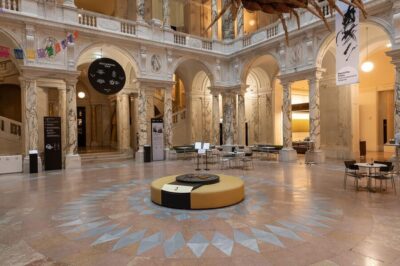
Vienna: New Hofburg Palace Audio-Guided Tour & Entry Ticket
Read our review →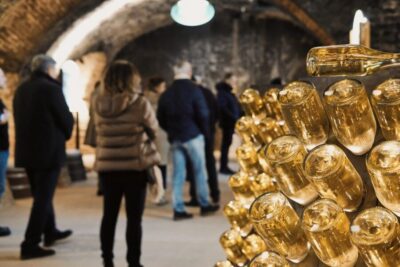
Vienna: Schlumberger Wine Cellar Guided or Self-Guided Tour
Read our review →

Vienna’s Old Town and Attractions Self-Guided Tour Booklet
Read our review →
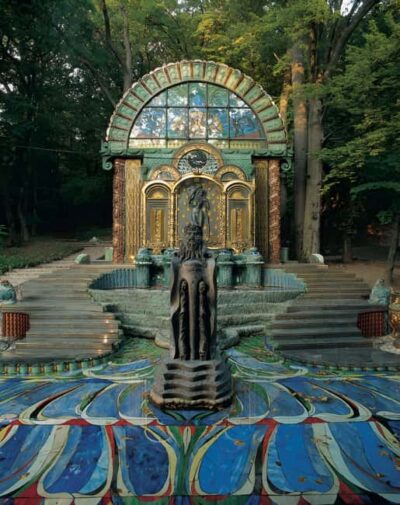
Combo ticket: Ernst Fuchs Museum & Otto Wagner Complex with smartphone guide
Read our review →
Browse the lists this tour appears in