

REVIEW · UK AUDIO TOURS
Shepton Mallet Prison – Entry Ticket
Shepton Mallet Prison gives you a rare look at 400 years of prison life inside England’s oldest prison. You can walk through the complex at your own pace, see where executions took place, and use sound boxes, maps, and information boards to piece together the story.
I like the freedom to stop for photos and CELLfies, then return to a section that caught your attention. I also like the choice of start times and the fact that your ticket lets you explore without being tied to a fixed walking group. The main consideration is that the site can feel sobering, and some displays about executions and inmate suffering may not suit very young children.
Key points to know before you go
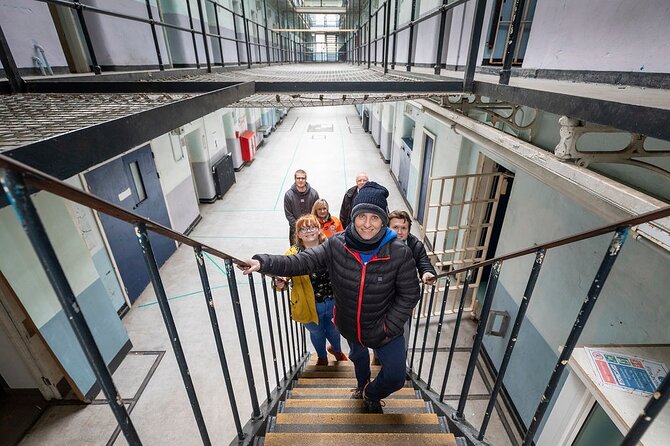
- A 400-year-old prison: Explore one of England’s oldest surviving prison sites and see how confinement changed over several centuries.
- Self-guided at your own pace: Use the map, visitor guide, sound boxes, and information boards without rushing from room to room.
- Execution sites included: The hanging room and areas linked to firing squads offer a serious, sometimes unsettling look at punishment.
- Good for families: Children can investigate the building at their own speed, with plenty to look at and listen to along the way.
- Allow one to five hours: Many people find around two hours enough, but you can stay longer if you read every panel and revisit favorite areas.
- Useful practical access: Mobile tickets, English-language information, nearby public transport, service animals, and dogs are all part of the setup.
Walking into Shepton Mallet’s prison past
The first thing that matters here is the building itself. Shepton Mallet Prison is not a museum assembled in a modern hall. You move through the actual prison, where narrow passages, cells, yards, and old working areas create much of the atmosphere.
That makes the experience more powerful than simply reading a timeline. The walls and rooms give the history a physical shape. You can think about how many people passed through the same spaces, from ordinary inmates to notorious prisoners, and how prison life changed over the years.
The visit covers a lesser-known part of British history. Most people know the broad story of prisons, punishment, and reform, but fewer have the chance to see how those ideas played out inside one place across four centuries.
You should expect a thoughtful visit rather than a light entertainment attraction. Some sections are tragic. The material about executions is especially serious, and the hanging room can leave a strong impression. If you are visiting with children, use your judgment about how much detail they are ready to hear.
More Skip-the-Line Audio Guide Tickets in the UK:
- London: Emirates Stadium Entry Ticket and Audio Guide
★ 4.7 · 5,513 reviews - Westminster Abbey Entrance Ticket Including Audio Guide
★ 4.0 · 661 reviews - London: British Museum Audio Tour & Priority Entrance Ticket
★ 4.5 · 631 reviews
How the self-guided route works

On arrival, you receive a visitor guide and map. These are important because a prison can be confusing, with similar-looking corridors and rooms. One family described getting lost once during a self-guided visit, which is hardly a disaster, but it shows why the map is worth keeping in hand.
The information boards provide the main facts as you go. Sound boxes add another layer, letting you hear explanations in selected parts of the prison. You can pause, read, listen, and move on when you are ready.
This format suits independent sightseeing. You are not forced to keep pace with a guide or wait while a large group gathers around one display. If a particular inmate story interests you, stay with it. If a panel feels too grim, move along and return later.
Staff are available to point you in the right direction and answer questions. That helps balance the freedom of a self-guided visit with the risk of missing a turn or overlooking a section.
The information is spread throughout the prison, so do not treat the first few rooms as the whole experience. Give yourself time to follow the route and check the map before deciding you have finished.
Cells, inmate stories, and everyday prison life
The strongest part of the visit is the sense of ordinary life behind bars. The prison tells stories about inmates across different periods, including well-known names and people whose lives might otherwise have disappeared from public memory.
You can learn how prison life changed over the centuries and how ideas about punishment developed. The details make the visit more than a collection of gloomy rooms. They show what it meant to live under prison rules, with limited freedom and little control over your own day.
Some stories are moving and difficult. You may come away thinking less about famous criminals and more about the broad range of people held there. That shift is one of the experience’s real strengths.
The displays ask you to compare past and present. Modern prison life has its own problems, but the old conditions described here can make the changes in law, treatment, and daily life feel much more concrete.
The prison’s atmosphere does much of the work. Even without a dramatic presentation, the building feels serious. It is a place where the past has not been polished into a comfortable story.
The hanging room and other execution areas
The execution areas are among the most memorable parts of the visit. You may see where hanging took place, along with the area associated with firing squad executions.
This section is not simply a macabre photo stop. The real value comes from considering the final moments faced by prisoners and the way the state once carried out punishment. The hanging room can be particularly thought provoking because the room itself makes the event feel close and human.
If you are interested in crime history, this may be the part you remember longest. If you dislike grim subjects, you can spend less time here. The self-guided format gives you that choice, which is useful for families and mixed-interest groups.
Take care with photography. You can take photos around the prison, including CELLfies, but the tone of this area calls for some respect. A playful picture may feel fine elsewhere and less suitable beside an execution display.
Same place, a different route to walk:
- Western Approaches Self Guided Tour
★ 5.0 · 505 reviews - Golden Tours York Hop-on Hop-off Open Top Bus Tour with Audio Guide
★ 4.5 · 468 reviews - Bath: Roman Baths Entry Ticket with Audio Guide
★ 4.7 · 425 reviews - Canterbury Cathedral: Entry Ticket with Audio Guide
★ 4.6 · 266 reviews
Why the self-guided format works well for families
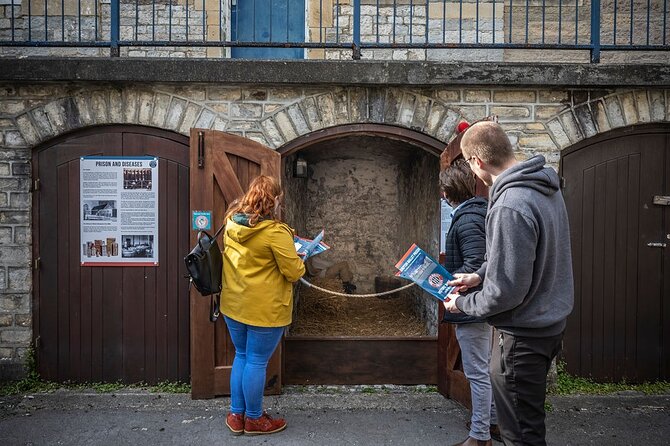
Shepton Mallet Prison can make a good family outing because children are not required to remain in a formal group. They can look around at a manageable speed, listen to sound boxes, and ask questions as they go.
The building itself gives younger visitors something to investigate. Corridors, cells, doors, signs, and old rooms create a sense of discovery without needing a tightly scheduled activity at every stage.
Still, you should prepare children for the subject. This is a prison, not a general adventure attraction. Some stories are tragic, and the execution displays may be too heavy for some children. A parent can guide the visit by skipping sections or explaining the material in simple terms.
I would allow children to lead parts of the exploration, while keeping an eye on the map and the more serious displays. Staff can help if you need directions or want to ask about a section before taking the family in.
The ability to move at your own pace is a real advantage here. A young child may be ready for the building but not every detail. You can adjust the visit as you go.
How long to allow and what to expect on site
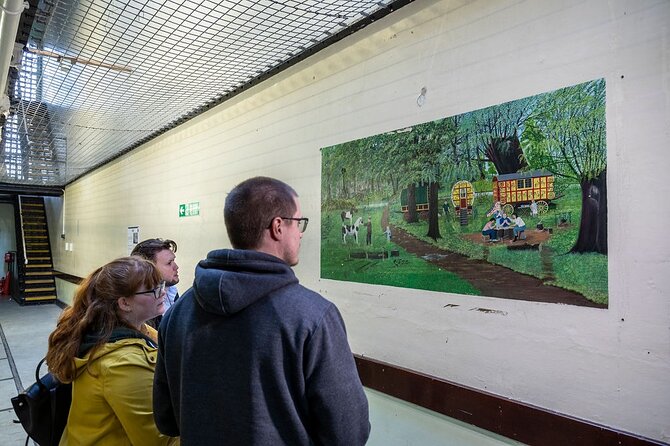
The stated visit time ranges from one to five hours. That is a wide spread, but it makes sense for a self-guided site.
Plan on about two hours if you want to see the main areas, read a fair amount, and listen to some sound boxes. You can finish more quickly if you move through the displays. History fans may want much longer, especially if they read every panel and spend time with the inmate stories.
A small area is available for lunch, and there is a kiosk selling drinks. These are useful for a longer visit, though you should not expect a full restaurant experience. A small souvenir area is also on site, with much of its material linked to the prison’s hauntings.
That haunting-related merchandise may appeal to visitors looking for a darker theme, but it is not the main reason to come. The historical prison experience is the stronger part of the day.
Start times are offered across the day, so you can fit the visit around other sightseeing in South West England. Because the average booking point is about seven days ahead, booking early is sensible if your schedule is fixed, though the stated cancellation terms give you flexibility up to 24 hours before the start time.
Price and value at $20.80

At $20.80 per person, this is not a quick stop you squeeze in for ten minutes. The value depends on how much time you give it and how much you enjoy reading, listening, and examining historic spaces.
For a two-hour visit, the cost is reasonable for a substantial indoor attraction with a long historical span. The price makes better sense if you use the whole route, listen to the sound boxes, and take time with the inmate stories instead of simply walking through.
The self-guided entry also gives you control over the pace. You are paying for access to the full prison rather than only a short presentation. If you are the sort of person who likes to revisit a room or pause over a difficult story, that freedom adds value.
Some visitors may feel the price is high if they prefer a more heavily guided experience. The attraction provides staff support and interpretive material, but the standard entry experience is designed for independent exploration. You should not expect a guide to narrate every room as part of the basic visit.
Self-guided entry compared with a guided tour

A guided tour has been described as informative and led by friendly staff with strong knowledge of the prison’s past. It can add context and help you understand the building in a more ordered way.
The tradeoff is pace. A group tour can feel rushed if you want to stop for every story, and one reported group contained 13 people. Afterward, the ticket still allowed time to walk around independently, which suggests that a guided option may work best when paired with extra free exploration.
For most independent visitors, the self-guided route is enough. The signage is extensive, and sound boxes add spoken information. You can also ask staff questions as needed.
Choose a guided option if available and clearly priced when you want a narrative thread, expert explanation, or help finding the important rooms. Choose self-guided entry if you dislike fixed group timing, are visiting with children, or want to spend more time with selected displays.
Since the supplied entry details focus on admission rather than a named guide or guaranteed guided departure, check the exact option when booking if a guided tour is important to you.
Practical details for a smoother visit
Your mobile ticket makes arrival simple, and confirmation is provided when you book. Keep the ticket available on your phone.
The experience is offered in English. You receive English-language material and use the sound boxes as part of the route.
The prison is near public transportation, which helps if you are not driving. The available information does not give specific parking details, so check local directions before setting out if you plan to arrive by car.
Service animals are allowed, and the venue is dog friendly. Most people can take part, but the historic setting may include uneven, confined, or demanding areas. Since the supplied details do not specify every accessibility feature, contact the prison directly if you need precise access information.
Free cancellation is available up to 24 hours before the start time for a full refund. Changes or cancellations made less than 24 hours before the start time are not accepted, and the cut-off uses local time.
Who should book Shepton Mallet Prison?
Book this if you enjoy historic buildings, prison stories, crime history, or places that make you think. It is also a good option when you want an indoor activity with flexible timing and the freedom to explore without a guide at your shoulder.
Families can have a good visit if adults prepare children for the darker subject matter. The self-guided route is particularly useful for mixed-age groups.
I would hesitate to recommend it to anyone looking for a cheerful, fast-moving attraction. The tone is serious, and the execution displays can be upsetting. The prison’s appeal comes from its atmosphere and difficult stories, not from polished entertainment.
Should you book this prison entry ticket?
Yes, if you want an unusual history stop in South West England and are willing to spend at least two thoughtful hours inside. The combination of original prison spaces, inmate stories, execution areas, sound boxes, and self-guided freedom gives you plenty to work with at $20.80.
Book with more caution if you dislike grim subjects or prefer a fully narrated tour. For everyone else, reserve ahead, keep the map nearby, and let the prison unfold at your own speed.
FAQ
How long does a visit to Shepton Mallet Prison take?
The visit takes approximately one to five hours. Around two hours should allow you to see a substantial part of the prison, while readers who stop at every display may wish to stay longer.
Is the tour guided or self-guided?
The entry experience provides a visitor guide, map, information boards, and sound boxes for self-guided exploration. Guided tours may also be available as a separate option, so check the choice shown when booking.
What can I see inside the prison?
You can explore the prison at your own pace, view inmate stories and historical information, and see areas connected with executions, including a hanging room and a firing squad location.
Is Shepton Mallet Prison suitable for children?
It can suit families with young children because children can investigate at their own pace. Some stories and execution displays are serious, so parents should decide which sections are suitable for their children.
Can I take photos inside?
Yes. You can take photos and CELLfies while exploring the prison. Use extra sensitivity around the execution areas and displays about inmate suffering.
Are dogs and service animals allowed?
Service animals are allowed, and the venue is dog friendly.
Can I cancel my ticket for a refund?
Yes. You can cancel up to 24 hours before the experience start time for a full refund. Cancellations or changes made less than 24 hours before the start time are not accepted.
Just added around the UK
- Inverness Quest: Self Guided City Walk & Immersive Treasure Hunt★ 4.0 · 5 reviews
- Inverness and Outlander Private Self-Guided Walking Tour★ 5.0 · 4 reviews
- Discovering Inverness: A Self-Guided Audio Tour of the Capital of the Highlands★ 4.5 · 19 reviews
- Glasgow Private Self-Guided Tour★ 4.0 · 21 reviews
- Falmouth Tour App, Hidden Gems Game and Big Britain Quiz (1 Day Pass) UK★ 4.5 · 3 reviews
- A Walk through Tudor Ipswich Tour and Exploration Game★ 4.5 · 3 reviews
- The Slow Food Capital of England: A Self-Guided Tour in Ludlow★ 4.5 · 9 reviews
- Highlights from Edinburgh’s Old Town: A Self-Guided Audio Tour★ 5.0 · 4 reviews
UK Audio Tours, compared.

London: Emirates Stadium Entry Ticket and Audio Guide
Read our review →
Westminster Abbey Entrance Ticket Including Audio Guide
Read our review →
London: British Museum Audio Tour & Priority Entrance Ticket
Read our review →

Golden Tours York Hop-on Hop-off Open Top Bus Tour with Audio Guide
Read our review →
Bath: Roman Baths Entry Ticket with Audio Guide
Read our review →
Canterbury Cathedral: Entry Ticket with Audio Guide
Read our review →
London: Churchill War Rooms Ticket & Political London Audio
Read our review →Browse the lists this tour appears in