
REVIEW · LONDON AUDIO TOURS
London: Churchill War Rooms Ticket & Political London Audio
Churchill War Rooms takes you below central London into the cramped bunker where Britain’s wartime government planned its response to Hitler. You’ll see the Map Room, the Cabinet War Rooms, and even a secret communications room disguised as a toilet.
I like the mix of preserved rooms and personal detail, especially the ashtrays, radios, maps, and stories of people who worked underground during the Blitz. I also like that the ticket adds a separate political London audio tour, so you can continue from wartime history to the streets around Parliament and Downing Street.
The main drawback is crowding. At busy times, especially during holidays, the narrow rooms can feel rushed, and the audio setup is not always easy to follow. Bring your own headphones, arrive with a charged phone, and allow plenty of time.
Key points to know before you go
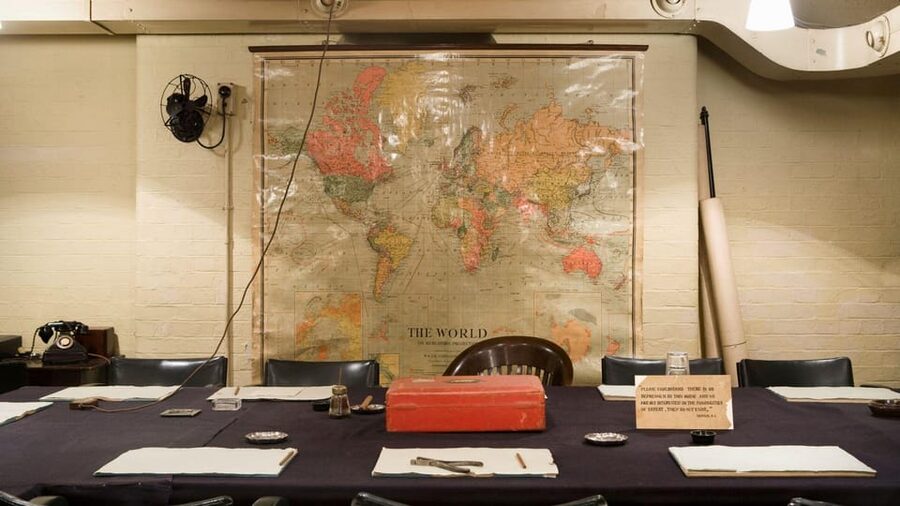
- The Map Room remains the emotional center: See where Allied intelligence tracked German movements, including the advance and retreat in Russia.
- The bunker feels personal: Churchill’s ashtrays and the disguised communications room make the war effort feel human and improvised.
- This is self-guided: You receive audio commentary, not a live guide. A VoxCity host helps at the meeting point.
- The second tour is flexible: The app covers 15 political landmarks, including 10 Downing Street and the Houses of Parliament.
- Crowds affect the experience: The underground corridors are narrow, so a booked time slot does not guarantee a leisurely visit.
- Your phone is part of the ticket: Bring headphones and charge your device before arriving.
Inside the bunker beneath Whitehall
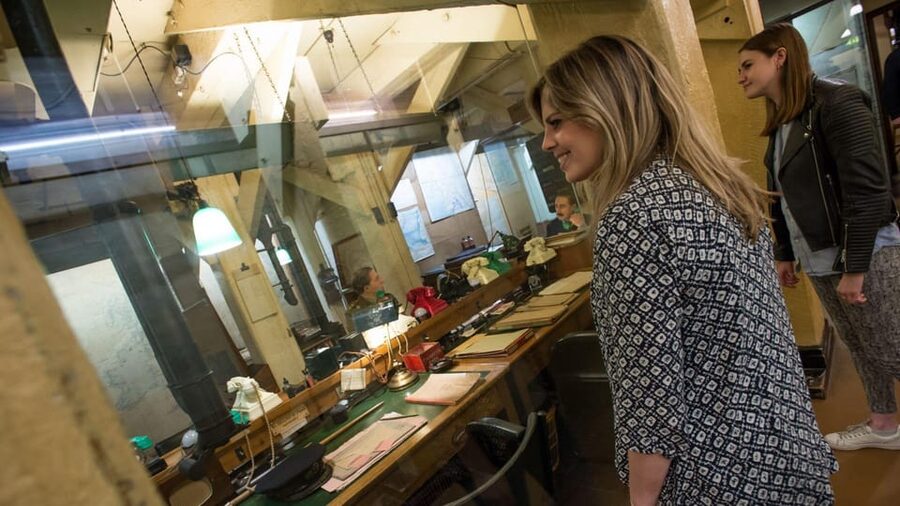
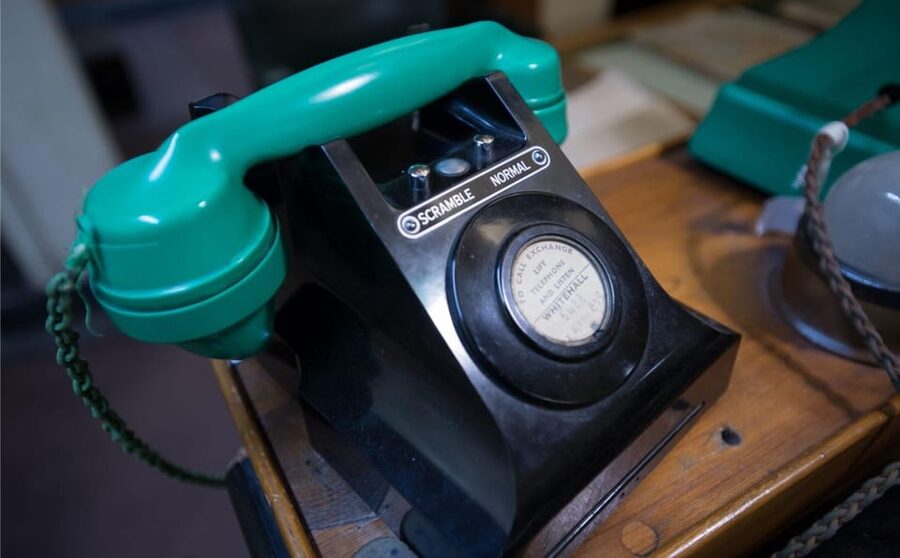
The Churchill War Rooms are not a theatrical recreation. You walk through the actual underground complex used by the British government during the Second World War. The setting does much of the work: low ceilings, tight corridors, plain rooms, office desks, maps, telephones, and the sense that every decision had to be made quickly and under pressure.
The bunker served as a working center for Churchill, military leaders, civil servants, and support staff. From here, the British government directed the war effort while German bombs fell on London above. The rooms also show how much of wartime leadership depended on routine. People needed offices, sleeping quarters, communications, maps, telephones, and places to eat, all packed into a protected underground system.
You move through the rooms with an audio guide rather than a live historian. That gives you control over the pace. You can pause, replay sections, and spend extra time with objects that catch your eye. The tradeoff is that you must manage the tour yourself, and the audio numbering may not always be obvious.
The guide is available in English, German, French, Italian, Spanish, Mandarin Chinese, Portuguese, and Hebrew. The separate political London guide is available in English, German, French, Italian, Spanish, and Mandarin Chinese.
More Audio Tours in London:
- London: Emirates Stadium Entry Ticket and Audio Guide
★ 4.7 · 5,513 reviews - Westminster Abbey Entrance Ticket Including Audio Guide
★ 4.0 · 661 reviews - London: British Museum Audio Tour & Priority Entrance Ticket
★ 4.5 · 631 reviews
The Map Room and the machinery of war
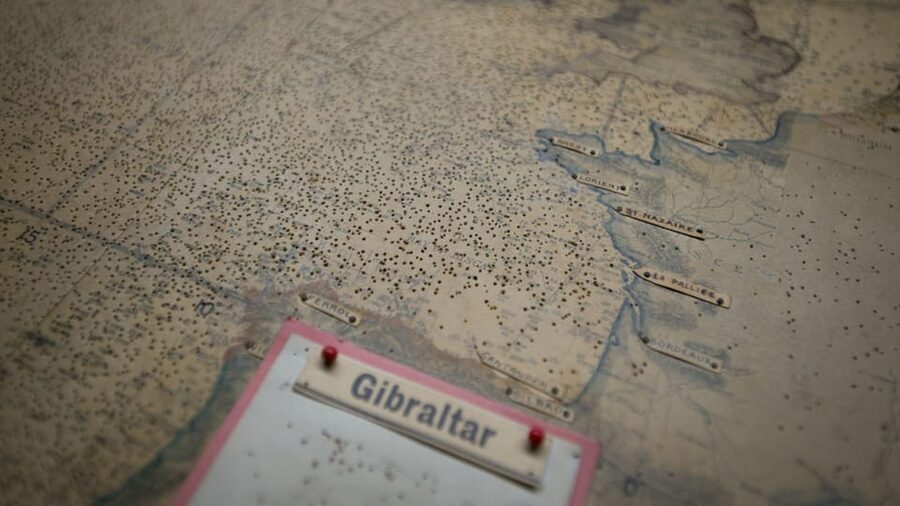
The Map Room is the highlight for many people, and it is easy to see why. This was the information center where Allied intelligence tracked troop movements and the changing course of the war. The maps show how military decisions depended on constant updates from across Europe and beyond.
You are not simply looking at a display about wartime planning. You are standing in the place where information was gathered, marked, discussed, and passed to senior leaders. That physical connection gives the room its force. The maps and markings turn broad military campaigns into a working office problem: Where are the troops now? What has changed? What must be done next?
The audio commentary helps explain how the room functioned and how staff worked under pressure. If you have a strong interest in military history, you may want to move slowly here. Crowds can make that difficult, since other people are also trying to stand close enough to see the details.
The Map Room is also a good reason not to treat this as a quick photo stop. Give yourself time to understand what the room was for before moving on. The more attention you give to the maps and the audio, the more meaningful the space becomes.
Cabinet War Rooms and life during the Blitz
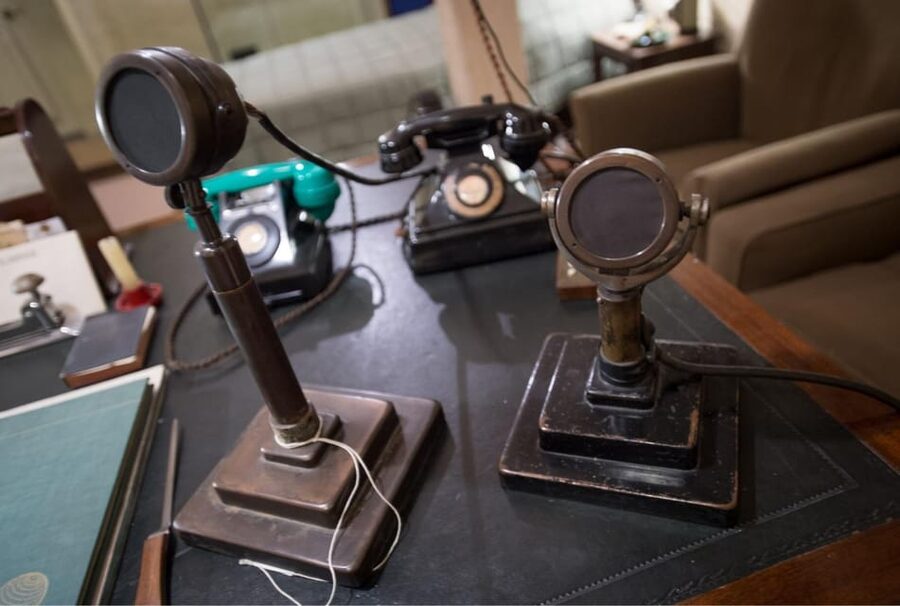
The Cabinet War Rooms reveal the political side of the war. This is where ministers and advisers met to make decisions while London faced air raids and the threat of invasion. The rooms are plain and practical, which is part of their appeal. You do not need grand decoration to understand the pressure placed on the people working there.
The audio guide adds personal stories about life underground during the Blitz. You hear about the daily reality of working long hours beneath the city while bombing and air raid sirens sounded above. The result is more than a military account. It shows how the bunker functioned as a workplace and a temporary home.
Small objects help bring that setting into focus. Ashtrays linked with Churchill’s constant cigar smoking are among the details that make the story feel less distant. They show the habits and routines of the people who used these rooms, rather than presenting them only as names in a textbook.
The site also includes a secret communication room disguised as a toilet. It is an ingenious detail, but it also shows how much secrecy shaped the bunker. Communications had to be protected, and ordinary-looking spaces could serve an important purpose.
Some sections include video with loud bombing sounds and air raid sirens. If you are sensitive to sudden noise, keep this in mind before starting. The effects are meant to give a sense of wartime tension, but they may be uncomfortable for some people.
The Churchill museum adds a second layer
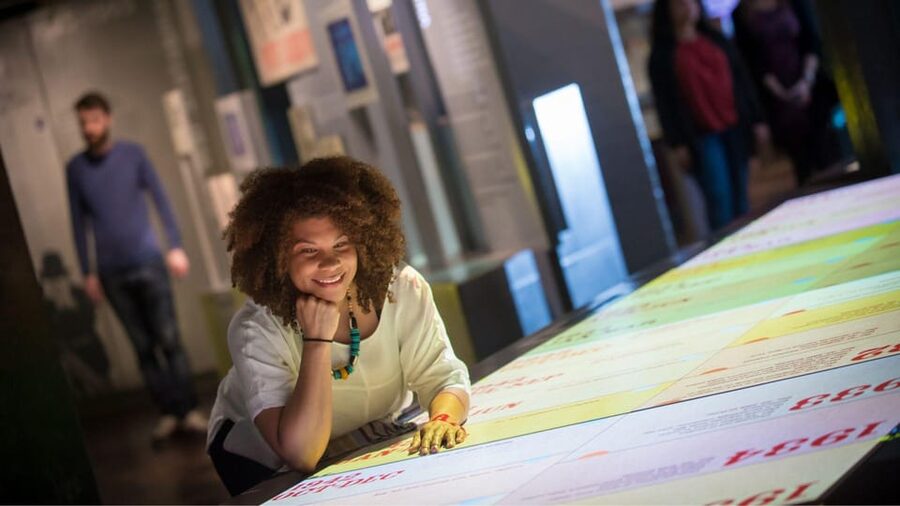
The museum section expands the visit beyond the rooms themselves. It focuses on Churchill’s career, wartime leadership, and public image, giving you more context for the decisions made underground.
This part is useful if you know Churchill mainly as a wartime speechmaker. It places him within the wider political story and helps explain why the bunker mattered. You can also spend time with objects and displays that would be easy to miss if you rush directly from one preserved room to the next.
Plan your time around both parts of the experience. The underground rooms show the working environment, while the museum provides more background. A visit can take about an hour and a half if you move at a steady pace, though crowded conditions may make the visit feel shorter because you cannot always stop where you want.
You are free to tour at your own speed, which works well for people with different interests. A history teacher may want to examine every display, while someone with only a general interest in Churchill may prefer the key rooms and a shorter museum visit.
Same place, a different route to walk:
- Windsor Castle Tour from London with Transportation & Audio Guide
★ 3.5 · 222 reviews - London Panoramic Open Top Bus Tour with Audio Guide
★ 4.0 · 209 reviews - London: Royal Walking Tour and Buckingham Palace Audio Tour
★ 4.8 · 154 reviews - London: Self-Guided Notting Hill Walking Tour with an APP
★ 4.3 · 120 reviews
From the bunker to political London
The political London audio tour is a separate part of the experience, delivered through the sightseeing app and its digital map. It covers 15 points of interest around central London. The route includes major political locations such as 10 Downing Street and the Houses of Parliament.
This adds value because it lets you connect the underground war effort with the public buildings and streets where British political life continues today. At the War Rooms, you see how government worked in secrecy during a crisis. Above ground, the audio guide points you toward the visible institutions of government.
The format is self-guided. You are not tied to a group, a walking pace, or a guide’s schedule. You can use the map to find the stops and listen when you reach them. That freedom is useful if you want to combine the tour with your own sightseeing around Westminster.
There is also a limit. The political tour is an app-based add-on, not a live walking tour with a guide who can answer questions. You should think of it as a useful orientation tool and a set of historical audio stops, not as a fully guided city walk.
It is best suited to someone who wants more from the day than one museum visit. After the bunker, you can continue through political London on your own terms. If you are already planning to see Parliament, Downing Street, or nearby landmarks, the audio guide gives those places extra context without adding another scheduled activity.
What the $62 price includes
At $62 per person, this is not a budget museum ticket. The value depends on how much use you make of both parts.
The main cost covers entry to Churchill War Rooms, which is one of London’s most distinctive historical sites. You also receive the official audio guide in several languages, a host at the meeting point, and access to the political London audio tour with its digital map.
If you only spend a short time in the bunker and ignore the city audio tour, the price may feel high. If you visit the War Rooms carefully, see the museum, and use the 15 political stops afterward, the package becomes easier to justify. You are paying for a major London museum experience plus a flexible self-guided activity for the rest of the day.
There is no transport included, so you must make your own way to King Charles Street. You also need to provide your own mobile device and headphones. That is a small but important point. The experience works best when your phone is fully charged and the audio is ready before you arrive.
The activity is valid for one day and tickets apply to the date and time slot booked. The ticket is non-refundable, so check your plans carefully before buying.
Crowds, access, and practical comfort
Crowding is the biggest factor that can change the quality of the visit. The bunker’s corridors and rooms are not spacious, and busy periods can make it hard to stop for the audio commentary or examine displays closely. Holiday periods can be especially hectic.
You should arrive prepared to move at the pace of the people around you. If you want time to study the exhibits, avoid assuming that the entire visit will feel calm and private. The attraction can still be fascinating in a crowd, but you may need patience.
The experience is wheelchair accessible. Large bags, suitcases, and pull-along luggage are prohibited, so leave those elsewhere before arriving. Bring only what you need for the visit.
Meet the VoxCity host in front of Churchill War Rooms on King Charles Street. The host wears a VoxCity uniform. You need to download the official Churchill War Rooms e-ticket and bring it with you. The ticket is sent through WhatsApp within 24 hours of your travel date, and printing it is preferable.
Scan the QR code to download the audio guide before arrival if possible. Bring headphones, since a headset is not included. A charged smartphone is essential for both the War Rooms audio and the political London app.
Who will get the most from this experience
This is a strong choice for anyone interested in Churchill, the Second World War, British politics, or the practical side of government during a crisis. You do not need to be a specialist. The objects, preserved rooms, and audio stories make the visit accessible, even if you know only the basic outline of the war.
It also suits independent sightseers. You can move through the museum at your own speed and use the political London guide when it fits your day. Families with older children may appreciate the maps, hidden communication room, and underground setting, though loud bombing sounds could bother younger visitors.
The experience is less suitable if you want a live guide, lively conversation, or a tightly led walking tour. The audio commentary is informative, but you will not have someone beside you to answer follow-up questions. It is also not ideal for anyone carrying large luggage or hoping to avoid using a phone.
History enthusiasts should allow more time than a quick one-hour visit. Those with limited time can focus on the Map Room, Cabinet War Rooms, Churchill-related objects, and the museum’s main displays.
Should you book Churchill War Rooms and Political London?
Book it if you want a serious, atmospheric look at how Britain’s wartime government operated, and if you will use the political London audio tour after leaving the bunker. The strongest parts are the preserved Map Room, the Cabinet War Rooms, and the small human details such as ashtrays and the disguised communications room.
Think twice if you dislike crowded museums, need a live guide, or will not have headphones and a reliable phone. A busy day can feel rushed, and the audio numbering may require extra attention.
For most people with an interest in wartime London, the ticket offers a worthwhile full-day pairing: one powerful indoor museum visit followed by flexible outdoor sightseeing around Westminster. Arrive prepared, allow time for crowds, and do not treat the War Rooms as a quick stop.
FAQ
Where does the experience begin?
Meet the VoxCity host in front of Churchill War Rooms on King Charles Street. The host wears a VoxCity uniform.
Is a live guide included?
No. The activity includes audio guides and a host at the meeting point, but it does not include a live guide.
What languages are available for the Churchill War Rooms audio guide?
The Churchill War Rooms audio guide is available in English, German, French, Italian, Spanish, Mandarin Chinese, Portuguese, and Hebrew.
What languages are available for the political London audio guide?
The political London audio guide is available in English, German, French, Italian, Spanish, and Mandarin Chinese.
Do I need to bring headphones?
Yes. Headphones are not included, so bring your own.
Do I need a smartphone?
Yes. Bring a charged smartphone to use the audio guide and sightseeing app. You should scan the QR code and download the audio guide before arrival.
What landmarks are included in the political London tour?
The self-guided audio tour covers 15 points of interest, including 10 Downing Street and the Houses of Parliament.
Can I bring a suitcase or large bag?
No. Suitcases, pull-along baggage, and large bags are prohibited.
Is the Churchill War Rooms experience wheelchair accessible?
Yes. The activity is wheelchair accessible.
Just added around London
- Self Guided walk around London’s Delicious Chocolate Shops★ 4.5 · 3 reviews
- London: Self-Guided History City Tour with an App★ 4.3 · 21 reviews
- London: Gin and Afternoon Tea Bus Tour with Audio Guide★ 4.8 · 11 reviews
- Londra Audioguide – TravelMate app for your smartphone★ 3.5 · 12 reviews
- London: Jack the Ripper Walking Tour with an App★ 3.7 · 11 reviews
- London: HMS Belfast Ticket & Southbank Highlights Audio Tour★ 4.6 · 7 reviews
- London: Natural History Museum Express Tour & Audio App★ 3.6 · 60 reviews
- London: Harry Potter Movie Location Tour with an APP★ 3.5 · 41 reviews
London Audio Tours, compared.

London: Emirates Stadium Entry Ticket and Audio Guide
Read our review →
Westminster Abbey Entrance Ticket Including Audio Guide
Read our review →
London: British Museum Audio Tour & Priority Entrance Ticket
Read our review →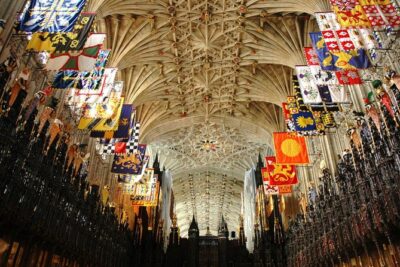
Windsor Castle Tour from London with Transportation & Audio Guide
Read our review →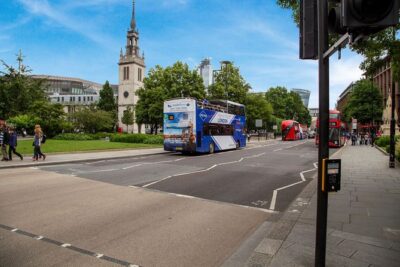
London Panoramic Open Top Bus Tour with Audio Guide
Read our review →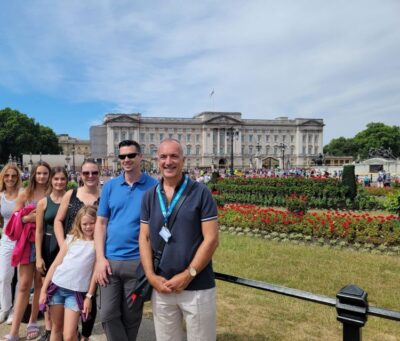
London: Royal Walking Tour and Buckingham Palace Audio Tour
Read our review →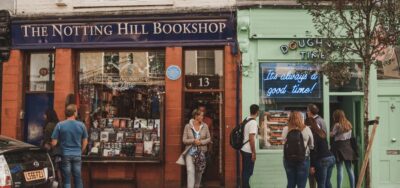
London: Self-Guided Notting Hill Walking Tour with an APP
Read our review →
Emirates Stadium and Arsenal Museum Entrance Ticket Including Audio Guide
Read our review →Browse the lists this tour appears in