
REVIEW · MUSEUM AUDIO GUIDES
Nusa Dua: Museum Pasifika Admission Ticket with Audio Guide
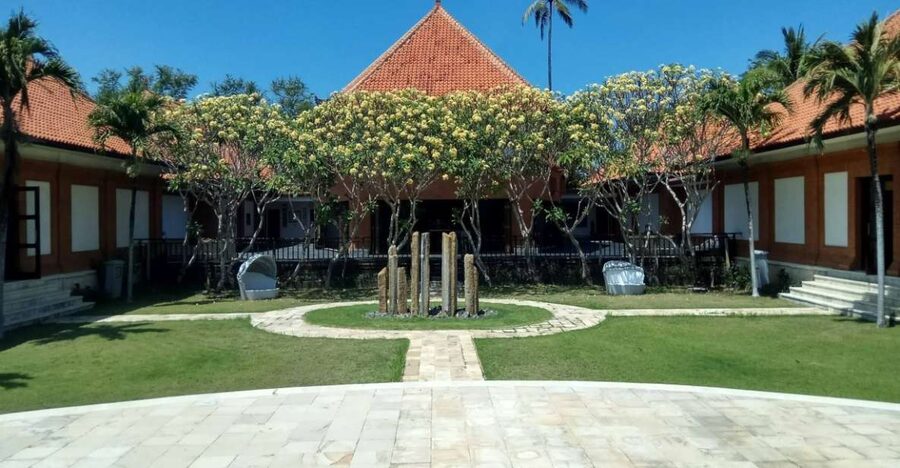
Museum Pasifika gives you a calm art break in Nusa Dua, with more than 600 paintings and sculptures spread across galleries devoted to Indonesia, Asia, and the Pacific. The collection ranges from Raden Saleh and Affandi to Paul Gauguin, Auguste Rodin, and Pacific artists whose work is rarely seen outside Oceania.
I like the clear focus on Indonesian art, especially the rooms devoted to more than 50 Indonesian artists. I also like the large Michoutouchkine and Pilioko collection, with about 200 Pacific sculptures from 10 nations. The main caution is the building climate: there is no air conditioning, doors may remain open, and some works are not protected from humid air.
Key points to know before you go
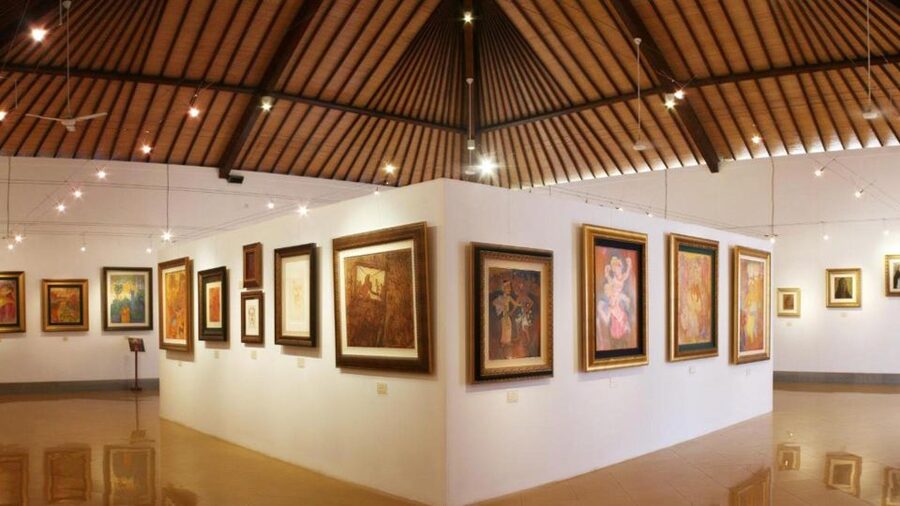
- Over 600 artworks: See Indonesian, Asian, European, and Pacific art in one compact museum visit.
- Indonesian masters: Look for works by Raden Saleh, Lempad, Affandi, Hendra, and Kobot.
- Pacific sculpture collection: Around 200 sculptures from 10 Pacific nations form one of the museum’s strongest sections.
- Audio guide option: Audio commentary is available in English and Indonesian, adding background to selected works.
- Quiet Nusa Dua setting: The museum offers a peaceful change from resort pools and shopping areas.
- Useful visitor comforts: Your ticket includes a refreshment, cold towel, and tea, coffee, or infused water.
Why Museum Pasifika is worth your time in Nusa Dua
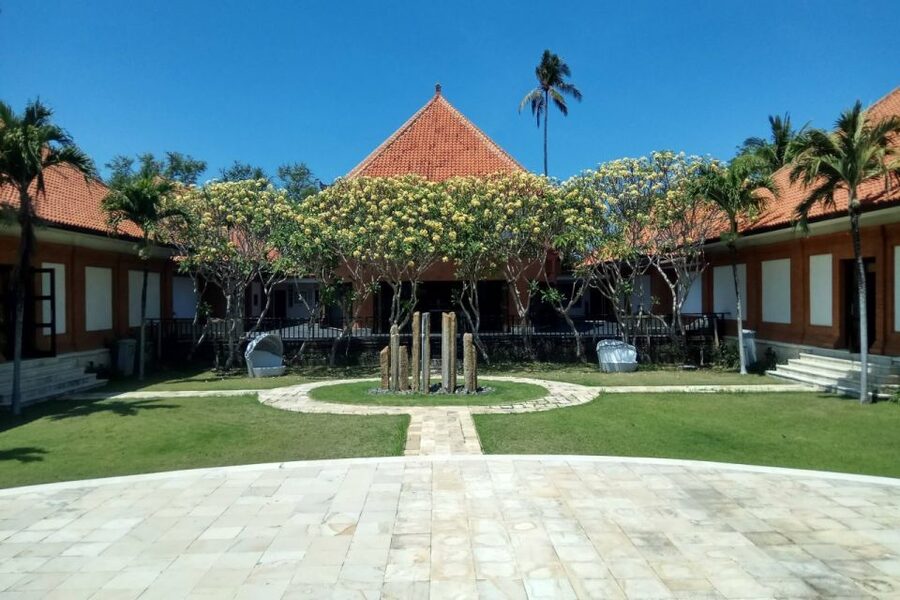
Nusa Dua is known for polished resorts, wide paths, and carefully managed public spaces. Museum Pasifika gives you something different: a chance to see how artists from Indonesia, Europe, and the wider Pacific have interpreted this part of the world.
The museum is not built around one famous painting. Its appeal comes from the range. You may move from a formal Indonesian portrait to a Pacific wood carving, then into a room shaped by European artists who lived in or drew inspiration from Asia. That variety can feel slightly uneven, but it also keeps the visit curious and unpredictable.
You can spend the whole day with the ticket, though most visitors will likely need far less time. The one-day validity gives you flexibility if you want to visit around lunch, return later, or combine the museum with other plans in Nusa Dua.
At $7 per person, the admission is modest for a collection of this size. You are not paying for a guided tour or a packed schedule. You are paying for access to hundreds of works, an audio guide option, and a quiet indoor cultural stop. The included refreshment and cold towel add a small but welcome touch, especially in Bali’s heat.
More Museum Audio Guides in the world:
- Paris: Louvre Museum Hosted Entry and Mona Lisa Audioguide
★ 4.6 · 5,235 reviews - Venice: St. Mark Basilica Ticket, Audioguide+History Gallery
★ 3.9 · 4,780 reviews - Rome: Borghese Gallery Skip-the-Line Ticket & Audioguide
★ 4.3 · 4,318 reviews
Starting at reception with the audio guide
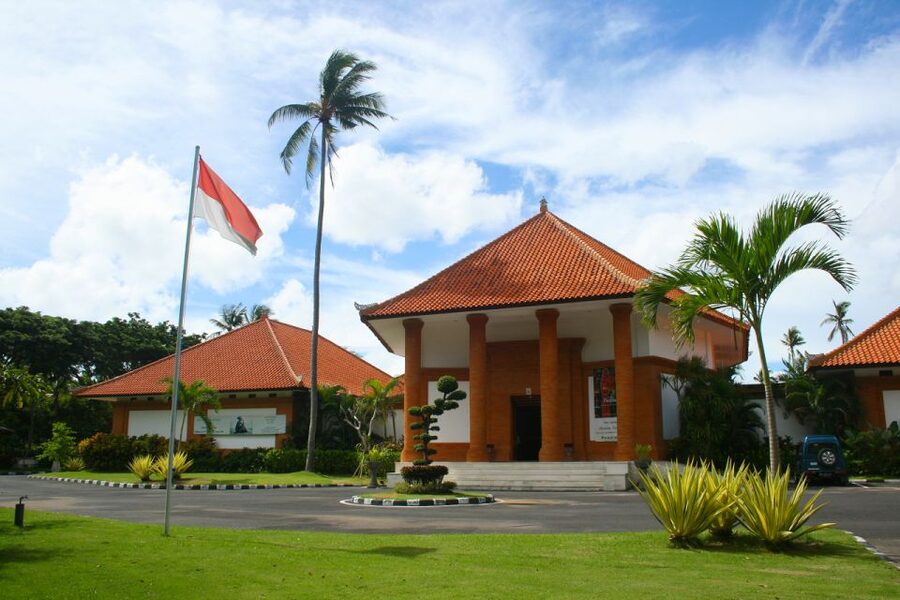
Your visit begins at the museum reception, where you show your ticket. There is no hotel pickup or drop-off, so you need to arrange your own way to Nusa Dua. A large parking area is available onsite, which helps if you are already using a car or private driver.
An audio guide is available in English and Indonesian. The activity information describes it as included, while also calling it optional, so confirm the arrangement at reception if you want commentary. That small check avoids confusion and lets you decide how you prefer to see the collection.
I usually like an audio guide in a museum with many names and different artistic traditions. Here, it can help connect a painting to its creator, period, or region instead of leaving you to read labels without context. It also gives you a way to set your own pace. You can listen closely to works that catch your eye and move quickly past others.
The audio guide is not a substitute for a live art historian. No personal guide or named museum guide is provided with this admission. Think of it as a useful layer of explanation attached to a self-guided visit.
Indonesian masters and Bali-inspired art
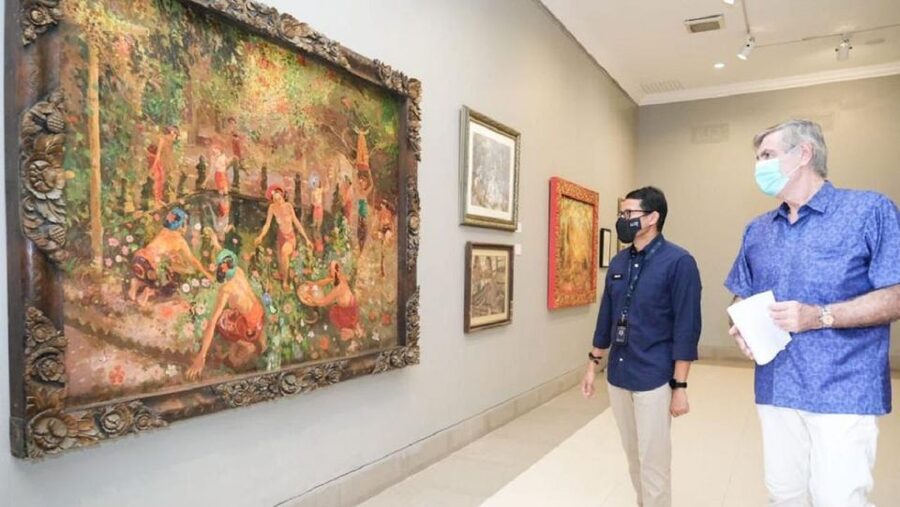
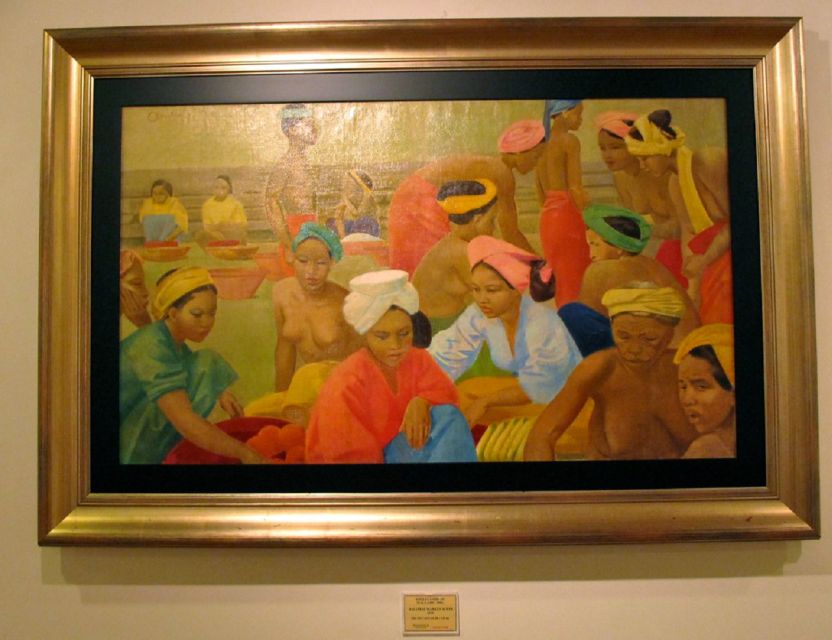
The Indonesian galleries are the heart of the museum for many visitors. More than 50 Indonesian artists are represented, showing that Indonesian art is not one single style. The collection includes both historic and contemporary works, with a broad range of subjects, techniques, and moods.
Look for names such as Raden Saleh, Lempad, Affandi, Hendra, and Kobot. Each name gives you a different entry point into Indonesian art. The important thing is not to rush through these rooms as if they were simply a list of famous painters. Give yourself time to compare how each artist handles people, place, movement, and local identity.
The presence of Indonesian masters is valuable because Nusa Dua can sometimes feel separated from everyday Bali. Resort districts are comfortable, but they do not always show the island’s artistic depth. This museum helps correct that imbalance without requiring a long trip to another part of Bali.
You may also see works by artists from outside Indonesia who were influenced by Bali and the Asian continent. These paintings offer a second view of the region. They can be beautiful, but they also raise useful questions about how European artists interpreted places and people outside their own cultures.
That mix is best treated as a conversation rather than a single story. Indonesian artists present their own traditions and ideas, while Indo-European artists show how Asia affected foreign painters working here or nearby.
European artists shaped by Asia
Several galleries focus on Italian, French, and Dutch creators connected to Asia and Indonesia. The collection includes Walter Spies, Miguel Covarrubias, Jean Le Mayeur, and Charles Sayers.
These rooms help explain why Bali became such a strong subject for artists from Europe. You can compare the way foreign artists represented Balinese life with the work of Indonesian painters displayed elsewhere in the museum.
This section may be especially interesting if you like art linked to travel, migration, and cultural exchange. It is also where the museum’s wide scope can be both its strength and its weakness. You get many perspectives in one place, but the range may feel broad rather than tightly organized.
I suggest using the audio guide here if available. Names such as Spies, Covarrubias, and Le Mayeur may be familiar to art enthusiasts, but the connections between them are easier to follow with background information. If you are visiting with children or casual art fans, focus on the images and stories that catch their attention rather than trying to absorb every label.
More Skip-the-Line Audio Guide Tickets in the world:
- Barcelona: Sagrada Familia Entry Ticket with Audio Guide
★ 4.6 · 105,312 reviews - Rome: Pantheon Fast-Track Ticket and Official Audioguide
★ 4.5 · 27,353 reviews - Pompeii: Entry Ticket with Audio Guide
★ 4.1 · 13,491 reviews - Venice: La Fenice Opera House Entry Ticket with Audio Guide
★ 4.6 · 11,742 reviews
The Hanoi Beaux-Arts connection
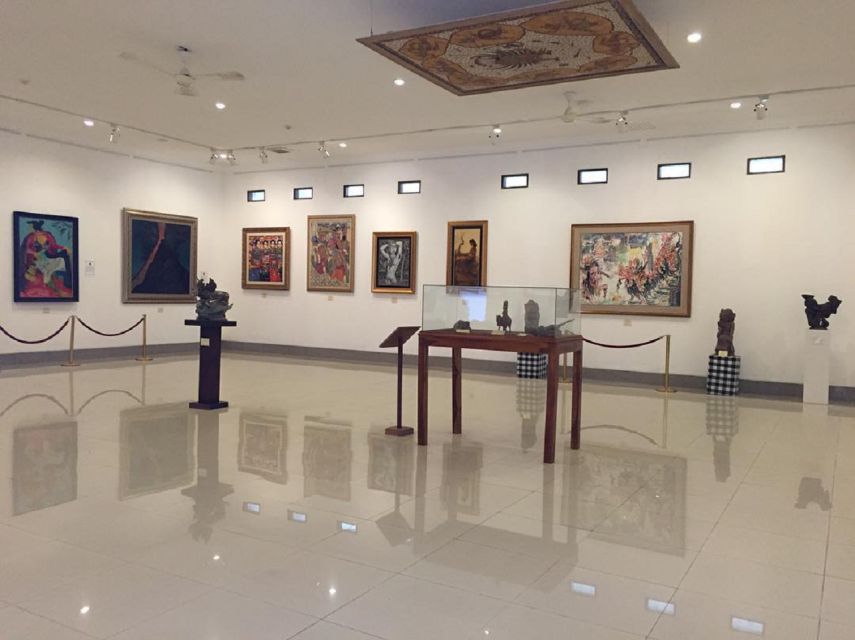
Another part of the museum presents works by Indonesian students of the Beaux-Arts School of Hanoi. This is an unusual link and one of the more distinctive reasons to visit.
The works connect Indonesian artists with a wider Asian art education system. They also show that artistic exchange in Asia did not move only between Europe and Indonesia. There were important regional connections as well.
This section is worth slowing down for because it broadens the usual Bali art story. Bali is often presented through local traditions or European fascination, but these works point to formal education and artistic networks across Southeast Asia.
The information provided does not specify the exact number of works or a fixed route through this section. You might find that the audio guide is particularly helpful here, since the historical connection may not be obvious from the artwork alone.
The Michoutouchkine and Pilioko Pacific collection
The museum’s largest single draw may be the Michoutouchkine and Pilioko Collection of Premier Art of Oceania. It includes about 200 sculptures from 10 nations in the Pacific Ocean.
The collection was gathered over 50 years by the two artists. That long period of collecting gives the section a clear sense of purpose. You are not seeing one artist’s style repeated across several rooms. You are seeing objects and sculptures connected to different Pacific cultures and nations.
For me, this is the section that gives the museum a reason to exist beyond a standard Bali art display. Pacific art is not always easy to find in Southeast Asian museums, and the collection offers a useful chance to compare forms, materials, and ideas from across Oceania.
Take your time with the sculptures. Three-dimensional works need space and a slower glance. Notice shape, surface, scale, and the way each piece occupies its room. The collection is not simply a decorative stop between paintings.
The exact arrangement may affect how much you take in during one visit. With around 200 sculptures, you may need to choose between a quick overview and a more careful look. If Pacific art is your main interest, use most of your time here and treat the Indonesian galleries as a second visit priority.
Gauguin, Rodin, and the Western artists display
The Legendary Western Artists Exhibition adds works associated with well-known names from outside Indonesia and the Pacific. You can see sculptures and woodcuts by Paul Gauguin from his Tahiti period, along with pieces by Henri Rousseau, Henri Matisse, Auguste Rodin, Marvina Hoffmann, and Bernard Buffet.
This section has obvious name appeal, but I would keep your expectations measured. The experience is not the same as visiting a major European museum devoted to these artists. The pleasure comes from seeing how the Western collection fits into a wider Pacific and Asian setting.
Gauguin’s Tahiti period is particularly relevant here because it links European art to the Pacific. The display lets you consider the difference between an artist’s romantic view of island life and the work of artists from the regions being represented.
Rodin offers a very different kind of interest through sculpture, while Rousseau, Matisse, Hoffmann, and Buffet add variety in style and subject. The result is a compact survey rather than a complete account of any one artist.
If you are visiting mainly for a single famous name, check your expectations. If you enjoy making connections between artists and places, this section should reward you.
The practical reality of the galleries
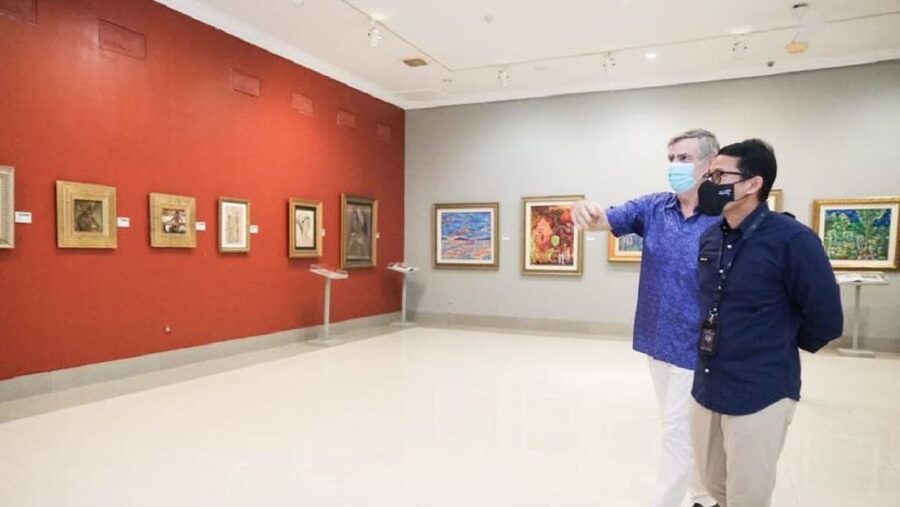
The museum is wheelchair and motorized wheelchair accessible throughout its galleries and facilities. That is useful for visitors who need step-free access, and it also makes the museum easier for families moving with a stroller or anyone who prefers a less demanding indoor outing.
Free Wi-Fi is available onsite, and there is a café. A large parking area makes arrival simpler than at many city museums, though you still need to handle your own transport because hotel transfers are not included.
The biggest practical concern is the indoor climate. There is no air conditioning, and doors may be left open. Bali’s humidity can affect comfort, especially if you are visiting during the hottest part of the day.
More seriously, some works are not protected from the humid conditions and are becoming damaged. That is not a reason to skip the museum, but it is an honest consideration. The collection deserves proper care, and the condition of the building may distract visitors who are sensitive to conservation issues.
A cold towel and a drink help take the edge off the heat. Tea, coffee, or infused water is included, along with a refreshment. These are modest extras, but they make sense in Nusa Dua, where a short art visit can leave you ready for a pause.
Flash photography is not allowed. You also cannot bring weapons or sharp objects, and tripods are prohibited. Plan to use your phone or camera without flash and leave tripod equipment behind.
Who should visit Museum Pasifika?
I would recommend this museum to you if you enjoy art collections that cross borders and periods. It suits people who want more than another beach or resort afternoon, especially if Indonesian art, Pacific cultures, or art connected to travel interests you.
It is also a good choice for a quiet break. One verified booking described the experience as nice and quiet, and that matches the museum’s appeal. You can look at the art without the loud pace found at major attractions.
Families can use the free admission for children aged 0 to 11, though younger children may not stay interested through every gallery. Choose a few works or sections rather than expecting them to examine the whole collection.
The museum may be less suitable if you want a tightly edited exhibition, strong air conditioning, or a live expert explaining every room. The broad collection can feel uneven, and the open-door setup may be uncomfortable on a hot day.
Planning a useful one-day visit
Your ticket is valid on the visit date for one day, with starting times shown when you check availability. Since there is no fixed tour route or hotel transfer, you can fit the museum around your Nusa Dua plans.
I would avoid treating this as a rushed 20-minute photo stop. The collection has too many sections for that. At the same time, you do not need to spend an entire day unless you are a serious art enthusiast.
A practical plan is to begin with the Indonesian galleries, continue to the Pacific sculptures, then finish with the European and Western artists. That order gives you the strongest sense of place first, then expands the story outward. You can reverse it if Gauguin or Rodin is your main interest.
Build in time for the refreshment and cold towel. The café, drinks, and free Wi-Fi also make it easier to pause before continuing with Nusa Dua sightseeing.
Cancellation is flexible up to 24 hours before the visit for a full refund, and you can reserve now and pay later. Those terms are useful if your Bali schedule is still moving around.
Should you book Museum Pasifika?
Book it if you want an affordable, quiet museum visit with unusual Pacific material and a strong selection of Indonesian art. At $7, the combination of admission, audio guide availability, refreshments, and wheelchair access offers fair value.
Go with realistic expectations. This is not a polished blockbuster museum, and the lack of air conditioning may bother you. Some artworks also need better protection from humidity. Still, the range is hard to dismiss: Indonesian masters, Bali-inspired European art, Hanoi-trained artists, Pacific sculpture, Gauguin, Matisse, Rodin, and others all appear under one roof.
If you are staying in Nusa Dua and want a cultural stop that does not take a full day, I would book it. Visit with curiosity, use the audio guide, and spend your best time in the Indonesian and Pacific sections.
FAQ
Where is Museum Pasifika located?
Museum Pasifika is in Nusa Dua, Bali, Indonesia. You show your ticket at the reception area when you arrive.
How much does admission cost?
The listed price is $7 per person.
How long is the ticket valid?
The ticket is valid for one day and must be used on the selected visit date.
Is an audio guide available?
Yes. An audio guide is available in English and Indonesian. The activity details describe it as included and also list it as optional, so confirm the arrangement at reception.
What kind of art is displayed?
The museum displays historic and contemporary paintings and sculptures from Indonesia, Asia, Europe, and the Pacific.
How many artworks are in the museum?
The collection includes more than 600 artworks by about 200 international artists.
Which Indonesian artists are represented?
The collection includes Raden Saleh, Lempad, Affandi, Hendra, Kobot, and more than 50 Indonesian artists overall.
Does the museum have Pacific art?
Yes. The Michoutouchkine and Pilioko Collection of Premier Art of Oceania includes around 200 sculptures from 10 Pacific nations.
Is the museum wheelchair accessible?
Yes. The galleries and facilities are accessible to wheelchairs and motorized wheelchairs.
Are children admitted free?
Children aged 0 to 11 can enter free of charge.
Are refreshments included?
Yes. The admission includes a refreshment, a cold towel, and a choice of tea, coffee, or infused water.
Is hotel transportation included?
No. Hotel pickup and drop-off are not included. The museum does have a large parking area onsite.
Can I take photographs?
You cannot use flash photography, and tripods are not allowed. Weapons and sharp objects are also prohibited.
Just added around the world
- Dolmabahce Palace Skip the Ticket Line Entry with Audio Guide★ 4.0 · 6 reviews
- Istanbul Bosphorus Sightseeing Cruise with Audio Guide★ 5.0 · 67 reviews
- Basilica Cistern Skip-the-Ticket-Line Entry with Audio Guide★ 4.0 · 4 reviews
- Hagia Sophia Skip-the-Line Ticket with Audio Guide★ 5.0 · 4 reviews
- Cistern of Theodosius Entry Ticket & Audio Guide★ 3.5 · 6 reviews
- Maria Edgeworth Center-A Self-Guided Audio Tour★ 5.0 · 21 reviews
- Self-Guided Tour of Ísafjörður: Art, History, and Architecture★ 5.0 · 23 reviews
- Inverness Quest: Self Guided City Walk & Immersive Treasure Hunt★ 4.0 · 5 reviews
Museum Audio Guides, compared.
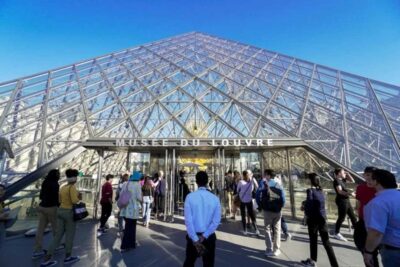
Paris: Louvre Museum Hosted Entry and Mona Lisa Audioguide
Read our review →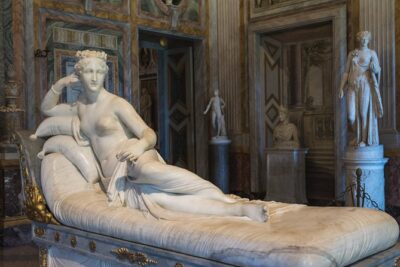
Rome: Borghese Gallery Skip-the-Line Ticket & Audioguide
Read our review →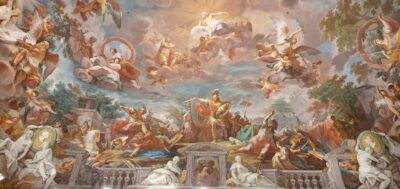
Rome: Borghese Gallery Ticket + Audioguide or Guided Tour
Read our review →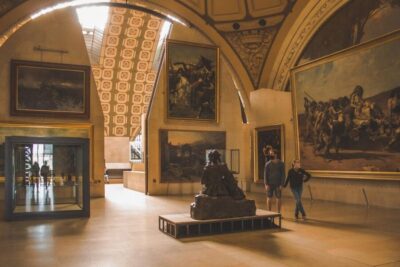
Paris: Orsay Museum Entry Ticket and Digital Audio Guide App
Read our review →
Florence: Uffizi Gallery Timed Entry Ticket & Audio Guide
Read our review →
Athens: Acropolis Museum Ticket with optional Audio Guide
Read our review →
Rome: Borghese Gallery Skip-the-Line Tickets with Audioguide
Read our review →
From Athens: Small-Group Delphi, Museum & Arachova Day Trip
Read our review →Browse the lists this tour appears in