
REVIEW · ITALY AUDIO TOURS
Verona Walking Tour with Audio and Written Guide by a Local
Verona is easy to enjoy on foot, but its stories are scattered across bridges, squares, churches, and Roman ruins. This self-guided route gives you a clear path through the center while letting you stop for coffee, photos, lunch, or a museum visit whenever you like. The guide is created by Matteo of Walking Cap, and it works through your smartphone rather than with a live guide.
I like the very low price, about $7.86 per person, and the freedom to set your own pace. I also like having both audio and written information in English, Spanish, Italian, German, and French. The main caution is technical: you need a working internet connection, enough phone battery, and a little patience if the access link or audio takes time to load.
Key points at a glance
- Castelvecchio Bridge opens the walk with excellent river views and photo stops.
- The route links Verona’s Roman, medieval, and Renaissance sights in one circuit.
- You can pause, replay, reread, or change the order without holding up a group.
- Written and audio content are available in five languages.
- The famous Juliet balcony can be seen from outside without paying admission.
- The $7.86 cost is excellent for an overview, but paid museum and monument entries are separate.
A self-guided route through Verona’s best-known sights
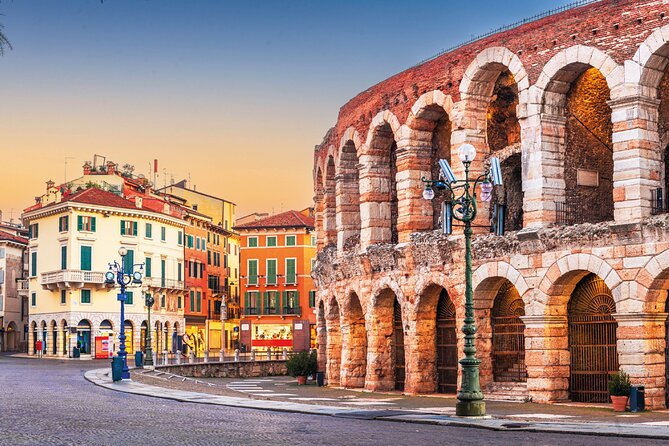
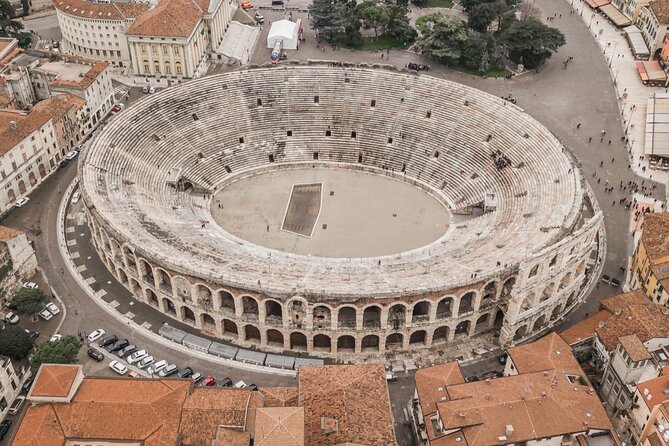
This experience begins and ends at the Arena di Verona in Piazza Bra. That is a useful arrangement because the Arena is one of the city’s easiest landmarks for finding your bearings, and you can finish there even if you take several hours to complete the route.
The advertised walking time is about two to three hours. That is realistic if you keep moving and simply listen or read at each stop. If you enter Castelvecchio, visit the Duomo or other churches, stop for lunch and gelato, and spend time at Juliet’s house, you can easily turn it into a half-day or even a full-day outing.
The route is not a live group tour. You receive a digital guide with a map, written explanations, and audio sections. You decide when to start, how long to stay, and how much extra time to give each sight.
More Self-Guided Walking Tours in Italy
- Florence: 2.5 hour Audio Guided Walking Tour led by Host
★ 4.6 · 293 reviews - Renaissance & Medieval Florence Guided Walking Tour plus mobile App
★ 4.0 · 140 reviews - Bologna Walking Tour with Audio and Written Guide
★ 4.5 · 132 reviews
Castelvecchio Bridge: the right place to begin
From the Arena, the route takes you toward Castelvecchio Bridge, also known as the Scaliger Bridge. This broad medieval bridge is one of Verona’s most photogenic spots, with strong brick arches, river views, and the walls of Castelvecchio nearby.
The suggested stop is about 15 minutes, which is enough for photographs and a first explanation of Verona’s past. I would not rush this opening point. The bridge gives you a useful sense of the city’s defensive character before you move into its more polished squares and shopping streets.
There is no admission charge to cross the bridge. You can listen through your phone speaker or use headphones, though headphones are not provided. If you want to hear the commentary clearly near other people, bring your own pair.
Castelvecchio Museum and the Scaliger setting
Next comes the Museo di Castelvecchio, housed in the former castle complex. The route points you toward the courtyard and garden, both of which can be entered free of charge. The museum itself is a separate matter, so plan on paying an admission fee if you want to explore the full collection.
This is one of the more useful stops for people who want more than a quick parade of photo spots. The castle connects Verona’s art, military past, and ruling Scaliger family in one place. Even a short look at the courtyard helps you understand the building’s scale and purpose.
The suggested time is 15 minutes, but this is one of the places where your own interests should guide you. You can keep the visit short and continue along the route, or stop the audio and spend longer inside the museum. That flexibility is one of the strongest reasons to choose a self-guided format.
Porta Borsari and Verona’s Roman entrance
The route then moves to Porta Borsari, a Roman gateway that once formed a main entrance into the city. Its surviving stone facade is easy to overlook if you do not know what you are seeing, especially among Verona’s modern streets.
The guide gives this stop about 10 minutes and points out the unusual story connected with the monument. This is a good example of why the audio and written material add value. You could walk past the gate and admire its arches, but the historical context makes the stop more memorable.
The route’s short timing also keeps the day from becoming a long lecture. You get a concise explanation, then move on to the next part of central Verona.
Same place, a different route to walk:
- Rome: Pantheon Fast-Track Ticket and Official Audioguide
★ 4.5 · 27,353 reviews - Rome: Colosseum & Forum with Audio Guide App -Optional Arena
★ 4.2 · 24,770 reviews - Venice: Grand Canal Gondola Ride with App Commentary
★ 4.1 · 23,020 reviews - Florence: Timed Entry to Michelangelo’s David + Audio App
★ 4.6 · 19,496 reviews
Ponte Garibaldi and the city’s seven bridges
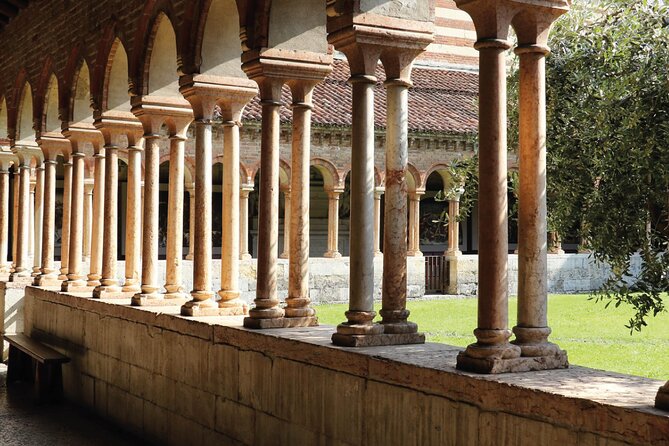
Ponte Garibaldi is one of Verona’s seven bridges and takes about 10 minutes on the suggested route. The guide includes a story about a special trick once used to cross the bridge, giving the stop a small human detail rather than just another piece of architecture.
This is the kind of information that works well in an audio tour. You can stand at the bridge, look at the river and surrounding buildings, and hear a short story without having to gather around a guide or keep pace with a group.
The bridge is also a practical point for adjusting your route. If you have already spent too long at Castelvecchio, you can keep this stop brief. If you are taking photographs or want to reread the explanation, nothing is pushing you onward.
The church stop and the option to add more
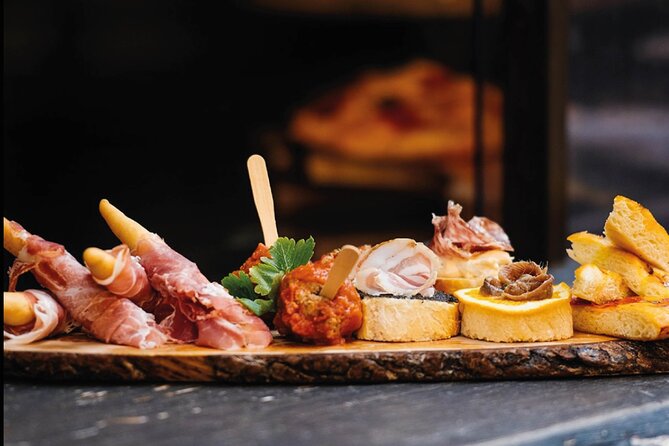
The route includes a major church with notable paintings, though the supplied details do not identify it by name. This is worth keeping in mind when planning your time. The church segment is an added cultural stop, not simply a walk between the better-known squares.
The guide also allows you to extend the outing to other churches. That option appealed to me because Verona’s religious buildings can reward a slower visit, especially if you enjoy paintings and interiors. At the same time, you should not assume that every church entry is included in the $7.86 price. The digital guide covers the route, while paid admissions and any donations remain separate.
Ponte Pietra and the view toward St. Peter’s Hill
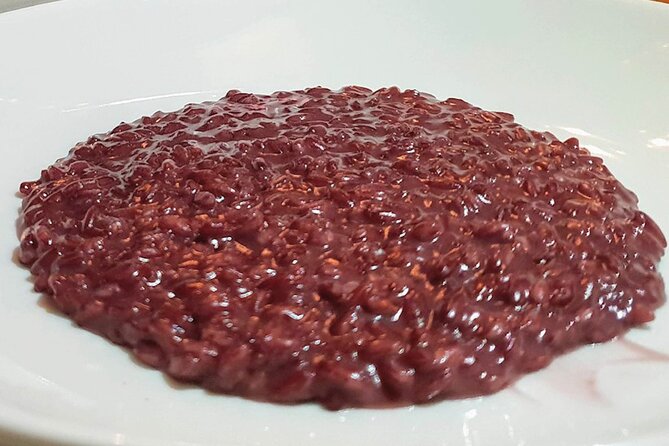
Ponte Pietra is a short stop, listed at about 10 minutes. It is a Roman bridge with a view toward St. Peter’s Hill, and it gives the walk a welcome change from central streets and formal piazzas.
The bridge has been rebuilt and altered over the centuries, but the important point for you is the sense of continuity. Verona’s Roman foundations are not confined to a museum. They appear in the route itself, beneath and beside the modern city.
This is also a good place to pause the guide and simply look around. The walking route gives you structure, but it does not require you to treat each stop like a timed appointment.
Piazza dei Signori, Verona’s elegant living room
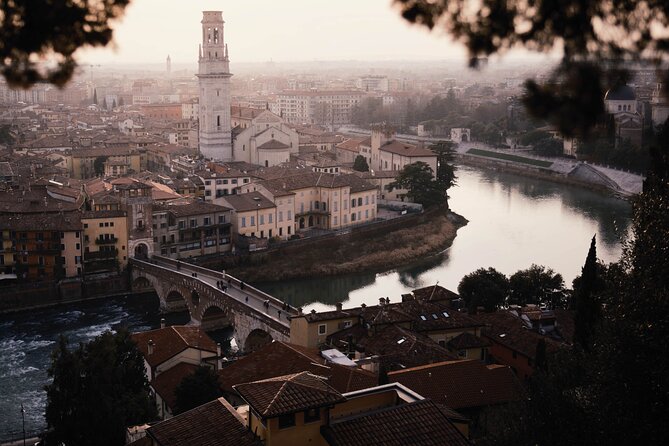
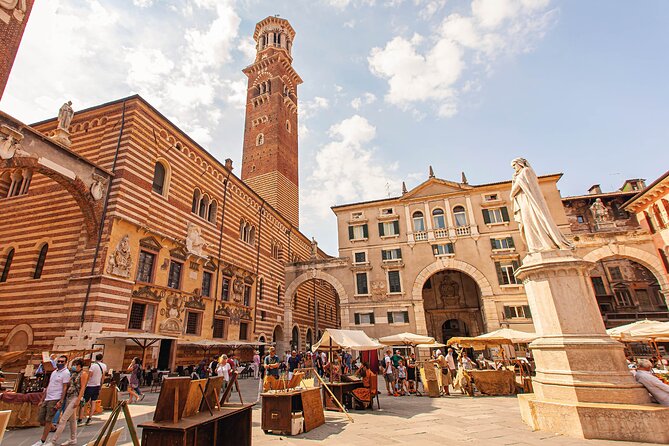
Piazza dei Signori is one of the most beautiful squares on the route. It is often called Verona’s drawing room because of the buildings and perspectives surrounding it. The suggested stop lasts about 10 minutes, but the square deserves a little extra time if you want to study the architecture or take photographs.
The audio and written material help connect the buildings to Verona’s political past. Without that context, the square can seem like a handsome open space. With it, you begin to see how the city’s public life was organized around these carefully shaped rooms.
The self-guided setup works especially well here. You can listen once, reread the text, and then look up at the buildings instead of trying to watch a guide and take in the square at the same time.
Torre dei Lamberti and the high view
Another stop takes you to the city’s tallest building, Torre dei Lamberti, which reaches 84 meters. The view from the top is described as excellent, but entry is not included in the digital guide. You should treat this as an optional paid addition rather than part of the basic walking price.
The tower gives you a chance to see how compact Verona’s historic center is. After walking through its streets and squares, a high view can help you connect the route on a larger scale.
You may want to check the tower’s current entry conditions separately before deciding to go up. The experience includes the stop and the explanation, not the admission ticket.
Piazza delle Erbe and the Roman Forum below
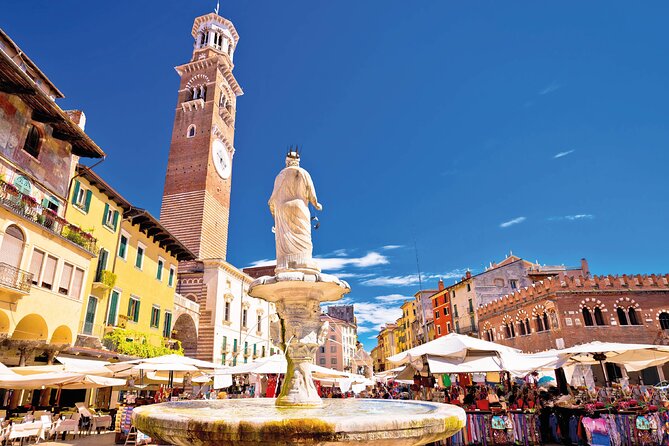
Piazza delle Erbe is the oldest square in Verona and occupies the site of the Roman Forum. The route gives it about 20 minutes, making it one of the longer stops.
This is a natural place to slow down. The square combines Roman foundations, medieval buildings, later decorative details, market activity, and the everyday movement of central Verona. The guide promises several curiosities here, which helps you read the square as more than a place to pass through on the way to Juliet’s house.
I would use the written version if the square is noisy. One useful feature of this guide is that the content is available as text as well as audio, so you are not forced to depend on a recording in a crowded public space.
Casa di Giulietta and the balcony seen from outside
Casa di Giulietta is one of Verona’s most famous addresses. The route allows about 20 minutes, and the well-known balcony can be seen from outside without paying admission.
The guide adds a less familiar story behind the house, which is useful because the Juliet connection is wrapped in centuries of tourism and storytelling. You get the famous image, but also some context about how the site became part of Verona’s public identity.
If you want to enter the house, access is separate from the free exterior view. The basic tour does not include museum admission. That distinction matters because the $7.86 price covers the digital walking guide, not every monument along the way.
This stop can become crowded, so the self-guided format gives you a practical advantage. You can arrive early or wait until the area feels less hectic, then start the relevant section when you are ready.
The Arena di Verona: a strong finish
The walk finishes back at the Arena di Verona, the Roman amphitheater in Piazza Bra. The guide closes with stories and legends connected with its construction.
Ending here gives the route a satisfying shape. You begin with Verona’s medieval defenses, move through Roman gates, bridges, churches, squares, and the Juliet tradition, then finish at the city’s most recognizable ancient monument.
The Arena is also a useful place to stop the tour and decide what to do next. You can take photographs, continue exploring independently, or check separately whether you want to enter. The digital guide does not include admission to the Arena.
How the phone-based guide works in real use
You need a smartphone with internet access. The activation details are supplied with your booking voucher, so read them before you arrive rather than waiting until you are standing at the first stop.
The guide runs through a browser, not a separate app. You can hear the audio through your phone’s speaker or your own headphones, and you can read the text in five languages: English, Spanish, Italian, German, and French.
I would prepare in three simple ways:
- Charge your phone fully before starting.
- Bring headphones if you prefer private listening.
- Save the access instructions and keep the voucher easy to find.
There have been occasional problems with links or audio loading. Refreshing the page can solve the issue, and Matteo has responded quickly to access questions through WhatsApp in several cases. Still, you should not treat the technology as foolproof. Mobile connection problems can slow Google Maps links, and one person reported ending the walk after the phone battery ran out.
The audio pronunciation of Italian names may also sound artificial to some listeners. The written content gives you a useful fallback, though the page may stop playing if your phone screen turns off. Keep the text available and use power-saving habits that do not close the browser.
What the $7.86 price really buys you
At $7.86, this is priced more like a digital orientation than a full private tour. That is good value if you mainly want a route, short explanations, and the freedom to build your own day.
The price is especially attractive for solo visitors, couples, and families who do not want to join a fixed group. You can pause for lunch, enter Castelvecchio, spend longer at the Arena, or skip a stop without paying for a guide to wait.
You are not paying for live conversation, personal recommendations at every corner, or entry to Verona’s museums and monuments. The information at some stops is brief, and the audio voice will not suit everyone. Think of the product as a low-cost framework for seeing Verona, not a replacement for a private historian.
The route can also save you time on a short visit. One person completed the core walk in a few hours, while another stretched it to around five hours by adding lunch, gelato, and interior visits. That range shows how much control you have.
Who should choose this Verona walk?
I would choose this experience if you like exploring independently but still want a sensible order and background information. It is a strong fit for a first day in Verona because the route helps you get your bearings quickly.
It also suits you if fixed tour times do not fit your schedule, or if you prefer to stop the explanation and take photographs without holding up a group. Families may appreciate the ability to shorten a stop, while independent visitors can extend the walk to churches, the museum, or food stops.
I would think twice if you dislike troubleshooting phone links, have limited mobile data, or want a live guide who can answer questions on the spot. You should also bring a backup plan for navigation and battery power.
Cancellation is free if you cancel at least 24 hours before the local start time. Inside that window, the price is not refunded.
Should you book the Walking Cap guide?
Book it if you want an inexpensive, flexible introduction to Verona and are comfortable using your own phone. The best parts are the clear route, the ability to read as well as listen, the five language choices, and the freedom to turn a two-hour walk into a longer day.
Skip it if you expect a polished live performance, detailed commentary at every monument, or included admission tickets. For most independent visitors, though, $7.86 is a reasonable price for a well-planned circuit linking Castelvecchio Bridge, Roman Verona, Piazza delle Erbe, Juliet’s house, and the Arena. Charge your phone, read the activation instructions, and let your own curiosity set the pace.
FAQ
Where does the Verona walking tour start and finish?
It starts and finishes at the Arena di Verona, at Piazza Bra 1 in Verona.
How long does the walking tour take?
The stated duration is approximately two to three hours. You can take longer if you stop for lunch, visit museums or churches, enter monuments, or spend extra time at the main sights.
Is the tour led by a live guide?
No. It is a self-guided digital experience created by Matteo of Walking Cap. You follow the route using your smartphone, written information, audio commentary, and map links.
What languages are available?
The audio guide and written content are available in English, Spanish, Italian, German, and French.
Do I need a smartphone and internet connection?
Yes. You need a smartphone with internet access to activate and use the digital guide. You can listen through your phone’s speaker or use your own headphones.
Are entrance tickets included?
No. The route includes access to the Castelvecchio courtyard and garden and the exterior view of Juliet’s balcony without admission charges. Museum, tower, church, Arena, and other paid entries are not included.
Just added around Italy
- Genoa Historic Centre Quest: A Self-Guided Puzzle Adventure★ 4.0 · 3 reviews
- Genova Walking Tour with Audio and Written Guide by a Local★ 4.5 · 33 reviews
- Self-Drive (No Licence) Boat Rental in Portofino Gulf★ 5.0 · 12 reviews
- Finance and Nobility: Explore medieval Genoa on a self-guided audio tour★ 4.5 · 7 reviews
- Florence: Uffizi Gallery Reserved Ticket & Digital Audio Guide★ 4.5 · 3 reviews
- Around Florence Hills: App‑Guided e‑Vespa Tour + Wine&Food★ 4.5 · 22 reviews
- Florence: Uffizi Gallery Audio Guided Tour led by Tour Leader★ 3.5 · 6 reviews
- Uffizi Gallery: Self-guided App Visit & Optional Accademia Museum★ 4.0 · 19 reviews
Italy Audio Tours, compared.
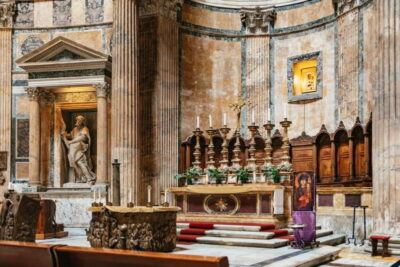
Rome: Pantheon Fast-Track Ticket and Official Audioguide
Read our review →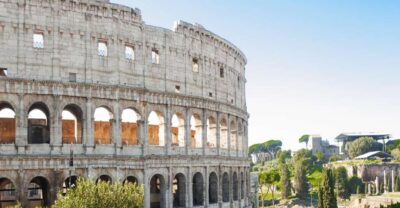
Rome: Colosseum & Forum with Audio Guide App -Optional Arena
Read our review →
Venice: Grand Canal Gondola Ride with App Commentary
Read our review →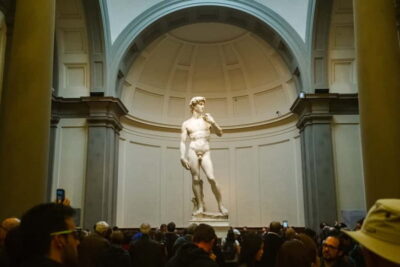
Florence: Timed Entry to Michelangelo’s David + Audio App
Read our review →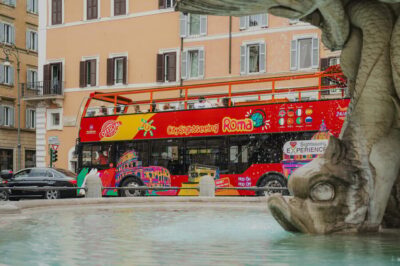
Rome: City Sightseeing Hop-on Hop-off Bus with Audioguide
Read our review →
Venice: La Fenice Opera House Entry Ticket with Audio Guide
Read our review →
Rome: Colosseum, Forum, Palatine Hill Entry & Audioguide App
Read our review →Browse the lists this tour appears in