
REVIEW · COPENHAGEN AUDIO TOURS
The Philosopher’s Last Walk: An audio tour on the life of Søren Kierkegaard
Søren Kierkegaard’s life comes into focus as you walk through the Copenhagen streets he knew. This one-hour to 75-minute route links his family home with churches, the University, the lakes, and his burial place, giving philosophy a physical setting instead of leaving it on a bookshelf.
I like the witty, well-written narration, which brings in both Kierkegaard and 19th-century Copenhagen. I also like the freedom of a GPS-guided walk: you can pause, look around, and continue without keeping up with a group.
The main drawback is simple: this is an audio tour, not a conversation with a guide. You need your own smartphone and headphones, and the experience will suit you best if you enjoy walking and listening at the same time.
Key Points to Know Before You Go

- A biographical route through central Copenhagen: The walk connects Kierkegaard’s family home, the church, Rundetårn, Copenhagen University, the Cathedral, the lakes, and Assistens Cemetery.
- A strong introduction for newcomers: The narration is designed to explain Kierkegaard’s life clearly, even if you know his name but little else.
- English audio through VoiceMap: Download the app for Android or iOS, then use the tour with offline audio, maps, and geodata.
- A quiet final stop: The route ends at Søren Kierkegaard’s gravesite in Assistens Cemetery.
- Good value for independent walkers: At $9.99 per person, you get lifetime access rather than a single scheduled departure.
- Plan for your own equipment: A smartphone and headphones are not included, and neither are food, drinks, transport, or admission fees.
Why This Kierkegaard Walk Works
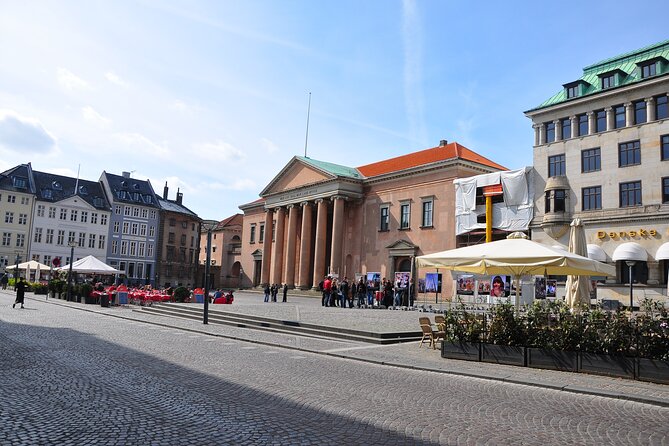
Many city tours focus on grand buildings and famous rulers. This one takes a more personal route. You follow the places connected with Søren Kierkegaard, then finish where he was buried. That structure gives the hour a clear purpose: it is not just a stroll through Copenhagen, but a guided attempt to connect a thinker with the city around him.
You do not need to be a philosophy student. The tour is an introduction to Kierkegaard and to Copenhagen during the 19th century. The narration has been described as informative, witty, and well delivered, which matters here. Heavy philosophical material can turn a walk into homework, while a dry voice can make even an interesting subject hard to follow.
I would treat this as a compact orientation to Kierkegaard rather than a complete study of his work. The route gives you a useful starting point, places his life in a real urban setting, and may leave you curious to read more.
The format also changes the mood. With a live guide, your attention moves between the speaker, the group, and the street. With VoiceMap, you can stop the narration, take a photograph, check a building, or simply pause for a moment. You control the pace. That is especially useful in a city where you may want to combine the walk with other plans.
More Audio Tours in Copenhagen:
- Copenhagen: Hop-On Hop-Off Bus Tour with Audio Guide
★ 4.2 · 100 reviews - From Copenhagen: Malmö Self-Guided Tour w/ Transport Tickets
★ 4.5 · 55 reviews - Copenhagen Little Mermaid Exploration Game and Self-Guided Tour
★ 4.0 · 36 reviews
Starting at Kierkegaard’s Family Home
The tour begins at Nytorv 2, 1450 København. Starting at Kierkegaard’s family house gives the route a personal anchor from the first minute. Instead of meeting at a generic square and hearing a broad introduction to Copenhagen, you begin with the place tied directly to the philosopher’s family life.
The starting point is in central Copenhagen and near public transportation. That makes it practical to reach before a morning of sightseeing or after time spent in the city center. The supplied directions are intended to guide you to the correct place, and the GPS tour begins when you arrive at the starting point.
Give yourself a few minutes to get there and prepare the app. Make sure your phone has enough battery, and download the audio and map data before setting out if possible. Offline access is included, so you do not need to depend on a constant mobile connection during the walk.
This opening should appeal to you if you like biographies that begin with ordinary surroundings. A family home can say something different from a statue or museum display. It places the subject inside a neighborhood and makes the rest of the route feel connected to a life rather than a list of landmarks.
Churches, Rundetårn, and the University
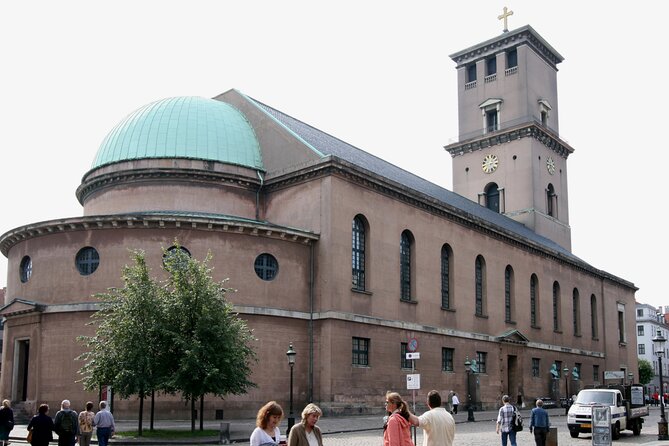
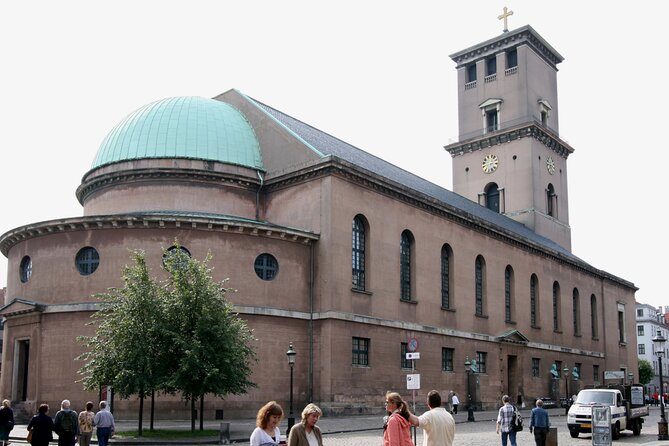
From the family home, the route passes a church, Rundetårn, and Copenhagen University. These stops broaden the story beyond Kierkegaard’s private life. You get a sense of the religious and intellectual setting that shaped Copenhagen in his time.
Rundetårn is one of the city’s most recognizable landmarks, so it also gives you a strong visual marker during the walk. The tour does not list an admission visit, and admission fees are not included. Think of this as a passing viewpoint within the route, not a promise of entry inside every building.
The University adds another layer. A philosopher’s life is easier to understand when you can place it near the institutions and streets associated with learning. The audio can help connect the city’s academic world with Kierkegaard’s work, while the walk keeps the subject from feeling too abstract.
The church is important for the same reason. Kierkegaard’s story cannot be separated from religious questions, and a church stop gives the narration a natural setting for that part of his life. You should not expect a formal church tour or guaranteed interior access. The itinerary says the walk passes by the church, so plan to view it from the route unless the audio indicates otherwise.
These stops also make the walk feel like a city tour with a clear theme. You are not simply walking from one address to another. You are moving through religious, academic, and civic spaces that help explain the world in which Kierkegaard lived.
The Cathedral and the Walk Across the Bridge
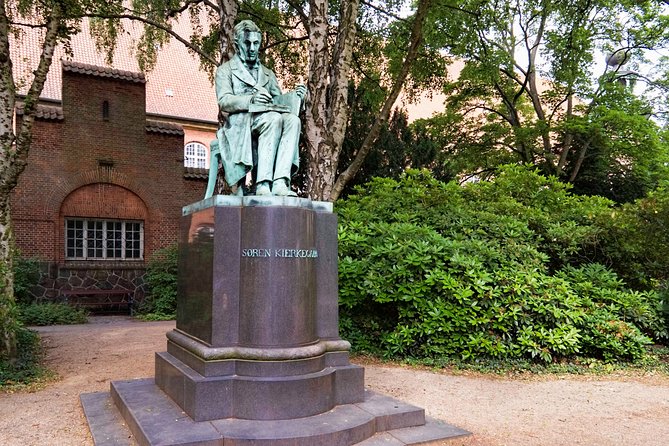
The route continues past Copenhagen’s Cathedral and then goes along a bridge. These are short but useful transitions. The Cathedral brings the religious thread back into view, while the bridge changes the rhythm of the walk and links different parts of the city.
I like this kind of route design because it prevents a biography walk from becoming a series of indoor-sounding talking points. You keep moving through actual public spaces. The change from streets to a bridge gives you a natural pause and a different view of Copenhagen.
At the same time, you should keep your expectations realistic. The information provided does not promise special access, reserved entry, or a live explanation at each location. The value comes from the audio’s interpretation and from seeing the places in sequence.
This section may work particularly well for someone new to Kierkegaard. You can listen to the explanation, then look at the surroundings that give it context. If you prefer long stops with detailed architectural commentary, you may find the pace more limited. The tour lasts about one hour to one hour and 15 minutes, so it is built as a focused walk rather than a full-day historical program.
Same place, a different route to walk:
- Half Day Self-Guided Audio Walking Private Tour in Copenhagen
★ 5.0 · 21 reviews - Monstour: A Self-Guided Audio Tour of Danish Folk Legends
★ 4.5 · 19 reviews - Copenhagen Self-Guided Murder Mystery Tour by the Round Tower
★ 4.0 · 11 reviews - Copenhagen Christiania: Hidden Stories Self-Guided Adventure
★ 5.0 · 8 reviews
Along the Lakes Toward Assistens Cemetery
After the bridge, the route passes the lakes. This section gives the walk some breathing room after the central streets and major landmarks. The lakes are part of the route’s movement toward Assistens Cemetery, where the experience takes a quieter turn.
The audio format is useful here because the route can continue without a group needing to gather around a guide. You can listen while walking, pause when you need to, and keep the narration at a comfortable speed. The GPS design is intended to provide directions as you go, though you should still pay attention to your surroundings and phone battery.
The lakes also help mark the shift from public institutions to a more reflective ending. The tour is called The Philosopher’s Last Walk, and the approach to the cemetery gives that title a clear shape. The walk is not only about where Kierkegaard studied or worshipped. It also follows the path toward his final resting place.
Because the route is self-guided, the mood will depend partly on how you use it. I would avoid cramming this into a rushed schedule. The cost is low, and the audio is available for life, so you can allow yourself time to stop without worrying about holding up other people.
Ending at Kierkegaard’s Grave in Assistens Cemetery
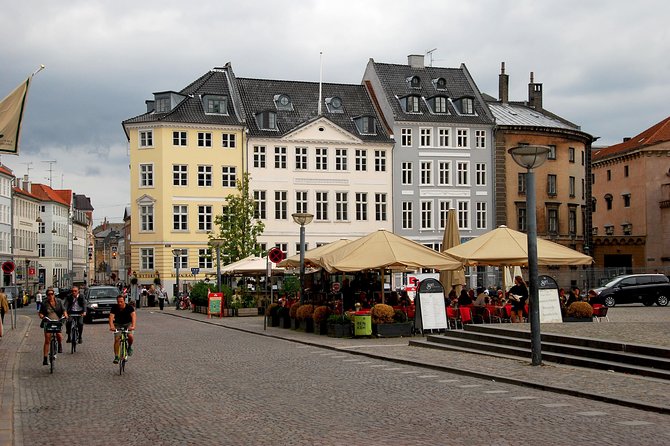
The tour ends at Søren Kierkegaard’s burial place at Kapelvej 2, 2200 København. Finishing at the gravesite gives the route an emotional and practical endpoint. You begin with his family home and end with the place where his life is commemorated.
Assistens Cemetery is not simply another address on the route. It changes the tone. After the churches, tower, University, Cathedral, bridge, and lakes, the final stop asks you to slow down and consider the person behind the ideas.
The ending also suits visitors who prefer a tour with a destination. Some audio walks feel open-ended, with a final landmark that has little connection to the subject. Here, the gravesite completes the biography. You can finish the audio there and decide whether to continue exploring or make your way elsewhere.
The listed end point is specific, which is helpful for planning. You can arrange your next activity from that location rather than guessing where the recording will finish. Still, the tour does not include transportation after the cemetery, so plan your onward route separately.
What $9.99 Buys You
At $9.99 per person, this is inexpensive for an English-language city walk with lifetime access. You are not paying only for a single hour on one particular day. You receive the VoiceMap tour for Android or iOS, along with offline audio, maps, and geodata that you can use at your own pace.
That lifetime access matters if your schedule changes or you want to repeat part of the route. It also makes the tour easier to fit around museum visits, meals, or weather. You are not tied to a departure time, and the experience is private to your group rather than shared with a larger walking party.
The price does not cover everything. You need to supply a smartphone and headphones. Transportation, food, drinks, and any admission fees are also your responsibility. Since the route passes attractions rather than promising entry, do not assume that the $9.99 includes access to the church, Rundetårn, Cathedral, or any other site.
For me, the value is strongest if you want a short, independent introduction to Kierkegaard. If you need a personal guide who can answer questions, adapt the route, or explain architecture at length, a self-guided audio tour may not be enough. If you want a low-cost way to add a thoughtful walk to your Copenhagen plans, the price is fair.
Who Should Choose This Audio Tour
I would recommend it to you if you fit one or more of these descriptions:
- You know Kierkegaard’s name but want a clear introduction to his life.
- You enjoy biography, philosophy, or religious history presented through real places.
- You prefer walking alone or with your own group.
- You want an English tour that does not require a fixed departure time.
- You like controlling the pace and stopping when something catches your eye.
- You want to finish at a meaningful location rather than a generic meeting point.
You may want another format if you dislike listening through headphones, need frequent interaction, or prefer a guide who can respond to questions. The tour is also not designed as a broad Copenhagen sightseeing program. Its landmarks support Kierkegaard’s story, so choose it for the subject first and the city views second.
The private format deserves a small clarification. Only your group participates, but the experience remains self-guided through the VoiceMap app. That means privacy without a live host. For some people, that is the best of both worlds. For others, it will feel less personal than a traditional walking tour.
Booking, Timing, and Cancellation
The experience is listed as available every day, around the clock, from July 23, 2020, through February 16, 2027. You still need to choose a practical time for walking, since the route takes about one hour to one hour and 15 minutes and ends outdoors at Assistens Cemetery.
Confirmation is provided when you book. Free cancellation is available if you cancel at least 24 hours before the local start time. A cancellation within 24 hours is not refundable, and changes made inside that period are not accepted.
The route is near public transportation, and most people can participate. Bring a charged smartphone and headphones, and consider downloading the tour before you begin. Those small preparations make the self-guided format much easier.
Is The Philosopher’s Last Walk Worth Booking?
Book this tour if you want an affordable, focused introduction to Søren Kierkegaard that connects his life with Copenhagen streets. The strongest features are the clear English narration, the witty tone, the flexible GPS format, and the thoughtful ending at his gravesite.
Skip it if you want a live guide, extensive building access, or a broad survey of Copenhagen. At $9.99, it offers good value for an independent walker who likes ideas tied to place. Give it an unhurried hour, bring your own headphones, and let the route turn a difficult philosopher into a person who once walked these same city streets.
FAQ
How long does The Philosopher’s Last Walk take?
The audio tour takes approximately one hour to one hour and 15 minutes.
What language is the tour offered in?
The tour is offered in English.
Where does the tour start?
It starts at Nytorv 2, 1450 København, Denmark, by Søren Kierkegaard’s family house.
Where does the tour end?
It ends at Søren Kierkegaard’s gravesite at Kapelvej 2, 2200 København, Denmark.
Which places does the route pass?
The route passes a church, Rundetårn, Copenhagen University, the Cathedral, a bridge, and the lakes before entering Assistens Cemetery.
Do I need a smartphone and headphones?
Yes. A smartphone and headphones are not included, so you need to provide your own.
Can I use the tour without an internet connection?
Yes. Offline access to the audio, maps, and geodata is included through the VoiceMap app.
Can I cancel for a full refund?
Yes, if you cancel at least 24 hours before the experience start time. Cancellations within 24 hours are not refunded.
Just added around Copenhagen
- Monstour: A Self-Guided Audio Tour of Danish Folk Legends★ 4.5 · 19 reviews
- Copenhagen Christiania: Hidden Stories Self-Guided Adventure★ 5.0 · 8 reviews
- Self-guided Treasure Hunt Tour in Copenhagen – Build a Spaceship★ 5.0 · 5 reviews
- Danish Design Classic and Modern Style Self-Guided Audio Tour★ 5.0 · 3 reviews
- Copenhagen’s Royal History: A Self-Guided Walking Tour★ 4.5 · 7 reviews
- Copenhagen Scavenger Hunt and Highlights Self Guided Audio Tour★ 4.5 · 3 reviews
- Copenhagen: Self Guided Scavenger Hunt and Tour★ 4.0 · 3 reviews
- Explore Copenhagen: Self-Guided Audio Tour★ 4.0 · 8 reviews
Copenhagen Audio Tours, compared.
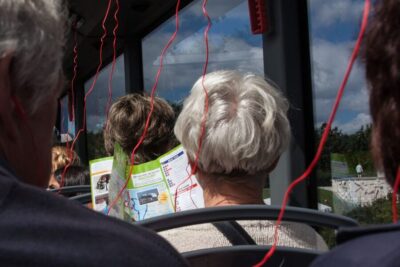
Copenhagen: Hop-On Hop-Off Bus Tour with Audio Guide
Read our review →
From Copenhagen: Malmö Self-Guided Tour w/ Transport Tickets
Read our review →
Copenhagen Little Mermaid Exploration Game and Self-Guided Tour
Read our review →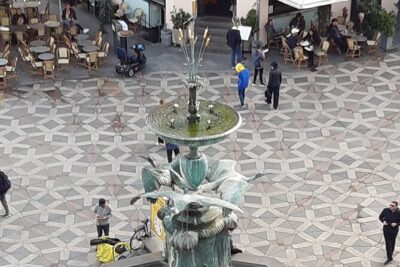
Half Day Self-Guided Audio Walking Private Tour in Copenhagen
Read our review →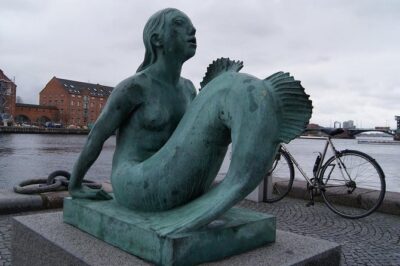
Monstour: A Self-Guided Audio Tour of Danish Folk Legends
Read our review →
Copenhagen Self-Guided Murder Mystery Tour by the Round Tower
Read our review →

Copenhagen Christiania: Hidden Stories Self-Guided Adventure
Read our review →Browse the lists this tour appears in