
REVIEW · COPENHAGEN AUDIO TOURS
Danish Design Classic and Modern Style Self-Guided Audio Tour
Copenhagen’s design story begins with Arne Jacobsen’s SAS Royal Hotel and ends at Designmuseum Danmark, linking modern Danish furniture with churches, palaces, museums, and even Viking jewelry. The route helps you see the city as a long design project, not simply a collection of pretty buildings.
I like the precise GPS guidance and the freedom to pause whenever you want. I also like the lifetime access, which makes the $11.99 price easy to justify if you want to revisit a section later. The main drawback is timing: 17 listed points in about 70 minutes makes this a brisk walking route, so you will need to keep moving or accept that some stops are mainly for listening from outside.
Key points to know before you go
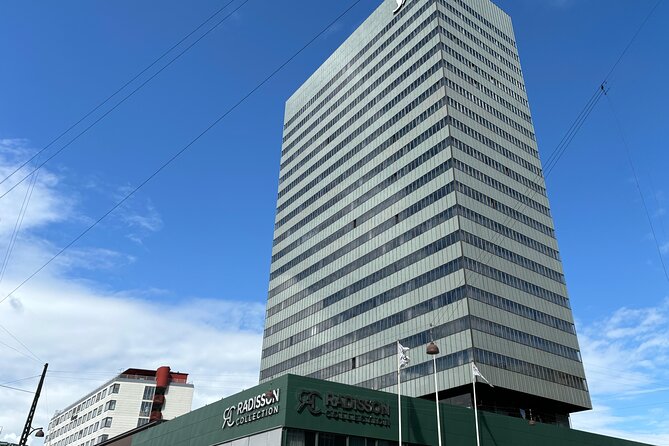
- Start with Arne Jacobsen: Begin at the former SAS Royal Hotel, now the Radisson Collection Royal Hotel, an important early example of modern Danish design.
- Cover centuries in one route: The commentary connects Viking metalwork, Rococo churches, Neo-Baroque theaters, Art Nouveau, and 20th-century furniture.
- Use your own pace: The private GPS format lets you stop, pause, and continue without waiting for a guide or group.
- Expect a city walk, not a museum tour: Several stops are exterior sights, and admission fees are not included.
- Rely on offline tools: VoiceMap provides the audio, map, and geodata for use without an internet connection.
- Finish at Designmuseum Danmark: The final stop gives you a useful place to continue exploring Danish and international design indoors.
Why this route makes Copenhagen easier to read
A design tour can easily turn into a parade of famous chairs. This one takes a broader view. It shows how Copenhagen’s look changed through religion, royal taste, national pride, public buildings, and practical modern furniture.
That wider frame is the route’s main strength. You begin with Jacobsen’s clean, functional style, then encounter older ideas that shaped Danish visual culture. Viking jewelry becomes an early example of careful craftsmanship. The Marble Church brings in Rococo grandeur. City Hall shows National Romantic style, the Scandinavian answer to Art Nouveau. By the end, Danish design feels less like a modern marketing label and more like a long conversation between old and new.
The audio format suits this subject well. You do not need to keep your eyes on a guide or read a long page while walking. The GPS begins the tour when you reach the starting area and directs you from point to point. You can pause the narration for a photograph, stop for coffee, or spend more time at a building that catches your eye.
The route is private, so only your group participates. That matters if you dislike fixed group pacing. It also means you will not hear questions from other people or receive a live guide’s spontaneous adjustments, so the experience depends on your phone, headphones, and willingness to follow the route.
More Audio Tours in Copenhagen:
- Copenhagen: Hop-On Hop-Off Bus Tour with Audio Guide
★ 4.2 · 100 reviews - From Copenhagen: Malmö Self-Guided Tour w/ Transport Tickets
★ 4.5 · 55 reviews - Copenhagen Little Mermaid Exploration Game and Self-Guided Tour
★ 4.0 · 36 reviews
Starting at the SAS Royal Hotel
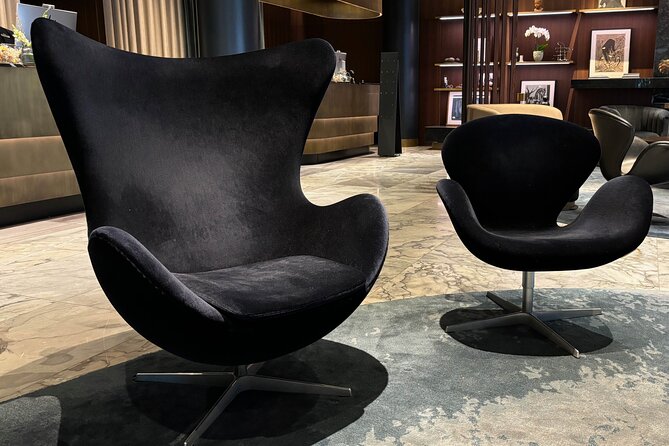
The tour begins at Hammerichsgade 1, at the Radisson Collection Royal Hotel, formerly Arne Jacobsen’s SAS Royal Hotel. Completed in 1958, it is the clearest modern starting point for a tour about Danish design.
Jacobsen is presented as one of the people who shaped the Danish style now associated with smooth lines, practical forms, and organic curves. The building gives you a useful setting for those ideas before you encounter earlier periods elsewhere in the city.
This is not just a hotel name used as a meeting point. It is one of the tour’s most relevant sights. You can begin by considering how a single architect approached a complete environment, rather than designing one object in isolation.
The route takes about 70 minutes, so this opening stop should not become a long hotel visit. The useful point is the design context. If you want to explore the building in detail, you will need to allow extra time beyond the audio route.
Tivoli Gardens and the city’s playful side
Tivoli Gardens brings a different kind of design into the story. Its elaborate Neoclassical stone entrance and long-running amusement park setting show how public entertainment can be shaped by architecture.
Tivoli opened in 1843 and has continued operating ever since. That fact gives the stop real historical weight, but the tour’s purpose is not to provide a full park visit. Think of this as a quick look at how an entrance and public setting create a sense of occasion.
You may want to pause here if you are interested in the contrast between formal European architecture and the more playful world behind the gate. Admission to attractions is not included, and the tour does not promise time inside Tivoli, so treat it as a sightseeing stop unless you choose to extend your visit separately.
Glyptotek and the appeal of the winter garden
The Glyptotek focuses on art from before the 20th century and was built around the personal collection of Carl Jacobsen, son of the founder of the Carlsberg brewery. The museum is especially appealing as a building experience because it includes a winter garden and café.
That combination gives you a place to slow down after the faster parts of the route. The design theme here is not limited to furniture. It includes the way a museum organizes art, light, plants, and rest into one setting.
The route can point you toward the museum’s significance, but admission is not included. If you plan to go inside, check the time available before you start. With so many stops packed into 70 minutes, a full museum visit belongs on a separate schedule.
Same place, a different route to walk:
- Half Day Self-Guided Audio Walking Private Tour in Copenhagen
★ 5.0 · 21 reviews - Monstour: A Self-Guided Audio Tour of Danish Folk Legends
★ 4.5 · 19 reviews - Copenhagen Self-Guided Murder Mystery Tour by the Round Tower
★ 4.0 · 11 reviews - Copenhagen Christiania: Hidden Stories Self-Guided Adventure
★ 5.0 · 8 reviews
Viking craft at the National Museum
The Danish National Museum provides one of the route’s most useful historical links. Its Viking artifacts, including finely made gold jewelry, are treated as early examples of Danish design.
This is an important idea because modern Danish design did not appear from nowhere. Careful workmanship, useful objects, and attention to form have much older roots. The stop encourages you to connect contemporary furniture with the quality of older craft.
The building itself is described as less impressive than what it holds inside. That is practical advice for your expectations. If you are mainly interested in the design story, listen for the connection to Viking objects. If you want to see those artifacts directly, admission and extra time are separate from the audio tour.
The Marble Church and Rococo ambition
Frederik’s Church, commonly called the Marble Church, introduces Rococo style. Its design was based on St. Peter’s Basilica in Rome, giving Copenhagen a grand religious building with a clear Italian reference.
The church adds scale and ceremony to the route. After the practical modern lines associated with Jacobsen, the Marble Church shows a period when design could be deliberately ornate and monumental.
This stop also helps you understand that Danish design is not one fixed look. The route moves between restraint and decoration, local identity and outside influence. You can appreciate the church from the exterior without entering, which helps keep the walk moving.
Public buildings that tell a national story
Copenhagen City Hall was finished in 1905 and is an excellent example of National Romantic style, the Scandinavian version of Art Nouveau. Its inclusion gives the tour a civic angle. Design here is not merely about private homes or household objects. It also expresses how a country wants its public buildings to feel.
The City Hall stop works best if you pay attention to the idea of national identity. A building can be practical, decorative, and political at the same time. This is one reason the tour is more useful than a simple list of famous Danish designers.
The route also includes Christiansborg Palace, home of the Danish Parliament, the Folketing, and a setting for state dinners. You get a look at the continuing role of royal and governmental architecture in Copenhagen. Like other exterior-focused points, it may be more of a narrated orientation than a full palace visit.
The Royal Danish Theater and Alexander Nevsky Church
The Royal Danish Theater is a Neo-Baroque building now used mostly for the Royal Danish Ballet. The commentary also notes that it is hardly ever full, an unusually practical observation in a design-focused tour. It gives the building a sense of present-day use rather than treating it as a frozen monument.
The theater offers another comparison of style and function. Its decorative approach differs from Jacobsen’s spare modernism, yet it serves a very practical purpose: presenting performance to the public.
Nearby, the Alexander Nevsky Church brings a sharp change in appearance. It has a patterned façade and golden towers and is the only Russian Orthodox church in Copenhagen. This is a short but worthwhile reminder that the city’s design story includes international religious traditions, not only Danish ones.
Kongens Nytorv, Nyhavn, and central Copenhagen
Kongens Nytorv, or King’s Square, is one of Copenhagen’s major hubs. It works as a useful orientation point because the route moves through several important central areas rather than keeping you in one museum district.
Nyhavn is the familiar 17th-century waterfront lined with brightly colored buildings. It stretches from Kongens Nytorv toward the harbor near the Royal Playhouse. The canal and entertainment district is one of the most recognizable parts of Copenhagen, but the design tour gives you a reason to look beyond the postcard view.
Here, notice the relationship between old buildings, water, movement, and public life. The audio commentary can help you place Nyhavn within the larger story of Copenhagen’s changing urban style. It is also a natural place to pause, though doing so may make the 70-minute schedule less realistic.
Thorvaldsen’s Museum and changing taste
Thorvaldsen’s Museum represents a shift in artistic taste. Bertel Thorvaldsen was a Danish sculptor who went to Italy and learned to work in the Classical style. The museum’s place on the route shows how Danish artists once looked to ancient Greece and Rome for their models.
The stop becomes especially interesting when set beside the later modern design associated with Jacobsen. One period prized classical form and idealized figures. Another favored simple, practical objects suited to modern life.
The museum is a good symbol of change, but the tour cannot provide the same experience as walking through its rooms. If sculpture and classical art are a priority, plan extra time and check admission separately.
Charlottenborg, Nikolaj Square, and urban reinvention
Charlottenborg Palace began as a private mansion for a king’s brother and now houses the Royal Danish Academy of Fine Arts. Its changing use is as important as its architecture. Buildings in a city often outlive their original purpose, then gain new meaning through public, educational, or cultural use.
The route also passes the church near Nikolaj Square. The current building is a 1909 restoration of an older church that burned down. It was never used again as a church after the restoration, serving instead as a naval museum and a library before becoming a modern cultural venue.
That is a particularly good design lesson. Restoration is not always about returning a building to one past moment. Sometimes it preserves a shell while the city finds new uses for it.
The Odd Fellows Palace offers another change of function. It was associated with a Masonic Lodge for many years and is now mainly used for weddings and parties. You may not spend long at this stop, but it reinforces the route’s interest in how architecture adapts over time.
Finishing at Designmuseum Danmark
The tour ends at Designmuseum Danmark, at Bredgade 68. This is the most natural place to continue after the outdoor route because the museum covers Danish and international design and crafts.
The collection includes work by major Danish designers such as Arne Jacobsen, Jacob Jensen, and Kaare Klint. After hearing about buildings, styles, and public spaces, you can use the museum to focus on objects and furniture.
Admission is not included, so regard the museum as an optional final visit rather than part of the $11.99 package. The route ends here, which is convenient if you want to extend the theme indoors, but it also means you should check the museum’s current opening arrangements separately.
Is $11.99 good value?
At $11.99 per person, the tour is inexpensive compared with a private guided walk. You receive the VoiceMap application, offline audio, maps, geodata, GPS directions, and lifetime access. You are paying for a prepared route and narration, not transportation, food, museum tickets, or a live guide.
The value is strongest if you want structure but dislike a group. You can take the tour again, revisit a favorite section, or use it with different companions. Lifetime access also helps if your first walk becomes longer than planned because you stop at Nyhavn, Tivoli, or a museum.
The value is weaker if you want a slow architectural tour with long explanations at every building. Seventeen points in roughly 70 minutes is a lot. The audio gives you an overview, while your own extra time determines how much you see.
The technology received especially strong praise for precise geolocation and useful narration. That is important here because a GPS route can be frustrating if it triggers too early or sends you to the wrong corner. You still need a charged smartphone and headphones, both of which are your responsibility.
Who should book this Copenhagen design walk?
I would choose this tour if you like independent sightseeing, want background information while walking, and prefer not to follow a guide holding a flag. It suits solo visitors, couples, and families who want to stay together without matching another group’s pace.
It is also a good first orientation for anyone curious about Danish design but unsure which museums or buildings deserve more time. The route gives you enough context to decide what to revisit.
You may want a different format if you need a fully accessible itinerary, though most travelers can participate and service animals are allowed. You should also be comfortable walking between many central stops and managing the audio on your own.
Free cancellation is available up to 24 hours before the scheduled start time. Cancellations made within 24 hours are not refunded, and changes in that final period are not accepted.
Should you book it?
Book this tour if you want a low-cost, private introduction to Copenhagen’s design story and value freedom more than a live guide. The precise GPS system, offline access, and lifetime use make it practical, while the route’s range gives you more than a narrow furniture lecture.
Skip it if you want long museum visits, detailed interior access, or a slow walk with plenty of time at each stop. For most independent visitors, though, it is a smart way to connect Jacobsen’s modern furniture with the older buildings, public spaces, and craftsmanship that shaped Copenhagen before him.
FAQ
How long does the Danish Design Classic and Modern Style tour last?
The audio tour takes approximately 1 hour and 10 minutes.
Where does the tour start?
It starts at the Radisson Collection Royal Hotel, formerly Arne Jacobsen’s SAS Royal Hotel, at Hammerichsgade 1 in Copenhagen.
Where does the tour end?
The tour ends at Designmuseum Danmark at Bredgade 68.
Is this a guided group tour?
No. It is a private, self-guided GPS audio tour for your own group.
Does the tour include a live guide?
No live guide is included. The experience uses the VoiceMap application for audio, maps, and location guidance.
What do I need to bring?
You need a smartphone and headphones. They are not included.
Can I use the tour without internet access?
Yes. Offline access to the audio, maps, and geodata is included.
Are museum admission fees included?
No. Personal expenses and admission fees are not included.
Can I take the tour more than once?
Yes. The tour includes lifetime access, so you can take it again.
Can I cancel for a full refund?
Yes, if you cancel at least 24 hours before the experience start time. Cancellations made less than 24 hours before the start are not refunded.
Just added around Copenhagen
- The Philosopher’s Last Walk: An audio tour on the life of Søren Kierkegaard★ 4.5 · 5 reviews
- Monstour: A Self-Guided Audio Tour of Danish Folk Legends★ 4.5 · 19 reviews
- Copenhagen Christiania: Hidden Stories Self-Guided Adventure★ 5.0 · 8 reviews
- Self-guided Treasure Hunt Tour in Copenhagen – Build a Spaceship★ 5.0 · 5 reviews
- Copenhagen’s Royal History: A Self-Guided Walking Tour★ 4.5 · 7 reviews
- Copenhagen Scavenger Hunt and Highlights Self Guided Audio Tour★ 4.5 · 3 reviews
- Copenhagen: Self Guided Scavenger Hunt and Tour★ 4.0 · 3 reviews
- Explore Copenhagen: Self-Guided Audio Tour★ 4.0 · 8 reviews
Copenhagen Audio Tours, compared.
Copenhagen: Hop-On Hop-Off Bus Tour with Audio Guide
Read our review →
From Copenhagen: Malmö Self-Guided Tour w/ Transport Tickets
Read our review →
Copenhagen Little Mermaid Exploration Game and Self-Guided Tour
Read our review →
Half Day Self-Guided Audio Walking Private Tour in Copenhagen
Read our review →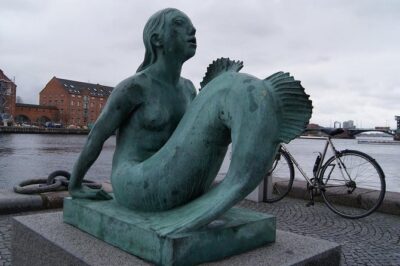
Monstour: A Self-Guided Audio Tour of Danish Folk Legends
Read our review →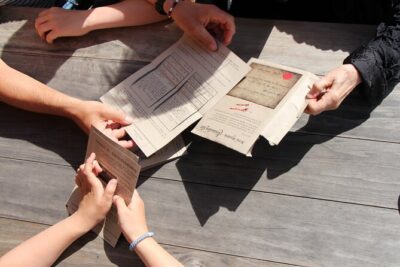
Copenhagen Self-Guided Murder Mystery Tour by the Round Tower
Read our review →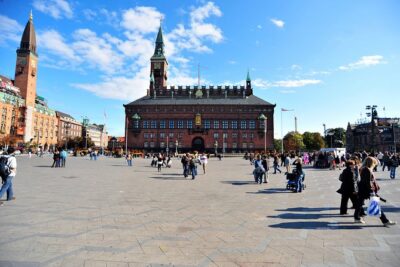
Copenhagen Christiania: Hidden Stories Self-Guided Adventure
Read our review →Browse the lists this tour appears in