
REVIEW · GREECE AUDIO TOURS
Santorini: Tomato Museum Admission Ticket with Audio Guide
Santorini’s famous cherry tomato gets a surprisingly engaging museum at the old D. Nomikos factory in Vlychada. You’ll see how island producers cultivated, processed, and canned this small, sweet tomato from the late 19th century onward. I like the hands-on industrial setting and the chance to taste the tomato itself, not just read about it.
I also like the self-guided format. You set the pace, and the audio guide lets you linger over machinery or move quickly through the three main areas. The drawback is transport: the museum is outside Fira, and the public bus connection runs only every two hours, so you’ll need to plan your return.
Key points
- A real former factory: Explore the D. Nomikos tomato-processing site in Vlychada, not a modern exhibit built without a working past.
- Three areas to explore: Follow the tomato from cultivation through processing and production with an audio guide.
- A local taste: Sample the sweet, cherry-sized Santorini tomato and compare its character with the standard tomatoes you know.
- Firsthand factory voices: Audiovisual material features former workers describing their industrial life.
- Easy family visit: The museum experience is described as playful and fairly quick, making it a practical stop with children.
- Useful shop stop: Buy products made with Santorini tomato before you leave.
Why Santorini Has a Tomato Museum
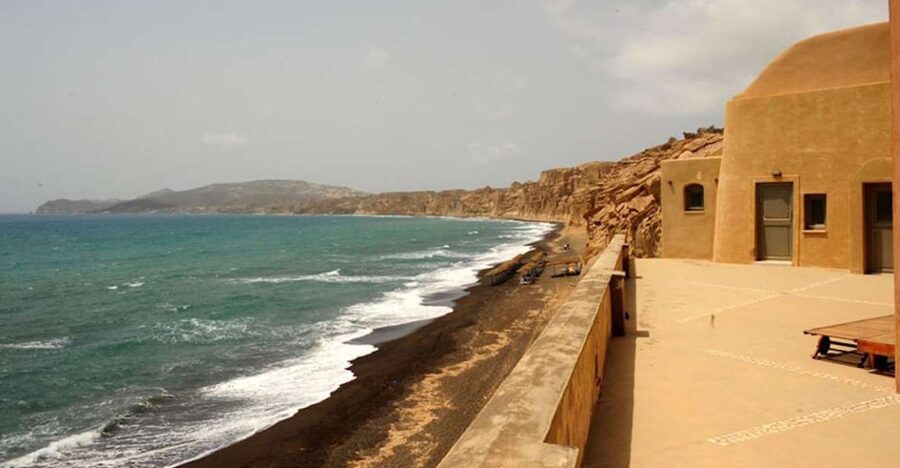
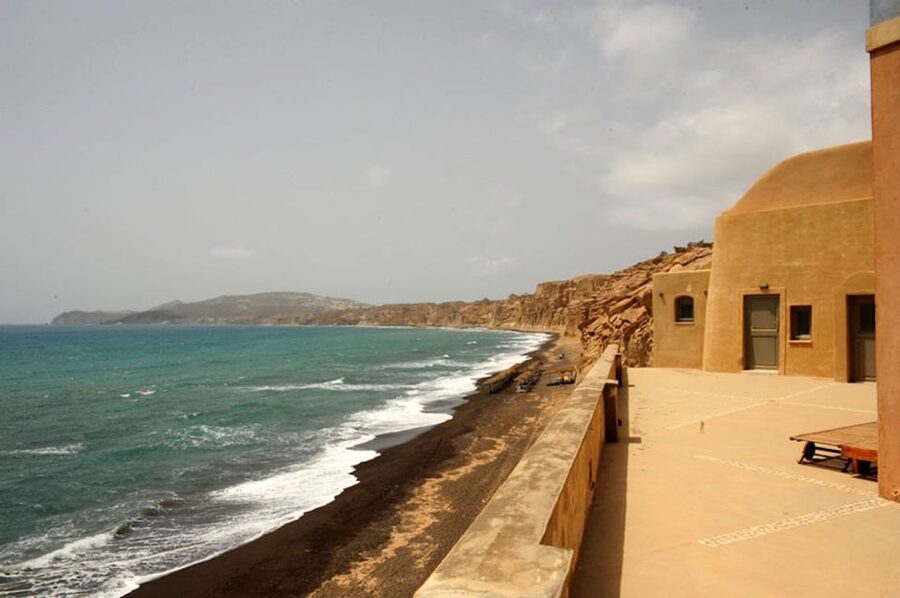
Santorini is often sold through its caldera views, whitewashed villages, and sunsets. This museum points you toward a different side of the island: the work that once supported local industry.
The local tomato is small, cherry-sized, and known for a sweet, distinctive flavor. At the museum, you learn how it was cultivated and turned into finished products using methods followed by Santorini producers from the end of the 19th century.
That gives the visit a useful purpose. You are not simply looking at old equipment. You are following a local product through the stages that made it important to the island’s economy and daily life.
I find this kind of stop especially valuable after a morning spent seeing Santorini’s churches and scenic viewpoints. It adds a practical layer to your understanding of the island. The museum shows what happened away from the postcard views, where crops were grown, processed, and prepared for sale.
More Museum Audio Guides in Greece
- Athens: Acropolis Museum Ticket with optional Audio Guide
★ 4.4 · 2,652 reviews - From Athens: Small-Group Delphi, Museum & Arachova Day Trip
★ 4.8 · 2,476 reviews - Parthenon & Acropolis Museum with Audio or Live Tour Option
★ 4.1 · 2,446 reviews
Entering the D. Nomikos Factory in Vlychada
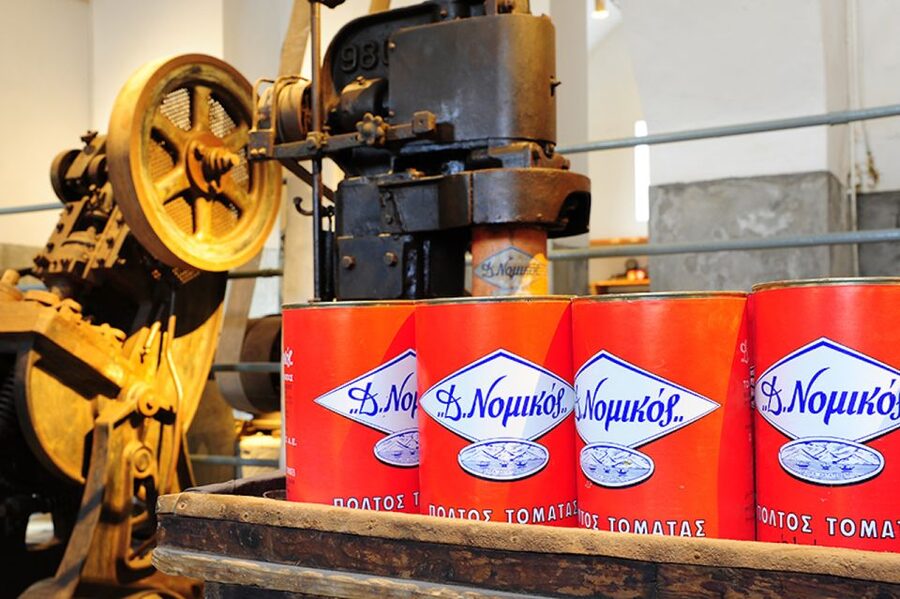
The museum is housed in the historical tomato factory of D. Nomikos in Vlychada. That setting matters. The building and machinery connect the displays to the actual industrial work carried out there.
You explore the complex independently with an audio guide device. There is no live guide included, so you should expect a structured self-guided visit rather than a talk or group tour. The host or greeter speaks English and Greek, while the audio guide is available in English, French, German, Italian, and Greek.
You should bring headphones. This is a small but important detail, since headphones make it easier to listen while looking at the exhibits and avoid holding the device up for the entire visit.
The audio guide is a good match for this museum. You can pause, listen again, and spend more time where your interest is strongest. If you are with children, you can also keep the visit moving instead of waiting for a fixed presentation.
Following the Tomato Through Three Areas
The complex is arranged in three large areas. The visit covers cultivation, processing, and production, giving you a clear sequence to follow.
The cultivation section introduces the tomato as an island product. You learn about the traditional methods used by local producers and the role the tomato played in Santorini from the late 1800s. The focus is practical rather than abstract: how the crop was grown and how local producers worked with it.
The processing area brings you closer to the factory’s machinery. You’ll see equipment used in the industrial treatment of the tomato and get a sense of the labor involved. The machines are not just decorative old objects. They help explain the physical steps between harvesting the crop and preparing it for use.
The production section completes the story. Here, the focus shifts to how the tomato became a finished product. The audio guide helps connect the machines and work areas, so you can understand the factory as a working system rather than a collection of unrelated objects.
You should not expect a large theme park or a full-day attraction. The experience is compact. That is part of its appeal, especially if you have other plans in Vlychada or want a museum visit that does not take over your entire day.
Machinery, Voices, and the Human Side of the Factory
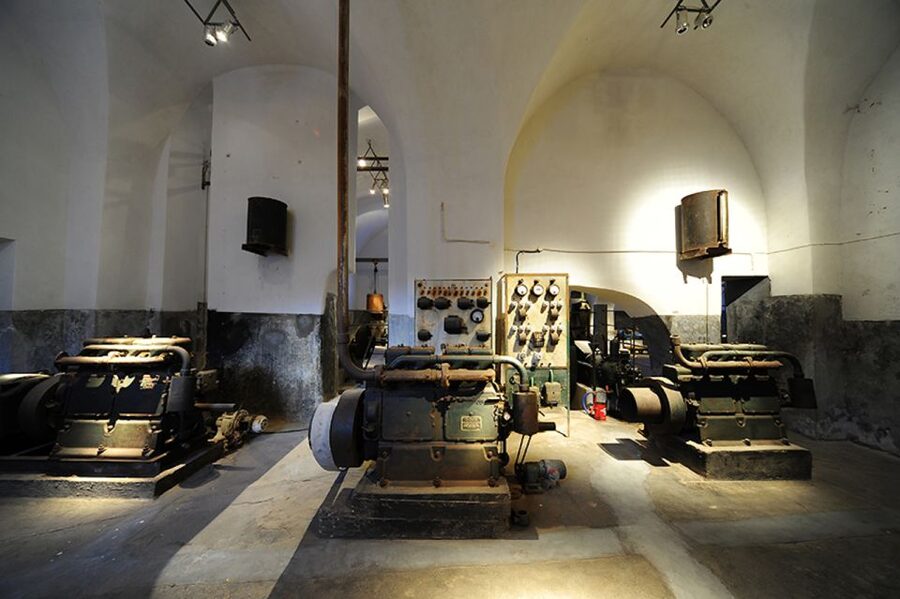
Old industrial machinery can be hard to understand when it is displayed without explanation. At this museum, the audio guide and audiovisual material help give the equipment a human context.
You’ll find recordings and other audiovisual material featuring former factory workers. Their firsthand accounts bring attention to the people who operated the machinery and lived through the industrial period described in the museum.
This is one of the more valuable parts of the visit. Machines show process, but personal accounts show what the work meant. You get a sense of a bygone factory era through the people who knew it directly.
The museum’s presentation also makes it suitable for more than food enthusiasts. You do not need a special interest in tomatoes or industrial design to get something from it. The displays connect agriculture, manufacturing, and local life in a straightforward way.
The experience has a playful side, too. A French visitor described it as very pleasant and playful, with a quick format that worked well for children, along with a good welcome and tasting. That fits the museum’s strongest use: a focused cultural stop with enough variety to hold a child’s attention.
More Skip-the-Line Audio Guide Tickets in Greece
- Crete: Knossos Palace Entry Ticket with Optional Audio Guide
★ 3.9 · 2,251 reviews - Crete: Palace of Knossos E-Ticket and Audio Guide
★ 3.8 · 1,540 reviews - Rhodes: Lindos Acropolis Entry Ticket & Optional Audio Guide
★ 4.4 · 1,285 reviews - Acropolis & Parthenon Entrance Ticket w/optional SG Audio Tours
★ 3.5 · 606 reviews
The Santorini Tomato Tasting
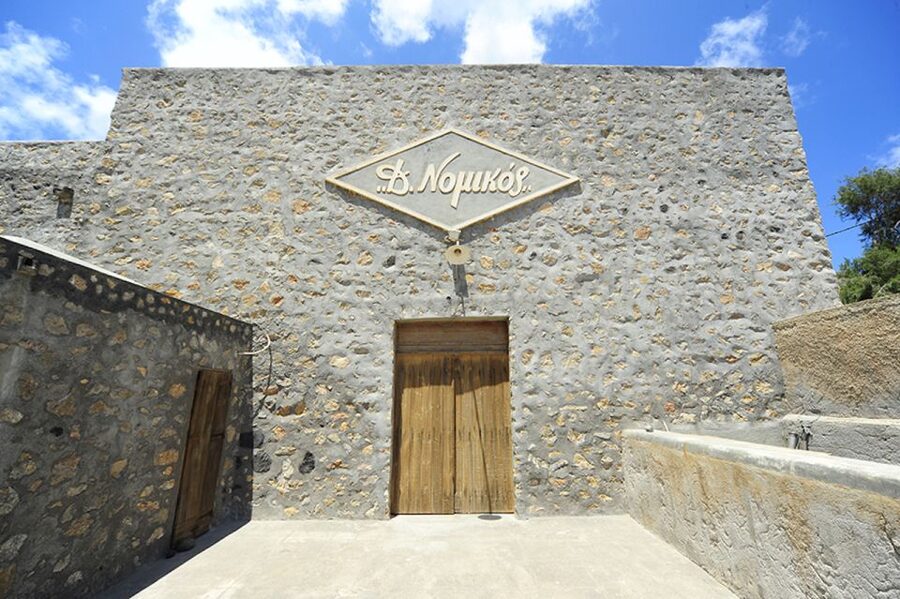
The tasting gives the visit a simple but useful finish. You get to try the cherry-sized Santorini tomato and notice its sweet, distinctive flavor for yourself.
That matters because the tomato is the subject of the whole museum. Without a taste, the visit would remain mostly visual and historical. Sampling the product links the old cultivation and factory methods to something you can experience directly.
The tasting is not presented as a full meal, and food and drinks beyond what is included are not part of the ticket. Think of it as a small introduction to the local product, not a replacement for lunch.
If you enjoy bringing home regional food, leave time for the boutique. The shop sells different products made with the local tomato. This is a practical place to look for a food souvenir connected to the museum, rather than buying a generic Santorini item.
Is the $14 Ticket Good Value?
At $14 per person, the ticket is reasonably priced for a museum visit that combines entry, an audio guide, a tasting, and access to the product boutique. The value depends on how you plan your day.
If you are already near Vlychada, the price makes the museum an easy addition. You get a local story, historic machinery, worker accounts, and a taste without paying for a long guided excursion.
If you are staying in Fira, transport adds a little planning. The museum can be reached by taxi or public bus, but the bus connection runs every two hours. Since hotel transfer is not included, you will need to arrange your own way there and back.
That bus schedule is the main value consideration. A two-hour interval can create a long wait if you miss a connection. Check the return plan before setting out, particularly if you have a dinner reservation, ferry connection, or another timed activity.
The ticket is less suitable if you want a live expert to answer questions as you go. A live guide is not included. The audio guide handles the main explanation, but it cannot respond to a follow-up question about a machine, a family connection, or a production method.
Getting There from Fira
The museum’s meeting point is the Tomato Industrial Museum, D. Nomikos, in Vlychada. From Fira, you can use a taxi or public bus.
The bus is the lower-cost choice, but the connection runs every two hours. That makes timing more important than it would be for a museum in central Fira. Check the available departure and return times before leaving your accommodation.
A taxi offers a simpler trip, but the price is not included in the $14 admission. If you are already planning to visit Vlychada, placing the museum alongside that outing may make the transport effort more worthwhile.
The supplied information does not give a fixed visit length or set entry times. The ticket is valid for one day, and you should check availability for current starting times. The visit is described as quick, but your own pace will depend on how closely you listen to the audio guide and how much time you spend with the displays.
Who Will Enjoy This Museum Most
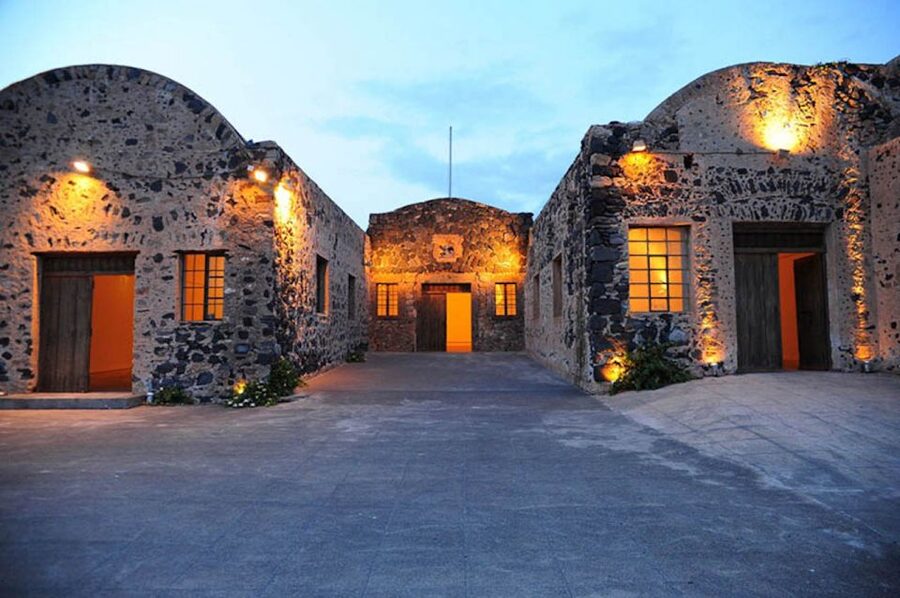
I would choose this experience for several types of visitors.
Families may find the short, playful format easier than a long museum tour. Children can see large machinery, hear stories through the audio material, and try the tomato. You can move at your own pace, which helps if attention starts to wander.
Food-minded visitors will appreciate the chance to learn where a local product comes from and taste it at the end. The shop also gives you a way to take tomato-based products home.
History and industry fans will enjoy the factory setting and equipment. The museum connects a specific product to the work of cultivation, processing, and production instead of treating local food as a simple souvenir.
Independent visitors are also well served. The audio guide is available in five languages, and you do not have to match a group’s pace. It is a good choice if you prefer to read, listen, and move on when you are ready.
The museum is wheelchair accessible, which makes it a practical option for visitors who need an accessible attraction. The available information does not describe every surface or route detail, so you may still want to confirm any specific access needs before visiting.
What the Museum Does Not Include
The $14 ticket does not include hotel transfer, food and drinks, or a live guide. Those limits are clear, but they affect how you should plan.
You are paying for access to the complex, the audio guide device, the tasting, and the boutique. You are not booking a broad Santorini food tour with several stops or a personal guide.
That distinction helps avoid disappointment. If you want a small cultural attraction focused on one local product, the format works well. If you want a long culinary experience with several tastings and transport from your hotel, you will need a different type of booking.
The audio guide is offered in English, French, German, Italian, and Greek. The host or greeter languages are English and Greek. Bring headphones, since they are listed as something you should have with you.
Practical Planning for a Smooth Visit
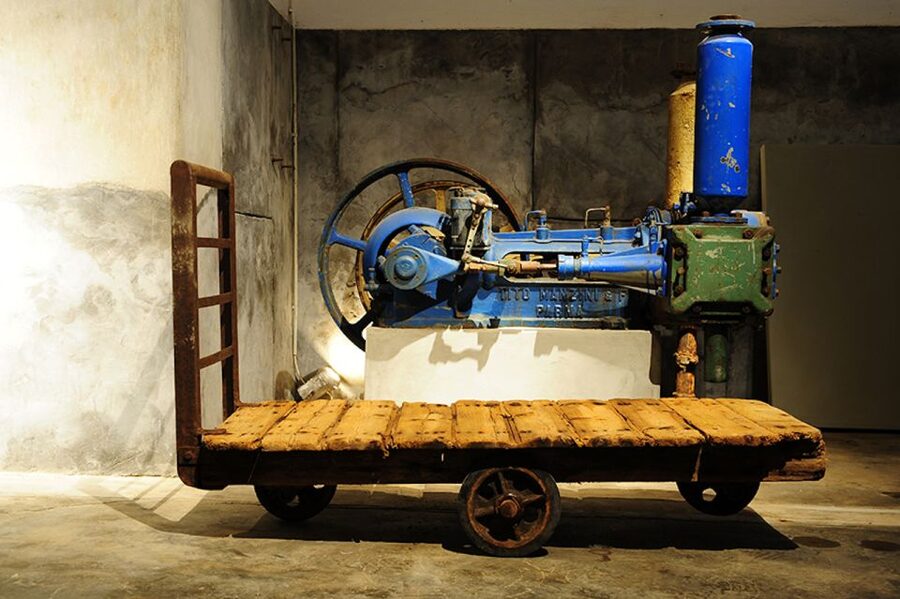
I would check three things before leaving: the bus schedule, the available starting time, and your return plan.
Because the public bus runs every two hours, build your day around the connection rather than treating transport as an afterthought. If you use a taxi, remember that the transfer is separate from admission.
Wear whatever makes you comfortable moving through a former industrial site, and bring headphones for the audio guide. The museum is wheelchair accessible, but visitors with particular mobility needs should confirm route details in advance.
You can cancel up to 24 hours ahead for a full refund, and the reserve-now, pay-later option lets you keep your plans flexible. Those terms are useful on an island trip, where weather, transport, and changing day plans can affect your schedule.
The overall rating is 4.9 from 22 reviews, and the strongest praise centers on the friendly welcome, the tasting, and the quick, playful format. I would treat that as a sign that the museum delivers well on a focused visit, not as a reason to expect a large attraction.
Should You Book the Tomato Museum?
Book it if you want a short, local experience that explains a real part of Santorini’s working past. The old factory, traditional production methods, machinery, worker recordings, and tasting give the visit more substance than a simple product shop.
It is especially worthwhile if you are visiting Vlychada already, traveling with children, or looking for something different from Santorini’s usual scenic stops. The $14 price is fair for the combination of admission, audio guide, and tasting.
Skip it if your schedule cannot absorb the two-hour bus interval, or if you want a live guide and a longer food-focused tour. For everyone else, plan the transport carefully, bring headphones, and expect a compact museum visit with a genuine local flavor.
FAQ
Where is the Santorini Tomato Museum located?
The museum is the Tomato Industrial Museum, D. Nomikos, in Vlychada.
How can I reach the museum from Fira?
You can reach it by taxi or public bus from Fira. The public bus connection runs every two hours.
What does the admission ticket include?
The ticket includes admission to the complex, an audio guide device, and access to the product boutique. The visit also includes a tasting of the local Santorini tomato.
In which languages is the audio guide available?
The audio guide is available in English, French, German, Italian, and Greek.
Is a live guide included?
No. A live guide is not included. The experience uses an audio guide, with English and Greek available from the host or greeter.
Do I need to bring anything?
You should bring headphones for the audio guide. You may also want to plan your transport in advance because the public bus runs every two hours.
Is the museum wheelchair accessible?
Yes, the museum is wheelchair accessible.
Just added around Greece
- Jeep exploration 4X4 self drive★ 5.0 · 3 reviews
- Knossos Palace & Archeological Museum: E-Tickets with Audio Tours★ 4.0 · 18 reviews
- E-Ticket to Heraklion Archaeological Museum with Audio Guide★ 4.5 · 26 reviews
- Full-Day 4×4 Self-Drive Safari in East Crete with Lunch★ 5.0 · 8 reviews
- Kasos Audio-Tour from Karpathos by Art and Walk★ 4.5 · 4 reviews
- Delphi: Self-guided Audiovisual Tour with 3D Representations★ 5.0 · 5 reviews
- Delphi Self-guided Audio Tour on Your Phone (no ticket)★ 3.5 · 10 reviews
- Delphi: Archaeological Site & Museum Ticket with Audio★ 3.5 · 24 reviews
Greece Audio Tours, compared.

Athens: Acropolis Ticket with Optional Audio or Live Guide
Read our review →
Athens: Cape Sounio & Poseidon Temple Trip with Audio Guide
Read our review →
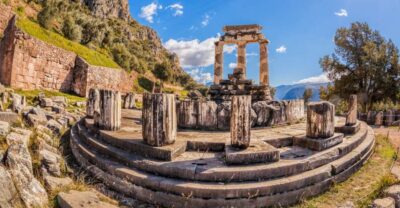
From Athens: Delphi Full Day V.R. Audio Guided Tour
Read our review →
Athens: Acropolis Museum Ticket with optional Audio Guide
Read our review →
Athens: Acropolis Ticket & Optional Self-Guided Audio Tours
Read our review →
From Athens: Small-Group Delphi, Museum & Arachova Day Trip
Read our review →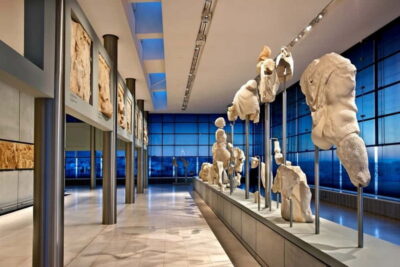
Parthenon & Acropolis Museum with Audio or Live Tour Option
Read our review →Browse the lists this tour appears in