
REVIEW · NEW ZEALAND AUDIO TOURS
Queenstown: Self-Guided Gibbston Valley Wineries Bike Tour
Gibbston Valley is best enjoyed slowly, with a bike between you and the next cellar door. This self-guided outing takes you along river trails, across suspension bridges, past the Kawarau Bridge bungy site, and into one of New Zealand’s most attractive wine regions. You are free to stop for tastings, lunch, cheese, photographs, or simply a quiet look at the mountains.
I like the freedom to choose your wineries, rather than being tied to a group timetable. I also like the clear setup: transport from Queenstown, a well-maintained bike, helmet, map, and a proper trail briefing are all handled for you. The main caution is distance. The ride to the first winery can take about 60 to 75 minutes, and some sections are narrow, gravelly, or exposed near drop-offs. An e-bike is worth serious thought.
Key points at a glance
- Two starting points: Full-day trips begin in Arrowtown, while 3/4-day and half-day trips begin at the Arrow Junction bike hub.
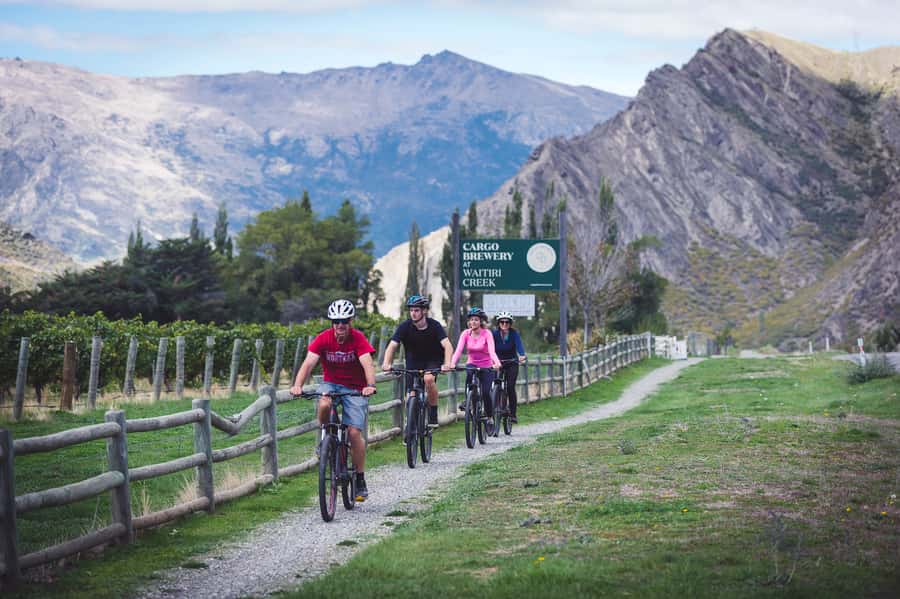
- A scenic first ride: Follow the Arrow and Kawarau rivers, cross suspension bridges, and pass the Kawarau Bridge bungy site.
- E-bikes make the hills easier: The trail is often manageable on a standard bike, but the extra power helps on longer rides and inclines.
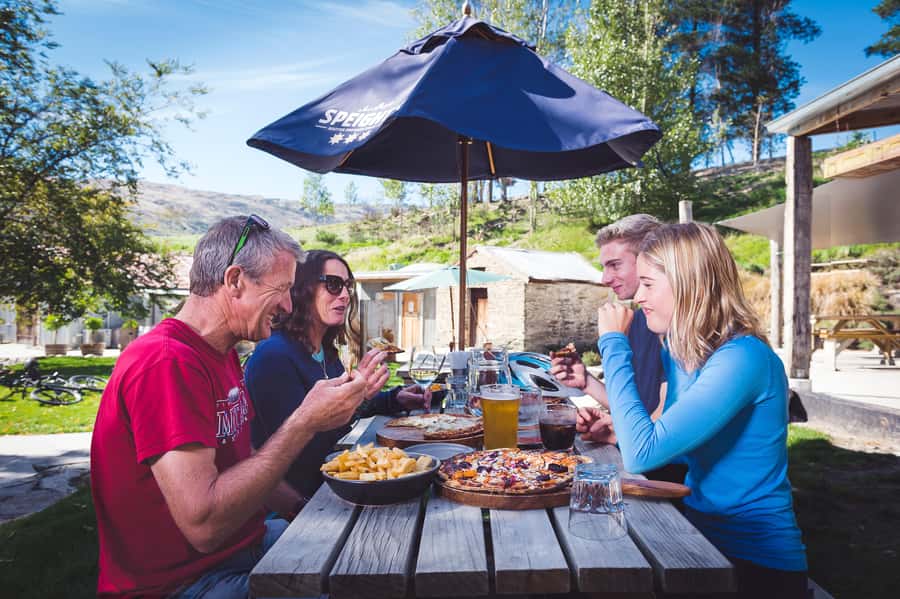
- You choose the stops: Visit wineries, the Gibbston Tavern, a cheesery, or other food and wine venues shown on the map.
- Plan around the pickup: Return transport is scheduled for 4:30 pm in summer and 4:00 pm in winter, regardless of the option you book.
- Good value for an active wine day: At $56 per person, the package covers the bike, helmet, briefing, map, and shuttle, but tastings and food cost extra.
Why Gibbston works so well by bike
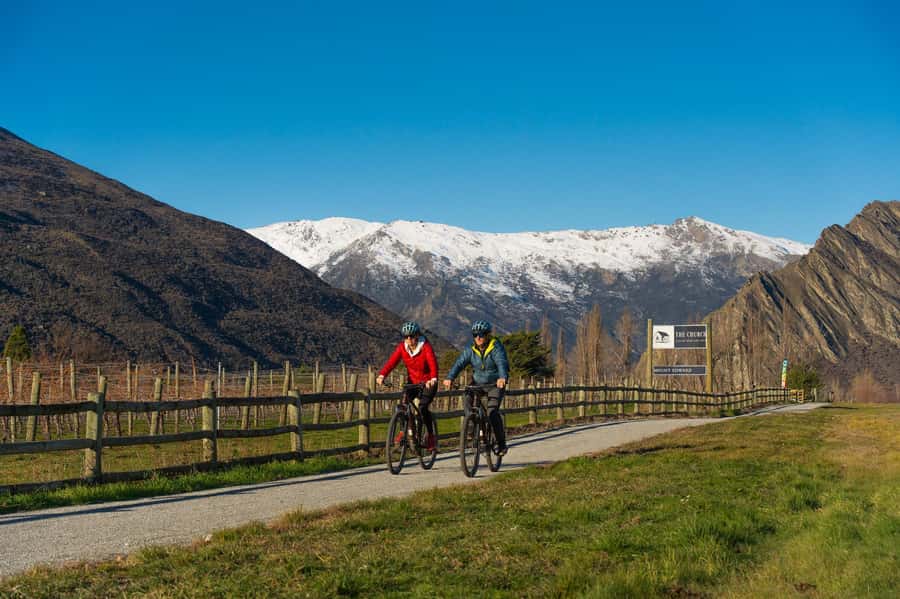
Gibbston is not just a string of cellar doors beside a road. The appeal is the way the valley unfolds between stops. You ride beside the Arrow and Kawarau rivers, look toward the surrounding alpine country, and earn each glass of wine with a little fresh air and exercise.
That balance is the reason I prefer this outing to a standard winery shuttle. You are not simply moved from tasting room to tasting room. You get time outside, a choice of stops, and the chance to pause whenever the view deserves it.
The trail is generally smooth and easy to follow, though it is not a flat city cycleway from start to finish. Gravel, small climbs, narrow stretches, and exposed edges appear along the route. A confident cyclist should manage the standard bike, but you need to stay alert, especially when riding with children or after wine tasting.
The scenery earns much of the day’s value. Several scenic places invite a break before you reach the wineries, and the river setting gives the ride a pleasant rhythm. On a clear day, the open views are the sort you remember long after the wine tasting notes have faded.
More Self-Guided Bike Tours in New Zealand
- Hawkes Bay Wineries Self-Guided Bike Tour
★ 4.5 · 83 reviews - Half-Day Self-Guided Ride and Wine Bike Tour from Arrowtown
★ 5.0 · 71 reviews - Wellington Self-Guided Electric Bike Tour
★ 5.0 · 68 reviews
Getting from Queenstown to the trail
Check in at the Around The Basin shop at 3 Searle Lane in Queenstown at least 10 minutes before departure. The shuttle leaves on time, so a last-minute coffee run is a poor plan.
Your departure point depends on the option you choose:
- The full-day trip starts in Arrowtown.
- The 3/4-day and half-day trips start at the bike hub in Arrow Junction.
- Arrow Junction is about 5 kilometres from the Kawarau Suspension Bridge.
The transfer is useful, but it also affects how much time you spend riding. The drive to the starting point can take around 30 minutes, and the return journey takes similar time. Some people book the half-day option expecting several hours on the trail, only to find that transport, bike fitting, and the safety talk use part of the available day.
That is not a flaw in the operation. It is simply something you need to count when choosing your option. If cycling and winery time matter most, choose the full-day option if your schedule allows.
The bike fitting and trail briefing
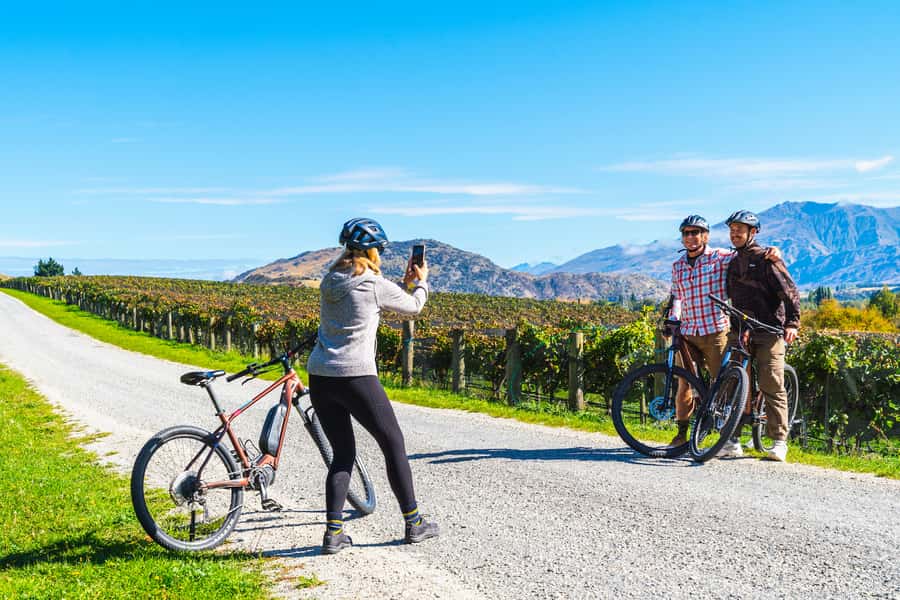
At the start, staff fit you to a quality mountain bike or e-bike and explain the route, safety points, and pickup arrangements. The briefing matters because this is self-guided. Once you leave the hub, you are responsible for your route and your timing.
The introduction to the e-bikes is particularly useful. Staff explain how to use the assistance, which helps you avoid wasting battery power or struggling on the first climb. The bikes are described as powerful, and that extra support can turn a tiring ride into a relaxed one.
Standard bikes are a reasonable choice if you cycle regularly and are comfortable on gravel. Several riders found the trail manageable without electric assistance, especially on the shorter options. If you are not used to riding, have mixed fitness levels in your group, or want to arrive at the wineries feeling fresh, choose the e-bike.
The equipment is practical rather than luxurious. Bikes are generally well maintained, though a few gear changes may not feel perfect, and the saddle can become uncomfortable over a long day. There is also no guarantee of a useful saddlebag for wine purchases, so ask about carrying space before you set off.
The river trail and Kawarau Bridge
From the starting area, the route follows the Arrow and Kawarau rivers toward the famous Kawarau Bridge. Suspension bridges add a little fun to what is otherwise a relaxed ride, and the river corridors provide the day’s most consistent views.
The Kawarau Bridge is home to the world-famous bungy jump. You may stop to watch the action before continuing toward the wineries. It gives the ride a small dose of Queenstown adventure without requiring you to take the leap yourself.
The trail is often described as easy or generally flat, but that should not be read as effortless. The distance is the bigger issue. On the full-day route, the first winery is about 15 kilometres from the starting point, and the last is about 25 kilometres away. On the 3/4-day and half-day routes, those distances are about 6 kilometres to the first winery and 16 kilometres to the last.
The gravel can be slippery, and some parts are narrow with steep drop-offs. This is where you should slow down, keep your eyes on the trail, and save the photography for a safe stopping place. Families should take the warnings seriously. A six-year-old who is still developing bike confidence may find the gravel, hills, and handlebar brakes difficult. A confident older child may manage it, but a trailer can be the better choice for younger riders.
Same place, a different route to walk:
- Queen Charlotte Track: Cruise & Self-Guided Hike from Picton
★ 4.8 · 383 reviews - Self-Guided Wine Tours by Bike with Lorelle & Greg
★ 5.0 · 304 reviews - Volcanic Valley Self Guided Walking and Hiking at Waimangu
★ 4.5 · 248 reviews - Abel Tasman National Park: Sailing and Self-Guided Walk
★ 4.8 · 238 reviews
Choosing wineries without wasting your afternoon
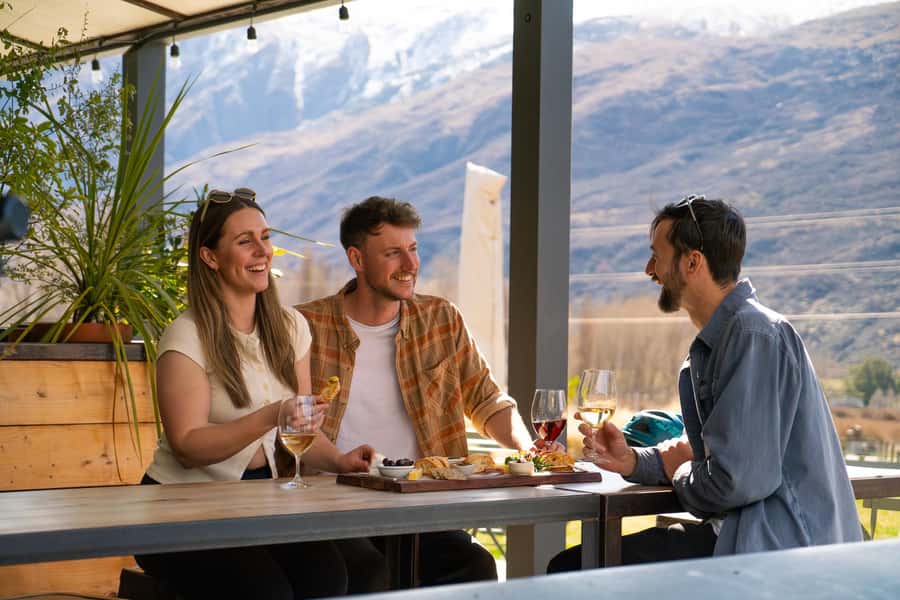
Your map links the wineries along the trail, but you need to do some planning. The freedom to stop anywhere is excellent, yet it can also leave you trying to fit too much into the day.
For a half-day ride, two wineries is a sensible target. One rider managed two stops, including a tasting, but there was little room for lingering. On a full-day outing, three stops can work if you book sensible times and avoid long detours.
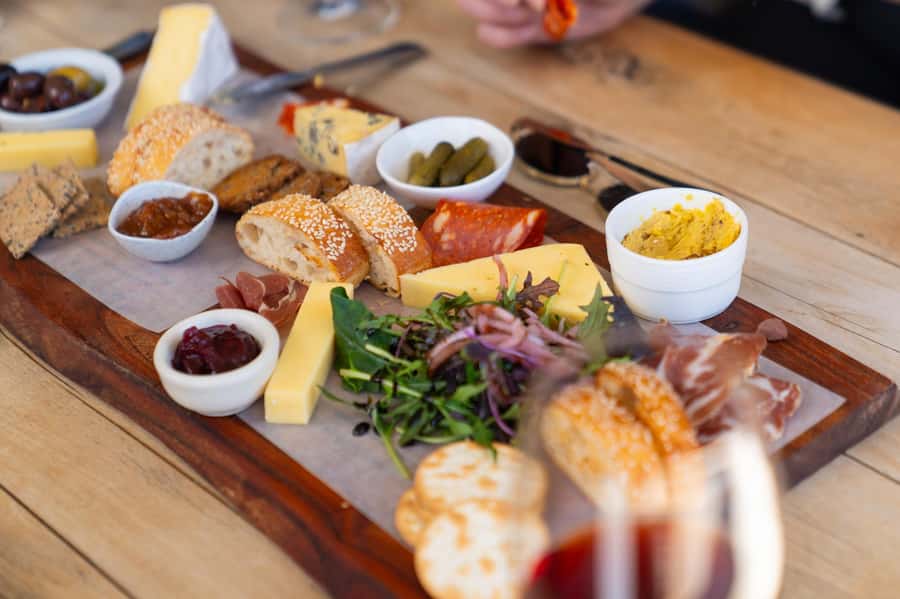
Kinross is a useful lunch choice, with wine and food available in the same stop. Gibbston Tavern is another natural place to eat or order a drink, though service levels can vary. Monte Christo is worth considering for wine at a reasonable price, while Mount Rosa is a popular planned stop for a tasting and cheese.
The Church can work well as a final stop because it is close to a pickup point and gives you somewhere to wait for the van. It may be more useful for its location and atmosphere than for the strongest wine of the day.
A practical plan is to select two or three wineries before leaving Queenstown, then keep one stop flexible. Book lunch or tastings when possible, but do not create a schedule so tight that every scenic pause feels like a delay.
Wine tastings and food are not included in the $56 price. That is important when comparing the cost with a standard sightseeing tour. Your final bill depends on how much you eat and drink, and Gibbston cellar doors can be expensive. You are paying for the transport and equipment, then adding your own choices along the way.
Half-day, 3/4-day, or full-day?
The half-day option suits you if you want a taste of the route and a winery visit without giving up the entire day in Queenstown. Start at Arrow Junction, ride around 6 kilometres to the first winery, and use the shorter distance to focus on one or two stops.
The drawback is time. Transfer and bike instruction take a meaningful share of the outing, so the half-day can feel rushed if you want a long lunch, several tastings, and plenty of photographs.
The 3/4-day option gives you more breathing room while still leaving part of the day free. It also starts at Arrow Junction, making the first winery closer than on the full-day route.
The full-day option begins in Arrowtown and gives you the longest ride. The first winery is about 15 kilometres away, and the final winery can be about 25 kilometres from the start. This is the best choice if the cycling itself matters as much as the wine.
Pickup timing is fixed for everyone: 4:30 pm from September 1 through April 30, and 4:00 pm from May 1 through August 31. You may be collected from the location and time given during the briefing, and pickup can be arranged from another winery on the route. Do not assume you can simply ride until you feel finished. Work backward from the pickup time.
Is an e-bike worth the extra cost?
For many people, yes. The e-bike reduces the effort on hills and lets you enjoy the first winery without arriving hot and tired. It is especially useful on the full-day route, for riders with mixed ability, and for anyone who does not cycle often.
A standard mountain bike makes sense if you already ride comfortably and want a little exercise. The trail is not described as relentlessly steep, and confident cyclists have completed it without electric help. Choosing a normal bike can also save the upgrade cost.
My advice is simple: if you are debating it, take the e-bike. The ride is long enough that the extra assistance buys comfort and flexibility. You can still pedal and enjoy the countryside, but you are less likely to walk a hill or hurry past a winery because your legs have had enough.
Remember that an e-bike does not remove the need for care. A powerful bike on loose gravel and a narrow trail needs controlled speed. The assistance helps with climbing, not with careless cornering.
What the $56 price really covers
At $56 per person, this is a fair price for a day that combines transport and independent sightseeing. You get the shuttle from Queenstown, bike hire, helmet, route briefing, and winery map. Hiring a bike separately and arranging transport to the valley could cost more, while driving yourself means someone in the group must avoid drinking.
The price does not include tastings, lunch, cheese, or other purchases. If you plan a generous lunch and several tastings, budget well beyond the advertised amount.
The strongest value is the freedom. You are not paying for a fixed food-and-wine package. You choose how much to spend, where to stop, and how much time to give each place. That makes it a good fit for couples and groups with different interests, including people who enjoy the scenery more than wine.
Cancellation is free up to 24 hours before departure, and you can reserve now and pay later. The activity is offered in English, and the transport receives a high satisfaction score. You should still check the available start times because the fixed pickup schedule shapes the whole day.
Who should book this ride?
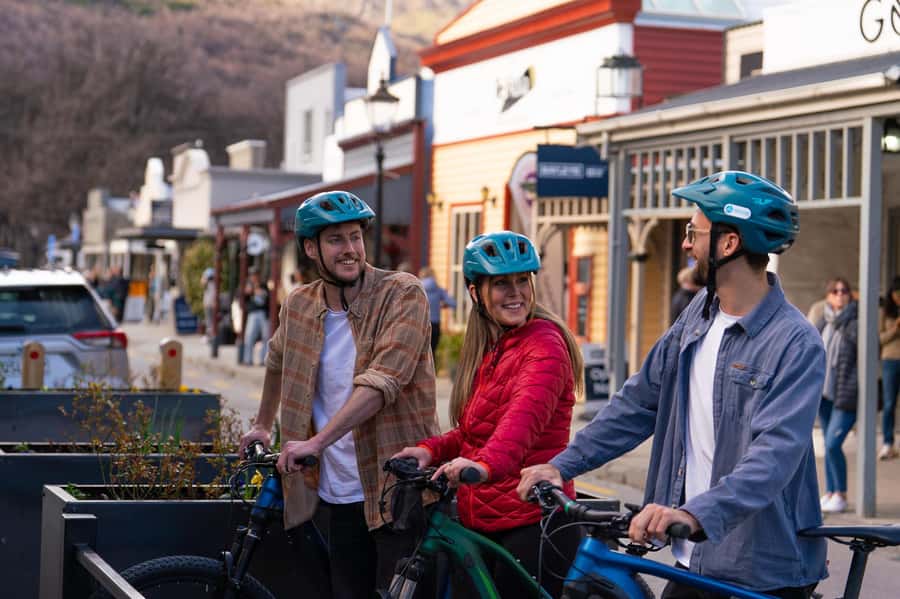
This outing suits you if you can ride a bike confidently, enjoy making your own plans, and want a more active alternative to a winery minibus. It works particularly well for couples, families with capable older children, and groups with mixed interests.
You do not need to be an athlete. You do need to handle a mountain bike on gravel, manage a few climbs, and remain steady on narrow sections. If you are uneasy on bikes, this is not the right way to visit Gibbston.
Bring comfortable clothes and shoes. Allow room in your day for the transfer, bike briefing, and a slower pace than your road distance estimate suggests. If you buy wine, ask about carrying it before setting out, since storage on the bike may be limited.
Should you book the Gibbston Valley bike tour?
Book it if you want the wine region with fresh air, river views, and control over your own afternoon. The best version of this experience is the full-day option with an e-bike, two or three planned stops, and enough spare time for lunch and photographs.
Choose the half-day option when your schedule is tight and you are happy with one or two wineries. Choose a standard bike only if you already feel comfortable cycling on gravel and hills.
Skip it if you cannot ride confidently, need a fully guided itinerary, or want tastings and meals included in one fixed price. For everyone else, this is a strong Queenstown day out, provided you respect the distances and leave enough time to reach the scheduled pickup.
FAQ
Where does the Gibbston Valley bike tour start?
Check in at the Around The Basin shop at 3 Searle Lane, Queenstown, 10 minutes before departure. The shuttle takes you to Arrowtown or Arrow Junction, depending on the option you choose.
Which option starts in Arrowtown?
The full-day option starts in Arrowtown. The 3/4-day and half-day options start at the bike hub in Arrow Junction, about 5 kilometres from the Kawarau Suspension Bridge.
What is included in the price?
The $56 price includes a quality mountain bike or e-bike, helmet, trail and safety briefing, winery map, and shuttle transportation. Food and wine tastings are not included.
Is an e-bike available?
Yes. You can choose a standard bike or an e-bike. The e-bike provides extra help on hills and is a useful choice for longer rides or mixed-ability groups.
How far is the first winery?
On the full-day option, the first winery is about 15 kilometres from the starting point. On the 3/4-day and half-day options, it is about 6 kilometres away.
What time is the return pickup?
The scheduled pickup time is 4:30 pm from September 1 through April 30. From May 1 through August 31, pickup is at 4:00 pm. The exact pickup location and arrangements are explained during the briefing.
Can children take part?
Children must be able to ride a bike confidently. The route includes gravel, hills, narrow sections, and some steep drop-offs. Younger or less confident children may need a trailer, and the activity is not suitable for anyone who cannot ride a bike.
Just added around New Zealand
- Hawkes Bay Wineries Self-Guided Electric Bike Tour★ 5.0 · 42 reviews
- Self-Guided Milford Track Day Walk – Milford Sound★ 5.0 · 17 reviews
- Milford Sound Nature Cruise and Self-Guided Scenic Track Walk★ 5.0 · 4 reviews
- Explore Dunedin: Self-Guided Audio Tour Adventure★ 3.5 · 3 reviews
- A Remarkable Scavenger Hunt: Digging Up Canterbury’s Treasure★ 3.5 · 3 reviews
- Morning Guided with Afternoon Self-Guided Biking Wine Tour★ 5.0 · 30 reviews
- Explore Auckland: Self Guided Audio Tour★ 4.5 · 12 reviews
- A Self-Guided Walking Tour of Auckland’s Hidden Stories★ 4.5 · 15 reviews
New Zealand Audio Tours, compared.
Queen Charlotte Track: Cruise & Self-Guided Hike from Picton
Read our review →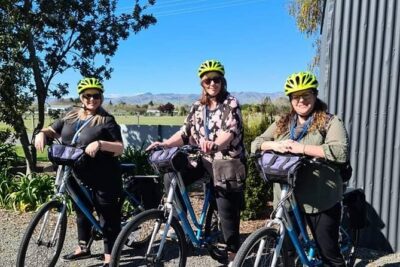
Self-Guided Wine Tours by Bike with Lorelle & Greg
Read our review →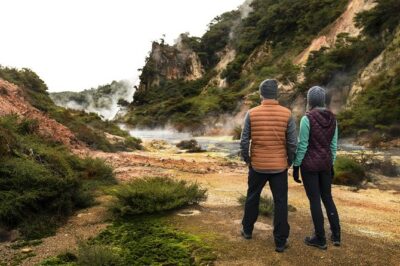
Volcanic Valley Self Guided Walking and Hiking at Waimangu
Read our review →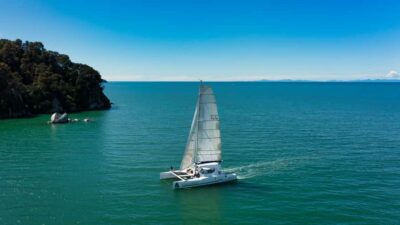
Abel Tasman National Park: Sailing and Self-Guided Walk
Read our review →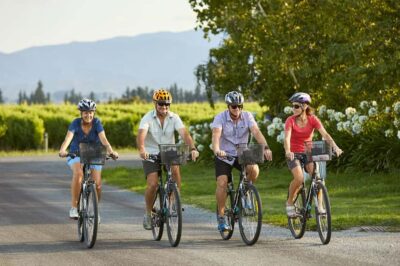
Marlborough: Full-Day Self-Guided Biking Wine Tour
Read our review →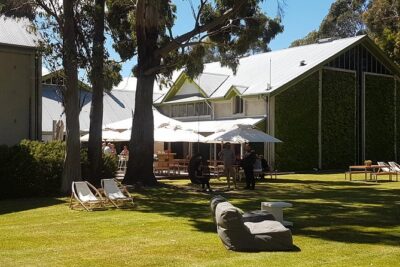
Self-Guided Biking Wine Tour (full day) in the Marlborough Region.
Read our review →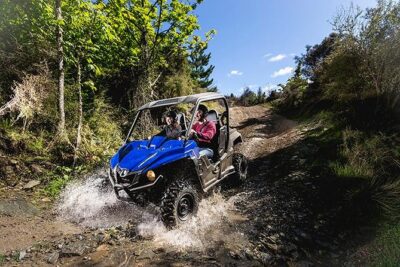
Browse the lists this tour appears in