
REVIEW · BULGARIA AUDIO TOURS
Plovdiv: Old Town Guided Walking Tour & Audioguide & Museum
Plovdiv’s best sights are packed into a walkable old center, and this tour gives you a clever way to see them: a live guide leads the route while you listen through headphones in your own language. You can step inside churches and temples, take photos, and keep a little distance from the group instead of crowding around one speaker.
I like the personal audio guide, especially in noisy streets and inside churches. I also like the broad mix of stops, from Roman ruins and Ottoman architecture to 19th-century merchant homes. One possible drawback is the brisk schedule. With more than 20 places in about two and a half hours, several stops are brief exterior visits.
The route is not ideal for wheelchair users or anyone with mobility limits. Wear sensible shoes, carry water, and remember that shorts, short skirts, high heels, and baby strollers are not allowed.
Key points at a glance
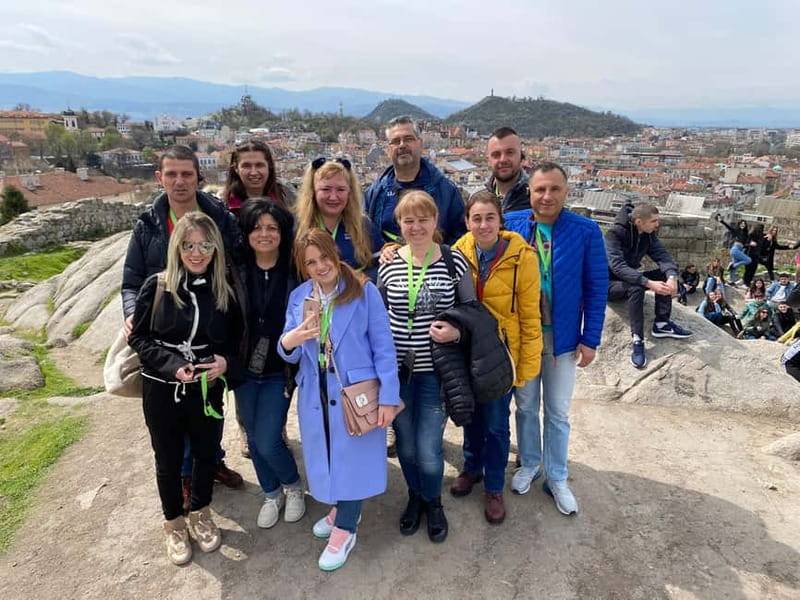
- More than 20 sights in one walk: Roman remains, churches, a mosque, old homes, museums, and Nebet Tepe all fit into the route.
- Audio inside places of worship: You can enter selected churches and temples and keep listening rather than miss the explanation.
- Nine audio languages: Choose Bulgarian, English, French, Greek, German, Italian, Russian, Spanish, or Turkish.
- A guide who keeps the route moving: The guide raises a sign showing the number for each stop, and you enter that number into your device.
- A strong $17 introduction to Plovdiv: The price covers the live guide, audio device, and headphones, with no payment required at booking.
- A finish near Djumaya Mosque: The walk ends in a central spot where you can pause for Turkish coffee.
Why the audio format works in Plovdiv
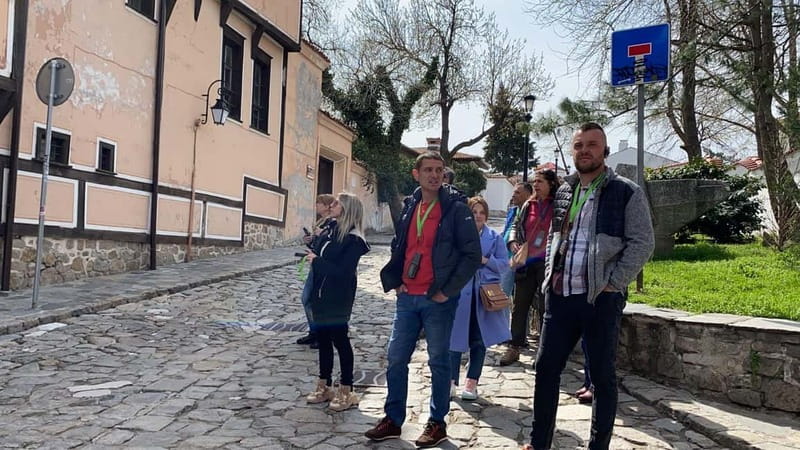
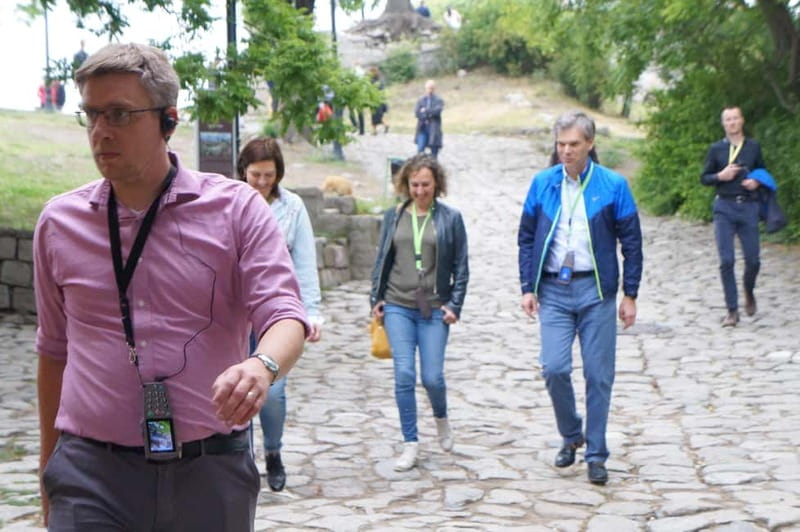
This is not a standard walking tour where everyone gathers around a guide and strains to hear. The guide stays with the group, but each person receives an audio device and headphones. At every stop, you enter the number shown on the guide’s sign and hear the matching recording.
That setup is useful in three ways. First, street noise does not swallow the explanation. Second, you can look at a church ceiling, doorway, or carved detail while listening from a few steps away. Third, you are not tied shoulder to shoulder to the guide.
The live guide speaks English, while the recorded material is available in nine languages. That is an important distinction when booking. English is the live guiding language, but you can listen in Bulgarian, English, French, Greek, German, Italian, Russian, Spanish, or Turkish.
The format also has limits. A recording cannot respond to a question as naturally as a live guide. Still, the guide remains available along the route, and Natalia has shown that the human side can be flexible. On one Spanish-language departure, only two Spanish speakers were present, and she explained the whole walk in Spanish, even though the standard arrangement listed English guiding with Spanish audio.
More Museum Audio Guides in Bulgaria:
- Audio Guide for Museum Paleontology and Historical Geology
★ 4.1 · 3 reviews - Paris: Louvre Museum Hosted Entry and Mona Lisa Audioguide
★ 4.6 · 5,235 reviews - Venice: St. Mark Basilica Ticket, Audioguide+History Gallery
★ 3.9 · 4,780 reviews
Starting at Ramada Trimontium
Meet near the main entrance of the Ramada by Wyndham Plovdiv Trimontium. The guide will be holding the audio devices, so the meeting point should be easy to identify.
This is a useful starting place because the route quickly reaches central Plovdiv. You do not need a separate transfer, and the day is spent walking rather than riding between sights. Allow time to arrive before the scheduled start so the guide can distribute headphones and explain how the numbered system works.
The full experience lasts about 2 to 2.5 hours. That is long enough to get a strong first look at the city center, but not long enough for extended museum visits or detailed exploration at every stop. Think of it as an organized introduction, not a slow archaeological study.
Roman Plovdiv in the first half
The first part of the walk brings together several important Roman-era sites.
At the Bishop’s Basilica of Philippopolis, you get a short sightseeing stop. The visit is listed at about five minutes, so expect an introduction rather than a long examination of every feature. It sets the tone for the tour by showing how much of ancient Philippopolis survives beneath modern Plovdiv.
The Cathedral of St. Louis follows, with around three minutes for sightseeing. This is one of the quicker stops, so listen closely when the guide assigns its number. The route then reaches the Roman Forum of Philippopolis, another brief stop of roughly four minutes. Together, these places help you see Plovdiv as a major Roman city, not simply an old Bulgarian town with scattered ruins.
At the Statue of Milyo, the focus changes from archaeology to local character. This is a three-minute photo stop. It gives you a lighter moment and a chance to take a picture before the route continues to the Ancient Stadium of Philippopolis.
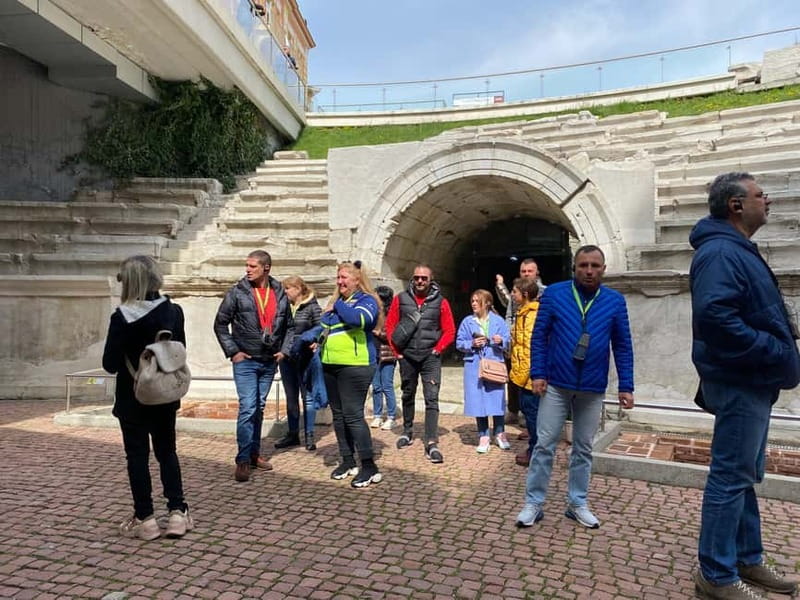
The ancient stadium receives about five minutes. Its location in the middle of the modern city makes the Roman past especially easy to grasp. You can stand among present-day streets and still see the scale of the old public complex. The audio commentary matters here because the remains may not explain themselves at a glance.
Djumaya Mosque and the old religious quarter
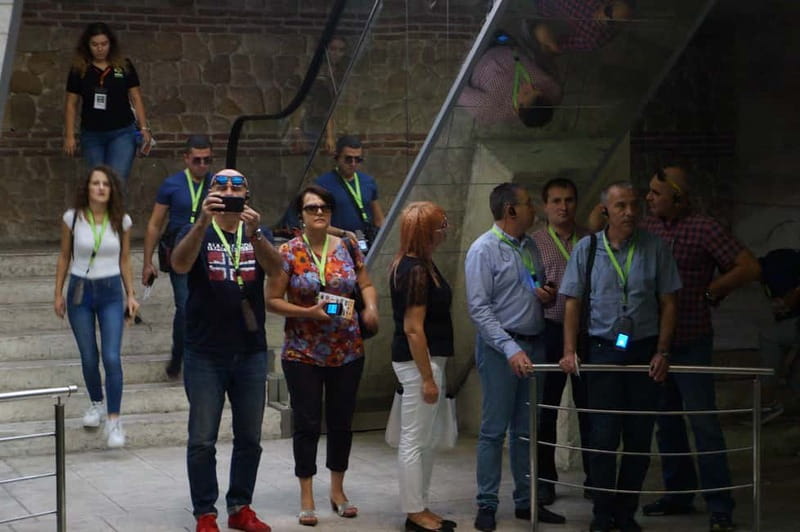
The route then reaches Djumaya Mosque, where you have a visit and sightseeing time of about seven minutes. This 15th-century mosque is also the finishing point later in the walk, so you encounter it during the main route and return to the same central area at the end.
The mosque is one of the clearest reminders that Plovdiv’s story includes Ottoman as well as Roman, Christian, and Bulgarian chapters. The tour’s strength is the way these different periods appear one after another, rather than being separated into a single history lesson.
Next comes the Sveta Bogoroditsa Church, with about four minutes for a visit and sightseeing. You can enter the church and listen through the headphones. That is one of the more useful features of the audio system, since the explanation continues while you look around instead of waiting outside for a talk to finish.
The tour does not ask you to linger for long. If you enjoy quiet church interiors or religious art, you may want to return on your own after the walk. For a first orientation, the short visit gives you enough context to know what deserves a second look.
More Old Town Audio Walks in Bulgaria:
- Plovdiv: Old Town Self-Guided Audio Tour
★ 3.6 · 24 reviews - Riga: Canal Boat Tour with Drink & Old Town Audio Tour
★ 4.4 · 684 reviews - Dresden: Old Town Self-Guided Scavenger Hunt Tour
★ 4.5 · 151 reviews - Sibiu Old Town Exploration Game and Self-Guided Tour
★ 4.5 · 82 reviews
Revival-era homes and a historic pharmacy
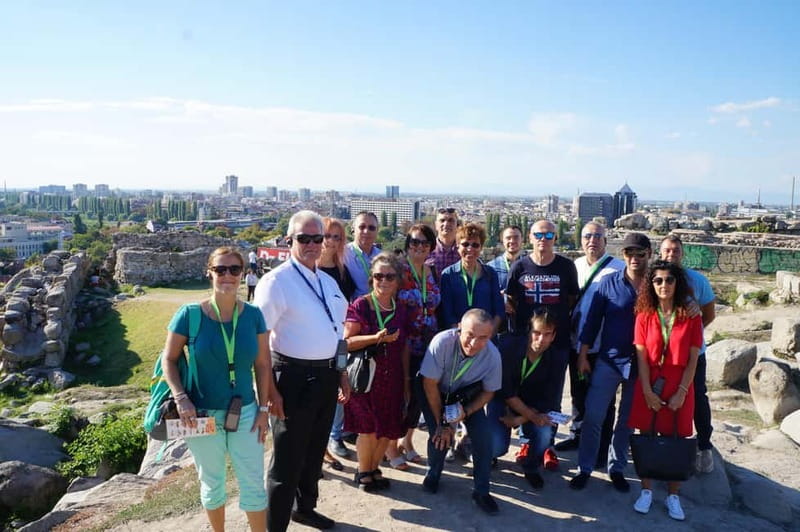
Plovdiv’s Old Town is not only about ruins. The next group of stops shows the city’s 19th-century domestic and commercial side.
At Lamartine’s House, the sightseeing time is about six minutes. The stop connects the Old Town with literary and cultural history, while also giving you a look at one of the area’s historic houses.
The Pharmacy Museum Hippocrates receives roughly three minutes. That is a compact visit, but it adds a different kind of detail to the route. Instead of viewing a large monument, you get a glimpse into an earlier world of medicine and daily business.
At St. Konstantin and Elena Church, you have about eight minutes for a visit and sightseeing. This is one of the longer church stops. You can enter, select the numbered recording, and listen inside the building. The tour’s audio arrangement is particularly helpful here because you can move your attention between the commentary and the interior without standing directly beside the guide.
Dress rules matter at the religious sites. Shorts and short skirts are not allowed, and high heels are a poor choice for the walk. Modest, comfortable clothing and sturdy shoes are the practical answer.
Balabanov’s House and Hindliyan House
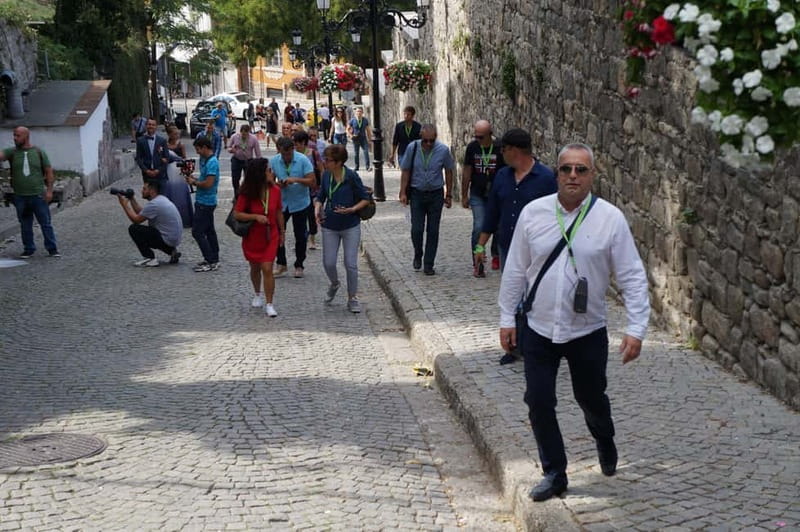
Two of the most appealing Old Town stops are Balabanov’s House and House-Museum Hindliyan. Both are connected with the prosperous merchant families who helped shape Plovdiv’s distinctive old center.
Balabanov’s House receives about five minutes. House-Museum Hindliyan receives about the same. These are short visits, so the guide’s commentary does much of the work. You will get the meaning of the houses, their place in the city, and the features worth noticing without spending a long period inside each one.
This is where the tour works best for first-time visitors. Plovdiv’s old homes can look similar from the outside, and it is easy to walk past them without understanding why they matter. The numbered audio gives you a reason to pause and look at the details rather than treating the street as a backdrop.
The tradeoff is time. If decorative interiors and historic houses are your main interest, five minutes may feel too short. The tour helps you identify them, then you can decide which one deserves a separate return visit.
Hisar Kapia and Plovdiv Museum
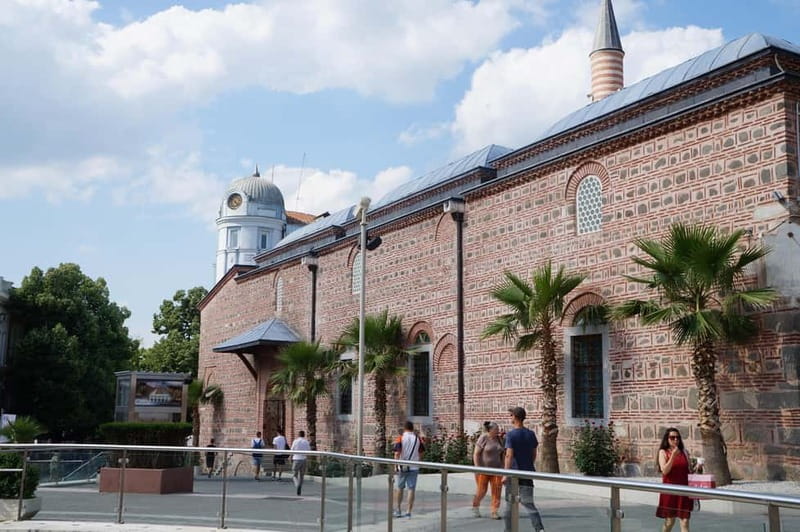
The route continues to Hisar Kapia, one of the Old Town’s recognizable historic gateways. The stop lasts around seven minutes, which gives the guide room to explain its place in the city and lets you take photographs.
From there, the tour visits Plovdiv Museum, with about seven minutes for sightseeing. The name is broad, and the supplied details do not specify which galleries or displays you will enter, so you should treat this as a short museum-related stop rather than a full museum visit.
That distinction is important for planning. The tour introduces a large number of places in one sweep. You are unlikely to study every display or spend a full afternoon inside a single institution. The value comes from learning the shape of the city and noting where you may want to return.
The climb to Nebet Tepe
The final major stop is Nebet Tepe, reached after the Old Town sights. You have about eight minutes for a visit and sightseeing.
Nebet Tepe is one of the route’s best places for understanding Plovdiv’s position over time. It is also one reason comfortable footwear matters. The tour is on foot, includes historic streets and old-site access, and is specifically not suitable for people with mobility impairments or wheelchair users.
The information provided does not promise a particular view or a long rest at the top, so keep expectations practical. You will receive the site’s explanation and have time to look around, but this is still one stop in a tightly timed route. If you prefer slow walks, frequent pauses, or extensive photography, the pace may feel fast.
Finishing near Djumaya Mosque
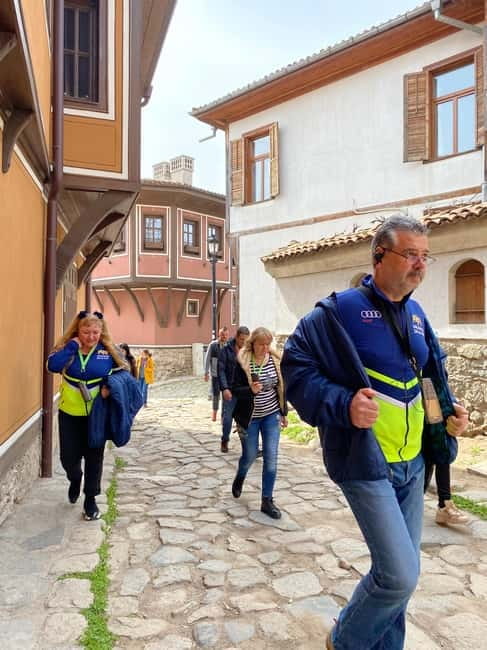
The walk ends near Djumaya Mosque, in a central part of Plovdiv where you can sit down and have Turkish coffee. That ending is a nice change from the usual final monument and exit. You finish with a clear place to pause, rather than being left at an obscure corner of the city.
It also makes the tour easy to combine with your own plans. You can continue exploring the Old Town, return to a church or house that caught your attention, or simply take a break after the walk. The ending point is useful even if you do not stop for coffee.
What $17 gets you
At $17 per person, this is a good-value orientation tour if you want breadth. The fee includes the live guide, the audio guide, and headphones. You are not paying for transport, but you do not need transport for this route.
The value comes from the number of places covered and the language choice. More than 20 landmarks and cultural monuments are included, with several church and temple interiors available along the way. A self-guided walk would cost less if you already know the city and can research every stop yourself, but it would not give you the same structure or live support.
The price is less compelling if you want long visits at museums, detailed photography time, or a single subject such as Roman archaeology. This tour spreads attention widely. For a modest fee, it helps you build a mental map of Plovdiv and decide where to spend more time later.
Free cancellation up to 24 hours before the tour and the option to reserve now and pay later make the booking less rigid. The activity is valid for one day, with starting times based on availability.
Who should book this walk?
I would choose this tour for a first visit to Plovdiv, especially if you want the major central sights explained without arranging several separate admissions or guides. It suits people who like a steady walking route and want to hear commentary in a language other than English.
It is also a practical choice for couples or small groups who do not want to stand around the guide at every stop. The audio device lets you spread out a little while still following the same route.
I would think twice if you have limited mobility, use a wheelchair, need a stroller, or dislike walking on historic streets. I would also choose a slower private tour if you want to spend serious time inside the museum, churches, or merchant houses.
Should you book it?
Book it if you want a wide first look at Plovdiv for $17, with Roman ruins, Christian churches, an Ottoman mosque, historic homes, and a hilltop site in one organized walk. The audio system is a real advantage, and Natalia’s willingness to explain in Spanish shows that the live experience can be more personal than the standard language setup suggests.
Skip it if your priority is depth over coverage. The short stop times mean you will often get an introduction and a photograph rather than a long visit. For most first-time visitors who can walk comfortably and appreciate an efficient route, the balance is favorable.
FAQ
Where does the tour begin?
The meeting point is near the main entrance of the Ramada by Wyndham Plovdiv Trimontium. The guide will be holding the audio guides.
Where does the tour finish?
The walk finishes near Djumaya Mosque, where you can relax and have Turkish coffee.
How long does the tour last?
The guided walk lasts about 2 to 2.5 hours.
What languages are available on the audio guide?
The audio guide is available in Bulgarian, English, French, Greek, German, Italian, Russian, Spanish, and Turkish.
What language does the live guide speak?
The live tour guide speaks English. The audio recordings allow you to listen in the other listed languages.
Are headphones provided?
Yes. The tour includes an audio guide device and headphones.
How many landmarks does the route include?
The route visits more than 20 landmarks and cultural monuments in Plovdiv. The listed stops include Roman ruins, churches, a mosque, historic houses, a museum, and Nebet Tepe.
What should I bring?
Bring comfortable shoes and water.
Is the tour suitable for wheelchair users?
No. The experience is not suitable for wheelchair users or people with mobility impairments. Baby strollers are also not allowed.
More Self-Guided Walking Tours in Bulgaria
- Sofia: City Monuments Guided Walking Tour with Audio Guide
★ 4.5 · 825 reviews - Florence: 2.5 hour Audio Guided Walking Tour led by Host
★ 4.6 · 293 reviews - Self Guided Classic Freedom Trail Location Aware (GPS) Walking Audio Tour
★ 4.5 · 258 reviews - Valletta: Self-Guided Historical Walking Tour (Audio Guide)
★ 3.7 · 251 reviews
Just added around Bulgaria
- Self-Guided Sand Festival in Burgas★ 3.5 · 9 reviews
- Self-Guided Tour of Rila Mountains and Seven Rila Lakes★ 3.5 · 3 reviews
- Perperikon Self-Guided★ 3.5 · 3 reviews
- Plovdiv: Old Town Self-Guided Audio Tour★ 3.6 · 24 reviews
- Nessebar: Audio Guide Tour Nessebar + visit to the Winery★ 3.7 · 30 reviews
- From Sofia: Rila Monastery and Plovdiv Self-Guided Trip★ 4.9 · 13 reviews
- From Sofia: The Seven Rila Lakes Full-Day Self-Guided Tour★ 4.9 · 33 reviews
- Audio Guide for Museum Paleontology and Historical Geology★ 4.1 · 3 reviews
Bulgaria Audio Tours, compared.
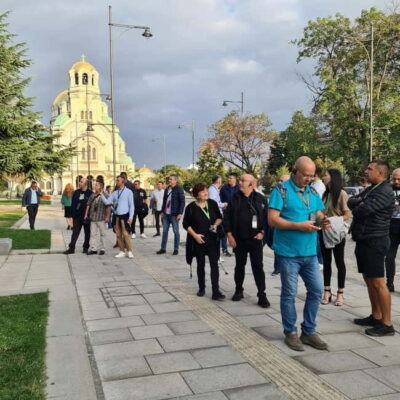
Sofia: City Monuments Guided Walking Tour with Audio Guide
Read our review →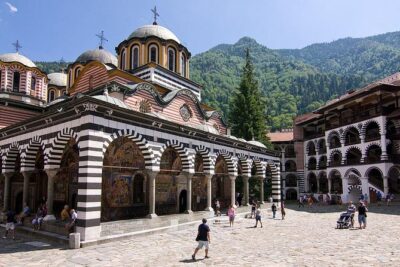
Rila Monastery and 7 Rila Lakes Self-Guided Shared Trip from Sofia
Read our review →
Sofia: Rila Monastery & Boyana Church – Audio guided tour
Read our review →
From Sofia: Plovdiv with audio guide + free pick-up
Read our review →
From Sofia: The Seven Rila Lakes Full-Day Self-Guided Tour
Read our review →
Nessebar: Audio Guide Tour Nessebar + visit to the Winery
Read our review →
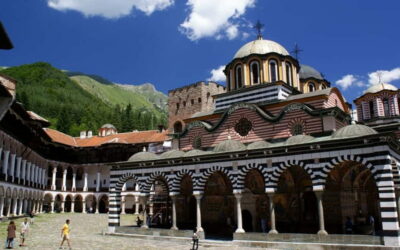
From Sofia: Rila Monastery and Plovdiv Self-Guided Trip
Read our review →Browse the lists this tour appears in