REVIEW · ITALY AUDIO TOURS
Padua: Scrovegni Chapel Ticket and Audio Guide
Giotto’s Scrovegni Chapel is one of those places where a short visit can carry real weight. Inside, a complete cycle of 14th-century frescoes covers the walls with intense color and clear, human scenes, making this 30-minute admission one of Padua’s essential cultural stops. Giotto changed Western painting, and you can see why without needing a full day or a specialist art course.
I like the timed entry and small group, limited to 10 people, because the chapel is a delicate, tightly managed site. I also like the seven-track audio guide, which adds short background on Giotto, the chapel, the University of Padua, and Erbe Square. The main drawback is price: at $36 per person, this can feel high if the audio guide is missing or if you can secure a cheaper ticket through Padua’s official museum channels.
Key points to know before you book
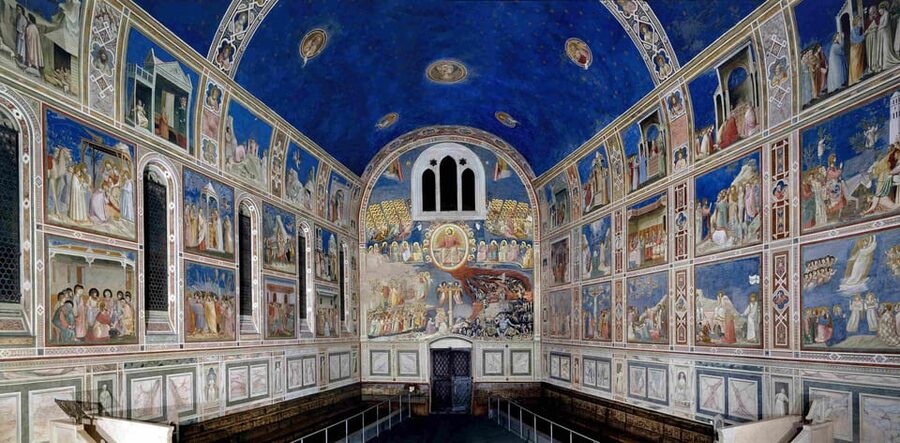
- Giotto’s complete fresco cycle: See the artist’s famous scenes from the life of Mary and Christ in a small, intensely colored chapel.
- A 30-minute visit: The time is brief but focused, with little room for wandering or lingering.
- Seven audio tracks: Commentary covers the Scrovegni Chapel as well as the University of Padua and Erbe Square.
- Timed entry matters: You must arrive at least 20 minutes before admission, and tickets are sent the day before.
- Small-group access: The group is limited to 10 people, with ticket-line access included.
- Strict conservation rules: Large bags and photography are not allowed, and the chapel is not suitable for wheelchair users.
Why the Scrovegni Chapel deserves your time
Padua has plenty of grand churches and learned institutions, but the Scrovegni Chapel offers a different kind of visit. It is compact, controlled, and almost startling in its concentration of art. You enter a relatively small space and find every major wall covered by Giotto’s scenes, arranged as a visual account of Christian history.
The chapel is also known by the name of its patron, Enrico Scrovegni. It was dedicated to Santa Maria della Carità, and Giotto’s fresco cycle is the reason the building is known around the world. The work is part of the UNESCO World Heritage listing The frescoed cycles of the 14th century in Padua, added in 2021.
You do not need to be an art expert to appreciate the place. Giotto’s people have weight, expression, and recognizable emotion. His scenes are easier to read than the flatter, more formal religious art that came before him. Look at the gestures and faces, then notice how the sequence guides your eye around the room.
The color is another reason the chapel feels so powerful. The frescoes are known for their intense coloring, and the blues, reds, and gold details give the walls a strong visual rhythm. You will not be looking at isolated paintings. You will be surrounded by a single, carefully planned cycle.
More Audio Tours in Italy:
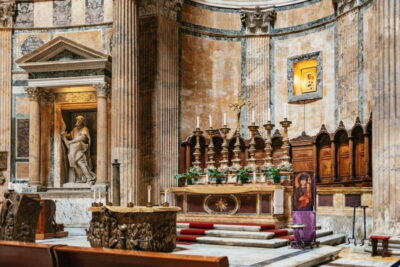
- Rome: Pantheon Fast-Track Ticket and Official Audioguide
★ 4.5 · 27,353 reviews - Rome: Colosseum & Forum with Audio Guide App -Optional Arena
★ 4.2 · 24,770 reviews - Venice: Grand Canal Gondola Ride with App Commentary
★ 4.1 · 23,020 reviews
Entering the chapel in a carefully timed 30 minutes
This is not an open-ended museum visit. The listed duration is 30 minutes, and the timed system is part of how the Scrovegni Chapel protects its fragile interior. You should arrive at the entry to Cappella degli Scrovegni at least 20 minutes before your scheduled admission.
That early arrival is not a minor suggestion. The ticket is tied to a limited entry schedule, and late arrival could create needless stress. Build extra time into your Padua plans, especially if you are coming from another part of the city or fitting the chapel between train connections and other sights.
The visit itself is simple. After the entry process, you go inside for the fresco cycle and audio commentary. The short length works well if you want a clear, focused look at Giotto rather than a long guided tour with several unrelated stops.
The chapel’s conservation rules shape the experience. No photography is allowed inside, and large bags or luggage are not permitted. Wear comfortable shoes, but do not arrive with a suitcase or an oversized day bag. These restrictions may seem fussy until you consider how much historic paint is packed into the room and how closely visitors stand near the walls.
Reading Giotto’s frescoes without an art degree
The best way to use the audio guide is to let it give you a basic framework, then spend some of the visit looking quietly for yourself. Giotto’s cycle is easier to follow when you understand that the scenes form a connected story rather than a random collection of religious images.
The artist was Tuscan, but his work in Padua helped change the direction of European painting. His figures are more solid and expressive, and his scenes suggest real space and human reaction. These changes may sound technical, but you can spot them quickly. A grieving figure looks like a person with a particular response, not just a symbol. Groups interact rather than standing in separate rows.
The intense color makes the scenes readable from a distance, while smaller gestures reward a closer look. Since you have only 30 minutes, do not try to inspect every panel equally. Let the audio guide point out the main ideas, then choose a few scenes and give them your full attention.
The ceiling and surrounding decoration also matter. The room was planned as a complete visual experience, so keep your eyes moving between the narrative scenes and the larger structure of the chapel. Even with conservation limits and a short visit, the sense of design comes through.
What the seven-track audio guide adds
The audio guide includes seven tracks. Its main subject is the Scrovegni Chapel, but it also gives information about the University of Padua and Erbe Square. That broader coverage can help you connect the chapel to the city instead of treating it as an isolated art stop.
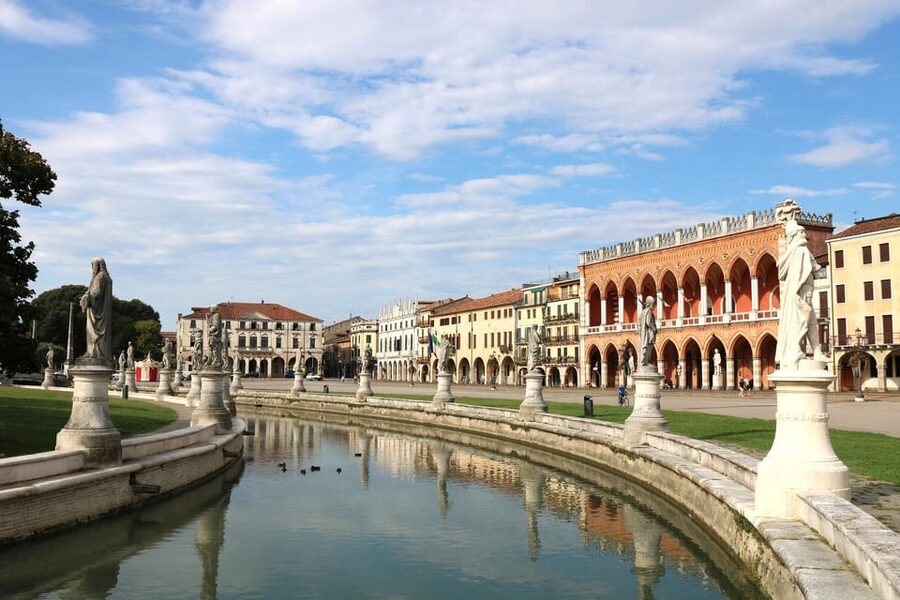
For some visitors, the city material will be useful before or after the chapel. Padua’s university is one of the city’s major cultural landmarks, while Erbe Square is part of the historic center. The audio guide lets you place the chapel within a larger walk through Padua.
Still, keep your expectations sensible. The guide is not described as a private art historian-led tour, and there are no named guides attached to this experience. One poor rating specifically reported that no audio guide was provided, while another visitor found the information too basic for the price. That means you should confirm that the audio device or access instructions are available before entering.
A pre-entry video may also explain the chapel before your timed admission. If that is part of your visit, the audio guide may feel less essential, especially if you already know Giotto’s work. For a first visit, though, the commentary can help you notice the structure of the cycle instead of simply admiring the colors.
Same place, a different route to walk:
- Florence: Timed Entry to Michelangelo’s David + Audio App
★ 4.6 · 19,496 reviews - Rome: City Sightseeing Hop-on Hop-off Bus with Audioguide
★ 4.0 · 16,045 reviews - Pompeii: Entry Ticket with Audio Guide
★ 4.1 · 13,491 reviews - Venice: La Fenice Opera House Entry Ticket with Audio Guide
★ 4.6 · 11,742 reviews
Is $36 a fair price for the visit?
The answer depends on what you value. You are paying for admission to a tightly controlled UNESCO-listed site, a timed place in a small group, and an audio guide that covers both the chapel and parts of Padua. If your schedule is short and you want the entry arranged in advance, that convenience has value.
But $36 is not a bargain admission price. Several low ratings focused on the cost and advised booking through Padua’s official museum channels instead. One visitor said the direct source cost about half as much, and another felt the audio guide did not justify the extra charge.
That is the key comparison to make before booking. If you can purchase an official ticket at a similar time and do not need the added booking service, the direct option may be better value. If official availability is limited or you prefer the flexibility of reserve now and pay later, this experience may still suit you.
The value also depends on the quality of the audio guide on your date. Since one booking was reported to have no audio guide, keep your ticket confirmation and check the instructions sent the day before. The chapel itself is the reason to go. The audio guide should be treated as a useful extra, not the sole reason to pay the higher rate.
The small-group setup and the practical rules
A group limit of 10 is a real advantage in a small chapel. You are less likely to be part of a large crowd, and the visit should feel more orderly than a general admission rush. The small-group format does not turn this into a private tour, however. The central experience remains a timed entry with an audio guide.
The ticket-line benefit is helpful, but it does not mean you can arrive at the last moment. Skip-the-line access saves you from waiting in the regular ticket queue, while the 20-minute early arrival gives the venue time to organize admission and protect the schedule.
Pack lightly. Large bags and luggage are not allowed, and there is no hotel pickup or drop-off included. Food and drinks are also not included, so plan those separately before or after your visit. Comfortable shoes are listed as the only required item, which makes this easy to pair with a walking day in Padua.
The experience is not suitable for wheelchair users. That restriction should be checked before booking rather than discovered at the entrance.
How the experience fits into a Padua day
The 30-minute chapel visit is easy to fit into a wider city plan. The audio guide’s references to the University of Padua and Erbe Square give you two natural subjects for the rest of your time in the city, though transportation and additional admissions are not part of this activity.
I would avoid placing the chapel at the very end of a tightly timed day. The required early arrival and the fixed entry schedule mean you need a buffer. A little spare time also helps you appreciate the visit instead of watching the clock.
The chapel is best for a focused cultural stop, not for anyone expecting a full walking tour of Padua. You will not receive hotel transportation, meals, or a long live-guided program. What you get is a short, organized way to see one of Italy’s major fresco cycles.
Who should book this experience?
I would recommend it to you if Giotto is a priority, you have limited time in Padua, or you prefer a prearranged timed entry. It also suits first-time visitors who want enough audio context to understand why the chapel matters without committing to a long art tour.
It is less appealing if you are price-sensitive and comfortable arranging museum tickets yourself. At $36, the convenience needs to matter. You may also be disappointed if you expect insider commentary, a named art historian, or a detailed city tour. The available commentary is built from seven tracks, and the information may feel basic if you already know the chapel well.
The strongest part is the artwork itself. The chapel has received very positive reactions for its impact and careful organization, while the complaints center on cost, audio-guide availability, and ticket recognition. That is a useful split: the destination is not the weak link. The booking value and delivery of the extras deserve closer attention.
Booking advice before you commit
Book ahead because entry is limited, and expect the tickets to arrive the day before the visit. Check your email carefully, confirm the meeting point at the entrance to Cappella degli Scrovegni, and arrive 20 minutes early.
You can cancel up to 24 hours before the activity for a full refund, and the reserve now, pay later option keeps your plans flexible. Those terms help if your Padua schedule is still changing, but they do not remove the need to confirm the audio-guide details.
Should you book the Scrovegni Chapel ticket?
Book it if you want a simple, timed visit to Giotto’s frescoes and value having the entry arranged in a small group. The chapel is the kind of place that can justify a special stop, even though the visit lasts only 30 minutes.
Before paying $36, compare the price with Padua’s official museum channels. If the official ticket is available and you do not need the extra booking flexibility, it may be the smarter buy. If convenience, cancellation terms, and a seven-track introduction matter more, this option can work well.
The safest reason to book is the art, not the audio guide. Go for Giotto’s color, movement, and human expression. Treat the commentary and ticket service as useful support, and verify both before your visit.
FAQ
How long does the Scrovegni Chapel experience last?
The listed duration is 30 minutes.
What is included in the ticket?
Admission to the Scrovegni Chapel and an audio guide are included.
How many audio-guide tracks are provided?
The audio guide has seven tracks covering the Scrovegni Chapel, the University of Padua, and Erbe Square.
When should I arrive?
You should arrive at least 20 minutes before your scheduled entry.
Can I take photographs inside the chapel?
No. Photography is not allowed inside the chapel to protect the frescoes.
Can I bring luggage or a large bag?
No. Luggage and large bags are not allowed.
Is the experience suitable for wheelchair users?
No. The activity is listed as unsuitable for wheelchair users.
Just added around Italy
- Genoa Historic Centre Quest: A Self-Guided Puzzle Adventure★ 4.0 · 3 reviews
- Genova Walking Tour with Audio and Written Guide by a Local★ 4.5 · 33 reviews
- Self-Drive (No Licence) Boat Rental in Portofino Gulf★ 5.0 · 12 reviews
- Finance and Nobility: Explore medieval Genoa on a self-guided audio tour★ 4.5 · 7 reviews
- Florence: Uffizi Gallery Reserved Ticket & Digital Audio Guide★ 4.5 · 3 reviews
- Around Florence Hills: App‑Guided e‑Vespa Tour + Wine&Food★ 4.5 · 22 reviews
- Florence: Uffizi Gallery Audio Guided Tour led by Tour Leader★ 3.5 · 6 reviews
- Uffizi Gallery: Self-guided App Visit & Optional Accademia Museum★ 4.0 · 19 reviews
Italy Audio Tours, compared.
Rome: Pantheon Fast-Track Ticket and Official Audioguide
Read our review →
Rome: Colosseum & Forum with Audio Guide App -Optional Arena
Read our review →
Venice: Grand Canal Gondola Ride with App Commentary
Read our review →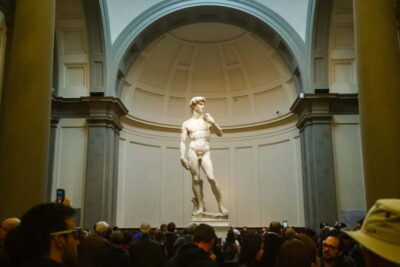
Florence: Timed Entry to Michelangelo’s David + Audio App
Read our review →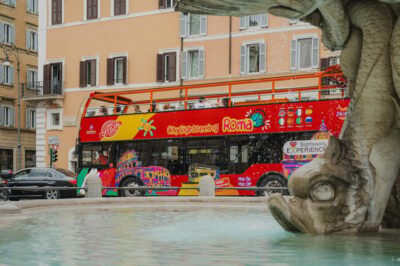
Rome: City Sightseeing Hop-on Hop-off Bus with Audioguide
Read our review →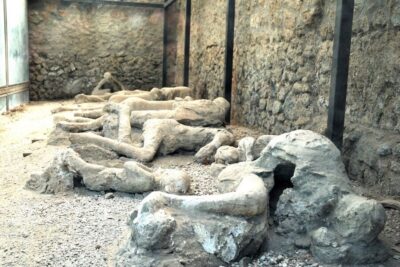
Venice: La Fenice Opera House Entry Ticket with Audio Guide
Read our review →