
REVIEW · ITALY AUDIO TOURS
Naples: National Archaeological Museum Ticket & Audio App
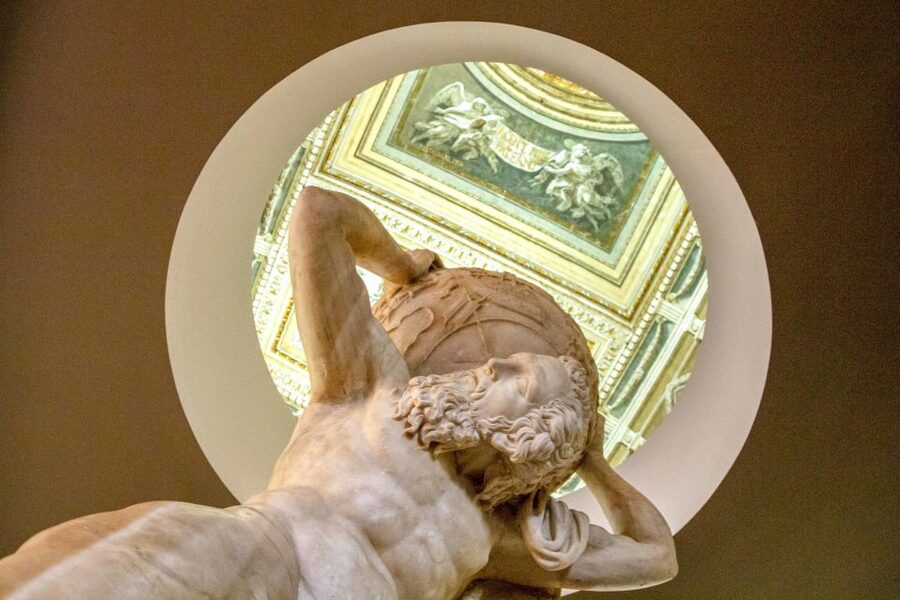
The best reason to visit Naples National Archaeological Museum is simple: much of what Pompeii and Herculaneum lost is preserved here. After walking through the ancient streets, you can see the frescoes, mosaics, cooking pots, glass vessels, and sculptures that make those ruins feel personal rather than merely impressive. The museum also holds the Farnese Collection, including the famous Farnese Marbles and engraved gems.
I like the way this ticket lets you plan your own pace, and I like the sheer range of the collection. You can move from monumental Roman sculpture to small household objects, then on to Egyptian pieces and the Secret Cabinet. The main caution is the digital audio app. Some visitors found it slow to download or not much use, so do not book this expecting a full guided tour.
Key points to know before you go
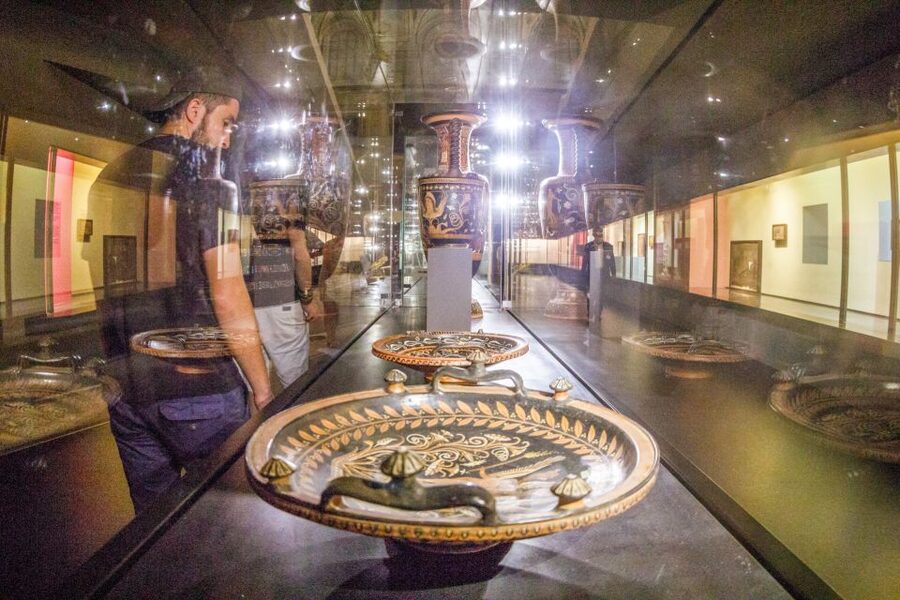
- Pompeii objects in a museum setting: See delicate frescoes, mosaics, glassware, cooking vessels, and other finds that are not all visible at the archaeological sites.
- The Farnese Collection: Look for major Greek and Roman sculpture, engraved gems, and the imposing Farnese Marbles.
- A visit of three to five hours: The museum is large, so a quick stop only works if you choose a short list of rooms.
- A useful companion to Pompeii: The displays help explain the daily life and art you encounter at the ruins.
- One ticket, one entry: Your admission is valid for a single entry during one day, with no reentry.
- Audio app with mixed value: It is included, but it may take time to download and is not the same as a live guided tour.
Why this museum belongs on your Naples plan
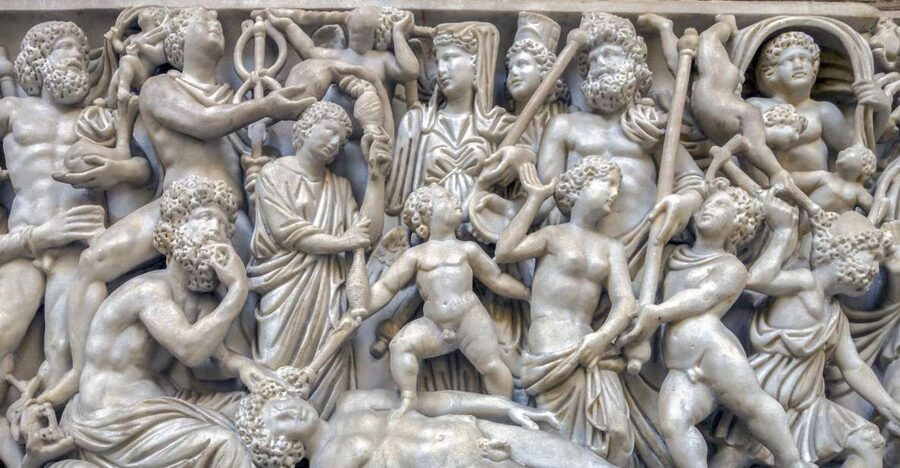
Naples National Archaeological Museum is one of those places where the ancient world arrives in several sizes. A colossal marble figure can share the same visit with a tiny coin, a painted wall panel, or a cooking pot recovered from a Roman home.
That scale makes the museum useful before or after Pompeii. Before the ruins, it gives you a visual primer on Roman art and domestic life. After Pompeii, it fills in what the open-air site cannot show. Many delicate objects were removed from Pompeii and Herculaneum for protection, and seeing them indoors gives you a clearer sense of the homes, tastes, and habits behind the surviving walls.
The museum began in the mid-18th century under Charles III of Spain. Its main collections grew from Greek and Roman antiquities, with the Farnese Collection forming a major core. Today, you are not visiting a small specialist gallery. You are entering a large museum that rewards a planned visit.
More Museum Audio Guides in Italy
- Venice: St. Mark Basilica Ticket, Audioguide+History Gallery
★ 3.9 · 4,780 reviews - Rome: Borghese Gallery Skip-the-Line Ticket & Audioguide
★ 4.3 · 4,318 reviews - Rome: Borghese Gallery Ticket + Audioguide or Guided Tour
★ 4.6 · 3,219 reviews
Pompeii and Herculaneum, the most useful rooms for site visitors
If you have only limited time, put the Pompeii and Herculaneum material near the top of your list. This is where the museum connects most directly with a visit to the ruins.
You can see mosaics and frescoes removed from ancient houses, along with ordinary objects that rarely survive in such quantity. Glass vessels, cooking pots, and household pieces may sound modest compared with marble gods, but they often make the strongest connection to daily life. A painted wall tells you how a Roman homeowner wanted to be seen. A kitchen object tells you how the household actually worked.
The displays also include a miniature model and a video presentation related to Pompeii. These are helpful when the archaeological site feels too large to understand all at once. Pompeii can be a tiring walk through scattered buildings, while the museum gathers important objects into a more focused setting.
I would place this visit after Pompeii or Herculaneum if your schedule allows. You will recognize styles, figures, and objects from the ruins, and the museum will give more meaning to what you saw outside. If you visit the museum first, you will gain useful background and may notice details at Pompeii that would otherwise pass quickly.
The Farnese Collection and its giant sculptures
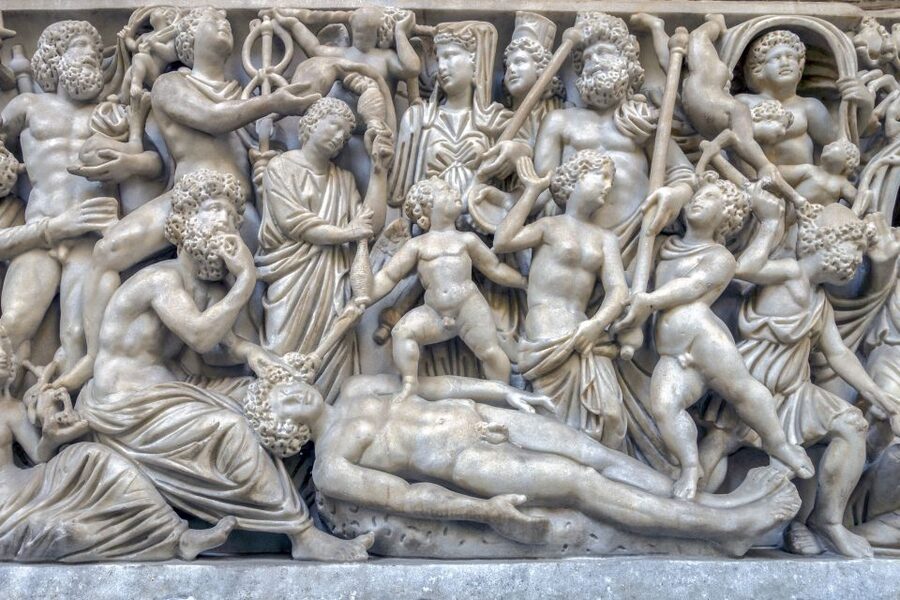
The Farnese Collection gives the museum its grandest visual moments. The collection includes engraved gems and the Farnese Marbles, along with major Greek and Roman sculptures.
This is the part of the museum for visitors who enjoy large-scale art and dramatic bodies carved in stone. The sculptures are not simply decorations in a quiet gallery. They show how Roman collectors valued Greek art and how later aristocratic collections preserved and displayed ancient works.
The scale can be surprising. After looking closely at a small gem or coin, you may enter a room dominated by a huge statue. That contrast is one reason you should not rush from gallery to gallery. Give yourself time to look at how the sculptors handled faces, hair, muscles, drapery, and movement.
The Farnese rooms also work well for visitors who are less interested in archaeology as a technical subject. You do not need specialist knowledge to appreciate the physical presence of the works. A few minutes with a monumental sculpture can be enough, but the collection deserves longer if ancient art is a main reason for your visit.
Roman homes, frescoes, mosaics, and everyday objects
The museum is not only about emperors and heroes. Its Pompeii material includes the smaller pieces that help you picture a household.
Frescoes show how rooms were decorated, while mosaics reveal the care given to floors and thresholds. Glassware and cooking pots bring the subject down to a practical level. These objects are especially valuable after a visit to Pompeii, where you walk past houses but may not see every item that once filled them.
I like to spend time with the ordinary objects before returning to the famous sculptures. They provide scale. Ancient cities were not made only of temples and public monuments. They were also kitchens, dining rooms, courtyards, shops, and private rooms.
The museum’s displays are also useful for comparing Pompeii and Herculaneum. The two sites preserve different kinds of evidence, and the museum brings many related objects together. You might find that a small vessel or painted fragment gives you a sharper idea of Roman life than a grand statue does.
More Smartphone App Tours in Italy:
- Rome: Colosseum & Forum with Audio Guide App -Optional Arena
★ 4.2 · 24,770 reviews - Venice: Grand Canal Gondola Ride with App Commentary
★ 4.1 · 23,020 reviews - Florence: Timed Entry to Michelangelo’s David + Audio App
★ 4.6 · 19,496 reviews - Rome: Colosseum, Forum, Palatine Hill Entry & Audioguide App
★ 4.4 · 10,957 reviews
The Egyptian section and other collections
The museum includes a section devoted to Egyptian artifacts, adding another layer to the visit. The supplied information notes that this section was closed until March 31, 2023. Because that closure date is old, check the current status before you go if the Egyptian collection is important to you.
You can also find a section on the history of coins. It is easy to skip coin displays when larger works are nearby, but this area offers a different way to understand the ancient world. Coins carry faces, symbols, writing, and political messages in a compact form.
The museum’s breadth is both its strength and its challenge. You can spend several hours here without seeing every room properly. One visitor found four hours appropriate, while another spent about five hours taking a slower look. I would plan for at least three hours and more if you want both the major sculpture galleries and the Pompeii material.
If you have only 90 minutes, choose your priorities before entering. The museum is too large for an unplanned attempt to see everything.
The Secret Cabinet and Roman erotic art

The Secret Cabinet is one of the museum’s best-known collections. It focuses on the erotic side of ancient Roman life and offers a different view of Roman culture from the formal sculpture galleries.
This area may not suit every visitor, but it is important because it shows that ancient art was not limited to public religion, military power, and idealized bodies. The objects also raise questions about how later generations classified and controlled ancient images.
Treat the Secret Cabinet as a distinct stop rather than something to rush through. Its content can be direct, and families or mixed-age groups may want to decide in advance if it fits their visit. The supplied information identifies it as a celebrated collection, but access details and display arrangements can change, so follow the museum’s current directions.
The digital audio app, useful extra or weak link?
The ticket includes a digital audio guide, accessed through the supplied link with a username and password. That sounds convenient, but you should set modest expectations.
Some people found the app slow to download or not useful enough to continue using. Others simply toured the museum without it, helped by the English and Italian information displayed in the galleries. It is best treated as a bonus, not the main reason to choose this ticket.
Download or open the guide before you are standing in the entrance area if possible. Bring a charged phone and headphones if you want to use it. Also remember that this is not a live guided tour. No guide is included, and the quality of your visit will depend mainly on the museum labels, your preparation, and the amount of time you allow.
If you want a structured, spoken explanation of every major work, you may need to arrange a separate museum audio guide or guided tour. That is an important distinction when comparing prices.
Timing, crowds, and the one-entry rule
The ticket is valid for one day and one entry. You cannot leave for lunch and return on the same ticket, so plan your break before you pass through the entrance. The museum has a cafe, and food prices were described as reasonable, but a meal break inside still needs to fit within your single visit.
Arriving near opening time is a smart choice if you want quieter galleries and clearer photographs. A later visit may work well in the off-season, when the ticket counter and museum can be calm, but busy periods are less predictable. One practical pattern is to start with the most important galleries and leave secondary collections for later, rather than saving the famous rooms until the end.
You must exchange your smartphone voucher at the museum ticket office for an official entrance ticket. That extra paper-ticket step feels old-fashioned, but it matters. Do not assume that showing the digital voucher at the gallery entrance is enough.
A security check is required before entry. Bring your passport or identity card, as requested in the booking information. The museum is wheelchair accessible, though the Vittorio Emanuele apartments are not accessible to people with impaired mobility.
The museum is also easy to reach by Metro, according to the supplied visitor information. It can work well in a day built around central Naples, and one visitor walked from the cruise port, though exact walking time will depend on your route and pace.
Is the $29 price good value?
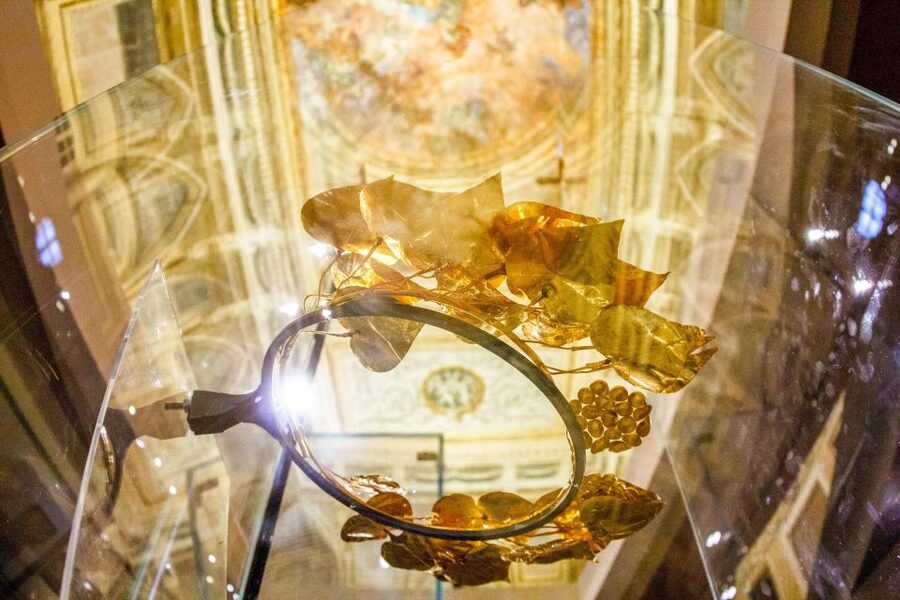
At $29 per person, this ticket is reasonable if you use the museum properly. The collection is large, the Pompeii and Herculaneum objects are unusually valuable to anyone visiting the archaeological sites, and three to five hours gives the admission a fair return.
The value is less clear if you plan to stay only an hour or if you are paying mainly for the audio app. The app is not consistently praised, and several people felt the basic museum ticket would have been enough. In that case, compare this package with the museum’s direct ticket price before booking.
The main convenience is advance planning. During quiet periods, you might find no line and could possibly buy directly at the museum. At busier times, advance booking can save time, though you still need to exchange the phone voucher for the official ticket. The ticket also allows free cancellation up to 24 hours ahead and offers a reserve-now, pay-later option, which helps if your Naples schedule is still shifting.
Who will enjoy this visit most?
This museum suits you best if you like ancient art, Roman daily life, Pompeii, Herculaneum, or large sculpture collections. It is also a good choice for cruise passengers and anyone using Naples as a base for the archaeological sites.
You will get the most from it if you can handle a long museum visit and do not need every object explained by a live guide. Families can choose the galleries that match their interests, though the Secret Cabinet may require a little advance thought.
It is less suitable if you want a short, simple attraction with a fixed route. The museum is large and can feel mentally tiring after several hours. You should arrive with a short priority list rather than trying to conquer every room.
Should you book this Naples museum ticket?
Book it if Pompeii or Herculaneum is part of your trip and you want to understand the objects and art connected with those sites. The Farnese sculptures alone make the museum worthwhile, while the household objects, frescoes, mosaics, and video presentation add context that an outdoor ruin cannot provide.
I would book the ticket for the admission and treat the audio app as optional. Allow three hours at a minimum, four or five if you want a slower visit, and go early if quiet rooms matter to you. If you are visiting during a calm period and can easily buy a direct ticket, compare prices first. For most visitors with a full Naples itinerary, this is a strong museum stop and one of the best ways to give Pompeii a human scale.
FAQ
How long is the ticket valid?
The ticket is valid for one day and allows a single entry to the museum.
Can I leave and reenter the museum?
No. The ticket does not include reentry, so plan any cafe or meal break within your visit.
Is a guided tour included?
No. The package includes museum entry and a digital audio guide, but not a live guided tour.
What should I bring?
Bring your passport or identity card. You will also need to pass through a security check before entering.
Is the museum wheelchair accessible?
The activity is listed as wheelchair accessible. The Vittorio Emanuele apartments are not accessible to people with impaired mobility.
Can I cancel the booking?
Yes. Cancellation is free up to 24 hours in advance for a full refund. You can also reserve now and pay later.
Just added around Italy
- Genoa Historic Centre Quest: A Self-Guided Puzzle Adventure★ 4.0 · 3 reviews
- Genova Walking Tour with Audio and Written Guide by a Local★ 4.5 · 33 reviews
- Self-Drive (No Licence) Boat Rental in Portofino Gulf★ 5.0 · 12 reviews
- Finance and Nobility: Explore medieval Genoa on a self-guided audio tour★ 4.5 · 7 reviews
- Florence: Uffizi Gallery Reserved Ticket & Digital Audio Guide★ 4.5 · 3 reviews
- Around Florence Hills: App‑Guided e‑Vespa Tour + Wine&Food★ 4.5 · 22 reviews
- Florence: Uffizi Gallery Audio Guided Tour led by Tour Leader★ 3.5 · 6 reviews
- Uffizi Gallery: Self-guided App Visit & Optional Accademia Museum★ 4.0 · 19 reviews
Italy Audio Tours, compared.

Rome: Pantheon Fast-Track Ticket and Official Audioguide
Read our review →
Rome: Colosseum & Forum with Audio Guide App -Optional Arena
Read our review →
Venice: Grand Canal Gondola Ride with App Commentary
Read our review →
Florence: Timed Entry to Michelangelo’s David + Audio App
Read our review →
Rome: City Sightseeing Hop-on Hop-off Bus with Audioguide
Read our review →

Venice: La Fenice Opera House Entry Ticket with Audio Guide
Read our review →
Rome: Colosseum, Forum, Palatine Hill Entry & Audioguide App
Read our review →Browse the lists this tour appears in