
REVIEW · BARCELONA AUDIO TOURS
Mon St Benet Self Guided Medieval Experience
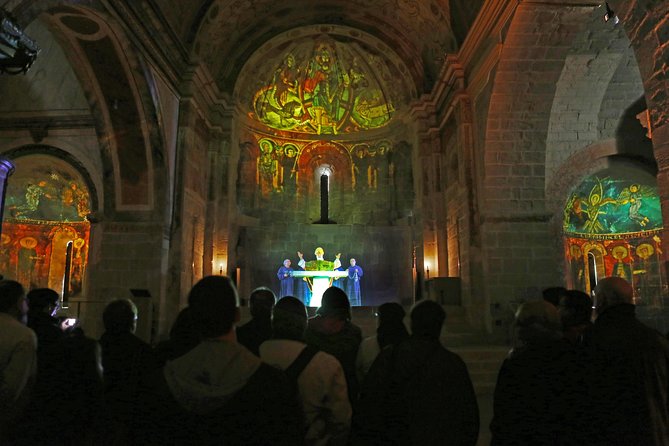
Sant Benet de Bages gives you a rare look at monastic life without requiring a full day away from Barcelona. The one-hour route leads through the church, cloister, wine cellar, and former cells, while voices, sounds, images, and short videos bring the old walls to life.
I like the automatic audio explanations, which begin as you move through the site, and the well-paced videos that add context without dragging. I also like the contrast between the medieval monastery and the nearby modern culinary research centre, restaurants, and shops.
The main consideration is the format: this is self-guided, not a live tour with a guide answering questions. The grounds and wider complex may reward extra time, but the core medieval route itself takes about an hour.
Key points to know before you book
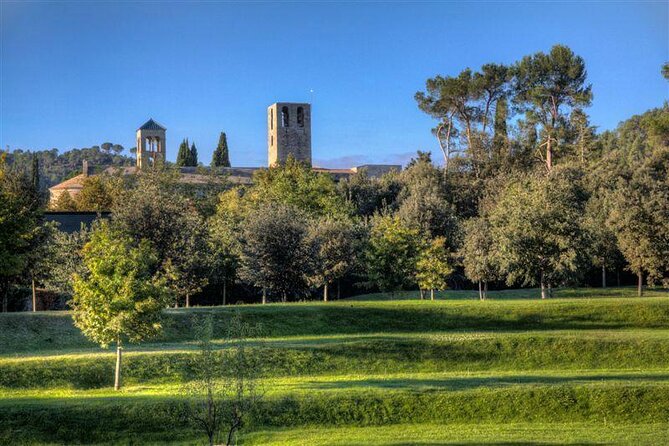
- A 1,000-year-old monastery: Walk through Sant Benet de Bages, a historic site just outside Barcelona.
- Four important monastery areas: The route includes the church, cloister, wine cellar, and cells in the Montserrat gallery.
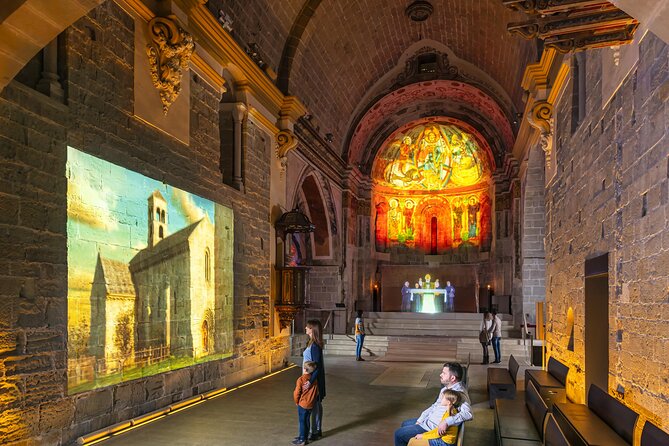
- Audio and video work together: Explanations activate automatically, with images and historical scenes along the way.
- A striking monk scene: A projected or displayed image of a monk at work is one of the tour’s most memorable details.
- Modern facilities nearby: The monastery complex also includes a culinary research centre, restaurants, and shops.
- Good value for a short visit: At $18.51 per person, the experience suits anyone wanting a focused cultural stop rather than a long guided excursion.
Entering Sant Benet de Bages near Barcelona
Món Sant Benet is more than a single old building. It is a cultural and leisure complex built around a medieval monastery, set in natural surroundings a short distance outside Barcelona.
That setting matters. You are not simply walking into a museum room filled with objects. You move through the actual spaces associated with monastic life, then encounter modern buildings and services close by. The result is a visit with two very different sides: a thousand-year-old religious site and a contemporary centre connected to food and culinary research.
The experience is offered with a mobile ticket and audioguide, so you can follow the route at your own pace within the visit. Since the tour lasts about one hour, it is easy to fit into a day in the area. You should still allow time for arrival and for looking around the wider complex if you want more than the main route.
The experience is often booked about five days ahead. That does not mean you need to plan months in advance, but booking early is sensible if your Barcelona schedule is fixed.
More Audio Tours in Barcelona:
- Barcelona: Sagrada Familia Entry Ticket with Audio Guide
★ 4.6 · 105,312 reviews - Barcelona: Casa Batlló Entry with Self-Audioguide Tour
★ 4.7 · 25,359 reviews - Barcelona: Palau de la Música Self-Guided Tour
★ 4.6 · 3,603 reviews
The church: the first sense of monastic life
The church is one of the main stops on the route. Here, the audio presentation helps explain the role of the monastery and the people who lived within it.
The value of this section is not only the architecture. The experience aims to show how the building functioned as part of daily religious life. Voices, everyday sounds, and images from the past appear between the old walls, giving you more than a silent walk through an ancient interior.
I like this approach because it gives the church a human scale. Instead of simply asking you to admire stonework, it points you toward the lives connected with the place. You begin to understand that a monastery was a working community, not just a beautiful building.
The audio format also helps if you prefer to pause and look around. The explanations are designed to activate automatically, so you do not need to keep checking a printed guide or search for the next numbered panel. That makes the visit feel less mechanical.
Still, a self-guided system has limits. If you have a detailed question about religious practice, architecture, or Catalan history, there is no live guide included to offer a personal answer. You receive a planned interpretation rather than a conversation.
The cloister: the monastery’s quiet centre
The cloister is likely to be the emotional centre of the visit. Its covered walkways and enclosed open space show how monks moved through the monastery and connected its different parts.
This is where the audio and visual material can work especially well. The presentation does not rely on walls of text. Instead, the site uses sound and images to suggest the activity that once filled these spaces.
Take your time here. The tour is only about an hour, but you do not need to rush from one point to the next. Look closely at the architectural details, then listen for the explanation before moving on. The automatic narration makes it easier to keep your attention on the building rather than on operating the ticket or device.
The cloister also gives you a sense of how contained monastic life could be. The route helps you picture movement between prayer, work, and practical tasks. It is an effective stop for families and for anyone who finds a purely object-based museum visit too dry.
One useful detail from the experience is the use of videos. They are described as complete and suitable in length, without becoming tiring. That balance matters. Historical displays can lose you when every point turns into a long lecture. Here, the visual material is meant to support the rooms, not overwhelm them.
The wine cellar and the working side of the monastery
The wine cellar adds a practical note to the visit. Monasteries were places of prayer, but they also had to feed and support their communities. A cellar helps you think about production, storage, and the everyday work behind religious life.
This stop broadens the picture of Sant Benet. The church shows the spiritual side of the community. The cloister shows its layout and rhythm. The wine cellar points toward the labour and resources needed to keep the monastery running.
You may find this part especially useful if you prefer social history to grand architecture. The route is not only about famous people or formal religious events. It focuses on what life was like for the monks who lived there.
The cellar is also a good example of why this experience works better than a quick exterior visit. From outside, an old monastery can look impressive but remote. Moving through spaces such as the cellar gives the site a more practical character.
Keep your expectations realistic. The tour lasts approximately one hour, so the explanation cannot cover every detail of the monastery’s past. It offers a shaped introduction to the site, with a focus on atmosphere and daily life rather than an academic study.
Same place, a different route to walk:
- Casa Batllo Admission Ticket with Intelligent Audio Guide
★ 4.5 · 3,168 reviews - La Pedrera-Casa Mila Admission Ticket with Audioguide
★ 4.5 · 1,032 reviews - Gaudi´s Casa Vicens Skip the Line Ticket with Audioguide
★ 4.5 · 685 reviews - Erotic Museum Admission Ticket with Audioguide
★ 5.0 · 527 reviews
The Montserrat gallery and the monks’ cells
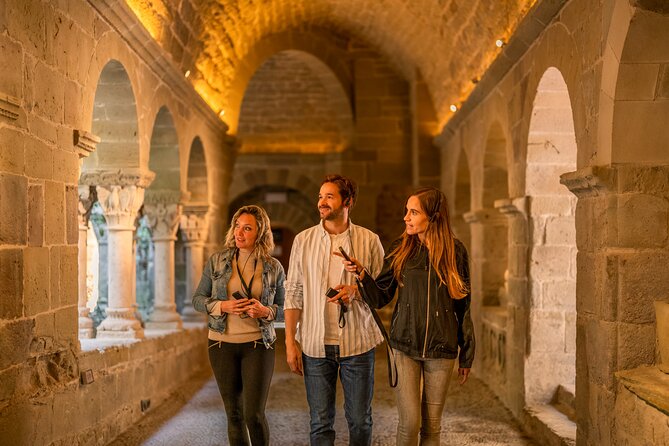
The route continues to the cells in the Montserrat gallery. This section brings you closer to the private side of monastic life.
A church and cloister are shared spaces. A cell suggests solitude, routine, and personal limits. Seeing these rooms helps you understand the difference between public worship and the quieter parts of a monk’s day.
The tour’s use of images and sound is important here. The aim is to make the past feel present without filling the rooms with modern clutter. One especially surprising image shows a monk working. It is a small detail, but it gives the presentation a memorable human figure.
I would pay attention to how the experience uses the old rooms as part of the storytelling. Rather than separating every object behind glass, the route lets the architecture carry much of the message. The result is more atmospheric than a conventional historical display.
This part may appeal to visitors interested in Catalan identity and regional history. The tour places Sant Benet within the wider story of Catalonia, though the information supplied does not describe a detailed chronological lecture. Expect a focused interpretation of the monastery rather than a complete survey of the region.
The audiovisual presentation and automatic explanations
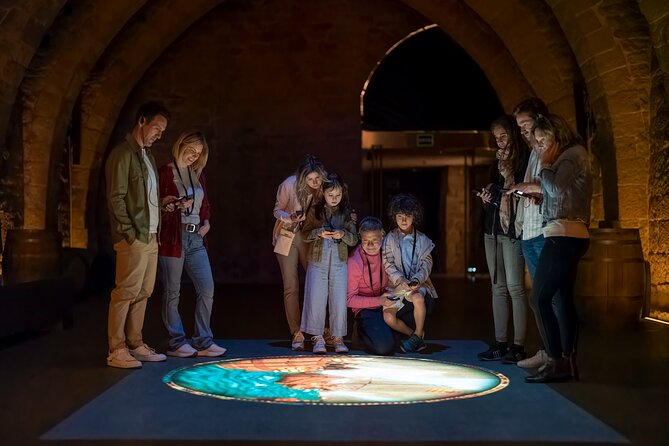
The strongest feature of this experience is the way technology is used inside an old site. The audioguide activates automatically as you move through the route, and videos add visual context.
That means you can concentrate on the setting. You are not constantly looking down at a screen to find the right track. You can listen, watch, and then look back at the real room around you.
The videos are short enough to support the visit rather than dominate it. This is important for people who want history explained clearly but do not want to spend a long time in front of screens.
The presentation also helps create a sense of the past through voices and everyday noises. You are not only given dates and names. You hear suggestions of activity and routine, which makes the rooms easier to imagine as lived spaces.
There is one trade-off. An automated presentation follows a set route. You cannot easily ask it to explain one object in greater detail or change the order around your interests. If you like the freedom of wandering and reading at random, the structure may feel slightly controlled.
For most visitors, though, the system is simple. The tour is designed to be practical, and the automatic explanations remove much of the usual fuss associated with audio tours.
The wider Món Sant Benet complex
The medieval monastery is the main reason to book, but it is part of a larger project. Close to the old site you will find an international culinary research centre, restaurants, and shops.
That modern addition gives Món Sant Benet a different character from a stand-alone ruin. You can connect the old monastery with Catalonia’s continuing interest in food, agriculture, and culinary culture.
The information provided does not specify a separate guided visit of the culinary centre, nor does it say that a meal is included. Treat those facilities as nearby additions rather than guaranteed parts of the one-hour medieval route.
Lunch and drinks are not included in the price. If you plan to eat at the complex, budget separately. Restaurants and shops may make the visit more convenient, but they do not change what is covered by the ticket.
The natural grounds around the monastery are another reason not to treat the experience as a quick indoor stop. The medieval route is short, but the setting gives you space to slow down before or after the audio tour.
Is $18.51 good value for one hour?
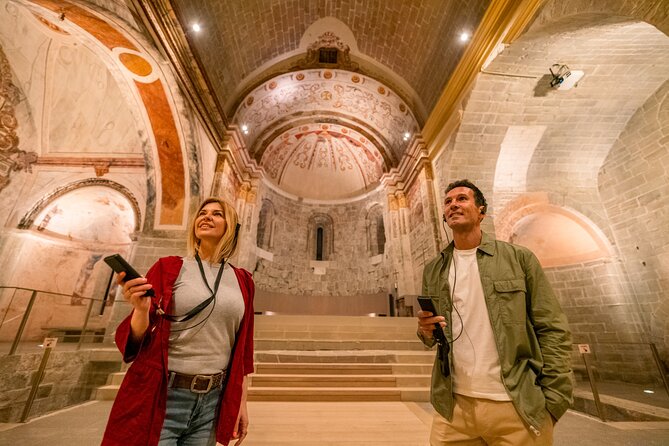
At $18.51 per person, this is a reasonable price for a focused cultural visit. You are paying for admission to an important historic site, an audioguide, and a produced presentation using sound, video, and historical imagery.
The value is strongest if you want structure. Instead of paying only to enter an old building and figuring out the meaning for yourself, you receive an explanation of the church, cloister, cellar, and cells.
It is less compelling if you want a full-day excursion with transportation, a meal, and a live expert. None of those are included. You must arrange your own transportation to and from the attraction, and lunch and drinks cost extra.
The one-hour duration can be a benefit. It leaves room for other plans and does not demand the stamina of a long museum visit. Families, casual history fans, and visitors with limited time may see this as a fair exchange.
You should also remember that the ticket is for a self-guided experience. Some people prefer that freedom and quiet. Others will feel that a live guide would add more personality and depth.
Who will enjoy this medieval experience?
I would recommend Sant Benet de Bages to you if you want to see a historic monastery but prefer a clear, modern presentation. The automatic audio and short videos make the story easier to follow than a bare architectural visit.
It also suits you if you are interested in how people lived and worked. The route includes practical spaces, not just ceremonial ones, and it presents the monks as people with daily routines.
Families may appreciate the audiovisual elements, especially because the explanations are not designed to become heavy or exhausting. The monk-at-work scene adds a visual point that younger visitors may remember.
The experience is also a good fit for independent visitors. You can follow the route without joining a live group, and the ticket is mobile. A maximum group size of 40 is listed, but the audio format means the visit still feels more personal than a large guided march.
You may want a different option if you need extensive historical detail, personal questions answered on the spot, or transport from Barcelona included. You should also allow extra time if the natural grounds, restaurants, shops, or culinary facilities interest you.
Practical details before you go
Confirmation is provided when you book, and the ticket is delivered for mobile use. Transportation to and from the attraction is not included, so check your route before setting out.
The tour is listed as suitable for most participants. No special restrictions are provided, so you should not assume that every individual need is covered without checking directly before booking.
The cancellation policy is flexible if your plans are uncertain. You can cancel for a full refund up to 24 hours before the local start time. Cancellations or changes made less than 24 hours beforehand are not accepted for a refund.
Because the experience is often booked about five days in advance, I would reserve it once your day outside Barcelona is settled. That gives you a better chance of fitting the visit into your schedule without last-minute pressure.
Should you book Sant Benet de Bages?
Book this experience if you want an affordable, one-hour introduction to Catalan monastic life with strong audiovisual support. The church, cloister, wine cellar, and monks’ cells give you a varied route, while the automatic explanations keep the visit easy to follow.
I especially like it for visitors who enjoy historic buildings but do not want to read long panels or join a formal group. The short videos, everyday sounds, and memorable monk-at-work image add life to the old rooms.
Skip it if you are seeking included transport, lunch, or a live historian. For everyone else, $18.51 buys a focused visit with enough substance to make Sant Benet more than a quick photograph stop.
FAQ
Where is Món Sant Benet?
Món Sant Benet is just outside Barcelona, Spain, in natural surroundings.
How long does the medieval experience take?
The self-guided medieval experience takes approximately one hour.
What areas of the monastery can I visit?
The route includes the church, cloister, wine cellar, and cells in the Montserrat gallery.
Is an audioguide included?
Yes. An audioguide is included with the experience, and the explanations activate automatically as you move through the route.
Is transportation from Barcelona included?
No. Transportation to and from the attraction is not included.
Are food and drinks included?
No. Drinks and lunch are not included. Restaurants are available within the wider Món Sant Benet complex.
Can I cancel for a full refund?
Yes. You can cancel at least 24 hours before the experience start time for a full refund. Changes or cancellations made less than 24 hours in advance are not accepted for a refund.
Just added around Barcelona
- Self-Guided Audio Tour – Legends of the Gothic Quarter★ 4.5 · 6 reviews
- Self-Guided Audio Tour-The Surrealist Barcelona of Dalí and Gaudí★ 3.5 · 8 reviews
- Love in the Gothic Quarter Barcelona: Self-Guided Romantic Walk★ 4.5 · 9 reviews
- Montjuïc Cable Car Entry Voucher with Audio Tour on Your Phone★ 3.5 · 37 reviews
- Barcelona Self-Guided Audio Tour★ 3.0 · 6 reviews
- Self-Guided Tours Barcelona: 150+ Captivating Audio Stories★ 5.0 · 4 reviews
- Barcelona Gothic Quarter Self-Guided Tour: Hidden Skull Route★ 5.0 · 10 reviews
- Montjuic Park Walking Tour with Audioguide on Your Smartphone★ 3.0 · 4 reviews
Barcelona Audio Tours, compared.
Barcelona: Sagrada Familia Entry Ticket with Audio Guide
Read our review →
Barcelona: Casa Batlló Entry with Self-Audioguide Tour
Read our review →
Barcelona: Palau de la Música Self-Guided Tour
Read our review →
Casa Batllo Admission Ticket with Intelligent Audio Guide
Read our review →
La Pedrera-Casa Mila Admission Ticket with Audioguide
Read our review →
Gaudi´s Casa Vicens Skip the Line Ticket with Audioguide
Read our review →
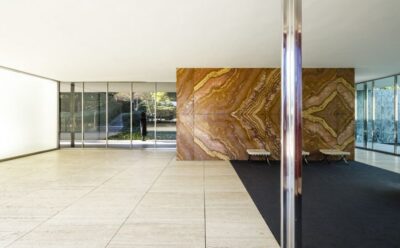
Barcelona: Mies van der Rohe Pavilion Ticket and Audio Guide
Read our review →Browse the lists this tour appears in