
REVIEW · ICELAND AUDIO TOURS
9 Days Self-Drive Tour with Pick Up – Ring Road Tour – 4×4 Campervan
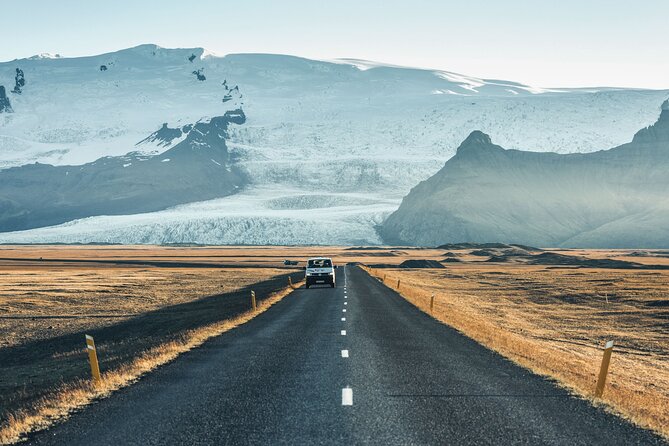
Iceland’s Ring Road is best experienced with room to stop, and this trip gives you that freedom while taking care of the hard planning. You’ll drive a 4×4 campervan from Keflavík through the south coast, Eastfjords, North Iceland, the Golden Circle, and Reykjavík, with major activities booked at set times.
I especially like the tablet with navigation and campsite information, plus the included Wi-Fi, airport shuttle, campsite fees, and activity reservations. The route also reaches places many short Iceland trips skip, including Seyðisfjörður, Ásbyrgi, and Grjótagjá. The main catch is its pace: nine days is a lot of driving, and fuel and parking costs need clarification before booking because the inclusions list is inconsistent.
Key points to know before booking
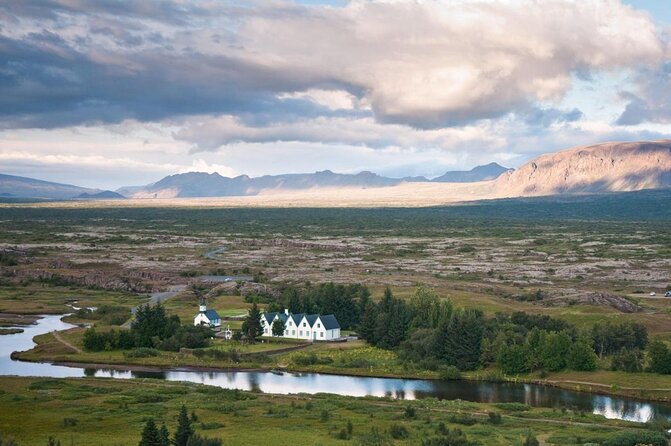
- A real Ring Road adventure: You cover the south coast, Eastfjords, Mývatn, Húsavík, Akureyri, the Golden Circle, and Reykjavík.
- Four standout booked activities: Horseback riding near Vík, a glacier hike at Skaftafell, a Jökulsárlón boat ride, whale watching from Húsavík, plus snorkeling at Silfra.
- Campervan support is a strong point: Wi-Fi, a navigation tablet, bedding, cooking gear, and campsite fees are provided.
- Several days are physically demanding: Glacier walking, Silfra snorkeling, and the Reykjadalur hike require good fitness.
- Allow extra money and time: Parking fees are not included, and the published information gives conflicting details about fuel.
- Best for independent drivers: You get a private trip for your own group, but you must manage weather, roads, meal planning, and departure times.
Why this campervan route works
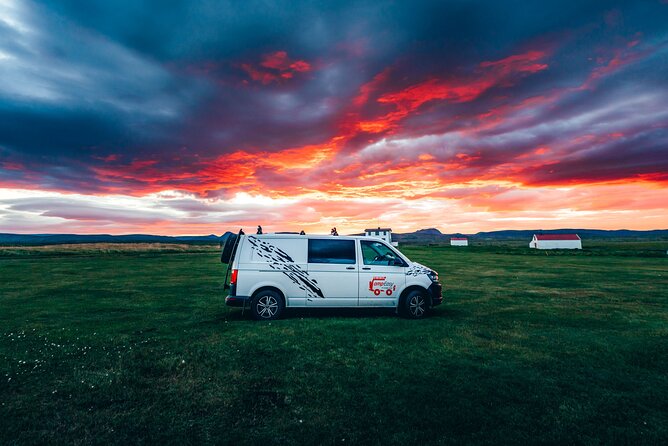
This is not a guided coach tour. You drive yourself, sleep in the campervan at campsites, and follow a prepared route with timed activities along the way. That gives you more control than a bus trip, but less freedom than a completely open-ended rental.
The planned structure is useful in Iceland because the distances are large and the roads can be slow. You do not have to work out how to fit a glacier hike, whale watch, and geothermal pool into the same week. The route does that for you.
The campervan setup is also practical. The vehicles are described as well stocked, with bedding, cooking equipment, storage, Wi-Fi, and a tablet for maps, campsite searches, parking reminders, and local rules. One 4×4 model has enough height to stand inside, along with a coffee maker, two coolers or refrigerators, a stove, and generous storage.
I would still treat the van as a compact base, not a hotel room. You will cook simply, organize your gear each night, and live close to the weather. That is part of the fun, but it takes a little patience.
The $2,613.18 price per person is not cheap. It can be good value if you use the included activities and campsite nights, since separate bookings for a glacier hike, whale watch, boat tour, horseback ride, and snorkeling can add up quickly. It also removes much of the planning work.
Before paying, ask specifically about fuel. The summary says gas is included, while the detailed exclusions say fuel is not included. That is too important to leave unclear. Parking at several major sites is also extra, and electricity or other campsite services cost more.
More Self-Guided Driving Tours in the world:
- Wroclaw: E-Car Tour and Audio Guide
★ 4.6 · 1,738 reviews - Gettysburg Battlefield Self-Guided Driving Audio Tour
★ 4.5 · 910 reviews - Explore Malta in a Self-drive Electric Car Tour
★ 5.0 · 839 reviews
Day 1: Reykjanes begins with fire and tectonic plates
Your first day starts with a complimentary shuttle from Keflavík International Airport or a selected hotel in Keflavík to the CampEasy office. The drive takes about five minutes. Pickups are offered at 8:00 a.m. and 5:00 p.m., so your arrival time matters.
After vehicle pickup and orientation, you visit the Reykjanes Peninsula. At the Bridge Between Continents, you can stand between the North American and Eurasian tectonic plates. It is a short, simple stop, but it gives the trip a clear sense of place right away.
Gunnuhver is more dramatic. Steam vents and mud pools churn across mineral-colored ground, with the Reykjanes lighthouse in the distance. Stay on marked paths and keep children close, since geothermal areas are not places for wandering.
Kleifarvatn Lake gives you a quieter finish. The lake is nearly 100 meters deep and surrounded by old moss-covered lava. This first day is not overloaded, which is sensible after an international flight, though you still need to learn the campervan and settle into campsite life.
Day 2: Waterfalls, black sand, and an Icelandic horse
The south coast begins with Seljalandsfoss, the famous waterfall with a path behind the falling water. Waterproof clothing is a good idea. The parking area charges a fee, even though access to the waterfall itself is free.
Skógafoss is broader and louder, with heavy spray and frequent rainbows. A short drive brings you to Kvernufoss as well. Together, these waterfalls give you two different views of Icelandic water: one delicate and walkable, the other powerful and thunderous.
At Dyrhólaey, you look over a huge sea arch and coastal cliffs. The area is also important for birdlife, though conditions and access can vary by season. Reynisfjara adds black sand, basalt columns, and offshore rock stacks. Pay attention to the ocean here and do not turn your back on the waves.
The 2:30 p.m. horseback ride near Vík adds a welcome change of pace. Icelandic horses are a distinctive part of the country’s culture, and an hour in the saddle is more personal than another viewpoint from a parking area.
You then continue to Fjaðrárgljúfur Canyon, known for its winding shape and steep green walls. The route finishes near Kirkjubæjarklaustur, where you can see Systrafoss and perhaps walk higher for a wider view.
This is a long day with several stops. Keep an eye on the clock for the riding appointment, and do not linger too long at the early waterfalls if you want time for the canyon and village.
Day 3: Glacier ice at Skaftafell and Jökulsárlón
The morning glacier hike begins at 9:30 a.m. near Skaftafell. You walk on Falljökull, an outlet of Vatnajökull, over about three hours and 15 minutes. This is a serious outdoor activity, not just a photo stop, so wear suitable clothing and follow the operator’s instructions.
Skaftafell National Park gives you time for additional walking. One popular path leads to Svartifoss, a waterfall framed by dark basalt columns. Park admission is free, but parking is not included.
The day’s great visual payoff comes at Jökulsárlón Glacier Lagoon. Icebergs break away from Vatnajökull and float toward the sea, where some wash up on Diamond Beach. The contrast between black sand and clear chunks of ice is one of Iceland’s most memorable sights.
At 4:30 p.m., an amphibian boat carries you among the icebergs for about 35 minutes. The guide explains the lagoon and geology in English, and you may taste a piece of ancient ice. Seals can sometimes be seen, but wildlife sightings are never guaranteed.
This day combines hard walking with a timed boat ride. Keep your campervan organized the night before, and arrive early for the glacier activity. The schedule leaves less room for delays than the first two days.
More Audio Tours in the world:
- Barcelona: Sagrada Familia Entry Ticket with Audio Guide
★ 4.6 · 105,312 reviews - Rome: Pantheon Fast-Track Ticket and Official Audioguide
★ 4.5 · 27,353 reviews - Barcelona: Casa Batlló Entry with Self-Audioguide Tour
★ 4.7 · 25,359 reviews - Rome: Colosseum & Forum with Audio Guide App -Optional Arena
★ 4.2 · 24,770 reviews
Day 4: Eastfjords and the quiet side of Iceland
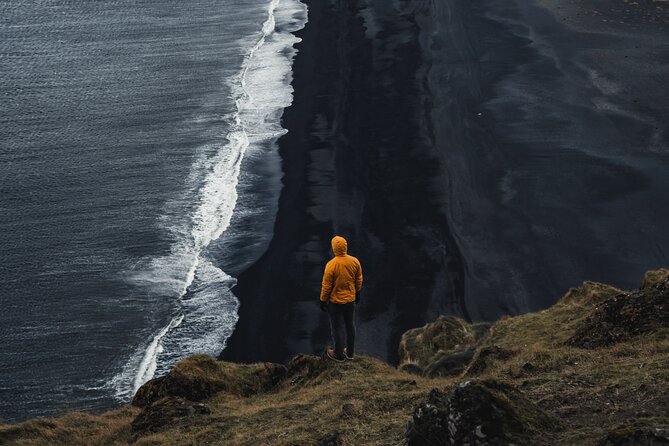
Djúpivogur is a pleasant stop before the Eastfjords. Its harbor has 34 granite bird sculptures called the Eggs of Merry Bay. They represent local bird species and stretch along the waterfront.
You can also choose the Petra Stone Collection, a private mineral collection with thousands of stones gathered across Iceland. It is an optional extra, not part of the included admissions, so decide based on your interest and available daylight.
Hallormsstaður offers walking paths through Iceland’s most significant forest. The area can feel surprisingly different after days of open volcanic ground. Wild reindeer may be seen in early spring, though sightings are not promised.
Another optional stop is Skriðuklaustur, a farmstead and historic site near a waterfall. Again, admission is extra. The route then reaches Seyðisfjörður, a small village surrounded by steep mountains and colorful houses.
I like this day because it slows the rhythm. You are not simply collecting famous sights. You are seeing villages, forest, harbor art, and a quieter part of Iceland. The tradeoff is that the Eastfjords add driving time, so this is not a restful day in the ordinary sense.
Day 5: Mývatn’s volcanic side
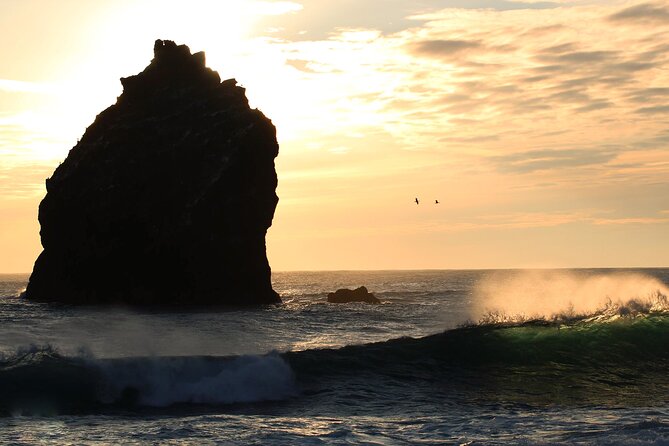
Rjúkandi Waterfall begins the day near Egilsstaðir. From there, the route moves toward Mývatn through broad, unusual terrain shaped by volcanic activity.
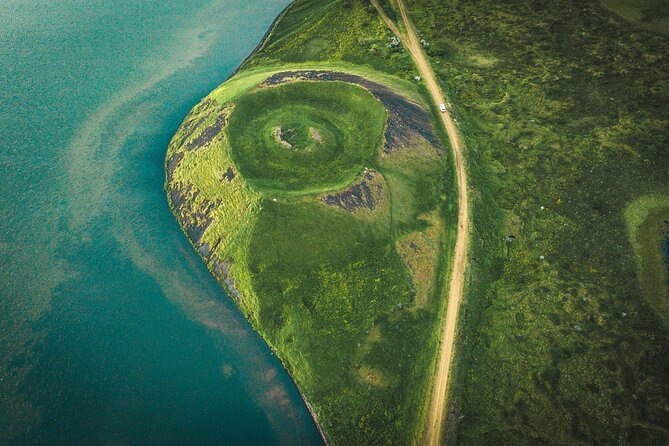
At Viti Crater and Krafla, you can walk around a crater filled with green water. Nearby Námaskarð adds steaming ground and mineral colors. Stay on marked paths because the ground around geothermal features can be unstable and dangerously hot.
Grjótagjá is a small cave with a hot spring that is too hot for bathing. It is worth seeing for its enclosed, otherworldly feel, but do not expect a swimming stop.
Dimmuborgir is a lava field filled with arches and unusual formations created by an eruption about 2,300 years ago. The walking paths make it easy to choose a shorter or longer visit.
The day ends at Mývatn Nature Baths at 7:00 p.m. You get warm outdoor water, a sauna, steam room, and views toward the lake. After a full day on your feet, this is a smart closing activity. The two-and-a-half-hour visit gives you time to relax rather than rush through the pools.
Day 6: Dettifoss, whales, and Akureyri
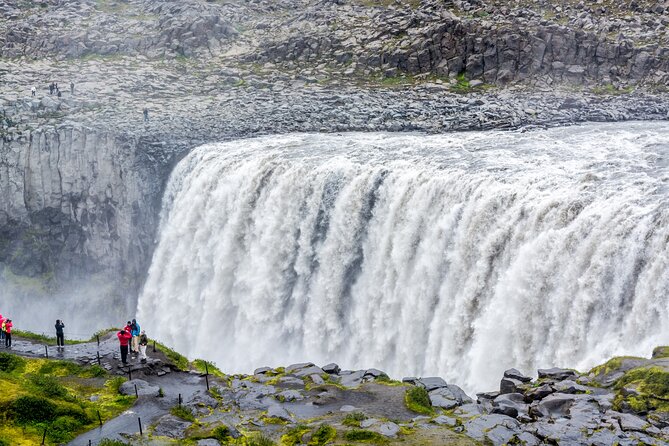
Start early for Dettifoss, a wide waterfall that sends enough force through the canyon to make the ground feel alive. The first part of the day also includes Ásbyrgi, a horseshoe-shaped canyon formed by glacial flooding. Its wooded paths and small lake offer a gentler contrast to Dettifoss.
The schedule then moves to Húsavík for a 1:15 p.m. whale-watching trip lasting about three hours. You may see whales or dolphins, but sea conditions and wildlife are unpredictable. Dress for wind and cold even if the weather looks pleasant in town.
Godafoss is a shorter stop on the way to Akureyri. Its name means Waterfall of the Gods, and the site connects to the story of Iceland’s shift toward Christianity around the year 1000.
Akureyri gives you a chance to walk through the north’s main town. You can visit the church, botanical garden, or swimming pool, though pool admission is extra. The Christmas house outside town is open all year and makes an unusual final stop.
This is another tightly timed day. Dettifoss and Ásbyrgi need an early start, and the whale boat will not wait for a late departure.
Day 7: Turf church, medieval conflict, and Þingvellir
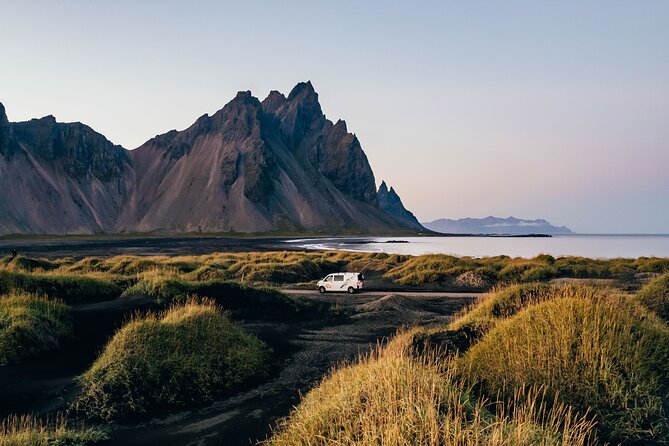
Grafarkirkja is a tiny turf church and one of the most atmospheric stops on the route. The suggested Hofsós swimming pool adds a striking fjord view, but it requires extra time and admission.
At 1238 The Battle of Iceland, you use virtual reality to learn about the Battle of Örlygsstaðir and the end of Iceland’s independence. This is a useful change from natural sights, especially if you want more context about Iceland’s political past.
Grábrók Crater is accessible to the top by foot. The walk gives you a clear view of the volcanic surroundings, and nearby Glanni Waterfall can be added if time allows.
Þingvellir National Park is both geological and historical. The continental plates are pulling apart here, and the site also played a major role in Iceland’s political story. Parking is extra, and the paths can take longer than expected if you stop often for photographs.
Day 8: Silfra, the Golden Circle, and a hot river
The Silfra snorkeling activity begins at 9:00 a.m. and lasts about three hours and 15 minutes. The experience is suitable from age 14, with stated height and weight limits of 145 to 200 centimeters and 45 to 120 kilograms.
You need to arrive at the meeting point 20 minutes early. This is not the morning to sleep in after camping. The activity requires good fitness and comfort in cold freshwater.
Afterward, you visit Geysir, where Strokkur regularly shoots water into the air, then Gullfoss, a two-tiered waterfall dropping into a narrow gorge. These are classic Golden Circle stops, and they can feel busier than the Eastfjords or North Iceland.
The final major outing is Reykjadalur Hot Springs near Hveragerði. The walk takes about 45 minutes each way, followed by time in the warm river. Bring swimwear, sturdy shoes, water, and a dry layer for the walk back.
This is arguably the hardest day physically. Snorkeling, walking, and geothermal bathing make a memorable finish, but you should not plan it as a slow sightseeing day.
Day 9: Reykjavík before the airport shuttle
Your final morning begins at the Sun Voyager sculpture beside the sea. Harpa Concert Hall is nearby, with a glass design inspired by Icelandic natural forms. Both are easy stops, though Harpa parking costs extra.
Hallgrímskirkja rises above central Reykjavík and is close to the famous Rainbow Street. Entry to the church is free, while the tower viewpoint costs extra. If your flight schedule allows, Perlan offers exhibitions and an Aurora Show inside a museum built over water tanks.
You then return the van to CampEasy’s Keflavík office. The shuttle can take you to Keflavík International Airport or a selected Keflavík-area hotel. It does not take you to Reykjavík, so plan that detail carefully if your trip ends in the capital.
Who should book this trip
I would choose this experience if you want a packed first visit to Iceland and are comfortable driving, cooking, camping, and keeping appointments. It suits independent solo visitors, couples, and small private groups who want freedom without designing every road stop themselves.
It is less suitable if you want long mornings, luxury accommodation, or a gentle pace. The route is active, the weather can affect driving, and several days combine long distances with fixed-time activities.
The 4×4 does not make every road safe in every season. One account describes difficult winter driving without studded tires and skipped roads, while CampEasy explains that its vans use all-season all-terrain tires with careful tread checks. You should still follow road conditions and never treat four-wheel drive as a guarantee.
Final verdict
Book this if the attraction is the whole country in one energetic trip, not simply a few famous sights. The strongest value comes from the bundled activities, campsite fees, Wi-Fi, tablet, airport shuttle, and practical camper equipment.
Before booking, confirm the fuel policy in writing, check every activity’s age and body-size limits, and budget for parking and optional admissions. If you can accept the long days, this is a well-organized way to see Iceland’s waterfalls, glaciers, volcanic areas, wildlife, hot water, and towns without giving up control of your route.
FAQ
Is fuel included in the tour price?
The supplied details conflict. The features list says gas is included, while the exclusions list says fuel is not included. Confirm the current fuel policy with CampEasy before booking.
What does the campervan package include?
It includes a quality campervan, zero-risk coverage, Wi-Fi and other listed extras, an Easy Guide tablet, a prepared route, booked activities, airport transfer, and campsite fees. Personal accident insurance, parking, traffic fines, electricity, food, flights, and optional activities are not included.
What activities are included?
The scheduled activities include horseback riding near Vík, a glacier hike at Skaftafell, an amphibian boat tour at Jökulsárlón, whale watching from Húsavík, a visit to 1238 The Battle of Iceland, Mývatn Nature Baths, and snorkeling at Silfra.
How old must the driver be?
The minimum driver age is 20. The driver must show a valid international driving license that is valid for the vehicle and has been valid for at least 12 months at pickup.
Is the tour suitable for children?
Some activities require a minimum age of 14, including Silfra snorkeling. Other activities have height and weight limits, so check the requirements for each booked activity before reserving.
Where does the airport shuttle operate?
Pickup and drop-off are available between Keflavík International Airport or selected hotels in the Keflavík area and the CampEasy office. The shuttle does not provide transport to or from Reykjavík.
Just added around the world
- Istanbul Bosphorus Sightseeing Cruise with Audio Guide★ 5.0 · 67 reviews
- Dolmabahce Palace Skip the Ticket Line Entry with Audio Guide★ 4.0 · 6 reviews
- Basilica Cistern Skip-the-Ticket-Line Entry with Audio Guide★ 4.0 · 4 reviews
- Hagia Sophia Skip-the-Line Ticket with Audio Guide★ 5.0 · 4 reviews
- Cistern of Theodosius Entry Ticket & Audio Guide★ 3.5 · 6 reviews
- Maria Edgeworth Center-A Self-Guided Audio Tour★ 5.0 · 21 reviews
- Self-Guided Tour of Ísafjörður: Art, History, and Architecture★ 5.0 · 23 reviews
- Inverness Quest: Self Guided City Walk & Immersive Treasure Hunt★ 4.0 · 5 reviews
Iceland Audio Tours, compared.
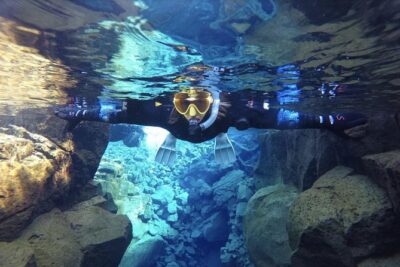
Silfra Snorkeling Between Continents Photos Included- Self Drive
Read our review →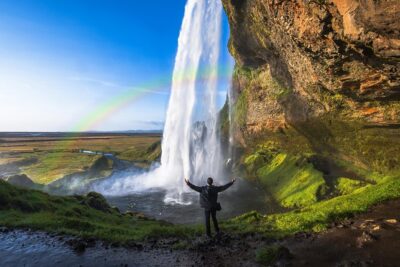
South Coast Iceland from Reykjavik with Guide & Touchscreen Audio
Read our review →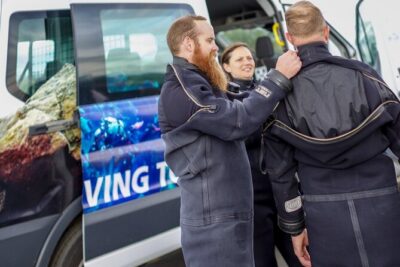
Silfra: Hot and Cold Snorkeling and Spa Tour – Self Drive
Read our review →
Hellisheiði Geothermal Exhibition: Entry and Audio Tour
Read our review →
Self-Guided Tour of Ísafjörður: Art, History, and Architecture
Read our review →Browse the lists this tour appears in