
REVIEW · ITALY AUDIO TOURS
Ercolano: Herculaneum Entry Ticket with Optional Audio Guide
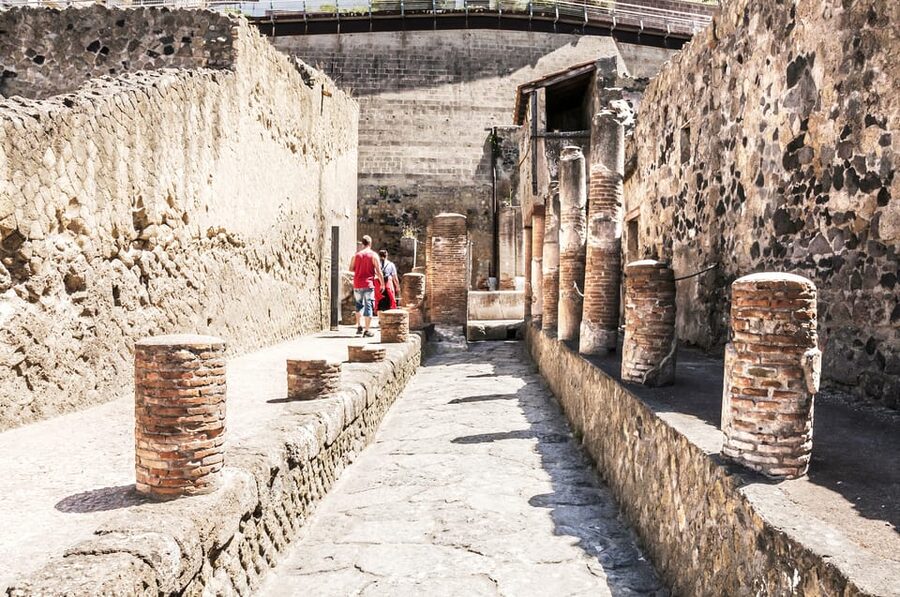
Herculaneum gives you something Pompeii cannot: a compact ancient town where roofs, doors, beds, and household objects survived almost 2,000 years. You walk down cobbled streets, step into homes and shops, and see daily Roman life at a close range that feels startlingly personal.
I like the site for two clear reasons. It is easier to cover in about three hours than sprawling Pompeii, and its buildings are often better preserved. The public baths, gymnasium, frescoed rooms, and even ancient food help you picture ordinary routines, not just grand monuments. The main drawback is the audio app, which can be hard to follow and may use mobile data, while the site itself has limited explanatory signage.
Key points to know before you go

- See Roman homes with roofs, doors, beds, and frescoes still in place, a rare level of preservation for an ancient town.
- Allow about three hours for a focused visit, though your one-day ticket lets you stay longer.
- Download the audio guide before arrival, since mobile coverage at the site can be weak.
- Bring headphones and water, especially in summer, when the open streets can be hot.
- Expect a self-guided visit, not a live tour with a historian or named guide.
- Check the ticket desk carefully, since some people have found the redemption process slower than expected.
Why Herculaneum feels different from Pompeii

Pompeii gets the fame, and it is much larger. Herculaneum is the more manageable site. You can see a wide range of Roman architecture without spending the whole day crossing a huge archaeological area.
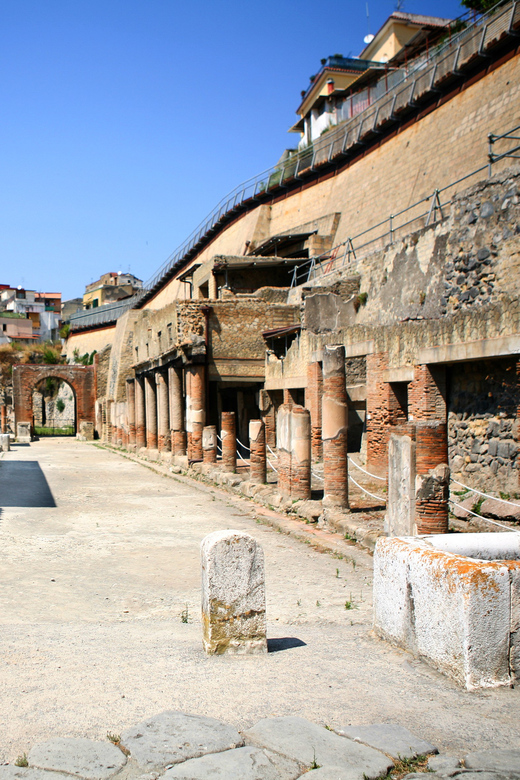
The difference comes partly from the eruption itself. Pompeii was covered by ash and pumice, while Herculaneum was buried under hot volcanic material that hardened around the town. That helped preserve upper floors, wooden details, roofs, doors, beds, and other items that were lost at Pompeii.
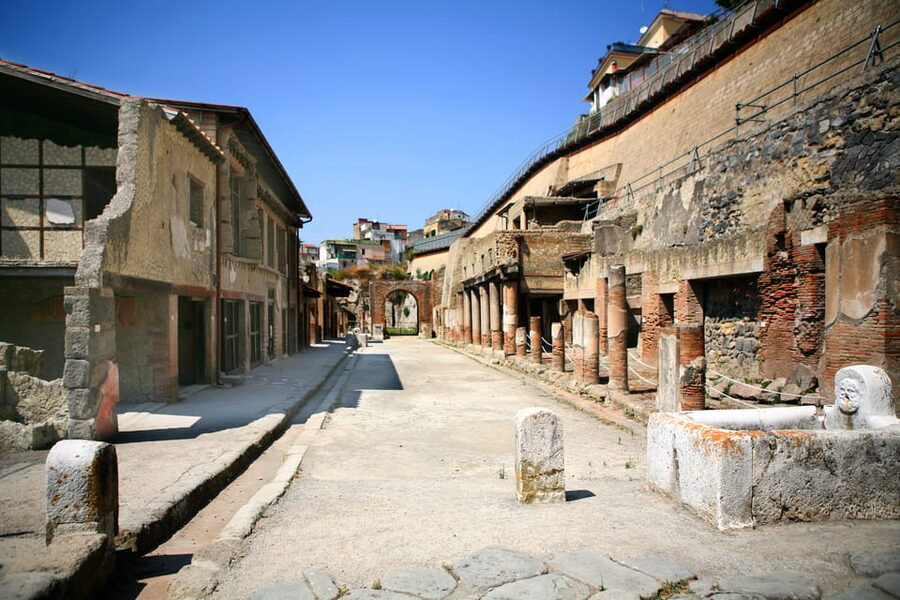
You can still see the shape of a lived-in town here. The streets lead past homes, shops, public buildings, and bathing facilities. Frescoes retain their color and form. Household objects make the place feel less like a collection of ruins and more like a neighborhood suddenly stopped in time.
That closeness is Herculaneum’s great strength. You are not simply looking at walls and columns. You are looking into rooms where people cooked, washed, worked, worshipped, and slept.
The setting is also sobering. Around 300 skeletons were found in the area connected with the ancient shoreline and port, where people apparently sought refuge. This part of the site gives the eruption a human weight that can be hard to shake. It is worth taking your time here rather than treating it as just another stop on a sightseeing checklist.
More Skip-the-Line Audio Guide Tickets in Italy
- Rome: Pantheon Fast-Track Ticket and Official Audioguide
★ 4.5 · 27,353 reviews - Pompeii: Entry Ticket with Audio Guide
★ 4.1 · 13,491 reviews - Venice: La Fenice Opera House Entry Ticket with Audio Guide
★ 4.6 · 11,742 reviews
What you see during the one-day visit
Your ticket gives you access to the archaeological area for one day. The visit is self-paced, so you can move quickly through familiar features or spend longer studying a house, mosaic, or wall painting.
You begin by entering the excavated town and making your way down its ancient streets. The paving is uneven, so comfortable shoes matter. A pair of sturdy walking shoes will serve you better than fashionable but thin-soled footwear.
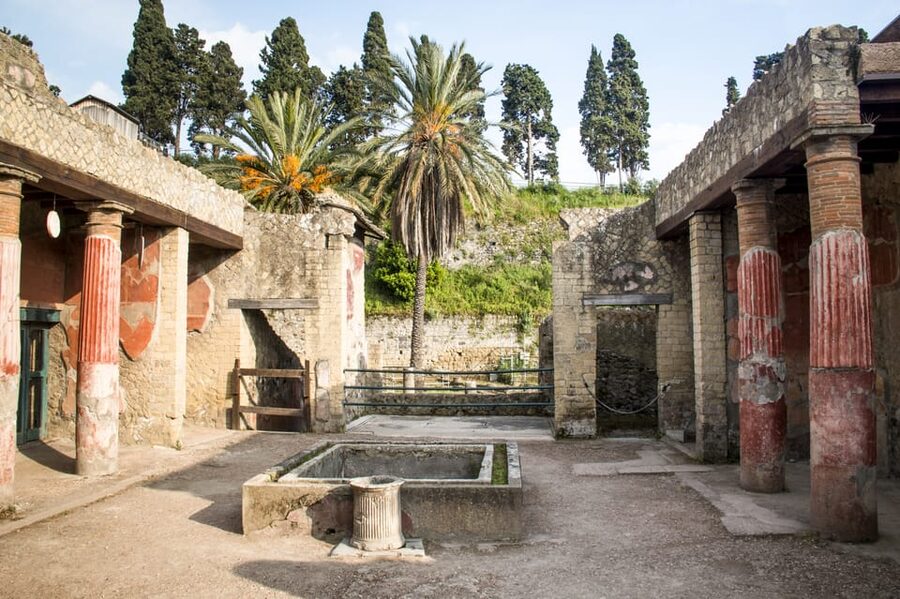
The streets lead you into houses with surprisingly clear floor plans. You can often understand where rooms connected and how private spaces related to work areas or shops. That makes the site useful even if you are not an expert in Roman archaeology. The buildings explain themselves once you slow down and look at doorways, thresholds, wall decoration, and room size.
Look for the details that are easy to pass by. A doorway can tell you how a house was entered. A counter can suggest commercial activity. A fragment of decoration can show how much care went into an interior that now appears bare compared with its original state.
The public baths offer another useful window into ancient life. These were not simply functional washing areas. They were social spaces tied to routine, status, and community life. The preserved rooms and decoration help you understand how public facilities fitted into the rhythm of the town.
The public gymnasium adds another layer. Along with the shops and homes, it shows that Herculaneum was a working community with shared institutions, not a quiet collection of private villas.
You will also encounter artifacts that have retained their original form. Food and household items are especially effective because they connect the ancient town with basic human needs. A painted wall can be beautiful, but a preserved object from a kitchen or bedroom can make you think about the person who used it.
The best way to use the audio guide
The optional audio guide can make the site more meaningful, but it is not a perfect substitute for a live guide. The digital version is downloaded to your smartphone, and the booking information lists English, French, Italian, and Spanish for the app. The activity information also lists German among the optional audio-guide languages, so check the language choice carefully when booking.
Download the app and its content before you reach Herculaneum. One particularly useful tip is to avoid relying on the site’s mobile signal. Coverage can be limited, and the app may use a lot of data if you wait until arrival.
Bring your own headphones. They make it easier to hear in open areas and spare you from holding your phone to your ear through the entire visit. A charged phone is just as important.
The main weakness is navigation. The app may not always make it clear which track matches the building where you are standing. Some sections can feel loosely organized, and the map or location tracking may not guide you as precisely as you expect.
I suggest using the audio guide as a supplement rather than as your only plan. Start by getting a general sense of the site, then listen to the tracks that match the houses or public buildings you find most interesting. If you try to follow every recording in strict order, you may spend too much time staring at your screen and not enough time looking at the actual walls, mosaics, and objects.
If you want a person to answer questions, explain social customs, and adjust the pace to your interests, choose a live guided tour instead. This ticket does not include one.
Three hours is a good first visit
About three hours is enough to see the main parts of Herculaneum without rushing. That timing works well if you are visiting from Naples, combining the site with another activity, or trying to fit it into a busy Campania schedule.
You can move through the principal streets, enter several houses, visit the public facilities, and spend time with the artifacts. The compact size means you are less likely to miss the broad outline of the town.
Still, do not treat three hours as a limit. The ticket is valid for one day, so you can stay longer if you enjoy close observation. A history enthusiast could easily spend extra time comparing house layouts, reading available information, and studying frescoes.
The site rewards patience. The first pass gives you the big picture. A slower second look reveals small features such as decorative patterns, construction methods, and changes in room use. If you have already seen Pompeii, Herculaneum offers a shorter but more concentrated visit. If you have not seen either site, it can be the less tiring introduction to Roman archaeology.
Same place, a different route to walk:
- Rome: Colosseum & Forum with Audio Guide App -Optional Arena
★ 4.2 · 24,770 reviews - Venice: Grand Canal Gondola Ride with App Commentary
★ 4.1 · 23,020 reviews - Florence: Timed Entry to Michelangelo’s David + Audio App
★ 4.6 · 19,496 reviews - Rome: City Sightseeing Hop-on Hop-off Bus with Audioguide
★ 4.0 · 16,045 reviews
Heat, shade, and practical comfort
Summer can be hot. An umbrella is useful for shade, and you will find some relief beneath roofs or inside buildings, but much of the route is exposed. Wear a hat, use sun protection, and carry water.
Comfortable shoes are essential because the streets are cobbled and uneven. The official advice to dress appropriately is sensible, especially if you plan to spend several hours walking and entering buildings.
Basic café facilities are available, but do not expect a full meal stop. Plan around that. A simple snack and water can make the visit much easier, particularly in hot weather.
The site has fewer crowds than Pompeii at certain times, especially outside the busiest summer periods. Early arrival can help, and a quieter winter visit may give you more time to look around without feeling pushed along. Crowd levels vary, so do not assume the entrance will always be empty.
Opening hours change with the season:
- From March 16 to October 14, the site is open from 9:30 AM to 7:30 PM. Last admission is at 6:00 PM, and you must leave the archaeological area by 7:00 PM.
- From October 15 to March 15, it is open from 8:30 AM to 5:00 PM. Last admission is at 3:30 PM, and the site must be cleared by 4:40 PM.
The last admission times matter. Do not plan to arrive near closing and expect a full visit.
Ticket redemption and value at $21
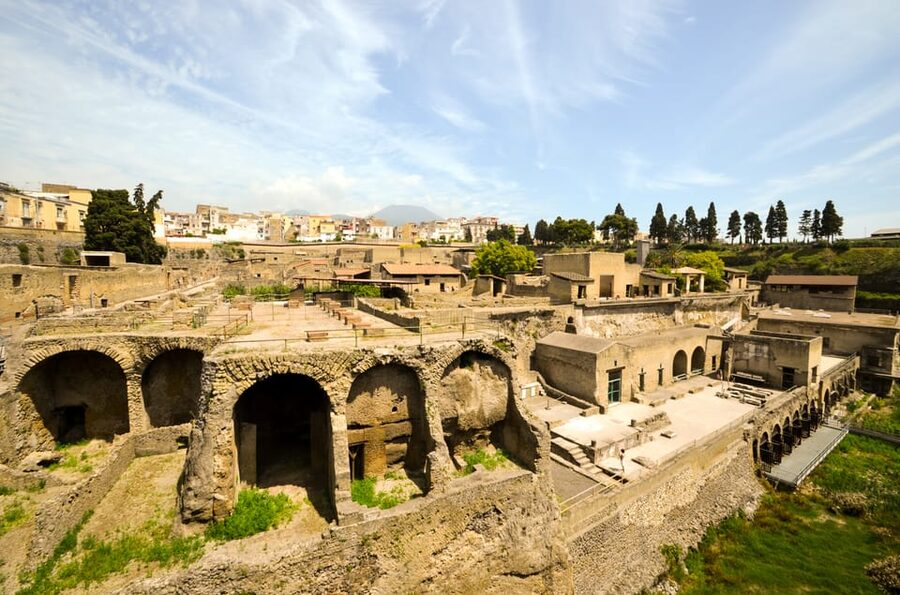
At $21 per person, this is a reasonable way to gain entry to one of Italy’s most important ancient sites, especially if you value the freedom to set your own pace. The ticket lasts for one day, and the audio guide option can add useful background without committing you to a fixed group schedule.
The value becomes less clear if the booking price is much higher than the site’s direct admission price. One account described paying considerably more for tickets and an audio guide that was not successfully provided. Others found that prebooked tickets still required time at the admission desk rather than offering an instant scan-and-go entrance.
That does not mean the ticket is always poor value. It does mean you should compare the online price with the official on-site option before paying. If the difference is small, booking ahead may be worthwhile for planning flexibility. If the markup is large, direct purchase may make more sense, particularly outside the busiest periods.
The booking includes free cancellation up to 24 hours before the visit and an option to reserve now and pay later. Those terms are useful if your Naples plans may shift. They do not, however, guarantee a faster entrance or a better audio experience.
When you arrive, show your mobile voucher at the online ticket desk on site. Allow a little extra time to find the correct redemption point. The desk is at the archaeological site, but it may not be obvious at first, and the process can involve more than a quick QR-code scan.
Herculaneum compared with Pompeii
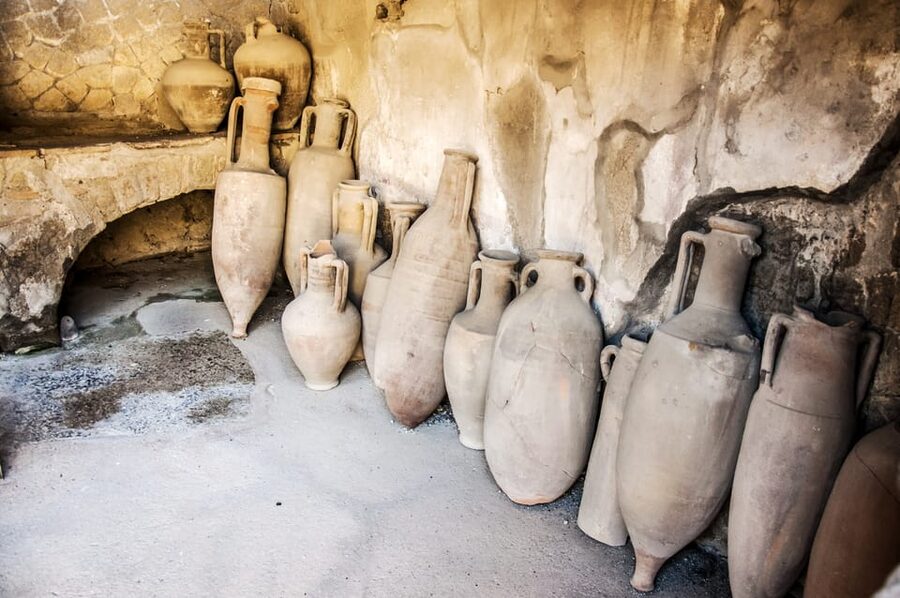
The two sites complement each other, but they offer different experiences.
Pompeii gives you scale. Its size helps you understand the full extent of a Roman city, but it can also be tiring and harder to absorb in one visit.
Herculaneum gives you preservation and focus. You see more intact building details, and the shorter route makes it easier to connect one part of town with another. You can enter buildings and study interiors without feeling that you have only scratched the surface.
If your interest is architecture, frescoes, mosaics, baths, and everyday structures, Herculaneum may satisfy you more than expected. If you want the largest possible archaeological area, Pompeii remains the bigger undertaking.
Ideally, see both if your Campania schedule allows. If you have time for only one, choose Herculaneum for a compact visit with strong preservation. Choose Pompeii if scale and breadth matter most.
Who should book this experience

I recommend this ticket for independent visitors who like to stop, look, and set their own rhythm. It suits history fans, architecture lovers, and anyone who wants to understand ancient life through homes and objects rather than only through famous monuments.
It also works well for families with older children who can manage uneven streets and several hours of walking. The compact layout is easier to explain than a huge site, though the skeletons and eruption story may be upsetting for some children.
You may want a different option if you need detailed explanations at every stop. The audio app has useful information, but its structure and location tracking are not always clear. A live guide will cost more, but it can save you from missing the meaning of the rooms and help you connect the archaeology with the people who lived there.
Should you book the Herculaneum ticket?
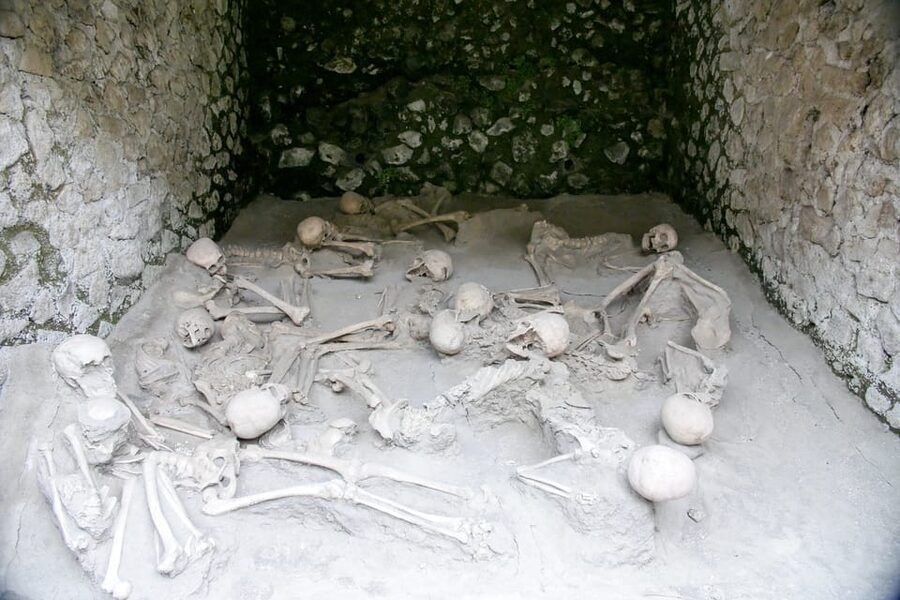
Book it if you want a flexible, self-guided visit to a remarkably preserved Roman town and you are prepared to manage the audio app yourself. Herculaneum is easier to cover than Pompeii, yet it offers roofs, interiors, baths, shops, frescoes, food, and the haunting remains of people caught by the eruption.
Before paying, compare the $21 price with direct admission and check exactly which audio option you are selecting. Download the app before arrival, bring headphones, wear good shoes, and allow at least three hours.
For a quiet, focused look at Roman daily life, this is one of the best archaeological stops in Campania. For expert interpretation and smooth navigation, pay more for a live guide instead.
FAQ
How long is the Herculaneum ticket valid?
The ticket is valid for one day. You can choose how long to stay within the site’s opening hours.
Is a guided tour included?
No. The ticket is self-guided. You can select a digital audio guide app or a physical audio guide device, depending on the option you book.
What languages are available for the audio guide?
The digital audio guide is listed as available in English, French, Italian, and Spanish. The activity information also lists German among the optional audio-guide languages, so confirm the available language when booking.
Do I need to download the audio guide before arriving?
It is strongly advisable. The app can use a lot of data, and mobile coverage at Herculaneum may be limited.
What are the seasonal opening hours?
From March 16 to October 14, the site is open from 9:30 AM to 7:30 PM, with last admission at 6:00 PM. From October 15 to March 15, it is open from 8:30 AM to 5:00 PM, with last admission at 3:30 PM.
Can I cancel the booking?
Yes. You can cancel up to 24 hours in advance for a full refund. The booking also offers a reserve-now, pay-later option.
Just added around Italy
- Genoa Historic Centre Quest: A Self-Guided Puzzle Adventure★ 4.0 · 3 reviews
- Genova Walking Tour with Audio and Written Guide by a Local★ 4.5 · 33 reviews
- Self-Drive (No Licence) Boat Rental in Portofino Gulf★ 5.0 · 12 reviews
- Finance and Nobility: Explore medieval Genoa on a self-guided audio tour★ 4.5 · 7 reviews
- Florence: Uffizi Gallery Reserved Ticket & Digital Audio Guide★ 4.5 · 3 reviews
- Around Florence Hills: App‑Guided e‑Vespa Tour + Wine&Food★ 4.5 · 22 reviews
- Florence: Uffizi Gallery Audio Guided Tour led by Tour Leader★ 3.5 · 6 reviews
- Uffizi Gallery: Self-guided App Visit & Optional Accademia Museum★ 4.0 · 19 reviews
Italy Audio Tours, compared.

Rome: Pantheon Fast-Track Ticket and Official Audioguide
Read our review →
Rome: Colosseum & Forum with Audio Guide App -Optional Arena
Read our review →
Venice: Grand Canal Gondola Ride with App Commentary
Read our review →
Florence: Timed Entry to Michelangelo’s David + Audio App
Read our review →
Rome: City Sightseeing Hop-on Hop-off Bus with Audioguide
Read our review →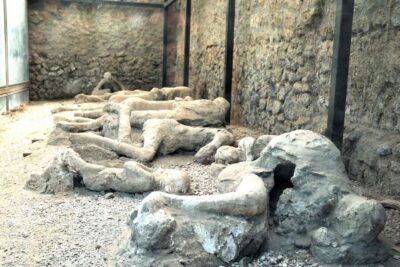
Venice: La Fenice Opera House Entry Ticket with Audio Guide
Read our review →
Rome: Colosseum, Forum, Palatine Hill Entry & Audioguide App
Read our review →Browse the lists this tour appears in