
REVIEW · NATIONAL PARKS
Bothongo Rhino and Lion Nature Reserve Self Drive
The quickest way to understand Bothongo Rhino and Lion Nature Reserve is to think of it as a wildlife outing with your own steering wheel. You drive the reserve at your own pace, then stop at lion, cheetah, and wild dog enclosures, the Hippo Walkway, Waterfowl Park, and wildlife centre. I like the freedom to linger, turn around, or build the day around lunch. I also like the low price, about $14 per person, which includes several extra facilities beyond the drive.
The tradeoff is that this is not a wide-open safari in every section. Some animals live in predator enclosures, making them easier to find but giving the experience a more managed feel. Most passenger cars can handle the roads, but wet weather can make them slippery, and certain routes are for 4×4 vehicles only.
Key points to know
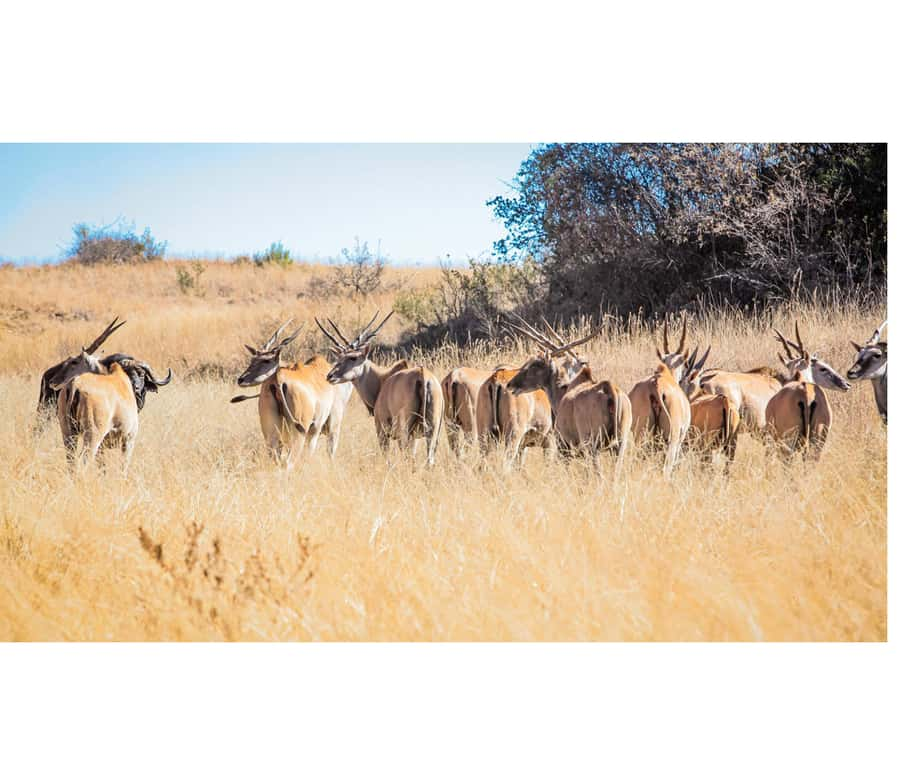
- Lion, cheetah, and wild dog enclosures: These make predator viewing more predictable, though less wild than an open reserve.
- Your own car sets the pace: Stop when you want, spend extra time at a sighting, and fit the day around children or a meal.
- A $14 entry fee covers more than the drive: Hippo Walkway, Waterfowl Park, wildlife centre, picnic areas, swimming pool, restaurants, and play areas are included.
- Arrive early for feeding activity: One visitor arrived as the lions, cheetahs, and wild dogs were being fed and saw a great deal.
- Weather affects access: Dirt roads are regularly maintained, but heavy rain can make them wet and slippery.
- The setting adds another stop: The reserve is at 520 Kromdraai Road, in Gauteng’s Cradle of Humankind.
What kind of day is this?
You are not joining a guided safari vehicle with a fixed route and a set departure time. You arrive at Bothongo Rhino and Lion Nature Reserve, pay or present your booking, and explore in your own car. The experience is valid for one day, so you can keep it short or make it a full family outing.
That difference matters. I like self-drive reserves when I want control over the day. You can stop for a child, take a break when the sun is strong, or return to an enclosure without asking a guide to wait. You also avoid sharing a vehicle with strangers.
The reserve sits in the Cradle of Humankind, southwest of Johannesburg, at 520 Kromdraai Road, Kromdraai, Krugersdorp. It works well as a day trip from the Gauteng area, especially if you want a wildlife stop without committing to a long safari stay.
More National Park Trips in the world:
- Joshua Tree National Park Self-Guided Driving Audio Tour
★ 4.5 · 762 reviews - Ultimate Acadia National Park Self-Guided Driving Audio Tour
★ 4.0 · 521 reviews - Self-Guided Ebike Tours of Acadia National Park Carriage Roads
★ 5.0 · 427 reviews
Starting at the entrance on Kromdraai Road
Give yourself a little patience at the ticket office. The facilities include a booking and information office, and one practical point is worth knowing: the signs for visitors with vouchers may not be immediately clear. Ask where voucher holders should queue rather than guessing and losing time at the start.
The reserve is wheelchair accessible, which makes the public facilities useful for a wider range of visitors. English and Afrikaans are available, and the booking details can be handled in either language.
Bring your binoculars, camera, and hat. The hat is useful for stops outside the car, while binoculars can help at larger animal areas and around the waterfowl section. You should also check road conditions if heavy rain has been falling. The reserve advises checking its website and calling the Booking and Information Office before setting out in poor weather.
Driving the reserve in your own vehicle
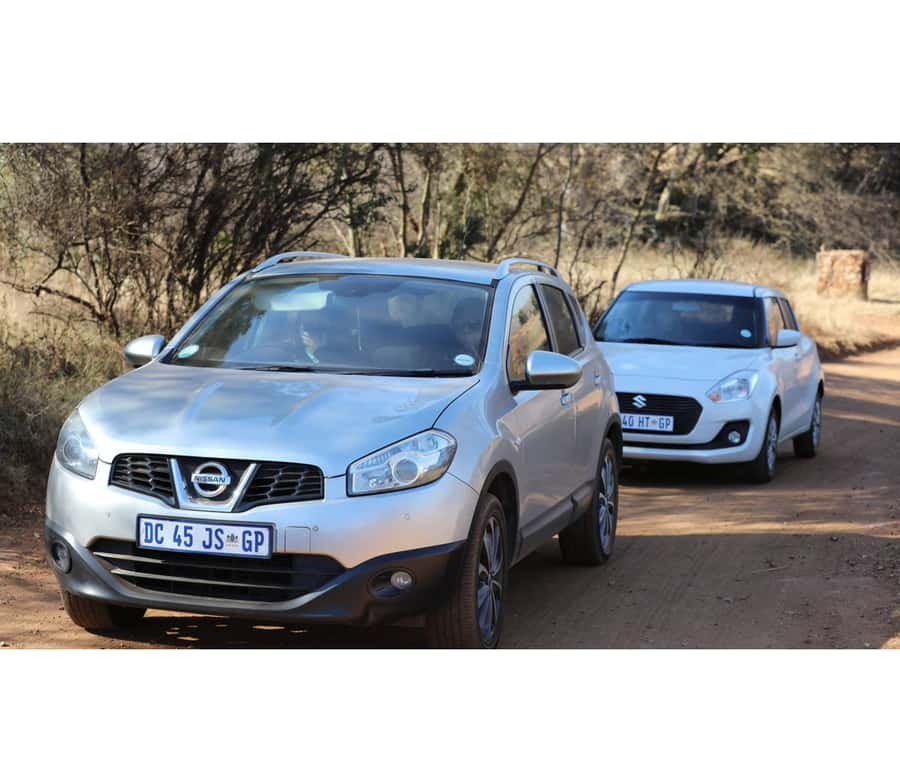
The main appeal is simple: you drive yourself. The dirt roads are regularly maintained and suitable for most passenger vehicles, but this is not the place to bring a supercar with precious low clearance and delicate tires. The road surface can be manageable in normal conditions, yet rain changes the equation quickly.
Some roads are accessible only to 4×4 vehicles. That means a standard car may not reach every corner of the reserve, so keep your expectations realistic. You still have access to the main included attractions, but you should not assume every track is open to every vehicle.
I would treat the drive as a relaxed circuit rather than a race to check off every animal. Stop safely, watch the surroundings, and use the reserve’s facilities to break up the driving. Because the day is self-paced, you can spend more time where activity is happening instead of being pulled away on a fixed schedule.
The best practical tip is to arrive early. A morning arrival can put you at the predator areas around feeding time. One early arrival coincided with feeding for the lions, cheetahs, and wild dogs, creating plenty to watch at once. Feeding times are not stated as a guaranteed daily schedule, so do not book solely for that reason, but early arrival gives you a sensible chance to catch more activity.
Predator enclosures: easy viewing with a managed feel
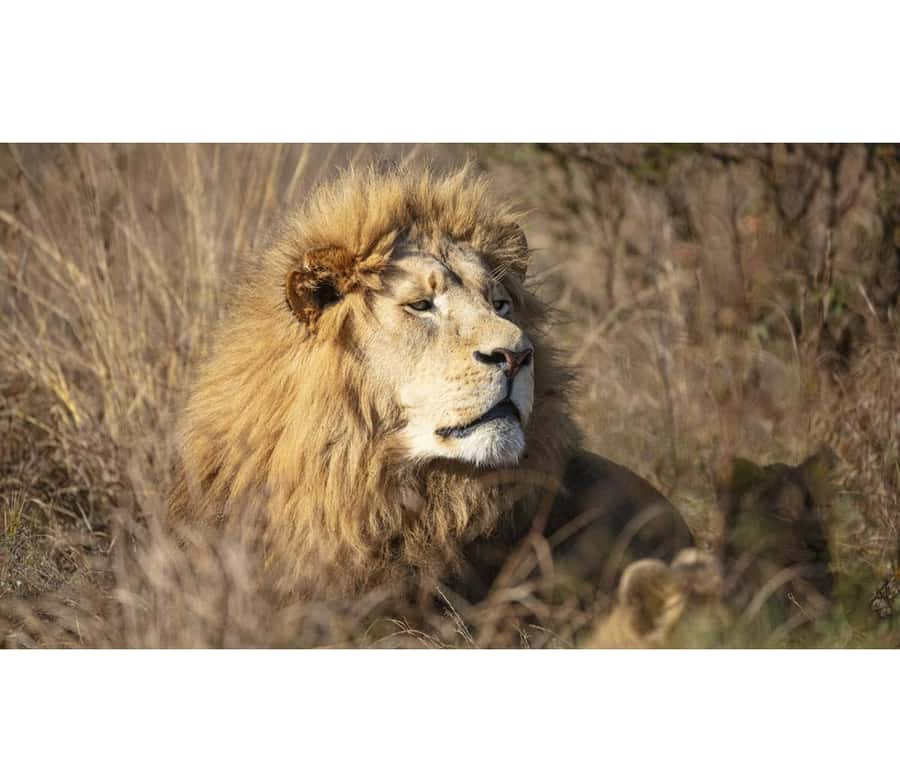
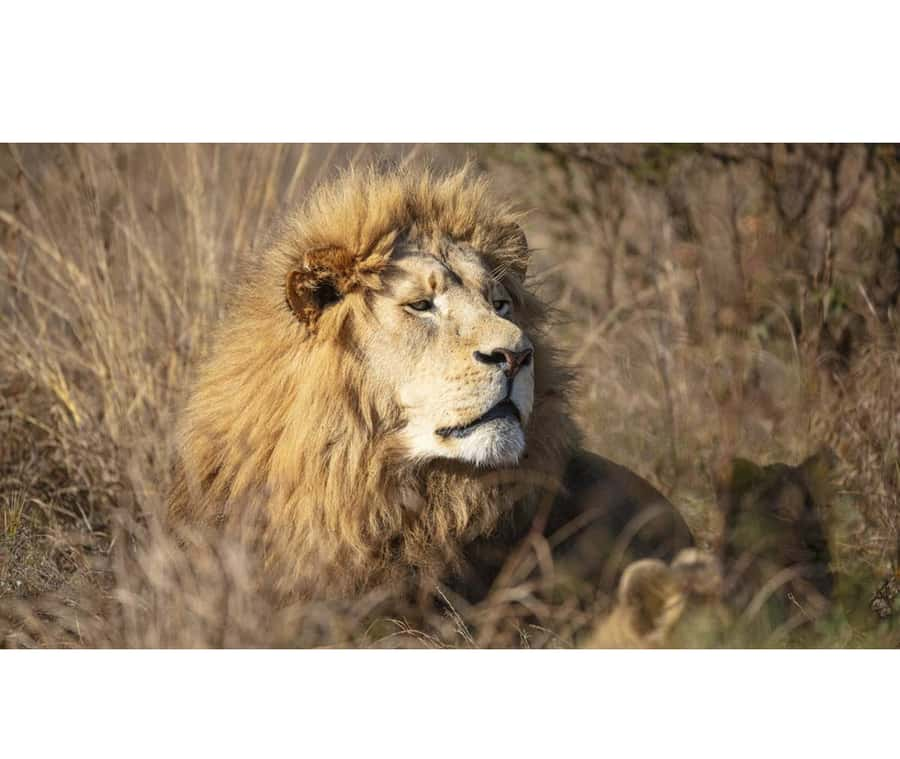
The lion, cheetah, and wild dog enclosures are the most direct wildlife part of the visit. You do not need to spend hours searching a huge area to find a predator. The enclosures make sightings more likely, which is useful if you are visiting with children or have only one day in Gauteng.
This setup also explains the main criticism of the experience. The reserve can feel divided into separate sections, or compartments, rather than like one open wildlife area. You gain reliable viewing, but you lose some of the suspense that comes with scanning a broad unfenced space and wondering what might appear next.
I see that as a choice rather than a flaw. If your priority is to see lions, cheetahs, and wild dogs without spending a long time waiting, the enclosures work in your favor. If you want the feeling of a remote, open safari, this may feel more controlled than you hoped.
The early feeding sighting is especially useful for planning. You may see more movement during feeding, while quieter periods can leave animals resting. Bring your camera, but keep your focus on watching rather than trying to record every second.
More Audio Tours in the world:
- Barcelona: Sagrada Familia Entry Ticket with Audio Guide
★ 4.6 · 105,312 reviews - Rome: Pantheon Fast-Track Ticket and Official Audioguide
★ 4.5 · 27,353 reviews - Barcelona: Casa Batlló Entry with Self-Audioguide Tour
★ 4.7 · 25,359 reviews - Rome: Colosseum & Forum with Audio Guide App -Optional Arena
★ 4.2 · 24,770 reviews
Hippo Walkway and Waterfowl Park
Entry to the Hippo Walkway and Waterfowl Park is included in the self-drive fee. These stops broaden the day beyond the predator areas and give you a reason to leave the car for a while.
The Hippo Walkway is a good contrast to the predator enclosures. Instead of focusing on fast or hunting animals, you have a dedicated place to watch hippos. Follow the marked access and take your time. The supplied information does not promise a particular viewing distance or guaranteed activity, so think of this as a worthwhile included stop rather than a fixed show.
The Waterfowl Park adds another change of pace. It is useful for families because the day is not built around one type of animal. You can move from large mammals to birds, then continue to the wildlife centre or stop for food.
These areas also matter if your group has different interests. One person may want predators, another may enjoy birds, and younger children may need regular breaks. A self-drive format lets you divide the day without forcing everyone to follow one route at one speed.
The wildlife centre and a useful change of pace
The wildlife centre is also included. The available information does not list every species or exhibit there, so I would not plan your entire visit around a particular animal. Still, it adds an educational stop to the reserve and can help you understand more about the animals and the work connected with them.
One useful feature is the booklet available to visitors. It can make the day more informative, especially when you are exploring without a guide. Signage and printed information matter more on a self-drive visit because you do not have a guide beside you explaining what you are seeing.
Take time to read rather than treating the centre as a quick indoor detour. It may be the part of the visit that gives context to the animals you have already seen. For families, it is also a welcome pause from sitting in the car.
Food, picnic areas, and the swimming pool
The entry fee includes access to picnic and braai areas, children’s play areas, the swimming pool, and all restaurants. Food and drinks are not included, and you must pay separately for meals, beverages, and braai grid rental.
This makes the reserve more flexible than a simple drive-through stop. You can bring your own plan for the day, use a picnic area, or buy hot and cold food on site. The reserve has three restaurants serving hot and cold meals, tea, coffee, and alcoholic drinks. Two kiosk stations sell cold drinks and snacks, and there are well-maintained toilets.
I like this arrangement because it lets you match the visit to your budget. The $14 entry price remains reasonable, then you decide how much extra to spend. You can keep the day economical with a picnic, or treat it as a relaxed outing with a restaurant meal.
Families get particular value from the play areas and swimming pool. These facilities can turn a short animal visit into a full day, although you should remember that food, drinks, and any braai grid rental are additional costs. Two gift shops are also available if you want souvenirs, but those purchases are not part of the entry fee.
How the $14 price works for you
At about $14 per person, the self-drive fee is strong value if you use the included facilities. The price covers the reserve drive plus the Hippo Walkway, Waterfowl Park, predator enclosures, wildlife centre, picnic and braai areas, play areas, swimming pool, and restaurants.
You do not get food, drinks, accommodation, souvenirs, a game drive, or entry to WonderCave included. Those exclusions are easy to understand, but they matter when you build your total budget. A family that buys lunch, drinks, and souvenirs will spend more than the basic entry price.
The value is best for people who want flexibility. You are paying for access and time rather than a guided package. If you prefer a guide to explain every sighting, the optional game drive may be more suitable, but it is not included in this self-drive experience.
I would compare the fee with the length of your visit. If you only stop briefly to see one enclosure, the value is fair. If you use the wildlife centre, water areas, restaurants, play areas, and pool, the entry price becomes much more attractive.
Who will enjoy this most?
This experience suits families, couples, local residents, and independent visitors who want a low-cost day outdoors. It is especially practical if you have your own vehicle and prefer not to follow a group schedule.
It also suits first-time wildlife visitors who want a good chance of seeing predators. The enclosures make animal viewing easier than a huge open reserve where sightings can depend heavily on luck and patience.
You may want to choose another type of safari if your main goal is a completely open feeling, long wilderness drives, or a guide interpreting every animal encounter. The managed enclosures are useful, but they are also the experience’s clearest limitation.
The reserve works well as part of a wider Gauteng outing. Its Cradle of Humankind location gives you a reason to combine wildlife with other nearby plans, though WonderCave entry is separate and not included in this fee.
Practical planning for your visit
Check availability for the day you want to go, then confirm road conditions if rain is expected. The reserve advises calling the Booking and Information Office when roads may be wet or slippery. This is more important than the vehicle label alone, since a standard passenger car may be fine in dry conditions but less comfortable on slick dirt roads.
Plan to arrive early, particularly if you want to be present around predator feeding activity. Give yourself time at the entrance, especially if you have a voucher and need to confirm the correct queue.
Pack:
- Binoculars
- Camera
- Hat
You may also want to budget for food and drinks, or plan to use the picnic facilities. If you intend to braai, remember that grid rental costs extra. Comfortable clothing will help, and allow time outside the vehicle at the walkway, waterfowl area, wildlife centre, and family facilities.
Free cancellation is available up to 24 hours before the visit for a full refund, and you can reserve now and pay later. Those terms are useful if your Gauteng plans may shift, especially during unsettled weather.
Should you book the Bothongo self-drive?
Book it if you want a flexible, affordable wildlife day with easy predator viewing and plenty of facilities. The $14 fee covers more than the road drive, and families can make good use of the play areas, swimming pool, restaurants, picnic sites, and toilets.
Think twice if you want a fully wild, open-reserve feeling. The predator enclosures make sightings easier, but the separate sections can feel less natural than a broad safari area. Also check conditions after heavy rain, and do not count on using roads reserved for 4×4 vehicles if you are driving a standard car.
For most visitors with a day to spare in Gauteng, I would book it as a relaxed self-drive outing rather than as a substitute for a remote safari. Arrive early, take your time, and use the included stops. That is where the experience gives you the best return for the price.
FAQ
Where is Bothongo Rhino and Lion Nature Reserve?
It is at 520 Kromdraai Road, Kromdraai, Krugersdorp, in Gauteng’s Cradle of Humankind.
How much does the self-drive experience cost?
The listed price is $14 per person.
How long is the experience?
The experience is valid for one day. You can enjoy the reserve at your own pace during that day.
Can I use a normal passenger car?
Regularly maintained dirt roads can be handled by most passenger vehicles. Some roads are accessible only to 4×4 vehicles, and a supercar is not recommended.
What attractions are included in the entry fee?
Entry includes the Hippo Walkway, Waterfowl Park, lion, cheetah, and wild dog predator enclosures, wildlife centre, picnic and braai areas, children’s play areas, swimming pool, and restaurants.
Are food and drinks included?
No. Food and beverages cost extra. Braai grid rental, souvenirs, accommodation, WonderCave entry, and a game drive are also excluded.
What should I bring?
Bring binoculars, a camera, and a hat. If heavy rain has affected the roads, check for updates and contact the Booking and Information Office before visiting.
Just added around the world
- Dolmabahce Palace Skip the Ticket Line Entry with Audio Guide★ 4.0 · 6 reviews
- Istanbul Bosphorus Sightseeing Cruise with Audio Guide★ 5.0 · 67 reviews
- Basilica Cistern Skip-the-Ticket-Line Entry with Audio Guide★ 4.0 · 4 reviews
- Hagia Sophia Skip-the-Line Ticket with Audio Guide★ 5.0 · 4 reviews
- Cistern of Theodosius Entry Ticket & Audio Guide★ 3.5 · 6 reviews
- Maria Edgeworth Center-A Self-Guided Audio Tour★ 5.0 · 21 reviews
- Self-Guided Tour of Ísafjörður: Art, History, and Architecture★ 5.0 · 23 reviews
- Inverness Quest: Self Guided City Walk & Immersive Treasure Hunt★ 4.0 · 5 reviews
National Parks, compared.
Ultimate Acadia National Park Self-Guided Driving Audio Tour
Read our review →
Self-Guided Ebike Tours of Acadia National Park Carriage Roads
Read our review →
Great Smoky Mountains National Park Self-Guided Driving Tour
Read our review →
Abel Tasman National Park: Sailing and Self-Guided Walk
Read our review →
Self-Guided Bike Tour of Killarney National Park, Muckross Gardens & Waterfall
Read our review →Browse the lists this tour appears in