
REVIEW · BOSTON AUDIO TOURS
Self-Guided Boston’s Beacon Hill Underground Railroad Audio Tour Walking Tour
Beacon Hill’s Underground Railroad story comes alive street by street on this self-guided audio walk. You pass the homes of people who sheltered freedom seekers, former schools and boarding houses, and the African American Meeting House, all while hearing narration on your phone.
I like the freedom to set your own pace and the option to pause, rewind, or open extra material about the people in the story. I also like the use of several voices and theatrical narration, which gives the history more life than a plain recorded lecture.
The trade-off is the technology. Some people have found the app and walking directions easy to use, while others have struggled with registration, codes, or returning from the extra information sections to the main route. Bring comfortable shoes, water, and enough patience to get the app working before you set off.
Key points to know before you go
- Follow a powerful Beacon Hill route: Visit former homes, schools, boarding houses, and meeting places tied to Boston’s Underground Railroad.
- Use GPS narration on your phone: The WalknTours app points you toward the next stop and plays location-based stories.
- Start and stop on your schedule: The route takes about 45 to 55 minutes, but you can pause, replay, or continue later.
- Hear stories about real people: John J. Smith, Lewis Hayden, John Sweat Rock, Leonard Grimes, John Coburn, Harriet Tubman, and Charles Sumner all appear in the narrative.
- Expect hills and city walking: Beacon Hill is not flat, so wear good walking shoes and plan around hot or cold weather.
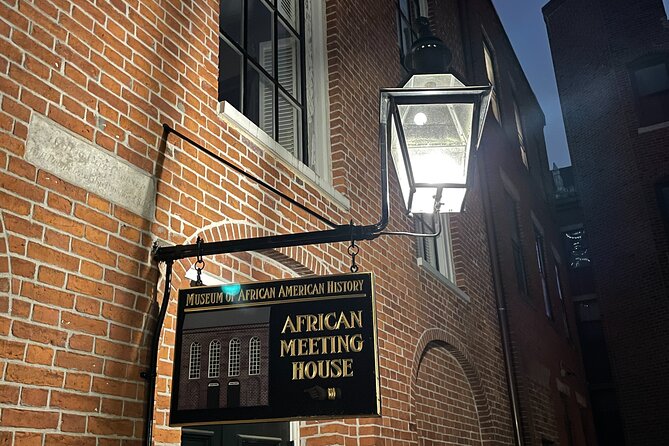
- Finish at an important site: The route ends at the African American Meeting House, the oldest surviving Black church building in America.
Why this Beacon Hill walk matters
Boston’s Underground Railroad story is easy to miss if you only follow the better-known Freedom Trail. This tour shifts your attention to the people and addresses connected with Black freedom seekers, abolitionists, teachers, business owners, and community allies.
You are not walking through a museum exhibit. You are using the streets themselves as the setting. A house may look like an ordinary Beacon Hill residence today, but the narration explains how it once served as a station, refuge, meeting place, or home for someone fighting slavery.
That approach gives the tour its strongest quality: place and story stay connected. You hear about a person, then stand near the building where that person lived or worked. The history becomes less abstract, though you should remember that many locations are viewed from public streets rather than entered.
The tour costs $9.75 per person, which is a modest price for a private experience that can be taken by only your group. It offers more structure than wandering Beacon Hill alone, while costing less than a conventional guided walking tour. Its value depends heavily on your comfort with phone-based sightseeing.
More Self-Guided Walking Tours in the USA
- Self Guided Classic Freedom Trail Location Aware (GPS) Walking Audio Tour
★ 4.5 · 258 reviews - Self Guided “Historic Boston Downtown Freedom Trail” Audio/GPS Walking Tour
★ 4.0 · 22 reviews - Boston Harborwalk & Tea Party Self-Guided Walking Audio Tour
★ 5.0 · 17 reviews
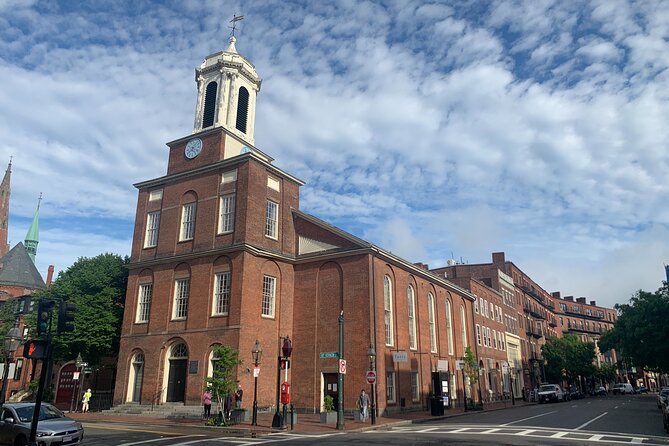
Starting at the Charles Street Meeting House
The route begins at the Charles Street Meeting House, at 70 Charles Street. This gives you a clear starting point in Beacon Hill and places you in an area closely tied to Boston’s abolitionist past.
Before walking, I would make sure the WalknTours app is installed and the activation code works. The ticket instructions include access to the app, and the tour uses an arrow to point toward the next stop. That arrow matters. If you drift off course, it can help you find the route again.
The experience is in English only. It is a private activity, so you are not trying to keep up with a guide or a larger group. That makes it useful for families, friends, and couples who want to stop for photos or discuss what they are hearing.
The opening section explains how the Underground Railroad operated. The name can create a misleading picture, as if there were literal trains or a single secret tunnel system. The narration sets out the network of people and safe locations that helped freedom seekers move toward safety.
John J. Smith and the first Beacon Hill stories
One early stop is the John J. Smith House. Here, the narration explains Smith’s role as a station master and the people he helped.
This is the kind of stop that gives the route its human scale. Instead of hearing only about national figures, you learn how Boston residents took direct risks in their own neighborhoods. A house becomes evidence of individual action, not just a backdrop for famous events.
The extra information feature is useful here. You can pause the main story and open more detail about the people connected with each location. I like that format for curious listeners, but it can also be the point where the app feels less intuitive. Some users have found it difficult to return from extra material to the main narration.
If you want the smoothest experience, listen to the main story first and treat the additional material as optional. You can always return to it later.
Harriet Tubman and John Sweat Rock on Phillips Street
The route then brings Harriet Tubman into the story before taking you to 83 Phillips Street, the former home of John Sweat Rock.
Tubman is one of the best-known names connected with freedom work in the United States, but this stop also draws attention to Rock and his many historical firsts. The result is a broader picture of Black leadership in Boston, one that includes medicine, law, public life, and community organizing rather than focusing only on escape routes.
The Phillips Street stop also shows why the walk requires a little physical effort. Beacon Hill includes hills and uneven city walking. The distance is not presented as a long excursion, but you should still wear comfortable shoes. One of the strongest practical tips from the experience is simple: carry water, especially in warm weather.
More Self-Guided Walking Tours in Boston:
- Boston: City History and Highlights Audio App Walking Tour
★ 3.7 · 12 reviews - Self-Guided Smartphone Ghost Walking Tour Boston App EMF Reader
★ 4.5 · 6 reviews - Self Guided “The North End Pizza, Cannoli and Picnic” Solo Walking Tour
★ 5.0 · 3 reviews - Sofia: City Monuments Guided Walking Tour with Audio Guide
★ 4.5 · 825 reviews
Lewis Hayden’s station in Beacon Hill
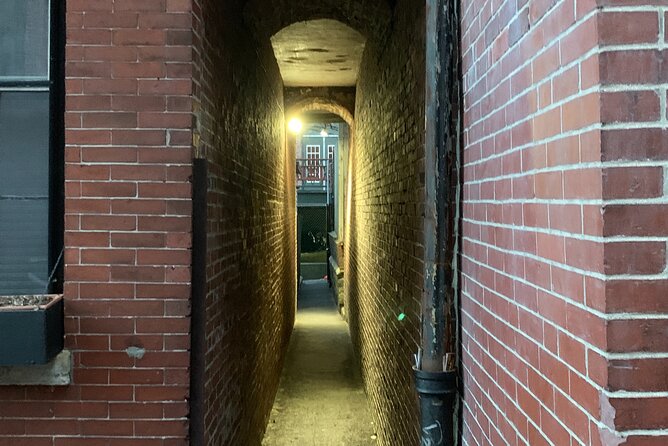
Lewis Hayden’s home is one of the most important stops on the route. Hayden was a station master, and the narration tells how he helped save countless people fleeing slavery.
This section works because it places danger at a domestic address. You are not simply hearing that abolitionists supported a cause in theory. You are hearing about someone whose home became part of an active network.
The route’s dramatic narration helps here. Several voices are used, and the presentation is designed to sound more like a produced story than a dry list of dates. That theatrical style will appeal to you if you enjoy historical storytelling. If you prefer a quiet, academic lecture, it may feel more dramatic than necessary.
Leonard Grimes and the work of a conductor
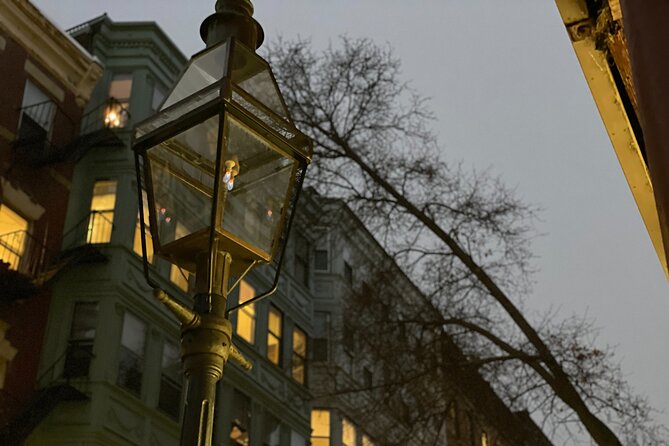
Another stop marks the former home of Leonard Grimes, a conductor on the Underground Railroad.
The term conductor refers to someone who helped guide freedom seekers through the network. This stop adds another role to the story, showing that the work depended on people with different responsibilities. Station masters sheltered people. Conductors helped move them. Other residents offered information, money, food, or protection.
That network is the key lesson of the route. No single address tells the whole story. The audio connects several homes and public places so you can understand Beacon Hill as a community where resistance took many forms.
The Old Temperance Boarding House
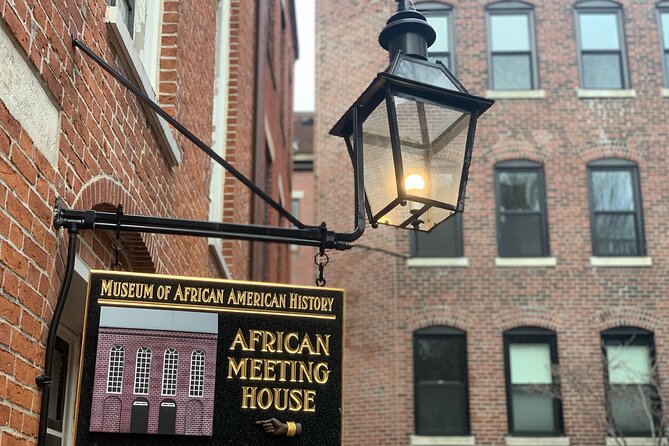
The Old Temperance Boarding House was another stop on the Underground Railroad. The setting helps explain how a boarding house could serve a practical purpose within the network.
A place with people coming and going could offer a degree of cover, though the tour’s value is not in pretending that every location was a secret tunnel or dramatic hideout. It shows how ordinary city buildings could acquire an extraordinary purpose.
This is also a good point to use the pause function. If you want to examine the building or talk with your companions, you can stop the narration without losing your place. That flexibility is one of the best reasons to choose a self-guided format.
The Phillips School and Boston’s early integration
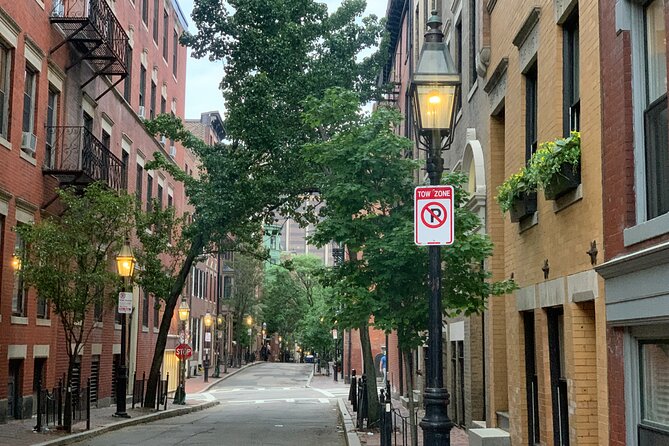
The route passes the site of the old Phillips School, described as Boston’s first integrated school. It also had the first African American teacher to teach at an integrated school.
This stop broadens the tour beyond escape and rescue. Education was part of the struggle for equal rights, and schools reveal how racial conflict shaped daily life. You get a sense of how Boston’s Black community challenged exclusion through institutions as well as through abolitionist work.
Because the school building is historic rather than an active attraction on the route, the narration does much of the work. You need to pay attention to the audio and the location marker. If you rush past, you may see only a street corner and miss why it matters.
The Vilna Shul and Jewish assistance
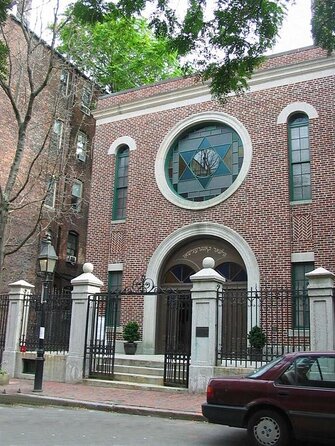
The tour passes the Vilna Shul, the oldest immigrant synagogue in Boston, and tells the story of the Jewish community that helped with the Underground Railroad.
This is an important part of the route because it resists a narrow version of the story. The fight against slavery involved alliances across communities. The Vilna Shul stop shows how Boston’s immigrant and Jewish residents were part of the wider network of assistance.
The building also adds architectural and neighborhood interest. You are not walking from one isolated historic house to another. The route places Black history alongside the story of another Boston community, helping you understand how different groups lived and worked near one another on Beacon Hill.
John Coburn’s home and gaming house
At the former home of John Coburn, you hear about his gaming house and his role as a station master.
That combination may surprise you. The stop is useful because it presents Coburn as a real person with a business and a public life, not as a flat historical character created only for a textbook. His gaming house also suggests how a commercial setting could connect people and provide opportunities for communication.
As with the other private residences, you should expect an exterior stop. The audio gives the address its meaning, so listening carefully is more important than looking for a large sign or museum entrance.
Charles Sumner’s birthplace
The tour also stops at the birthplace of abolitionist Charles Sumner.
Sumner adds a prominent political voice to a route otherwise centered on homes, schools, and neighborhood organizers. His birthplace connects the local story to the wider abolitionist movement and to the political fight over slavery in the United States.
This stop helps round out the route. You hear about people who offered direct aid, community members who supported education, and an abolitionist whose work reached into national politics.
Ending at the African American Meeting House
The walk ends at 46 Joy Street, the African American Meeting House. It is described as the oldest surviving Black church building in America.
Ending here gives the route a strong sense of purpose. The meeting house was not simply a place of worship. In the story of Boston’s Black community, churches served as places for organizing, communication, education, and public action.
The endpoint also makes practical sense. You finish near a major historic site rather than returning to your starting point. If you are planning another Beacon Hill activity, check your map before booking, since the start and end are different locations.
How the app performs in real use
The WalknTours app is central to the experience. The narration is GPS-based, and an arrow indicates the next stop. You can pause, replay sections, and open extra information about the people and places along the way.
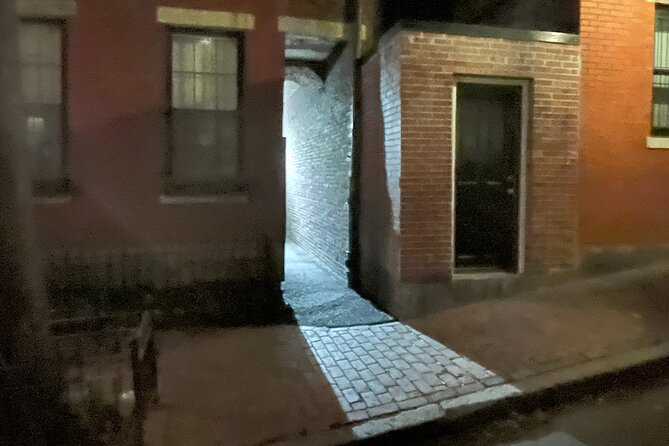
When it works properly, this format gives you unusual control. You can take the route early in the day, later at night, or at another time that fits your plans. One person took the walk after dark and found that the evening setting added atmosphere, though you should choose a time when you feel comfortable navigating city streets.
The weak point is setup. Some users have had trouble locating the ticket instructions, downloading the correct app, or activating the experience code. Others have lost the route or found the transition from extra information back to the main story confusing.
My advice is practical: open the ticket’s View Ticket button before arriving, download WalknTours, and activate the code while you have a reliable internet connection. Do not wait until you are standing outside in freezing weather. Once the tour is running, follow the app’s arrow and avoid opening every extra section at once.
Who will get the most from this tour
I would choose this experience if you want a focused introduction to Black history in Boston and prefer to control the pace yourself. It suits families with older children, friends, and couples who like discussing history as they walk.
It is also a good fit if your schedule is unpredictable. The stated duration is about 45 to 55 minutes, but pausing is built into the format. You are not tied to a departure time or a group meeting beyond reaching the starting point.
I would be more cautious if you want a human guide who can answer questions on the spot. You may also prefer the free National Park Service material if app setup sounds frustrating or if you want to avoid paying for a digital tour.
The route is offered only in English. Service animals are allowed, the walk is near public transportation, and most people can participate, but the hills and outdoor format still make comfortable shoes and weather planning worthwhile.
Should you book the Beacon Hill audio tour?
Book it if you want a low-cost, self-paced way to connect Beacon Hill streets with the people who fought slavery and supported freedom seekers. The strongest features are the location-based storytelling, the range of historic figures, the freedom to pause, and the final arrival at the African American Meeting House.
Skip it if you dislike troubleshooting phone apps or need a live guide. At $9.75, the price is fair, but the experience depends on your device, the activation process, and your willingness to follow directions.
If you prepare the app before leaving and bring water and good shoes, this is a thoughtful way to see a less familiar side of Boston. Just give the technology a quick test first. That small step can make the difference between a moving history walk and a long wait on a street corner.
FAQ
How long does the self-guided Boston Underground Railroad tour take?
The tour takes approximately 45 to 55 minutes.
Where does the tour begin?
It begins at the Charles Street Meeting House, located at 70 Charles Street in Boston.
Where does the tour end?
The tour ends at 46 Joy Street, at the African American Meeting House.
What language is the audio tour offered in?
The tour is offered in English.
Can I pause or replay the narration?
Yes. You can pause and replay the narration, and the app also provides additional information about people and places along the route.
Is the tour suitable for people who use service animals?
Yes. Service animals are allowed.
What is the cancellation policy?
You can cancel for a full refund up to 24 hours before the experience start time. Cancellations or changes made less than 24 hours in advance are not refunded.
Just added around Boston
- Boston’s Freedom Trail: A Self-Guided Audio Tour★ 4.0 · 18 reviews
- Boston Self-Guided Audio Tour Bundle: Freedom Trail & More★ 4.5 · 5 reviews
- Self-Guided Audio Tour of Boston North End★ 4.5 · 3 reviews
- Boston’s Freedom Trail: A Self-Guided Tour of All 16 Sites★ 5.0 · 14 reviews
- The Ghosts of Boston’s Past Haunted Self-guided Tour★ 3.5 · 4 reviews
- Boston’s Old North Church Admission with Self-Guided Audio Tour★ 4.5 · 19 reviews
- Boston Record Breakers: Self-Guided Scavenger Hunt★ 4.5 · 4 reviews
- Self Guided “The North End Pizza, Cannoli and Picnic” Solo Walking Tour★ 5.0 · 3 reviews
Boston Audio Tours, compared.
Self Guided Classic Freedom Trail Location Aware (GPS) Walking Audio Tour
Read our review →
Boston Freedom Trail Self-Guided Tour with Audio Narration & Map
Read our review →
Self Guided “Historic Boston Downtown Freedom Trail” Audio/GPS Walking Tour
Read our review →
Boston’s Old North Church Admission with Self-Guided Audio Tour
Read our review →
Boston’s Freedom Trail: A Self-Guided Audio Tour
Read our review →
Boston Harborwalk & Tea Party Self-Guided Walking Audio Tour
Read our review →
Boston’s Freedom Trail: A Self-Guided Tour of All 16 Sites
Read our review →
Boston: City History and Highlights Audio App Walking Tour
Read our review →Browse the lists this tour appears in