

REVIEW · CANADA AUDIO TOURS
Smartphone Audio Driving Tour between Banff and Calgary
The most useful feature here is simple: your own car becomes the tour bus. As you drive between Calgary and Banff, the Tripvia Tours app uses your location to play stories about mountains, towns, parks, rivers, and historic sites. You can take the route in either direction, stop when you wish, and continue when you are ready.
I like the very low group price, only $8.22 for up to 15 people, and I like the freedom to keep the tour for later use rather than squeeze everything into a fixed departure. The optional trivia also gives the ride a little spark. The main caution is that you still need to drive, navigate, and watch the road, so the experience may feel distracting if you are new to the route or trying to listen closely to every story.
Key points to know before you book

- One booking covers the whole vehicle: Up to 15 people can share the tour, making it excellent value for a family or group with a rental car.
- The commentary follows your location: Stories are meant to begin as you approach a point of interest, though the app may need time to catch up.
- You can travel in either direction: Use it from Banff to Calgary or Calgary to Banff.
- More than 50 points of interest: Expect commentary on Banff, Canmore, Kananaskis Country, Lake Louise, mountain peaks, rivers, campgrounds, and local history.
- Offline use helps in the mountains: Download the tour with a good mobile or WiFi connection before setting out.
- The price is hard to beat: At $8.22 per group, this is an inexpensive add-on, but it is not a replacement for a dedicated guide or a scenic stop-by-stop excursion.
What this Banff and Calgary audio tour is really like
This is a self-guided driving experience, not a bus tour and not a private vehicle service. You supply the car, smartphone, fuel, and attention. Tripvia Tours supplies the English narration through its app.
The advertised running time is about two hours, but that refers to the normal drive and commentary rather than a strict start-to-finish schedule. The tour has no time limit, so a stop at the Upper Hot Springs, Canmore Museum, Lake Louise, or another recommended attraction will not make the tour expire. The app is designed to pick up where you left off.
That flexibility matters on this route. The stretch between Calgary and Banff is not just a transfer between two towns. It passes through mountain communities, Banff National Park, major viewpoints, ski areas, waterways, and places with stories that are easy to miss when you are focused on traffic and directions.
The tone is informal. Some narration is playful, and the optional trivia adds a quiz-show touch. A few stories may feel cheesy, but that is part of the package. You are getting a friendly audio companion, not a formal lecture.
More Self-Guided Driving Tours in Canada
- Icefields Parkway: a Smartphone Audio Driving Tour
★ 4.0 · 118 reviews - Cabot Trail: a Smartphone Audio Driving Tour
★ 4.5 · 118 reviews - Sea to Sky Highway: a Smartphone Audio Driving Tour
★ 4.0 · 32 reviews
Starting the drive: download first, then let the route catch up

The best preparation is to download the tour before leaving. You need a good mobile or WiFi connection for the initial setup, but the app can then be used offline. That is especially useful in mountain areas where a steady signal cannot be taken for granted.
The tour is available from either Banff or Calgary. It is also usable on a bus ride, as one customer found, although the experience is designed around following a route by vehicle. You do not need a scheduled meeting time. The listed hours run from midnight to 11:30 p.m. daily, and your booking remains available for flexible use through the Tripvia Tours app.
Give yourself a little time at the start. One of the practical snags is that the audio may not immediately line up with your position. It can take a while to catch up, particularly if you open the app after already driving some distance. Starting with the app open and the tour loaded helps.
Audio connection is another small issue. A rental car’s Bluetooth system may not recognize the app, so test it before leaving town. If the car audio does not cooperate, you can still listen through the phone, though that is less satisfying for a full vehicle.
Calgary to Banff: history, rivers, and the first mountain views
Heading west from Calgary, the commentary gives the long drive some shape. One notable subject is the Calgary Stampede, presented with a playful angle that brings in its supposed inventor. The story is meant to be light and memorable rather than a detailed museum talk.
As the route moves toward the foothills, the focus changes from Calgary culture to the mountains. You hear about Kananaskis Country, a large outdoor area that many people pass without fully understanding. The tour explains the area even when you are not driving directly through every part of it.
You also learn about communities connected to the road. One stop covers the last industrial building before entering, or after leaving, Banff National Park. Another explains how Canmore got its name. These details are useful because the drive can otherwise feel like one continuous line of highways, peaks, and exits.
The tour also points out the Three Sisters, the iconic mountain group near Canmore, and gives the sisters their names. That kind of prompt is helpful in real time. Instead of seeing a dramatic peak and wondering what it is called, you have a story to attach to it.
Canmore and the mountain towns along the way

Canmore is more than a place to pass through on the way to Banff. The audio introduces the town’s name and points you toward the Canmore Museum. If you decide to stop, the app is meant to continue when you resume driving.
That is one of the tour’s best features. A fixed bus commentary would force you to choose between staying with the group and visiting a small museum. Here, you can stop for lunch, walk around town, or see the museum, then return to the route.
The narration also covers other mountain villages and highway communities. Some are presented as quick roadside points rather than formal stops. You will hear about a small mountain village, a community with a distinctive name, and places you may want to visit later.
Do not expect every point to have a long stop or an obvious parking area. Many of these entries are designed to be heard as you pass. If you want photographs or a walk, use your own judgment and pull over only where it is safe and permitted.
More Smartphone App Tours in Canada:
- Kelowna: Wine Tasting by E-bike, Smartphone Guide & Lunch
★ 4.8 · 30 reviews - The Bay of Fundy Smartphone Audio Driving Tour
★ 4.0 · 28 reviews - Halifax Churches, Gardens & Graveyards: a Smartphone Audio Walking Tour
★ 4.5 · 25 reviews - Kelowna: E-Bike Rental with In-App Navigation Guide
★ 5.0 · 22 reviews
Banff National Park: broad context instead of a guided hike

A large section of the journey passes through Banff National Park. The audio gives you background on the park while you drive, which is valuable if your schedule does not allow a separate guided tour.
The narration points out several mountains, including peaks with names tied to their shape or appearance. One mountain resembles a castle, while another has a name that makes sense once you see it. The guide also explains how an iconic mountain received its name and who discovered it.
There is a bit of repetition in the mountain commentary. You will hear about several peaks in succession, and if you are not looking in the right direction, a story can pass before you identify the feature. Still, the GPS prompts give you a reason to scan the view when it is safe to do so.
The Bow River also appears throughout the trip. You drive alongside this well-known mountain river more than once, and the commentary explains its place in the route. This is a good example of how audio can improve a familiar drive: a river you might treat as background becomes part of the story.
Banff, Lake Louise, and the Upper Hot Springs

The tour introduces Banff as an important mountain town and points out the Banff Upper Hot Springs. It explains how the upper springs were discovered and encourages you to stop and visit if the timing works.
The practical value is that you can decide on the spot. If the springs are open and fit your schedule, stop. If you are heading straight to your hotel, keep driving and listen to the explanation without buying an attraction ticket.
Lake Louise receives similar treatment. The audio cannot provide entry to the lake or guarantee access, but it gives context as you approach and helps you understand why the place draws so much attention. One family used the tour while visiting Lake Louise and found the historical commentary a useful part of that stop.
Keep in mind that the tour does not include attraction tickets. Recommended sites can also be closed or inaccessible because of the season or circumstances outside the operator’s control. Check current access conditions yourself before building your day around any one stop.
The route also points out a campground that may make you want to sleep under the stars. That is a nice touch for campers, though the audio itself does not include a campsite reservation or overnight arrangement.
Kananaskis, lakes, ski areas, and mountain names
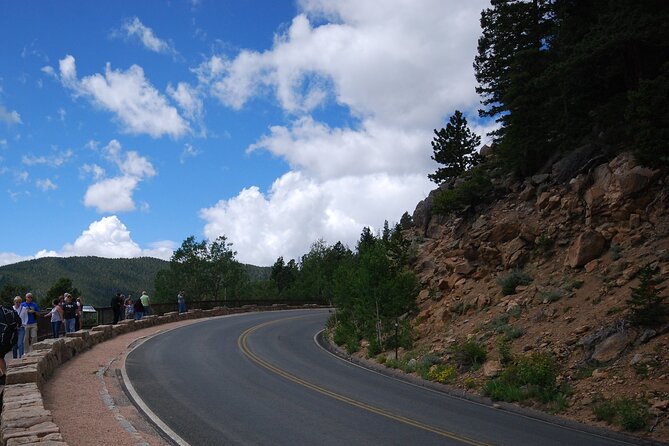
The route includes commentary on a lake with a name that sounds intimidating but is described as a pleasant foothills lake. You hear about the activities people enjoy there, although the tour does not include equipment, transport, or activity fees.
Another park is discussed even though the route does not pass through it. This is useful background if you are considering a later visit, but it also shows the limits of the experience. Not every subject is a direct roadside sight. Some entries are nearby context rather than actual stops.
Ski areas receive attention too. You see a resort outside Banff and hear what sets it apart from other resorts in the region. Another major ski resort is pointed out farther along. The details may help you decide which places deserve a future day, but this is not a ski package and does not include lift access.
One particularly practical subject is a tunnel through a mountain. The narration covers why it was built, how it was built, when it happened, and what went wrong. That sort of engineering story breaks up the scenic commentary and gives the drive a stronger sense of place.
What makes the 50-plus points useful
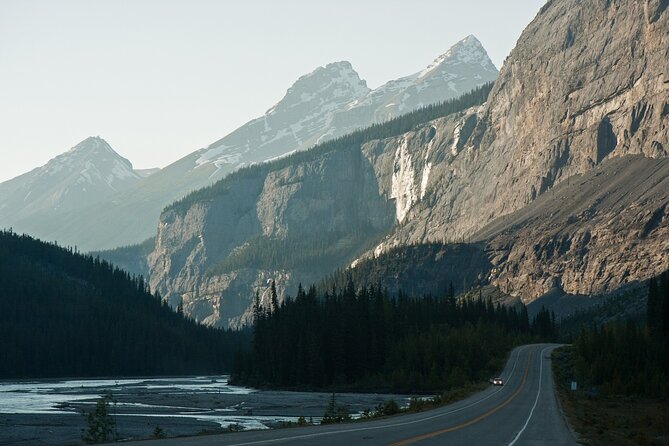
The tour includes more than 50 points of interest, though the supplied stop list also contains many pass-by locations. Think of it as a stream of prompts rather than a checklist of attractions.
Some points invite a real stop. The Upper Hot Springs, Lake Louise, Canmore Museum, Banff, and mountain villages can all become parts of a longer day. Other points are simply things to notice from the road, such as a peak, river, campground, industrial building, or tunnel.
This distinction matters when you plan. You cannot reasonably stop at every point in a two-hour drive, especially while handling a vehicle. Use the narration to choose two or three places that fit your interests, then treat the rest as background.
The app’s greatest strength is that it does not punish you for making those choices. Stop for ten minutes, an hour, or longer. The tour remains yours, and it resumes when you return to the road.
The narration, GPS timing, and trivia
The audio is usually triggered by GPS, so you do not have to keep tapping the screen. That is a major advantage for the driver. The route can begin automatically once you reach the starting area, as long as the app is open and the tour is loaded.
Timing is not perfect every time. If the app starts late, it may need to catch up with your location. Some audio sections can also end abruptly, with no friendly transition to the next point. That is a small flaw, but it affects the sense of flow.
The narration includes local history, place-name stories, mountain facts, and Canadian culture. The optional trivia is one of the more popular touches. It can keep passengers involved and make the ride feel like a shared activity.
Still, trivia is not ideal for every driver. If you are unfamiliar with the road, dealing with weather, or trying to watch for turns, skip it. Let the passenger handle the app, and keep the driving task first.
The voices and tone will not suit everyone. Some accents and comic touches may seem unnecessary, and one part of the value depends on enjoying a slightly playful presentation. If you want a quiet drive or a formal expert guide, this may not be your style.
Price, group value, and what is not included
At $8.22 per group, the price is unusually low for a private experience. A family of four pays the same as a couple, and a larger group of up to 15 people can share one booking. That makes it an easy addition to a rental-car itinerary.
The value is strongest when you already plan to drive between Calgary and Banff. You are not paying for a separate vehicle, guide, or attraction admission. You are adding narration to a journey you were already going to make.
The low price also comes with clear limits. You must provide your own smartphone or tablet, vehicle, transportation, and attraction tickets. The app is not a substitute for a human guide who can answer questions, adjust the route, or point out wildlife in real time.
A private tour means only your group participates, but it does not mean a driver or guide is supplied. Service animals are allowed, and most people can participate, subject to the ordinary demands of riding in a vehicle and managing the app.
Free cancellation is available if you cancel at least 24 hours before the local start time. Cancellations or changes inside that window are not refunded.
Who should book this audio drive
I would recommend it most strongly to you if you have a rental car, enjoy learning while you drive, and want freedom to stop without joining a scheduled group.
It suits:
- Families who want trivia and short stories for a long drive
- Couples who prefer a private route at their own pace
- First-time visitors who want help identifying mountains and towns
- Groups sharing one vehicle, since one booking covers up to 15 people
- Drivers who are comfortable setting up an app before leaving
I would be more cautious if you are already busy navigating an unfamiliar road. One couple found that listening, watching the scenery, and handling directions at the same time did not work well. In that case, let a passenger manage the app, or choose a conventional guided excursion.
Should you book the Banff to Calgary audio tour?
Book it if you see the $8.22 fee as a small upgrade to a drive you are already making. The best parts are the GPS-triggered stories, offline access, flexible stops, and strong group value. The commentary gives names and context to mountains, rivers, parks, and towns that can otherwise blur together.
Skip it if you want a fully managed tour, precise live navigation, or a guide who can respond to questions. The setup can take patience, Bluetooth may not work with every rental car, and the narration occasionally needs better timing.
For most self-driving visitors, I would treat this as a useful audio layer, not the main event. Download it before departure, have a passenger handle the screen, keep the trivia optional, and choose a few meaningful stops rather than trying to see everything. That approach gives you the most from a very inexpensive and flexible tour.
FAQ
How much does the Smartphone Audio Driving Tour cost?
The listed price is $8.22 per group, with one booking covering up to 15 people.
Can I take the tour from Calgary to Banff?
Yes. The tour is available in either direction, from Calgary to Banff or from Banff to Calgary.
How long does the tour take?
The estimated driving tour lasts about two hours, but there is no time limit. You can stop and take as long as you like.
Do I need my own vehicle?
Yes. Transportation is not included, so you must use your own vehicle or rental vehicle.
Does the tour work offline?
Yes. You need a good mobile or WiFi connection for the initial download, and the app can then be used offline.
Is one booking needed for each person?
No. Only one booking is needed per vehicle, and the booking covers up to 15 people.
Is the tour available in English?
Yes. English is the listed language.
Are attraction tickets included?
No. Attraction tickets are not included, and recommended attractions may be closed or inaccessible because of the season or other circumstances.
What is the cancellation policy?
You can cancel for a full refund at least 24 hours before the local start time. Cancellations or changes made less than 24 hours before the experience are not refunded.
Just added around Canada
- Smartphone Audio Driving Tour between Huntsville & Toronto★ 4.5 · 4 reviews
- Halifax Explosion Smartphone Audio Walking Tour★ 4.0 · 3 reviews
- Explore Halifax with 3 Unique Smartphone Audio Walking Tours★ 4.0 · 16 reviews
- Smartphone Audio Driving Tour between Collingwood and Toronto★ 4.5 · 3 reviews
- Self Guided Audio Driving Tour of the North Shore of PEI★ 4.0 · 24 reviews
- Charlottetown Audio Walking Tour★ 5.0 · 7 reviews
- A 7th-Gen Local’s View of Downtown Charlottetown: An Audio Tour★ 4.5 · 27 reviews
- The Sights of Canmore: a Smartphone Audio Walking Tour★ 4.0 · 4 reviews
Canada Audio Tours, compared.



Vancouver Bike or Ebike Rental – Self Guided Map provided
Read our review →
Mont-Tremblant: Treetop Observatory and Self-Guided Walk
Read our review →



Vancouver to Whistler Seaplane Day Trip: Self-Guided Adventure
Read our review →Browse the lists this tour appears in