
REVIEW · NEW YORK CITY AUDIO TOURS
Self-Guided Tour of the Museum at Eldridge Street
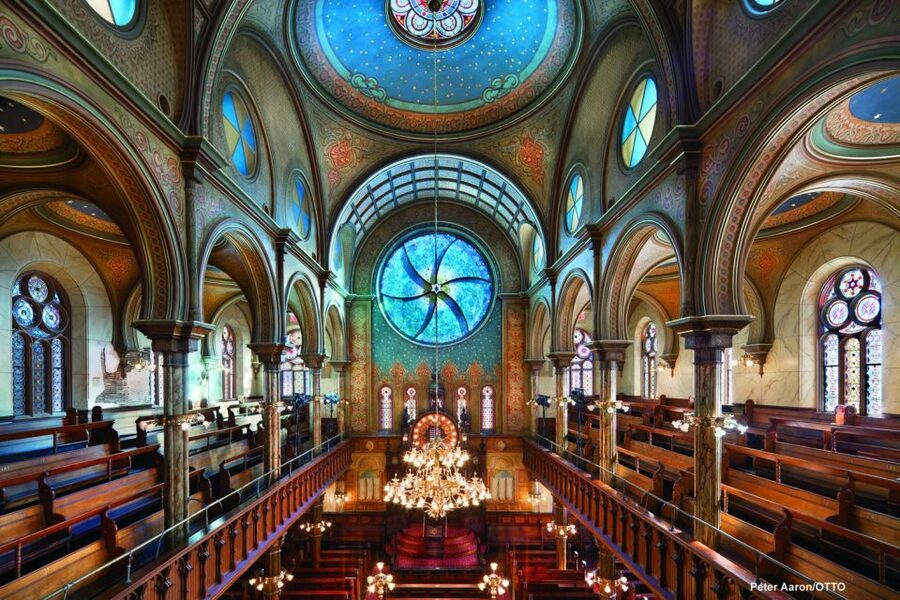
The Museum at Eldridge Street gives you a rare look inside a grand 1887 synagogue built by Eastern European Jewish immigrants on New York’s Lower East Side. The Moorish Revival interior and 60 stained glass windows make the building worth seeing even before you read a single panel.
I especially like the clear connection between the building and the immigrant families who paid for it, and the way the restored synagogue pairs old architecture with a modern window by Kiki Smith and Deborah Gans. The main drawback is the lack of a live guided tour, so you need to read and follow the self-guided material to get the full story.
Key points at a glance
- 1887 synagogue: See the first grand synagogue purpose-built in the United States by Eastern European Jewish immigrants.
- Moorish Revival design: Look closely at the ornate architecture and 60 historic stained glass windows.
- Two eras of art: A contemporary window by Kiki Smith and Deborah Gans joins the historic decoration.
- Lower East Side history: Learn how Jewish immigrants worshipped, built community, and put down roots in New York.
- Restoration story: Understand how a neglected building was saved through a 20-year, $20 million project.
- Low-cost visit: At $7 per person for about an hour, this is an easy addition to a Lower East Side outing.
Entering the 1887 Eldridge Street Synagogue
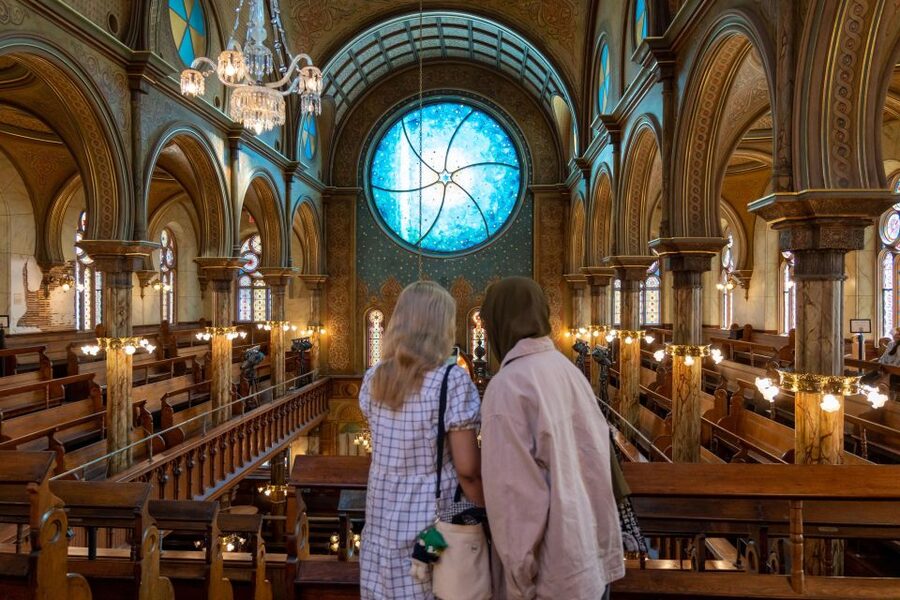
The Museum at Eldridge Street occupies the historic Eldridge Street Synagogue, a National Historic Landmark with an unusually direct connection to New York immigration. Built in 1887, it was the first grand synagogue purpose-built in the United States by Eastern European Jewish immigrants.
That fact changes how you see the building. This was not simply a handsome place of worship. It was a public declaration that newly arrived families intended to create a lasting community in their new country.
The synagogue was built among crowded tenements and packed city streets. Its large scale must have carried real force in that setting. The building offered worship, but it also gave Lower East Side residents a place to meet, preserve traditions, and build a shared life.
You enter through the main entrance at the bottom of the left-hand downward staircase. Once inside, you explore independently rather than joining a scheduled group with a live guide. The visit lasts about one hour, which is enough time to look carefully at the architecture and read the main displays without turning the stop into an all-day museum visit.
More Museum Audio Guides in the USA:
- Medieval Torture Museum Ticket with Audio Guide and Ghost Hunting
★ 5.0 · 962 reviews - Museum of the American Revolution Admission Ticket with Audio Guided Option
★ 4.5 · 187 reviews - Hollywood Medieval Torture Museum Ticket with Ghost Hunting
★ 5.0 · 133 reviews
Reading the Lower East Side through one building
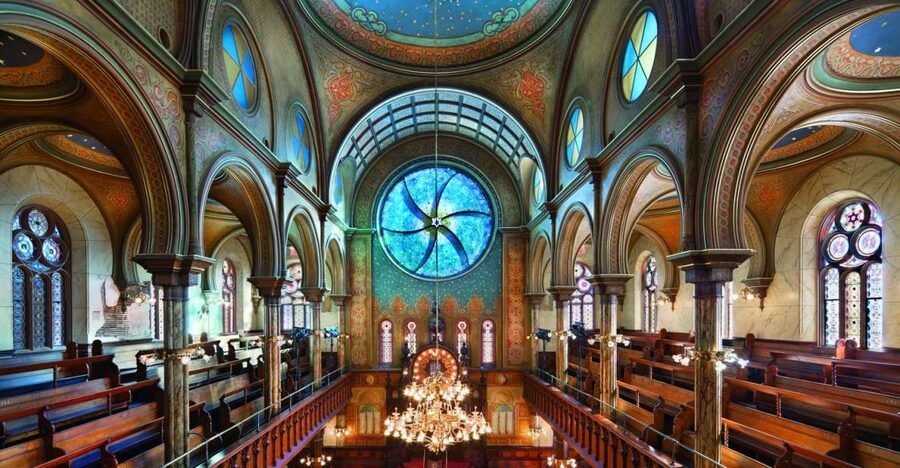
The strongest part of this visit is the connection between physical space and social history. You are not only learning that Jewish immigrants arrived in New York. You are seeing one of the institutions they created for themselves.
At the turn of the 20th century, roughly one third of Europe’s Jewish population would cross the Atlantic. The Eldridge Street Synagogue belongs to that great age of immigration. Its construction reflects ambition, faith, and the desire to establish permanent roots.
The museum explains the lives, traditions, and customs of the Lower East Side’s Jewish community. You can use the building itself as your guide. The scale of the synagogue suggests the importance of communal life, while the decorative choices show that its founders wanted a place that felt worthy of their hopes.
I find this more useful than a general introduction to New York immigration because the story has a fixed setting. You can connect the historical information to the walls, windows, and rooms around you. The result is a visit that asks you to think about what it meant to arrive in a new country and create a public home.
The experience also covers the synagogue’s decline. Strict immigration quotas in the 1920s changed the neighborhood and reduced the flow of new arrivals. Over time, the building suffered from neglect and came close to being lost.
That part of the story matters. Preservation is not just about admiring an old building after the hard work is finished. You also learn how easily an important place can disappear when its original community changes and maintenance is no longer possible.
Moorish Revival details and 60 stained glass windows
The synagogue’s architecture is the visual heart of the visit. Its Moorish Revival style gives the interior a distinctive look, with decorative forms that differ from the familiar European church styles found elsewhere in New York.
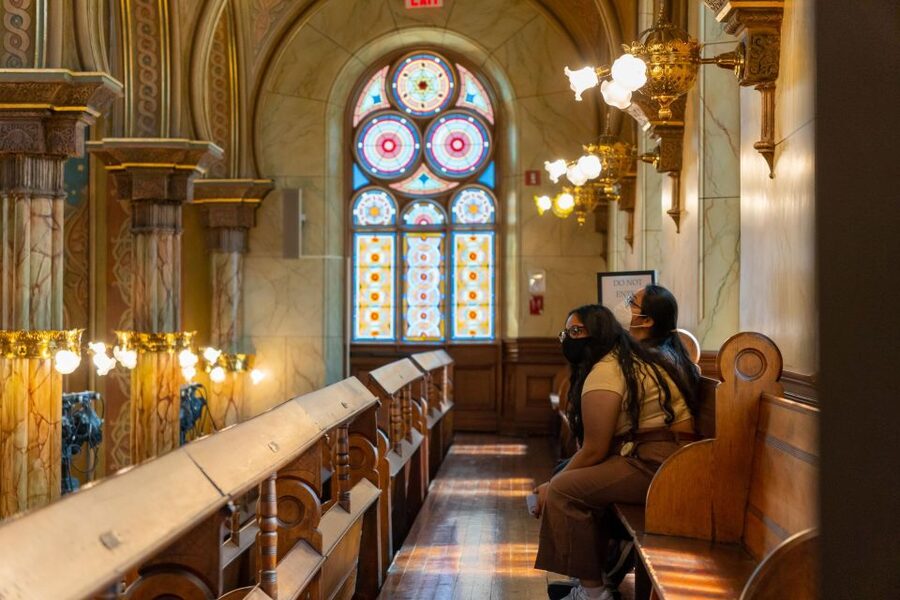
Take your time with the overall design first, then look at individual details. The 60 historic stained glass windows are the feature most likely to hold your attention. They add color and pattern while also showing the level of care that went into creating this place of worship.
A self-guided format works well here because you can pause whenever a detail catches your eye. You are not being hurried along by a group. You can spend a few minutes looking upward, then return to the written material when you are ready.
The trade-off is that no live guide is leading your attention. A self-guided visit rewards curiosity, but it requires you to make your own route through the information. If you prefer stories delivered aloud, this may feel less satisfying than a guided tour.
The host or greeter speaks English, and self-guided material is available in English, Spanish, and Chinese according to the activity information. That gives you useful flexibility, especially if members of your group prefer different reading languages.
The modern window by Kiki Smith and Deborah Gans
The museum does not treat the synagogue as a sealed time capsule. A modern window by artists Kiki Smith and Deborah Gans brings a later artistic voice into the historic building.
That contrast is one of the most interesting details to look for. The historic windows belong to the synagogue’s original visual world, while the modern work shows how a restored building can continue to hold new ideas.
I like this choice because it keeps the museum from presenting preservation as simple freeze-frame nostalgia. You see the 19th-century structure and its historic decoration, but you also see evidence that the building has a cultural life in the present.
The modern installation may be especially useful if you are visiting with someone who enjoys art more than architectural history. It gives the visit another point of entry and encourages you to compare old and new approaches to light, design, and religious space.
The activity also includes admission to the museum’s temporary exhibit and permanent collection. Since temporary displays can change, the specific subject will depend on the date of your visit. You can count on the permanent material about the synagogue, immigration, Jewish community life, architecture, and restoration.
More Audio Tours in the USA:
- Fort Sumter Admission and Self-Guided Tour with Roundtrip Ferry
★ 4.5 · 3,343 reviews - San Francisco: Alcatraz Ticket, Ferry, & Self-Guided App
★ 4.5 · 2,460 reviews - Los Angeles: Hop-On Hop-Off Bus Tour with Audio Guide
★ 3.7 · 2,030 reviews - City Sightseeing Hop-On Hop-Off Bus Tour with Audio Guide
★ 3.0 · 1,083 reviews
How the $20 million restoration changed the experience
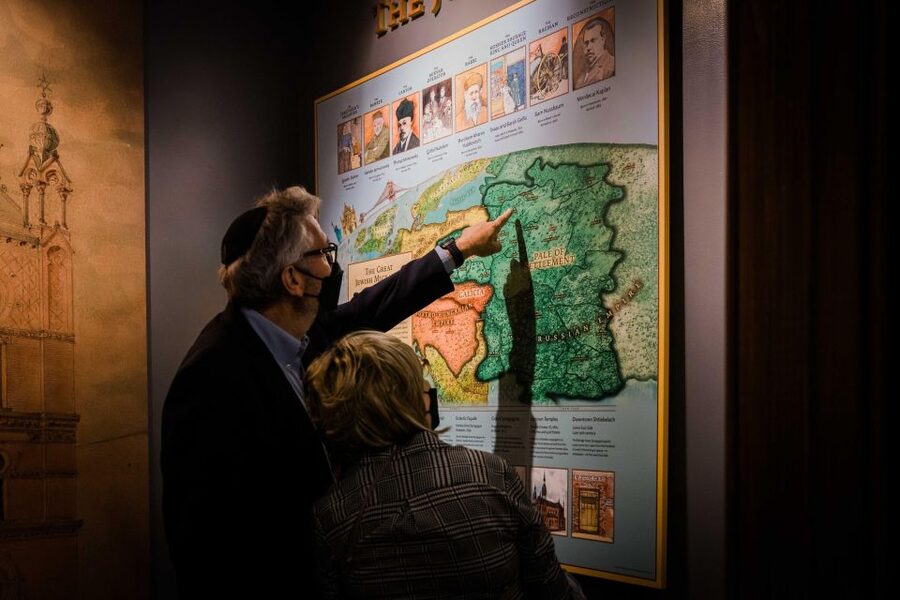
The synagogue was returned to public use through a 20-year restoration project costing $20 million. That long effort is part of the museum’s central story, not a minor footnote.
When you look at the preserved architecture and windows, you are seeing the result of sustained work rather than a building that simply survived in perfect condition. The museum explains how the landmark was saved and how its history is being kept available for future generations.
This gives the visit a practical lesson in preservation. You see why careful restoration costs time and money, and why public access matters after the work is complete. The building is not only attractive. It is an example of how a community can recover a place that once seemed close to disappearing.
The restored setting also makes the visit comfortable and manageable. The museum has an elevator reaching all four floors, and the building is wheelchair accessible. That is useful information for anyone who wants to see the full museum without relying on stairs.
Planning your one-hour visit
The advertised duration is one hour, which is a sensible plan for most people. I would allow that amount of time if you want a focused visit, especially if you read the displays and stop for the windows.
Start by getting your bearings in the synagogue itself. Look at the full interior before concentrating on individual objects. Then follow the material on the building’s construction, its role in Jewish immigrant life, its decline, and its restoration.
Next, spend time with the stained glass and Moorish Revival decoration. The architecture is not background scenery here. It is one of the main exhibits, and it rewards looking up and around rather than moving quickly from one text panel to another.
Finish with the modern window and any current temporary exhibit. This gives your visit a useful progression from the synagogue’s original purpose to its later preservation and present-day museum role.
Personal, noncommercial photography is welcome, but flash photography and professional cameras are not allowed. Food and drinks other than water are not allowed inside, and food, drinks, strollers, and backpacks will be searched and checked in upon arrival. Bikes and scooters are also not allowed.
Those rules are simple, but they affect how you pack. Bring only what you need for the visit, and do not plan on carrying a large backpack through the museum.
Who will get the most from this experience
I would recommend this museum to anyone interested in New York immigration, Jewish history, historic buildings, or urban preservation. It is also a good choice if you want a quieter cultural stop on the Lower East Side rather than another large, crowded museum.
The visit suits people who like to set their own pace. You can linger over the windows, read only the sections that interest you, or focus on the architectural details. Families and mixed-interest groups may also find the one-hour length manageable, although the self-guided format means younger visitors may need help staying engaged.
Art lovers should pay attention to the combination of historic stained glass and the contemporary work by Kiki Smith and Deborah Gans. Architecture fans will find the Moorish Revival design and restoration story more rewarding than a quick photo stop suggests.
The experience is less ideal if you want a polished narrative from a live expert. One rating specifically found the visit pleasant but wished for a guide or more explanation. That is a fair criticism. The museum provides the setting and the information, but you must supply your own pace and attention.
Is $7 a fair price?
At $7 per person, this is an easy value. Admission includes the historic synagogue, the permanent collection, and the temporary exhibit. You are paying for access to a significant building, not only a small display room.
The price is particularly reasonable for visitors already exploring the Lower East Side. The museum can fill about an hour without requiring a major time commitment, and its subject connects naturally with the neighborhood’s immigrant past.
The value depends on what you want from a museum visit. If you enjoy architecture and reading at your own speed, the low admission makes this a strong choice. If you measure value by the amount of personal attention from a guide, you may find the experience limited despite the low price.
The current rating is 4.3 out of 5 from 13 ratings. The highest praise focuses on the synagogue’s beauty, the quality of the restoration, and the welcoming staff. That matches the main strength of the visit: the building itself gives you plenty to see, while the staff help you get started.
Booking and arrival tips
You can cancel up to 24 hours in advance for a full refund, and you can reserve now and pay later. Those options help if your New York schedule is still shifting.
Check availability for the starting times because the activity is listed as a one-hour visit with scheduled availability. The host or greeter is English-speaking, while the self-guided tour is listed in English, Spanish, and Chinese.
For access, use the main entrance at the bottom of the left-hand downward staircase. The museum is fully accessible, with an elevator serving all four floors, so you should not assume the visible staircase is your only route through the building.
I would arrive ready to spend the first few minutes simply looking. The synagogue’s size, decoration, and windows make a stronger first impression when you give yourself time to take in the whole room before turning to the written history.
Should you book the Museum at Eldridge Street?
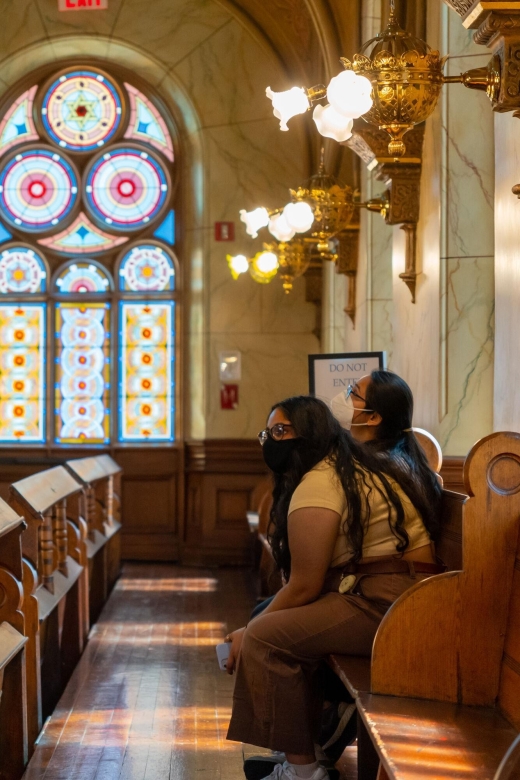
Book it if you want a compact, inexpensive look at New York’s Jewish immigrant past inside an extraordinary restored building. The 60 stained glass windows, Moorish Revival design, modern Kiki Smith and Deborah Gans window, and restoration story give the hour real substance.
I would especially choose it for an architecture-focused Lower East Side afternoon, a museum visit under a tight budget, or a quieter stop with a clear historical connection. Go in knowing that this is self-guided and text-based, not a live tour with a named guide.
At $7, the risk is small. If the building’s design and immigrant story interest you, this is one of the better-value short visits in New York.
FAQ
How long does the Museum at Eldridge Street visit last?
The self-guided visit lasts about one hour. You explore the synagogue and museum material at your own pace.
What languages are available for the self-guided tour?
The self-guided tour is available in English, Spanish, and Chinese. The host or greeter speaks English.
Is the museum wheelchair accessible?
Yes. The museum is fully accessible, and an elevator reaches all four floors.
Can I take photographs inside?
Personal, noncommercial photography is welcome. Flash photography and professional cameras are not allowed.
Can I bring food, drinks, a stroller, or a backpack?
Food and drinks other than water are not allowed. Strollers and backpacks will be searched and checked in when you arrive.
What does admission include?
Your admission includes the Museum at Eldridge Street and Eldridge Street Synagogue, the temporary exhibit, and the permanent collection.
Just added around the USA
- Smartphone-Guided Walking Tour of Downtown Indianapolis Sights & Stories★ 4.0 · 25 reviews
- Springfield Self-Guided Walking Audio Tour★ 4.0 · 5 reviews
- Smartphone Guided Indianapolis Downtown Sites Audio Walking Tour★ 4.5 · 7 reviews
- Indiana Dunes National Park Self-Guided Audio Tour★ 3.5 · 4 reviews
- Self-Guided Audio Driving Tour in Kancamagus Highway★ 4.5 · 6 reviews
- An Epic Scavenger Hunt: Bloomington Scenic Southern Indiana★ 3.5 · 6 reviews
- Huntsville Rocket City Smart Phone Self Guided Audio (GPS/APP) Walking Tour★ 4.5 · 5 reviews
- Sights of Downtown Houston Smartphone Audio Walking Tour★ 4.0 · 7 reviews
New York City Audio Tours, compared.

An Epic Scavenger Hunt: New York City Central Park Adventure
Read our review →
Skyline Night Bus Audio Narrated Tour Experience
Read our review →
NYC: Metropolitan Museum of Art Guided or Self-Guided Tour
Read our review →
PRIVATE New York Ground Zero Always Remember Walking Tour
Read our review →
Cathedral of St. John the Divine: Self-Guided Tour
Read our review →
Brooklyn Bridge Self-guided Bike Tour App – Audio + Written
Read our review →Browse the lists this tour appears in