
REVIEW · SPAIN AUDIO TOURS
Avila: Cathedral Entry Ticket with Audio Guide
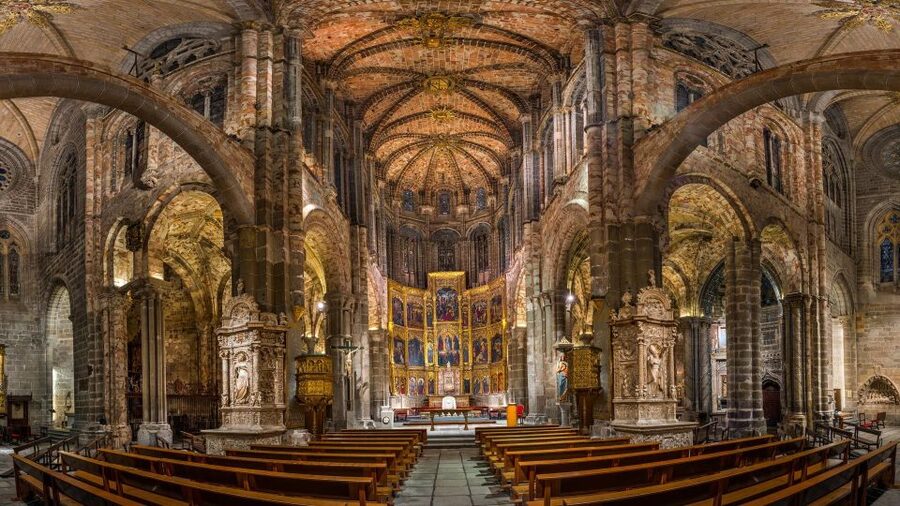
Ávila Cathedral is not simply a church dropped into the middle of town. Its original design formed part of the city walls, so the building feels both sacred and defensive. Inside, you can trace the change from Romanesque red and white stone to paler Gothic work, then follow an audio guide through chapels, paintings, vaults, and the cloister.
I like the freedom to set your own pace, especially around the star-shaped cupola above the 13th-century sacristy. I also like that the visit brings attention to paintings by Pedro Berruguete and Juan de Borgoña, details easy to miss if you only walk through the nave. The main drawback is practical: the route may not always be obvious, and English audio can be difficult to follow when the organ is playing.
Key points to know before entering
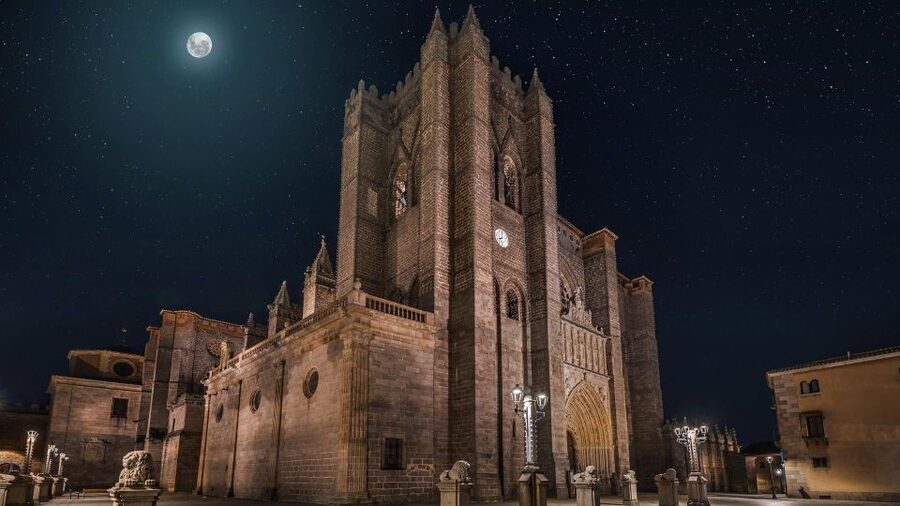
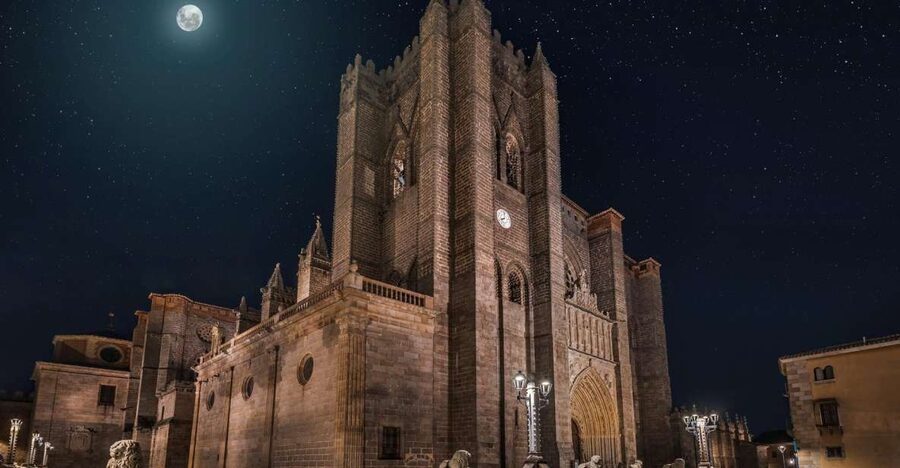
- The cathedral was part of Ávila’s city walls: Look closely at the exterior to understand its unusual defensive role.
- Romanesque and Gothic work meet inside: Red and white stone gives way to lighter Gothic forms as you move through the building.
- The star-shaped cupola is a highlight: It rises above the 13th-century sacristy and treasury area.
- The art is worth your time: Look for works connected with Pedro Berruguete and Juan de Borgoña.
- The audio guide sets the pace: You can linger in the chapels or move quickly if your schedule is tight.
- Plan around church activity: Liturgical events can change the visiting schedule, and last access is 30 minutes before closing.
Why Ávila Cathedral deserves a close look
Ávila is famous for its walls, but the cathedral is part of that story rather than a separate sight. It was first built into the city defenses, which gives the exterior a stern, fortress-like character. The church then opens into a more detailed interior, where Romanesque and Gothic styles meet in a way you can follow room by room.
I find this mixture more interesting than a building that presents one style from start to finish. Here, the architecture records change. The red and white Romanesque stonework helps you spot the earlier phase, while the white Gothic stone and pointed forms show how the cathedral developed.
The audio guide gives you a useful structure for that story. You are not tied to a set walking pace, and you can pause to study a capital, chapel, painting, or vault. That matters in a cathedral where the most rewarding details are often above eye level or tucked away from the central path.
The admission costs $11 per person. For that price, you get entry and the audio guide, not just a quick look inside. I consider it good value if you care about architecture, religious art, or medieval buildings and want more than a silent walk through the nave. If you only have a few minutes in Ávila, the ticket still gives you a focused way to see the main features, though you may not have time for every chapel and art detail.
More Skip-the-Line Audio Guide Tickets in Spain
- Barcelona: Sagrada Familia Entry Ticket with Audio Guide
★ 4.6 · 105,312 reviews - Granada: Alhambra Entry Ticket with Audio Guide
★ 4.1 · 5,950 reviews - Casa Batllo Admission Ticket with Intelligent Audio Guide
★ 4.5 · 3,168 reviews
Starting where the walls meet the church
Begin by taking a moment outside. The cathedral was initially part of Ávila’s defensive walls, and that fact changes how you read the building. It is not only a place of worship. It also helped protect the medieval city.
Once inside, start the audio guide before moving too far. The narration is available in Spanish, English, French, and Italian. In English, the audio can be harder to follow if the organist is playing, so I would choose a quiet moment to listen to the longer explanations.
The visit is described as a private-group experience, but the format is still based on an audio guide and self-paced exploration. That combination works well for people who prefer not to stay beside a guide at every step. It also lets different members of your party spend more or less time in front of the same work.
A guide named Vanessa has also led visits connected with this experience and is described as accommodating, with an effort to explain unusual parts of the cathedral’s past. If your booking includes a live guide rather than only the audio format, ask at the start how the route will work. The supplied details specifically include an audio guide, so you should not assume a live guide is part of every visit.
Reading the Romanesque and Gothic stone
The first major lesson inside is architectural. Look for the Romanesque red and white stones, then compare them with the lighter Gothic stonework. The contrast is not merely decorative. It helps you see that the cathedral was built and altered over time.
The audio guide is useful here because these changes can be easy to miss without explanation. You may notice a pointed arch or a ribbed vault, but the narration gives those features a place in the building’s story. I would listen first, then stop the commentary and look carefully before continuing.
The nave gives you the broadest sense of scale. Walk slowly rather than keeping your eyes fixed straight ahead. Gothic churches reward upward glances, and the ribbed vaults create patterns that are easy to lose if you rush from one chapel to the next.
The building can feel quiet and solemn, but it is still an active religious space. Keep your voice low, follow any instructions from cathedral staff, and remember that liturgical events can affect the tourist schedule. The timetable may change when services or other church functions take priority.
The nave and the first chapels
The nave is the natural spine of the visit. It helps you understand the cathedral’s proportions before you move into smaller, more intimate spaces. Use it as a reset point if the route becomes confusing.
The Chapel of Piety and the Chapel of the Conception are among the places included on the route. Chapels often hold more concentrated detail than the main church, and these spaces give you a chance to move from the grand scale of the nave to more personal devotional settings.
The route may not always be perfectly clear. One English-language audio experience was difficult to follow in part because of organ music, and the walking direction was not always obvious. I would not treat that as a reason to skip the cathedral, but I would take a quick look around before pressing play on each section.
If you are visiting with older family members or anyone who needs a slower pace, the self-guided format can help. You can pause without holding up a group. The cathedral is listed as wheelchair accessible, though a liturgical event or staff instruction can still affect which areas are open at a particular time.
Same place, a different route to walk:
- Barcelona: Casa Batlló Entry with Self-Audioguide Tour
★ 4.7 · 25,359 reviews - Barcelona: Palau de la Música Self-Guided Tour
★ 4.6 · 3,603 reviews - Madrid: Las Ventas Bullring Tour with Audio Guide
★ 4.6 · 3,154 reviews - Cordoba: Mosque-Cathedral E-Ticket with Audio Guide
★ 4.1 · 2,895 reviews
Saint Ildefonso and Saint Teresa
Continue toward the Chapel of Saint Ildefonso and Saint Teresa. These chapels add another layer to the visit, linking the cathedral’s architecture with the figures and devotional traditions associated with Ávila.
This is a good place to use the audio guide at a slower speed, if that option is available on your device, or simply pause between sections. The value here is not only in identifying names. It is in seeing how side chapels break up the large building and give worshippers smaller spaces for prayer and commemoration.
You do not need to be an expert in Spanish religious art to enjoy this part. I would listen for the basic explanation, then focus on the chapel’s layout, decoration, and relationship to the main nave. The cathedral’s appeal comes from the combination of large Gothic structure and smaller spaces with a more intimate feel.
The star-shaped cupola above the sacristy
The star-shaped cupola over the 13th-century sacristy is one of the most distinctive features on the route. This is the moment when looking upward really pays off. The form is unusual enough to deserve time, not just a quick glance as you pass.
The nearby treasury adds another reason to slow down. The cupola and treasury together show that the cathedral’s interest is not limited to its main nave or facade. Important work can appear in a side area, and the audio guide helps direct your attention there.
I would stand beneath the cupola for a few minutes and let your eyes adjust to the pattern. Photos may not capture the full effect, especially if you are trying to frame the entire space from close range. Flash photography is not allowed, so set your camera aside and look first.
Food and drinks, smoking, alcohol, drugs, and pets are not allowed inside. Video recording and flash photography are also prohibited. These rules are easy to follow and help protect the atmosphere of the building.
Berruguete, Borgoña, and the altarpiece
The cathedral’s paintings provide a welcome change from stone and vaults. Pay special attention to works by Pedro Berruguete and Juan de Borgoña, particularly in the chapel area described on the route.
The altarpiece deserves a deliberate look. Instead of walking past it as part of the general decoration, use the audio guide to learn what you are seeing, then examine the arrangement of figures, color, and detail. Even a short explanation can make a large altarpiece easier to read.
I like this part of the visit because it keeps the cathedral from becoming only an architecture stop. The stone tells one story, while the paintings and altar work show how the building functioned as a place of worship and art.
The audio guide will not replace a specialist art historian, and the English wording may not be perfect in every section. Still, it gives you enough direction to notice works you might otherwise overlook. If painting is your main interest, allow extra time here rather than treating the art as a quick stop between architectural features.
Ending in the cloister
The visit finishes in the cloister, a calmer space with ribbed vaults and large Gothic-style windows. After the height and scale of the nave, the cloister gives you a quieter ending.
This is where I would put away the audio guide for a moment. Walk slowly around the space, look through the windows, and compare the cloister’s rhythm with the larger church. The repeating vaults and openings create a different kind of order, less dramatic than the nave but easier to absorb.
The cloister also makes a good final pause before you leave. It gives the visit a natural ending rather than sending you straight from the last painting to the exit. If you have been moving quickly, this is the place to slow down.
Keep in mind that the last admission is 30 minutes before closing. The experience is valid for one day, with starting times based on availability, so check the schedule before you go. A service or liturgical event can change access even if the normal tourist timetable looks convenient.
How much time should you allow?
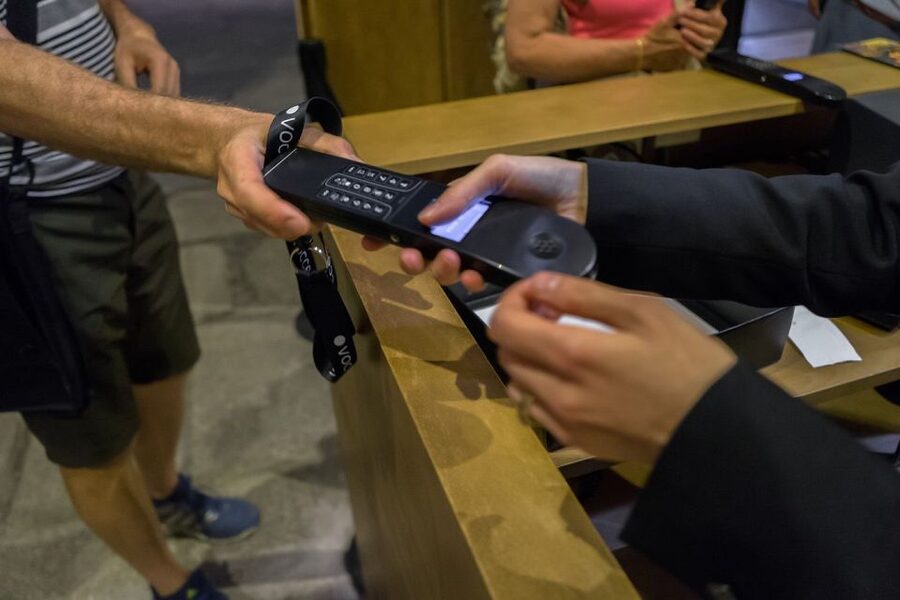
The ticket is valid for one day, but the stated activity does not set a fixed visit length. That is useful because you can adapt the visit to your schedule. A quick circuit can cover the nave, main chapels, cupola, art, and cloister. A slower visit gives you time to replay sections and examine the paintings.
I would allow enough time for the audio guide to explain the building without forcing yourself to rush. If you want only the headline features, focus on the Romanesque and Gothic transition, the Saint Ildefonso and Saint Teresa chapel, the star-shaped cupola, the paintings, and the cloister.
A full visit makes more sense if you enjoy medieval architecture or art. If your wider Ávila schedule is packed, the self-paced format lets you keep the cathedral visit focused. Just do not arrive too close to closing, since access ends 30 minutes beforehand.
Who will get the most from this ticket?
I would recommend this experience to you if you like:
- Medieval architecture and the meeting of Romanesque and Gothic styles
- Art by Pedro Berruguete and Juan de Borgoña
- A self-guided visit rather than a fixed group walk
- Quiet religious spaces and cloisters
- Visits that work for different walking speeds
- A short cultural stop with clear historical structure
It is also a sensible choice for families or private groups with mixed interests. One person can spend extra time with the paintings while another focuses on the architecture. The audio format gives you that freedom.
You may want to reconsider it if you strongly prefer a live, in-person art historian. The included format centers on the audio guide, and the route may require some attention to stay oriented. If you are visiting during organ music, find a quiet spot before listening to the longer explanations.
Is the $11 price fair?
At $11 per person, the ticket is reasonably priced for a major cathedral visit with an audio guide included. You are paying for more than entry because the guide explains the building’s changes, points out the chapels, and directs your attention to the cupola, treasury, paintings, and cloister.
The value depends on how you use it. If you rush through without listening, the price is mainly admission. If you pause at the key stops and follow the Romanesque-to-Gothic story, the audio guide adds useful context without the cost or fixed timing of a longer guided tour.
Free cancellation up to 24 hours before the visit and the reserve-now-pay-later option also make the booking flexible. Those terms are helpful in Ávila, where church schedules can change because of liturgical events. Still, check the available starting times close to your visit.
Should you book the Ávila Cathedral ticket?
I would book it if you want to understand why Ávila Cathedral looks the way it does, not just step inside for a quick photograph. The combination of defensive walls, Romanesque stone, Gothic vaults, an unusual star-shaped cupola, major paintings, and a cloister gives you plenty to see for $11.
Go with realistic expectations. The audio route may not always feel perfectly clear, and organ music can make English commentary hard to catch. Start early enough to avoid the final 30-minute entry window, check for liturgical schedule changes, and give yourself time to look upward.
For a self-paced cultural visit, this is a practical choice. It suits you best if you are willing to pause, listen, and look closely at the details that make the cathedral more than a grand stone shell.
FAQ
What does the Ávila Cathedral ticket include?
The ticket includes entry to the cathedral and an audio guide.
How much does the experience cost?
The price is $11 per person.
How long is the ticket valid?
The ticket is valid for one day. Available starting times depend on the schedule shown when you check availability.
Which audio guide languages are available?
The audio guide is available in Spanish, English, French, and Italian.
Is the cathedral wheelchair accessible?
Yes, the experience is listed as wheelchair accessible.
Can I cancel the booking?
Yes. You can cancel up to 24 hours in advance for a full refund.
Is the visit guided by a person?
The included format provides an audio guide. The experience is also described as a private group activity, and a guide named Vanessa has led a visit connected with the cathedral experience.
What restrictions apply inside the cathedral?
Pets, smoking, food and drinks, alcohol, drugs, flash photography, and video recording are not allowed.
Can the visiting schedule change?
Yes. The schedule may change because of liturgical events. Last access is 30 minutes before closing.
Just added around Spain
- San Antonio Bay Self Drive Boat Rental★ 4.5 · 5 reviews
- Granada’s Realejo District: A Self-Guided Tour of the Old Quarter★ 4.0 · 5 reviews
- Granada Scavenger Hunt and Sights Self-Guided Tour★ 5.0 · 9 reviews
- Entrance to the Alhambra and Generalife with Audio Guide★ 3.5 · 38 reviews
- Gijon Self-Guided Sherlock Holmes Murder Mystery Game★ 3.5 · 4 reviews
- Montsacopa: An audio tour in the Volcano in the Centre of the City★ 4.5 · 3 reviews
- Mosque-Cathedral of Córdoba E-Ticket with Audio Guide★ 3.5 · 15 reviews
- City of Caliphs: A Self-Guided Walking Tour of Córdoba’s History★ 4.5 · 12 reviews
Spain Audio Tours, compared.
Barcelona: Sagrada Familia Entry Ticket with Audio Guide
Read our review →
Barcelona: Casa Batlló Entry with Self-Audioguide Tour
Read our review →
Granada: Alhambra Entry Ticket with Audio Guide
Read our review →
Barcelona: Palau de la Música Self-Guided Tour
Read our review →
Casa Batllo Admission Ticket with Intelligent Audio Guide
Read our review →
Madrid: Las Ventas Bullring Tour with Audio Guide
Read our review →
Cordoba: Mosque-Cathedral E-Ticket with Audio Guide
Read our review →
Nerja: Caves of Nerja Entry Ticket with Audio Guide
Read our review →Browse the lists this tour appears in