REVIEW · ITALY AUDIO TOURS
Neustift Monastery: Admission with audio guide
Neustift Monastery packs nearly 900 years of art, worship, education, music, and daily monastic life into one visit. The baroque collegiate church is the showstopper, with pink imitation marble and a remarkable display of 365 angels, while the cloister, museum, and old library give the visit much more depth.
I like the freedom to explore at my own pace, and I like having 18 audio chapters to give the buildings a clear thread. At $15, admission is fair if you plan to see every section rather than glance into the church and leave.
The main drawback is practical: the entrance has reportedly been hard to identify, and one booking in July 2025 ran into trouble when paid tickets were not accepted at the door. Download the audio guide before you arrive, bring headphones, and leave extra time to sort out the entrance.
Key points to know before you go
- 365 angels in the church: Look closely at the baroque decoration and the pink imitation marble inside the basilica.
- Four major areas: Your self-guided walk includes the abbey church, cloister, museum, and famous old library hall.
- Eighteen audio chapters: The free HEARONYMUS guide covers art, architecture, music, education, and the monastery’s economic life.
- Three guide languages: Choose English, Italian, or German, though some material remains in its original language.
- Easy Bressanone connection: Local buses run from Bressanone/Brixen station directly toward the monastery.
- Bring your own headphones: They are listed as essential for using the app comfortably.
Why Neustift Monastery is worth your time
Neustift is not simply a church visit. It is a working historical complex where religious art sits alongside books, architecture, education, and practical monastic life. That wider story is what makes the admission worthwhile.
The monastery offers almost nine centuries of change to follow. You can see how the complex developed through different periods, then use the audio guide to connect the objects and rooms to that story. This is especially useful if you are visiting without a personal guide and want more than labels on walls.
The visit also has a pleasing sense of discovery. You are not pushed through in a large group or tied to a fixed pace. You can pause in the church, spend longer in the library, or replay a chapter when a detail catches your attention.
The supplied information does not give a fixed visit length beyond the one-day validity. That means you should treat this as a flexible half-day or longer stop, depending on your interest in architecture and collections. If you only want a quick look at the basilica, $15 may feel less attractive. If you enjoy historic interiors and want to use all 18 chapters, the price makes better sense.
More Audio Tours in Italy:
- Rome: Pantheon Fast-Track Ticket and Official Audioguide
★ 4.5 · 27,353 reviews - Rome: Colosseum & Forum with Audio Guide App -Optional Arena
★ 4.2 · 24,770 reviews - Venice: Grand Canal Gondola Ride with App Commentary
★ 4.1 · 23,020 reviews
Getting to Neustift from Bressanone
By car, take the A22 Brenner highway and leave at the Brixen/Pustertal exit. Follow signs toward Vahrn, then continue toward Kloster Neustift. A free parking lot is located at the entrance to the monastery grounds.
That free parking is a useful part of the arrangement, particularly if Neustift is one stop on a driving trip through Trentino-South Tyrol. Still, do not assume that reaching the parking lot means you have immediately found the ticket entrance. The entrance signage was specifically criticized as unclear in February 2026, so look carefully and allow a few extra minutes.
By train, travel to Bressanone/Brixen station. From there, local buses connect with Neustift Monastery, and the bus stop is close to the complex. This is the better choice if you are already staying in Bressanone and do not want to deal with parking.
The location makes Neustift a practical outing from Bressanone. You can reach the monastery by car or public transport, then explore without needing a separate tour vehicle or meeting group.
Starting with the HEARONYMUS audio guide
The audio guide is free, but it is not automatically a traditional handset handed to you at the door. Before or during your visit, download the HEARONYMUS app from the App Store or Google Play. Search for the keyword Kloster Neustift and download the Neustift guide.
Bring headphones. This small detail matters because the guide is central to the visit, and using a phone speaker in quiet historic rooms is not ideal. The guide is available in English, Italian, and German, giving most international visitors a practical way to follow the tour.
The 18 chapters are designed to lead you through the complex. Some material is presented in its original language, so you may encounter a mix of translated and untranslated content. If you want every explanation in English, this is worth keeping in mind before you book.
I would download the app before arriving rather than wait until you are standing at the entrance. That gives you time to check the language, confirm the correct monastery content, and avoid relying on uncertain reception or a rushed setup.
Because there is no live guide included, the audio tour must do the explanatory work. That is a strength for independent visitors, but a limitation if you prefer asking questions or having someone point out details in person.
The baroque church and its 365 angels
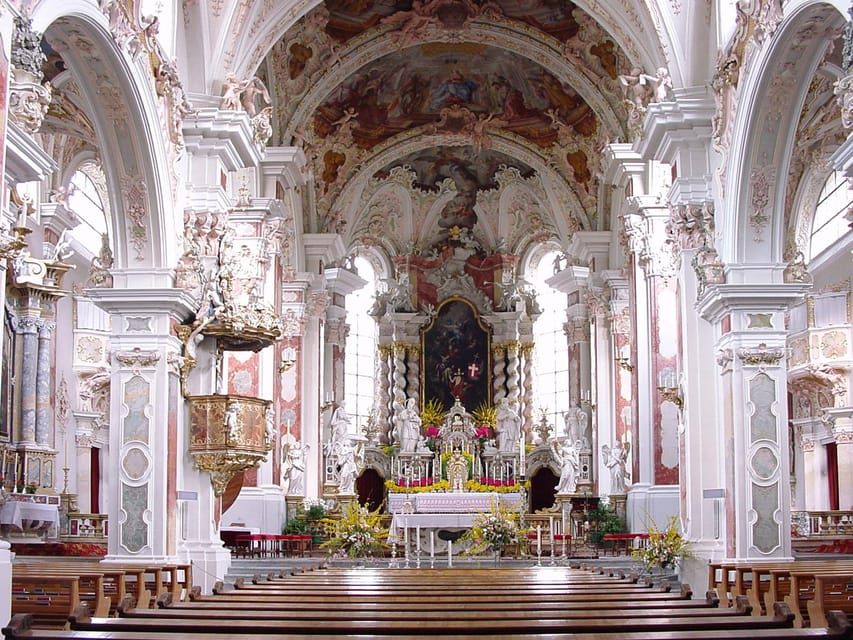
Begin with the collegiate church, the part of Neustift most likely to make you stop in your tracks. The interior is described as baroque, with pink imitation marble and 365 angels. The number gives the decoration a memorable hook: look around and you are not just seeing general ornament, but a deliberately abundant program of religious art.
The basilica is the emotional center of the visit. Its scale, color, and decoration show how architecture can communicate religious ideas through visual excess. The pink marble effect is not actual marble, but that does not make the interior less striking. It is part of the period style and contributes to the church’s theatrical appearance.
Give yourself time here before moving on. A quick look from the doorway will not tell you much about the arrangement of the decoration. The audio guide should help you understand what you are looking at and place the church within the monastery’s wider development.
The church is also the clearest reason to visit even if you have limited time. One Italian booking review called the basilica a unique sight not to miss, and that matches the role it plays in the route. If you can only see one section, make it this one. If you have the time, use the church as an introduction rather than the entire visit.
Same place, a different route to walk:
- Florence: Timed Entry to Michelangelo’s David + Audio App
★ 4.6 · 19,496 reviews - Rome: City Sightseeing Hop-on Hop-off Bus with Audioguide
★ 4.0 · 16,045 reviews - Pompeii: Entry Ticket with Audio Guide
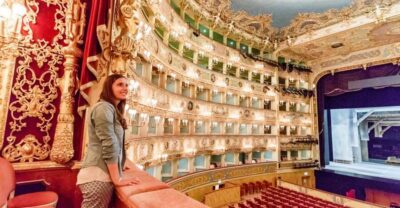
★ 4.1 · 13,491 reviews - Venice: La Fenice Opera House Entry Ticket with Audio Guide
★ 4.6 · 11,742 reviews
Walking the cloister and reading the complex
The cloister offers a different mood from the decorated church. Instead of one grand interior, you move through a space connected with the daily structure of monastic life. The audio guide places the building within nearly nine centuries of architectural and institutional change.
This is where the self-guided format works well. You can walk slowly, examine the design, and let the guide explain how the monastery developed over time. The cloister also helps connect the grand public face of the abbey to the practical spaces that supported religious life.
Do not expect the same visual impact in every room. The church is the dramatic high point, while the cloister and other sections build context. That contrast is useful. Without the quieter areas, the church would be an isolated spectacle rather than part of a larger story.
The complex is presented as an open-ended art history book. That is a good way to think about the visit. You are not following a simple line from one masterpiece to another. You are seeing layers of architecture, worship, learning, music, and economic activity that accumulated across centuries.
The museum and the old library hall
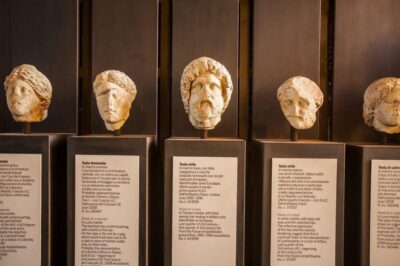
The museum adds objects and interpretation to the architectural experience. Rather than looking only at the monastery’s walls, you get a chance to see how art and culture were preserved and presented within the institution.
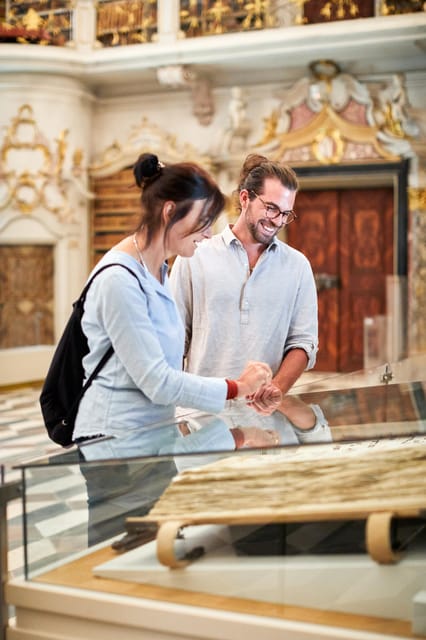
The old library hall is another major stop. It is described as famous, so it deserves more than a passing glance. Libraries in historic religious complexes can reveal a different side of the institution: the role of books, learning, teaching, and preservation.
For me, the library is important because it broadens the meaning of Neustift. The monastery was not only a place of worship. Its story also includes education and intellectual work, and the library gives that part of the story a physical setting.
The available information does not specify the individual books, manuscripts, or decorative features you will see, so I would avoid arriving with a fixed list of expected objects. Instead, use the audio chapters to understand the room as part of the monastery’s educational life.
The museum and library also make the $15 admission easier to justify. You are paying for access to several distinct parts of the complex, not only the church. If you enjoy historic collections, these areas may be the difference between a brief photo stop and a satisfying visit.
A self-guided visit, with freedom and limits
The biggest practical advantage here is control. You can visit for one day and set your own pace. There is no group schedule, no need to keep up with a guide, and no pressure to move on before you have finished listening.
That freedom suits independent visitors, photographers, architecture fans, and anyone traveling with different interests in the same party. One person can spend extra time in the church while another focuses on the museum or library. You can also pause the audio when you want to look rather than listen.
The tradeoff is that no guided tour is included. If you enjoy conversation, questions, or personal stories from a local guide, this format may feel less engaging. The audio guide supplies structure, but it cannot respond to what you notice.
The app also means you should take responsibility for preparation. Download the correct guide, select your language, and bring headphones. These are simple steps, but skipping them could make the visit less smooth.
Some content is in its original language. That does not cancel out the value of the guide, but it does mean the language experience may not be perfectly uniform. English, Italian, and German are supported, so most visitors should still be able to follow the main route.
Price, booking, and the entrance problem
At $15 per person, admission is moderate for access to a large historic complex with four main areas and an 18-part audio guide. I would call it good value for someone who plans to explore the church, cloister, museum, and library rather than only take a quick look.
The booking includes admission and the free audio guide. It does not include a live guided tour, so compare the price according to the kind of visit you want. You are paying for independent access and interpretation, not personal guiding.
There are two practical warnings. First, the main entrance was described as poorly marked in February 2026. Second, a July 2025 booking reported that paid tickets were not accepted at the entrance. These details do not prove that every booking will have trouble, but they are enough reason to keep your confirmation available and ask staff for help if the entry point is unclear.
The activity allows free cancellation up to 24 hours in advance, and you can reserve now and pay later. Those options are useful if your South Tyrol plans depend on weather, transport, or changing day trips. The booking is valid for one day, with starting times subject to availability.
Pets are not allowed, although assistance dogs are permitted. That rule matters if you are traveling with an animal and planning your route around the monastery.
Who should book the Neustift visit?
I would recommend this for you if you enjoy historic buildings but prefer to set your own speed. It is also a strong choice if you are staying in Bressanone, since the monastery is connected by local bus and can be added to a day of sightseeing.
Architecture and church art are the main draw. The baroque basilica, pink imitation marble, and 365 angels provide the visual high point. The museum and old library make the visit more worthwhile for anyone interested in books, education, or the wider cultural role of religious institutions.
Families and mixed-interest groups may appreciate the flexible format, though the audio guide requires each person to have access to the app and headphones. Anyone who wants a live explanation should look for a separate guided option, since this admission does not include one.
I would be more cautious if you have only a few minutes or dislike using phone apps. In that case, the $15 price may not feel right, especially if you see only the church and do not use the rest of the route.
Should you book Neustift Monastery?
Book it if you want a self-guided visit through a major South Tyrolean monastery and you have time for more than the famous basilica. The 18 chapter audio guide, free parking, and bus connection from Bressanone make the outing practical, while the church, cloister, museum, and library provide enough variety to fill a substantial visit.
Before booking, make sure your phone can download HEARONYMUS, pack headphones, and plan for a little confusion around the entrance. If you want a personal guide, this is not the right product. If you like exploring at your own pace and want to see how art, books, worship, and institutional life fit together, Neustift is a sound $15 choice.
FAQ
How long is the Neustift Monastery admission valid?
The admission is valid for one day. Starting times depend on availability.
Is a guided tour included?
No. Admission includes access to the monastery and a free audio guide, but not a live guided tour.
What languages are available for the audio guide?
The audio guide is available in English, Italian, and German. Some content is shown in its original language.
How do I access the audio guide?
Download the HEARONYMUS app from the App Store or Google Play. Search for the keyword Kloster Neustift and download the guide.
Is parking available at the monastery?
Yes. A free parking lot is located at the entrance to the monastery grounds.
Can I reach Neustift Monastery by public transport?
Yes. Travel to Bressanone/Brixen station, then take a local bus toward Neustift Monastery. The bus stop is close to the monastery.
Just added around Italy
- Genoa Historic Centre Quest: A Self-Guided Puzzle Adventure★ 4.0 · 3 reviews
- Genova Walking Tour with Audio and Written Guide by a Local★ 4.5 · 33 reviews
- Self-Drive (No Licence) Boat Rental in Portofino Gulf★ 5.0 · 12 reviews
- Finance and Nobility: Explore medieval Genoa on a self-guided audio tour★ 4.5 · 7 reviews
- Florence: Uffizi Gallery Audio Guided Tour led by Tour Leader★ 3.5 · 6 reviews
- Florence: Uffizi Gallery Reserved Ticket & Digital Audio Guide★ 4.5 · 3 reviews
- Around Florence Hills: App‑Guided e‑Vespa Tour + Wine&Food★ 4.5 · 22 reviews
- Uffizi Gallery: Self-guided App Visit & Optional Accademia Museum★ 4.0 · 19 reviews
Italy Audio Tours, compared.
Rome: Pantheon Fast-Track Ticket and Official Audioguide
Read our review →
Rome: Colosseum & Forum with Audio Guide App -Optional Arena
Read our review →
Venice: Grand Canal Gondola Ride with App Commentary
Read our review →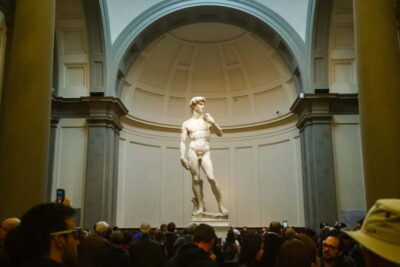
Florence: Timed Entry to Michelangelo’s David + Audio App
Read our review →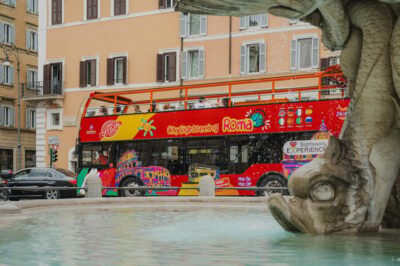
Rome: City Sightseeing Hop-on Hop-off Bus with Audioguide
Read our review →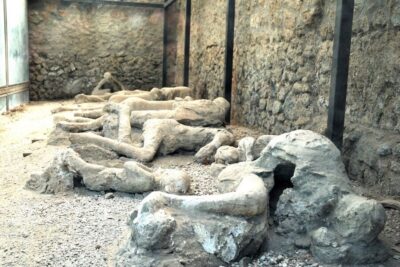
Venice: La Fenice Opera House Entry Ticket with Audio Guide
Read our review →