
REVIEW · NEW ORLEANS AUDIO TOURS
New Orleans: Whitney Plantation Audio Tour with Transfers
Whitney Plantation puts the lives of enslaved people at the center of the visit, not the comfort or prestige of the plantation owner. You’ll walk through cabins, work buildings, a church, and memorial spaces that show the human cost of Louisiana’s sugar economy. I like the clear focus on the enslaved and the chance to take the tour at your own pace with an audio headset.
I also like that hotel pickup and drop-off are included, since Whitney Plantation is about 70 miles from the French Quarter. The main drawback is the length of the outing: 390 minutes, or six and a half hours, with no meal included. You’ll need to be comfortable with a long day and a serious subject.
Key points to know before you book

- Whitney Plantation focuses on enslaved people: The tour centers on daily life, labor, suffering, family, freedom, and memory.
- The audio tour sets your pace: You can move through the plantation with a headset rather than following a live guide.
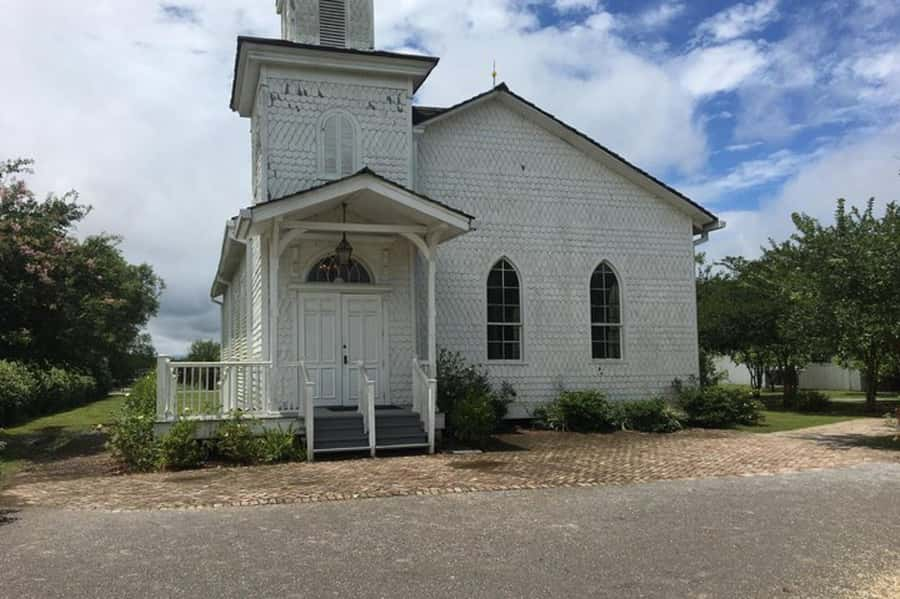
- Freedmen’s Church offers a strong moment of hope: This stop shifts the story from oppression toward freedom and community.
- The 1790 owner’s house shows the sharp divide in living conditions: It is best understood after seeing the cabins and work areas.
- The memorial gives the visit its emotional weight: Plan time to pause rather than rushing through the final section.
- The price includes transportation and admission: At $81 per person, the value rests mainly in avoiding a separate trip and rental car.
Why Whitney Plantation is different from a standard plantation visit
Many plantation visits spend a great deal of time on grand houses, family names, furniture, and architecture. Whitney Plantation takes a different path. Its purpose is to explain the lives and working conditions of enslaved people who made the plantation economy possible.
That focus matters. You are not simply looking at an old property and admiring its gardens. You are being asked to consider who built, maintained, and worked the plantation, and what that labor cost them.
The visit also gives you physical places to connect with the story. Slave cabins show where enslaved people lived. Work areas explain how the plantation operated. The church and memorial help you consider what freedom, faith, loss, and remembrance meant for people whose choices were severely restricted.
The subject is difficult, and the experience is designed to be reflective rather than light entertainment. I would not choose this tour if you want a relaxed day of architecture and scenery. I would choose it if you want a serious historical visit with a direct focus on slavery and the people who endured it.
More Audio Tours in the USA:
- Fort Sumter Admission and Self-Guided Tour with Roundtrip Ferry
★ 4.5 · 3,343 reviews - San Francisco: Alcatraz Ticket, Ferry, & Self-Guided App
★ 4.5 · 2,460 reviews - Los Angeles: Hop-On Hop-Off Bus Tour with Audio Guide
★ 3.7 · 2,030 reviews
The ride from New Orleans to the plantation
Pickup is available from most New Orleans hotels. If your exact hotel is not listed, you can select the nearest available property, with pickup points located within three to four blocks of one another.
The ride is one of the practical strengths of this experience. Whitney Plantation is roughly 70 miles from the French Quarter, so reaching it independently takes planning. With transportation included, you do not have to arrange a rental car, work out the route, or think about parking at the plantation.
The drive also gives you time to shift your attention away from New Orleans and toward the visit ahead. I would use the ride to read a little about the plantation’s subject, rest, or simply prepare for an emotional day.
There is one tradeoff. The total duration is 390 minutes, and the distance means a sizable portion of the day is spent in transit. That is normal for a plantation visit from New Orleans, but it is worth considering if you have a short stay or a packed schedule.
The experience does not include meals or drinks. Bring whatever you need for the outing if permitted by the operator, and do not count on a full meal during the visit. You receive about 30 minutes after the tour for the gift shop, restrooms, or a quick snack, but that is not a substitute for lunch.
Starting with the slave cabins
The slave cabins are among the most important stops because they make the living conditions of enslaved people easier to understand in a direct, physical way. Rather than starting with the owner’s home, the visit begins with the people whose labor supported the plantation.
Your audio guide explains the daily lives, struggles, and work of the enslaved people who lived and labored there. The setting helps you think about crowding, limited privacy, hard labor, and the lack of freedom that shaped every part of life.
I appreciate the order of the visit. Seeing the cabins first gives you a useful frame for the rest of the property. When you later enter the owner’s house, you have already seen the contrast between those two worlds.
The audio format also suits this section. You can stop, listen, and take in the setting without trying to keep up with a group. The tradeoff is that a self-guided tour requires attention. If you prefer asking questions as they arise, you may miss the give and take of a live guide.
Freedmen’s Church and the meaning of freedom
Freedmen’s Church is presented as a symbol of hope and resilience. Its place in the tour gives the experience a different emotional direction after the sections on forced labor and harsh living conditions.
The church helps you think about what freedom meant after emancipation. Freedom did not erase the damage caused by slavery, but religious and community spaces could offer gathering, identity, and support.
This stop is especially useful because it keeps the story from ending only with suffering. The tour recognizes loss, but it also points to endurance and the efforts of formerly enslaved people to build lives and communities.
I would not rush through this building. The visit is self-paced, so you can give yourself time to consider what the church represents. The audio narration provides structure, while the setting gives you room for your own thoughts.
Same place, a different route to walk:
- City Sightseeing Hop-On Hop-Off Bus Tour with Audio Guide
★ 3.0 · 1,083 reviews - Medieval Torture Museum Ticket with Audio Guide and Ghost Hunting
★ 5.0 · 962 reviews - Gettysburg Battlefield Self-Guided Driving Audio Tour
★ 4.5 · 910 reviews - Ryman Auditorium Self-Guided Tour with Souvenir Photo Onstage
★ 4.5 · 903 reviews
Kitchens, work buildings, and plantation labor
The detached kitchen and other outbuildings explain how the plantation functioned. These structures shift your attention from living quarters to the work that kept the property running.
The tour describes the harsh conditions endured by enslaved workers. You learn that plantation life was not just about agricultural labor in the fields. Food preparation, construction, maintenance, domestic work, and other tasks also required constant labor.
This section gives useful context for understanding sugar plantations. A plantation was an organized business system, and enslaved people were forced to perform the work that sustained it. The buildings help show the practical side of that system, while the narration explains its human cost.
I find these less dramatic structures important because they prevent the visit from becoming a tour of only major buildings. The kitchen and outbuildings help you see the many kinds of work that supported plantation life.
You should expect the content to remain serious. The tour does not soften the working conditions or turn them into a picturesque story. That direct approach is one reason this visit is valuable, but it may feel heavy if you are looking for a cheerful afternoon activity.
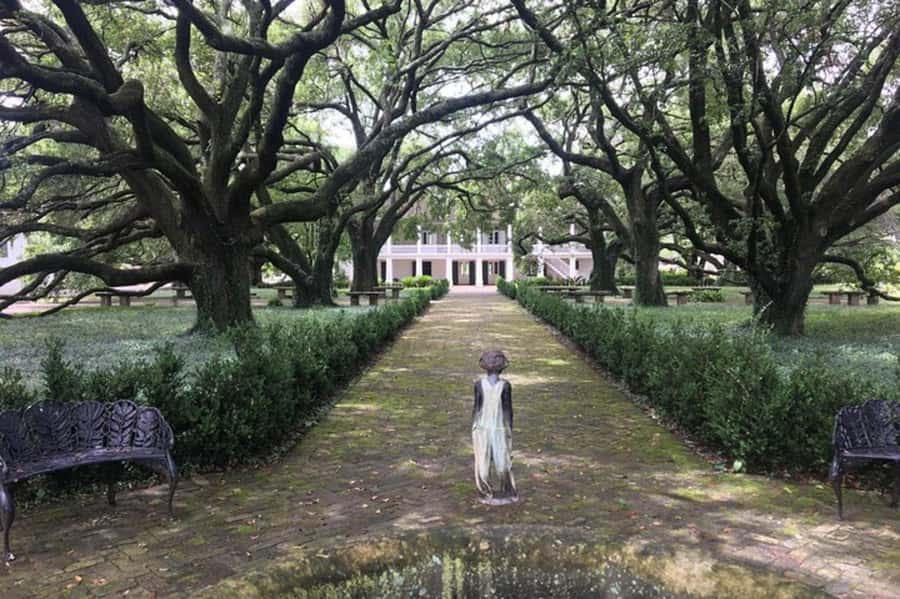
Entering the 1790 owner’s house
The owner’s house dates to 1790 and offers the clearest physical contrast with the cabins. Its purpose is not simply to show period architecture. It helps you understand the unequal distribution of comfort, space, and power on the plantation.
After seeing where enslaved people lived and learning about their labor, you can read the house differently. The building becomes evidence of a social order in which one group enjoyed security and comfort because another group was denied basic freedom.
The tour gives more attention to the enslaved than to the plantation owner. That balance is important. You still see the house, but the visit does not allow the owner’s rooms to become the main story.
I like this approach because grand homes can easily dominate plantation tours. Here, the house works better as a comparison point. It shows the stark differences of the era without asking you to admire wealth in isolation.
If your main interest is decorative interiors, this may not be the plantation experience for you. If you want the house placed within the full system of slavery, it is a necessary part of the visit.
The memorial to the enslaved
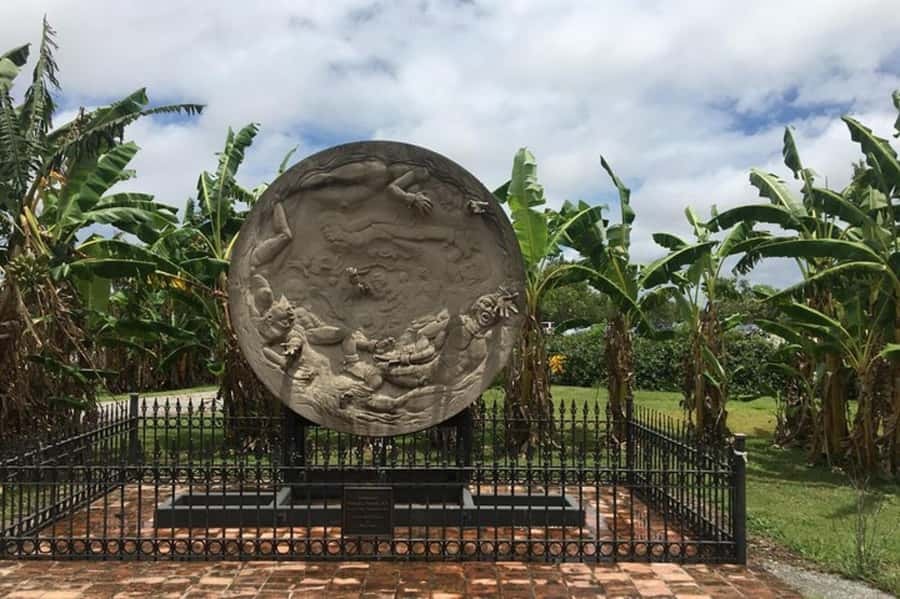
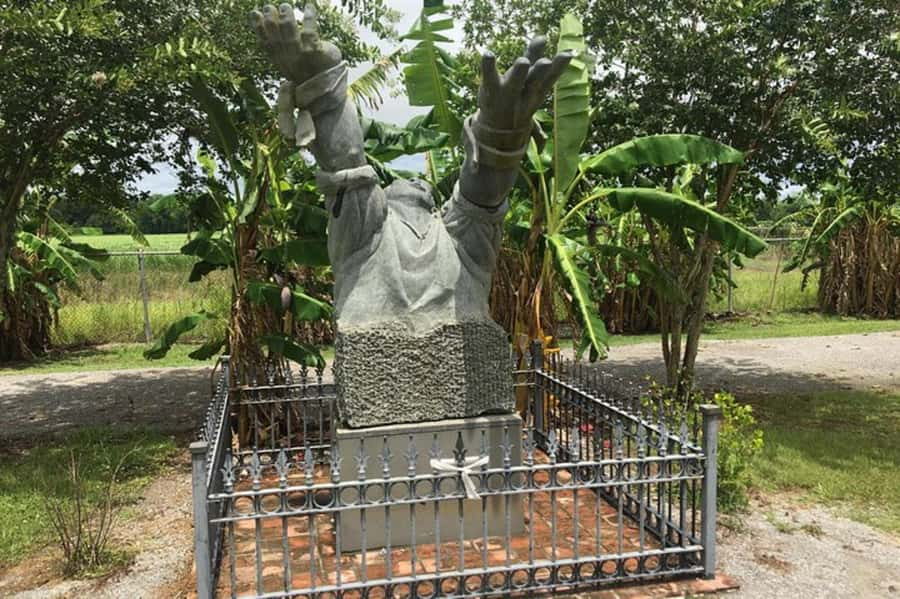
The memorial is the emotional closing point. It honors the people who suffered under slavery and asks you to consider the lives lost, the families harmed, and the legacy that continues beyond the plantation grounds.
I would plan to slow down here. The memorial is not a quick photo stop. Its value comes from giving you a place to pause after the historical information and physical spaces you have encountered.
This final section also broadens the visit. You are no longer looking only at one plantation. You are thinking about slavery as a system and about the people whose names, lives, and experiences deserve recognition.
The tour’s focus on remembrance makes this a meaningful experience for anyone who wants history presented through the lives of ordinary people rather than only through owners and famous figures.
How the audio format affects your visit

The self-guided audio tour gives you control over the pace. You receive a headset at the plantation and move through the property while listening to the narration.
That format works well for a place that asks for reflection. You can spend longer at a cabin or memorial if a section affects you, then continue when you are ready. You are not tied to the speed of a group.
It also makes the outing less personal than a live tour. No guide’s name is provided, and there is no indication that you can ask questions during the plantation visit. If you want conversation and spontaneous explanations, this may feel limited.
For me, the audio format is a reasonable match for the subject. It lets the interpretation remain focused and gives you quiet moments between sections. Still, listen carefully. Since the visit is self-guided, your experience depends on following the narration and giving each area enough time.
What $81 per person includes
The price is $81 per person. That covers hotel pickup and drop-off, the Whitney Plantation entry ticket, and the audio guide.
The value is strongest if you are staying in New Orleans without a car. Reaching a site about 70 miles from the French Quarter on your own would require transportation planning, and a rental car would bring its own costs and responsibilities. Here, the transportation is arranged as part of the outing.
Admission also matters. You are paying for access to a museum built around the history of enslaved people, not simply for a drive through plantation country. The audio tour provides the interpretation needed to understand the buildings and memorials.
The price does not include food or beverages. You receive only a short 30-minute period for a snack, restrooms, or the gift shop after the main visit. I would budget for food before or after the activity rather than assuming the tour includes a proper meal.
At 390 minutes, the cost also covers much of a day. That makes it easier to justify for people who want a planned historical excursion, but less attractive if you want to fit several other major activities into the same day.
Who should book this experience
I would recommend this tour to you if you want a serious history visit with a direct focus on the lives of enslaved people. It suits people who value memorials, personal stories, and social history more than polished architecture or plantation-owner biographies.
It is also a good fit if you are staying in New Orleans and prefer not to rent a car. The included transfers remove one of the biggest practical problems with visiting a site outside the city.
You should also be comfortable with a long day and emotionally difficult material. The tour covers slavery, suffering, forced labor, unequal living conditions, and loss. That is the point of the experience, but it is not a casual sightseeing stop.
The tour is not suitable for wheelchair users according to the available activity information. You should also note that no meals or drinks are included.
Booking, cancellation, and timing tips
You can cancel up to 24 hours before the activity for a full refund. A reserve-now, pay-later option is also available, which helps if you want to hold a place while keeping your plans flexible.
Pickup times vary, so check availability for your chosen date. If your hotel is not listed, choose the nearest pickup property, keeping in mind that pickup locations are within three to four blocks of one another.
I would avoid scheduling a major evening commitment immediately afterward. The day lasts six and a half hours, and the subject may leave you wanting quiet time rather than another fast-paced activity.
Should you book the Whitney Plantation audio tour?
Book it if you want the plantation story told through the lives, labor, suffering, resilience, and memory of enslaved people. The cabins, Freedmen’s Church, work buildings, 1790 owner’s house, and memorial create a clear progression from daily life to historical reflection.
The $81 price is fair when you value hotel transfers and admission together, especially since the plantation is about 70 miles from the French Quarter. You should skip it only if you want a short, light excursion, need wheelchair access, or have no room in your schedule for a six-and-a-half-hour outing.
For a serious and focused visit outside New Orleans, this is a strong choice. The emphasis remains where it belongs: on the people who endured slavery and on the legacy they left behind.
FAQ
How long does the Whitney Plantation audio tour experience last?
The full activity lasts 390 minutes, which is six and a half hours. This includes transportation from New Orleans, the plantation visit, and the return trip.
How far is Whitney Plantation from the French Quarter?
Whitney Plantation is located about 70 miles from the French Quarter in New Orleans.
Is hotel pickup included?
Yes. Hotel pickup and drop-off are included, with pickup available from most New Orleans hotels.
What happens if my hotel is not listed for pickup?
You can choose the nearest listed pickup location. The available pickup stops are within three to four blocks of one another.
Is the tour led by a live guide?
The plantation visit uses an audio guide and is self-guided. You receive an audio headset and explore the property at your own pace.
What places do you visit at Whitney Plantation?
The tour includes slave cabins, Freedmen’s Church, the detached kitchen and other outbuildings, the 1790 owner’s house, and a memorial dedicated to the enslaved.
Are meals or beverages included?
No. Meals and beverages are not included. After the tour, you have about 30 minutes to use the restrooms, visit the gift shop, or get a quick snack.
Is the tour suitable for wheelchair users?
No. The activity is not suitable for wheelchair users.
Can I cancel for a refund?
Yes. You can cancel up to 24 hours in advance for a full refund.
Can I reserve the tour without paying immediately?
Yes. A reserve-now, pay-later option is available, allowing you to keep your plans flexible.
Just added around the USA
- Smartphone-Guided Walking Tour of Downtown Indianapolis Sights & Stories★ 4.0 · 25 reviews
- Springfield Self-Guided Walking Audio Tour★ 4.0 · 5 reviews
- Smartphone Guided Indianapolis Downtown Sites Audio Walking Tour★ 4.5 · 7 reviews
- Indiana Dunes National Park Self-Guided Audio Tour★ 3.5 · 4 reviews
- Self-Guided Audio Driving Tour in Kancamagus Highway★ 4.5 · 6 reviews
- An Epic Scavenger Hunt: Bloomington Scenic Southern Indiana★ 3.5 · 6 reviews
- Huntsville Rocket City Smart Phone Self Guided Audio (GPS/APP) Walking Tour★ 4.5 · 5 reviews
- Sights of Downtown Houston Smartphone Audio Walking Tour★ 4.0 · 7 reviews
New Orleans Audio Tours, compared.
Ghosts of New Orleans: Self-Guided Haunted Audio Walking Tour
Read our review →
Walking the Tremé: A Self-guided Audio Tour of New Orleans
Read our review →
Self-Guided Walking Tour French Quarter In New Orleans
Read our review →
Self Guided Audio Ghost Tour in New Orleans in 6 Languages
Read our review →Browse the lists this tour appears in