
REVIEW · ITALY AUDIO TOURS
Antonio Canova Gypsotheca Museum: ticket and audio guide app
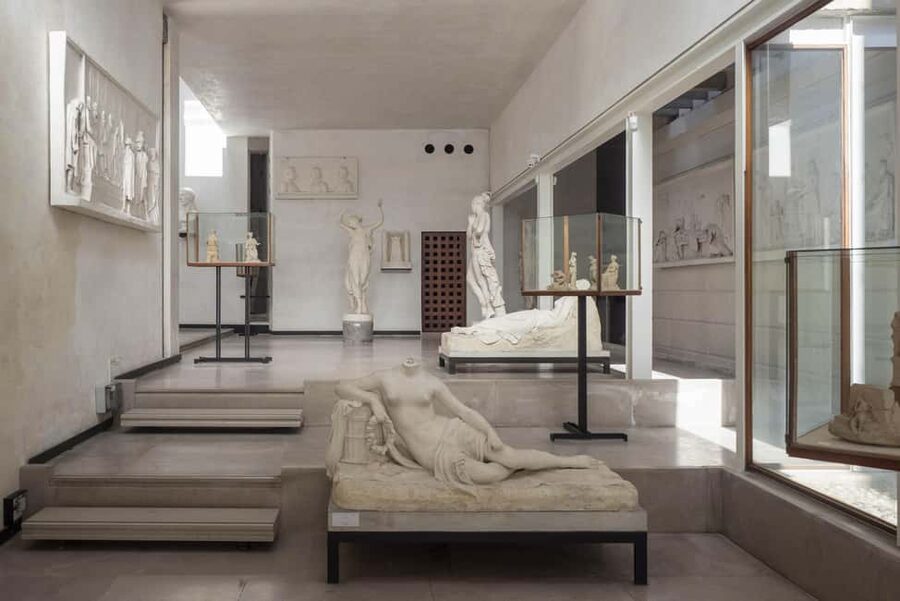
The most striking part of this visit is the Gypsotheca, a gallery filled with Antonio Canova’s original plaster models. These are not small copies or modern reproductions. They show the works as Canova shaped them during the creative process, before the final marble versions.
I like the freedom to explore without being tied to a group, and I like the audio guide’s mix of clear explanations, facts, and stories about Canova’s life. The drawback is simple: you need your own smartphone and earphones, and the museum is only partially accessible, so check ahead if you have mobility needs.
Key points to know before you go
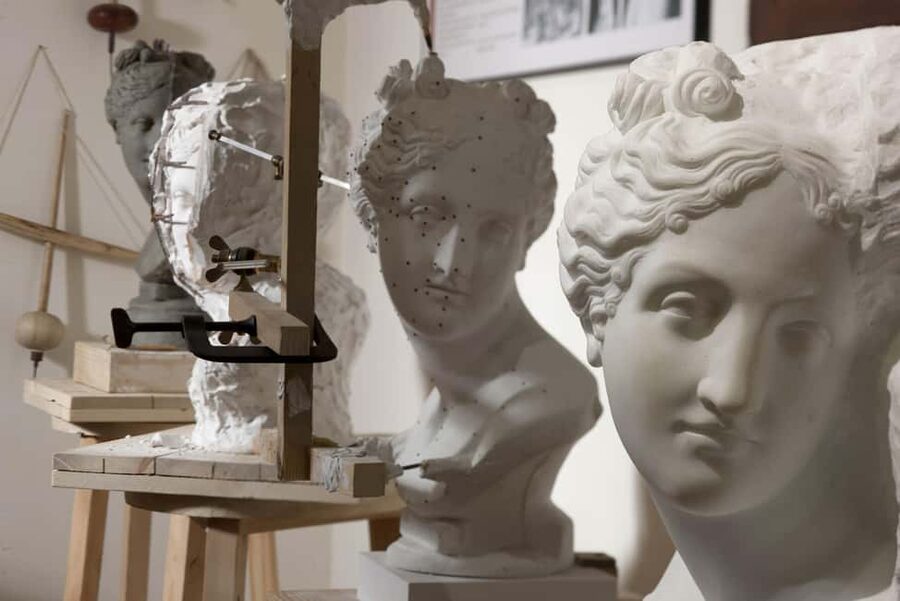
- Original plaster models: See the full-scale working models connected with Canova’s best-known artistic practice.
- Canova’s birthplace: Continue into the artist’s home, with sketches, paintings, tools, and historic rooms.
- Official audio guide app: Use your smartphone to follow explanations at your own pace.
- About 90 minutes: Allow roughly an hour and a half for a comfortable visit.
- $20 admission: The ticket covers both museum areas and the audio guide web app.
- Easy planning: The museum is on Piazzale A. Canova, with parking nearby and free cancellation up to 24 hours before the visit.
Why the plaster models make this museum different
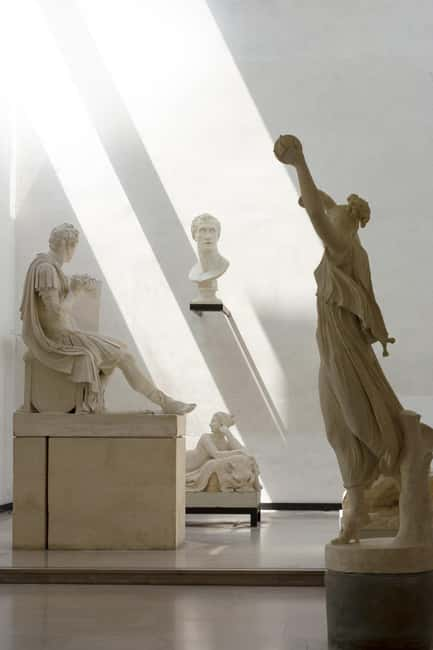
Many art museums show finished paintings or polished marble sculptures. At the Antonio Canova Gypsotheca Museum, you get closer to the working side of sculpture. The plaster models show the stage between an idea and a finished work.
That changes how you look at Canova. You are not only admiring the final surface of a sculpture. You are seeing the form in the material used to develop it, adjust it, and prepare it for the next stage.
The museum focuses on Canova, the leading figure of Italian Neoclassicism. The original plaster models give the visit a strong sense of purpose. You can study the poses, outlines, and overall shapes without the visual distraction of a broad collection covering many artists.
I find this especially useful if you already know a little about Canova. You can compare what you may have seen in marble with the plaster model here. If you know very little about him, the audio guide helps you understand why these models matter.
The gallery is also a good place to slow down. Sculpture can be difficult to take in quickly, especially when you are viewing several works in a row. The audio guide lets you pause, look closely, and continue when you are ready.
More Museum Audio Guides in Italy
- Venice: St. Mark Basilica Ticket, Audioguide+History Gallery
★ 3.9 · 4,780 reviews - Rome: Borghese Gallery Skip-the-Line Ticket & Audioguide
★ 4.3 · 4,318 reviews - Rome: Borghese Gallery Ticket + Audioguide or Guided Tour
★ 4.6 · 3,219 reviews
Starting at the Gypsotheca gallery
Begin at the museum entrance on Piazzale A. Canova. The first part of the visit takes place in the Gypsotheca, the main gallery devoted to Canova’s plaster models.
This is the emotional center of the experience. The room gives you a direct look at the scale and presence of the works. A plaster model can feel more immediate than a finished piece displayed behind glass or separated from you by a large gallery space.
You will see the models as part of a wider artistic process. The audio guide adds context as you move from work to work, explaining artistic points and sharing details about Canova’s life.
The guide is delivered through a web app on your smartphone. Bring earphones, since physical earphones are not supplied. Your own pair also lets you listen at a comfortable volume without disturbing other people in the gallery.
The audio guide is helpful, but it does not turn this into a live guided tour. An Italian host or greeter is available, while the tour itself is designed for independent visits. If you want to ask questions throughout the visit or have a specialist lead you from room to room, a separate guided visit is available by reservation for an added fee.
That distinction matters. I would choose the audio app if you enjoy setting your own pace. I would choose the paid guided option if you want a more conversational art lesson.
What the plaster casts reveal about Canova
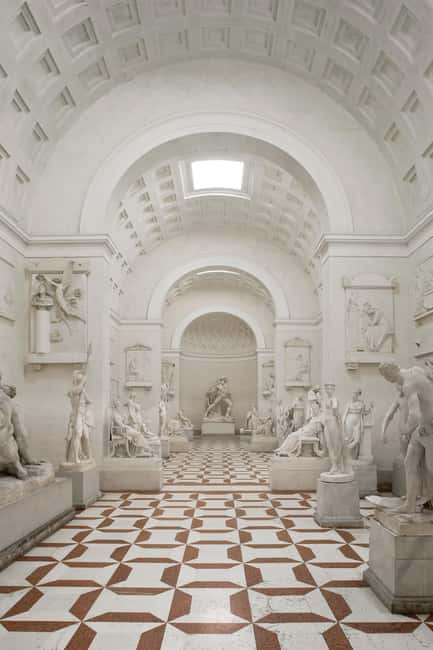
The plaster models are valuable because they show Canova’s art before it reached its final form. You can look at the sculptures as working objects rather than only as finished masterpieces.
That gives you a better sense of design. Pay attention to the arrangement of each figure, the balance of the pose, and the way the form is built from the whole body rather than from one isolated detail.
The audio guide is designed to point out facts and small details that are easy to miss. I recommend listening before moving on, then taking a quiet moment to look again. This two-step approach works better than trying to listen while rushing through the gallery.
The museum is not presented as a noisy attraction with a packed schedule. You visit independently, and the ticket is valid for one day. The practical benefit is that you are not forced to complete every section at a precise starting time.
The average visit lasts about 1 hour and 30 minutes. That is long enough to appreciate both the Gypsotheca and the birthplace without making the museum an all-day commitment. If you are passionate about sculpture, you may want extra time to revisit favorite works.
Moving into Antonio Canova’s birthplace
After the gallery, continue to Canova’s birthplace. The change in setting gives the visit a more personal side.
Here you find paintings, sketches, tools used by the artist, and historic rooms. The Gypsotheca shows the public and professional side of Canova’s work. The birthplace connects that work with the surroundings where his story began.
I like this second part because it broadens the visit without changing its focus. You are still following Canova, but you are no longer looking only at large plaster forms. Sketches show a quicker, more exploratory side of art. Tools make the work feel practical and physical. Paintings and rooms add context to the person behind the sculptures.
Do not treat the birthplace as a quick add-on. It helps explain why the museum includes more than a single gallery. The two sections work best together: first, you see the artist’s models; then, you see objects and rooms linked with his life and working world.
The official audio guide continues to help here. It gives you a clear path through the material, which is useful when a historic room contains several kinds of objects. You can listen to the explanation, then spend time studying the items that interest you most.
More Smartphone App Tours in Italy:
- Rome: Colosseum & Forum with Audio Guide App -Optional Arena
★ 4.2 · 24,770 reviews - Venice: Grand Canal Gondola Ride with App Commentary
★ 4.1 · 23,020 reviews - Florence: Timed Entry to Michelangelo’s David + Audio App
★ 4.6 · 19,496 reviews - Rome: Colosseum, Forum, Palatine Hill Entry & Audioguide App
★ 4.4 · 10,957 reviews
Getting the most from the audio guide app
The official audio guide is included with admission, but it is a web app rather than a separate device. Bring a charged smartphone and earphones. That is the main preparation you need for the visit.
The app provides content in Italian and other languages. Some material may appear in its original language, so you should check the available language options when booking or before you arrive if language support is important to you.
I would not rely on the museum visit as a place to sort out phone problems. Save enough battery for roughly 90 minutes, and bring your own earphones. These small steps make the visit much easier.
The audio guide contains explanations, facts, and anecdotes about Canova’s life and art. It is especially useful for people who want more than labels but do not want to pay for a private guide.
You also control the pace. You can listen to a full explanation, pause it, or move ahead. Families may appreciate this flexibility because adults can spend longer on an object while younger visitors move on.
For a first visit, I suggest this rhythm:
- Start with the main gallery and get a sense of its size.
- Listen to the audio explanation for the works that catch your eye.
- Pause often instead of trying to hear every track in one pass.
- Continue to the birthplace, then return briefly to the gallery if you have time.
This is a museum where patient looking pays off. The app gives you a framework, but you decide how much time each object deserves.
The practical value of a $20 ticket
At $20 per person, the ticket is not a bargain-bin museum admission, but it covers a substantial visit. You receive entry to the Gypsotheca, access to Canova’s birthplace, and the official audio guide web app.
That combination makes the price reasonable for people who want an organized cultural stop rather than a quick look at one room. You are paying for two connected parts of Canova’s story and for interpretation that helps you understand the objects.
The value is strongest if you use the entire visit. Rushing through the gallery and skipping the birthplace would make the ticket feel less worthwhile. Plan on at least 90 minutes, and give yourself time before or after to arrive without pressure.
There are extra costs to keep in mind. Transportation is not included, and publications in the bookshop cost extra. A physical audio device and earphones are not included either, so bring your own listening equipment.
A live guided visit can be arranged separately at an additional cost. Educational workshops, school activities, special events, and themed evenings are also outside this standard ticket unless specifically stated at the time of booking.
For many people, the $20 price compares well with the convenience of having both locations and the audio guide covered in one admission. It is less appealing if you only have a few minutes or are mainly looking for a broad survey of Italian art.
Planning your visit in Possagno
The entrance is at Piazzale A. Canova in Possagno, in the Veneto region. Parking is available near the museum, which makes the site practical for a visit by car.
Transportation to and from the museum is not included. You need to arrange your own route to Possagno, and the ticket does not provide transfers.
Advance booking is a sensible idea for weekends and holidays. Availability can vary, and booking ahead also gives you more control over your day. The reservation is valid for one day, with starting times shown when you check availability.
The ticket allows free cancellation up to 24 hours in advance. You can also reserve now and pay later, which is useful if your plans around Veneto are still moving.
The museum has restrooms and a visitor reception area. The site is partially accessible to people with reduced mobility. Because access can vary by section and personal need, contact the museum in advance rather than assuming every area will be easy to reach.
The host or greeter is Italian. The audio guide app provides the main interpretive support in Italian and other languages, with some content shown in its original language.
Who will enjoy this museum most
I would recommend this visit to adults interested in sculpture, Neoclassicism, or the behind-the-scenes stages of art. The original plaster models give you something different from a standard collection of completed works.
It also works well for families who prefer to explore at their own speed. The audio app lets adults listen to more detail while children look around, though the quiet gallery setting may suit older children better than very young ones.
Art students and serious hobbyists should find particular value in the plaster models, sketches, and tools. The museum lets you compare large-scale forms with the smaller, more personal signs of the artist’s practice.
You do not need to be a Canova expert. The audio guide provides an entry point, and the visit is focused enough that you will not be overwhelmed by dozens of unrelated artists or periods.
I would be less likely to recommend it if your main interest is a large general art museum, modern art, or a long guided tour with discussion. This is a focused Canova visit, not a broad survey of Veneto’s art.
My advice for a smooth visit
Bring earphones and check your phone battery before entering. The audio guide is one of the main benefits of the ticket, so it makes sense to arrive ready to use it.
Allow 90 minutes at minimum. If you care about sculpture, add spare time so you can look again at the plaster models instead of treating the visit as a box to check.
Visit the Gypsotheca first, then the birthplace. That order follows the natural structure of the museum and lets you move from Canova’s large working models to the personal objects, paintings, sketches, tools, and rooms connected with his life.
Book ahead for weekends and holidays. If your plans are uncertain, the reserve now and pay later option and cancellation until 24 hours before the visit give you some useful flexibility.
Remember that parking is nearby, but transportation is your responsibility. If you need specific mobility arrangements, ask in advance because the museum is only partially accessible.
Should you book the Antonio Canova Gypsotheca Museum?
Book it if you want a focused, thoughtful look at Canova’s original plaster models and the place where his story began. The strongest reasons are the two-part visit, the unusual working models, and the included audio guide that adds context without forcing you into a group.
At $20, it offers good value when you use the full 90 minutes and visit both the Gypsotheca and birthplace. I would skip it only if your schedule is too tight, you dislike app-based guiding, or you are looking for a broad museum rather than a close look at one artist.
For a Canova enthusiast, this is an easy choice. For everyone else, the question is simple: do you want to see how sculpture takes shape, not just how it looks when finished? If yes, put Possagno on your Veneto route.
FAQ
Where is the Antonio Canova Gypsotheca Museum?
The museum entrance is at Piazzale A. Canova in Possagno, in Italy’s Veneto region.
What does the $20 ticket include?
The ticket includes entry to the Antonio Canova Gypsotheca, access to Canova’s birthplace, and the official audio guide web app.
How long does the visit take?
The average visit lasts about 1 hour and 30 minutes.
Is the audio guide a physical device?
No. The audio guide is a web app for your smartphone. You should bring your own earphones.
Which languages are available for the audio guide?
The official audio guide is available in Italian and other languages. Some content is shown in its original language.
Is a live tour guide included?
No. A guided visit with a tour guide is available by reservation for an additional cost. The standard ticket is designed for an independent visit.
Can I visit Canova’s birthplace with the same ticket?
Yes. Access to Antonio Canova’s birthplace is included with the museum ticket.
Is parking available?
Yes. Parking is available near the museum.
Is the museum accessible to people with reduced mobility?
The museum is partially accessible. Contact the museum in advance to discuss specific mobility needs.
Can I cancel my booking?
Yes. You can cancel up to 24 hours in advance for a full refund.
Just added around Italy
- Genoa Historic Centre Quest: A Self-Guided Puzzle Adventure★ 4.0 · 3 reviews
- Genova Walking Tour with Audio and Written Guide by a Local★ 4.5 · 33 reviews
- Self-Drive (No Licence) Boat Rental in Portofino Gulf★ 5.0 · 12 reviews
- Finance and Nobility: Explore medieval Genoa on a self-guided audio tour★ 4.5 · 7 reviews
- Florence: Uffizi Gallery Reserved Ticket & Digital Audio Guide★ 4.5 · 3 reviews
- Around Florence Hills: App‑Guided e‑Vespa Tour + Wine&Food★ 4.5 · 22 reviews
- Florence: Uffizi Gallery Audio Guided Tour led by Tour Leader★ 3.5 · 6 reviews
- Uffizi Gallery: Self-guided App Visit & Optional Accademia Museum★ 4.0 · 19 reviews
Italy Audio Tours, compared.
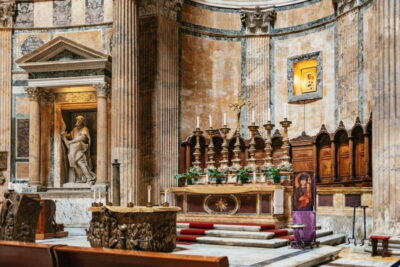
Rome: Pantheon Fast-Track Ticket and Official Audioguide
Read our review →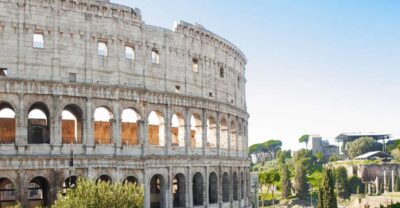
Rome: Colosseum & Forum with Audio Guide App -Optional Arena
Read our review →
Venice: Grand Canal Gondola Ride with App Commentary
Read our review →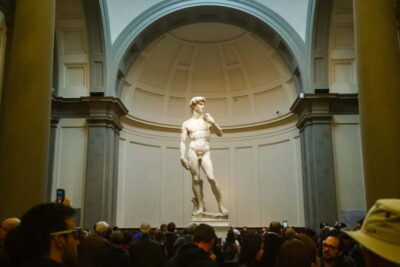
Florence: Timed Entry to Michelangelo’s David + Audio App
Read our review →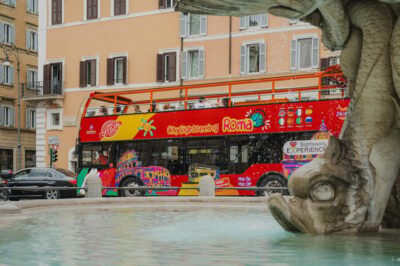
Rome: City Sightseeing Hop-on Hop-off Bus with Audioguide
Read our review →
Venice: La Fenice Opera House Entry Ticket with Audio Guide
Read our review →
Rome: Colosseum, Forum, Palatine Hill Entry & Audioguide App
Read our review →Browse the lists this tour appears in