
REVIEW · PARIS AUDIO TOURS
Paris City Center Self-Guided Walking Tour
Paris is at its best when you move through it on foot, and this route gives you a clear 12-kilometer line from Place de la Bastille to the Eiffel Tower. Along the way, you pass Le Marais, Notre Dame, the Louvre, the Champs-Elysées, and ten other major sights without having to spend hours researching the order yourself.
I like the low $11 group price, which covers up to 25 people, and I like the booklet’s practical details about addresses, opening times, admission, and tickets. The catch is that the reading is brief. If you want a full story for every building, you may find yourself reaching for your phone, as Katharina from Austria did when she wanted more information about the Louvre.
Key points to know before you book
- A 12-kilometer route links 12 major sights, starting at Place de la Bastille and ending at the Eiffel Tower.
- You set your own pace, with no guide, fixed departure time, or group to keep up with.
- The booklet is useful for planning, with a map, attraction notes, opening times, addresses, and ticket information.
- Le Marais, Notre Dame, the Louvre, and the Arc de Triomphe provide the strongest variety of architecture and city history.
- The $11 fee covers a whole group of up to 25, but attraction admission, food, transport, and other costs are extra.
- The route can be split into two half-days, which is sensible if you want time inside museums or churches.
Bastille gives the walk a strong Parisian beginning

Your route begins from your accommodation, and you make your way to Place de la Bastille, the first marked stop. This matters because the walk does not require you to meet a guide or reach a fixed meeting point at a set hour. You receive the booklet by email 24 hours before the booked departure, then begin when it suits you.
Bastille is a fitting place to start because it introduces the political side of Paris. The booklet gives you a short city history before moving into the attraction notes, so you get a basic frame for the route rather than a string of disconnected addresses.
From here, the walk moves toward Le Marais. The distance between sights is part of the experience, not empty time. You are seeing Paris at street level, with cafes, shops, and old buildings appearing between the headline monuments.
More Self-Guided Walking Tours in France
- Bastille’s Architecture & Artisans Self-Guided Walking Tour
★ 4.5 · 18 reviews - Marais HiddenTreasures, audioguided walking tour
★ 3.5 · 17 reviews - Montmartre Paris Walking Tour with Audioguide on Your Smartphone
★ 4.5 · 17 reviews
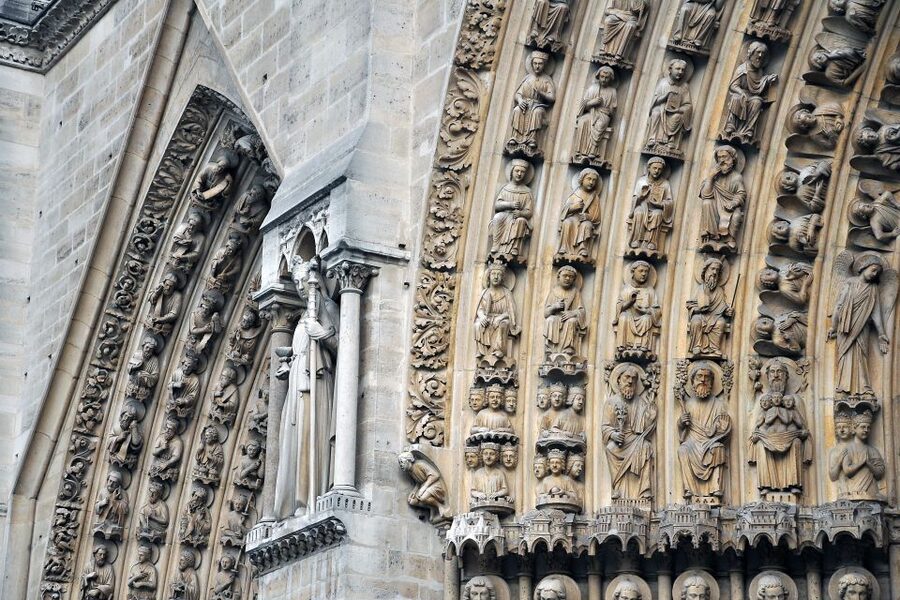
Le Marais brings together old buildings and present-day Paris
Le Marais is one of the most enjoyable parts of this route because it offers a change of mood from grand monuments. You walk through smaller streets lined with historic architecture, cafes, and shops. It feels like a lived-in district rather than a parade of famous photo stops.
The booklet can help you decide how much time to give this area. If you only want to follow the route, you can keep moving. If you like browsing shops or stopping for coffee, Le Marais is a natural place to stretch the schedule.
This is also where the self-guided format works well. You can pause without worrying about holding up a group. The tradeoff is that nobody is there to point out small details beyond what is written in the booklet. The attraction descriptions are intended as a useful introduction, not a full walking lecture.
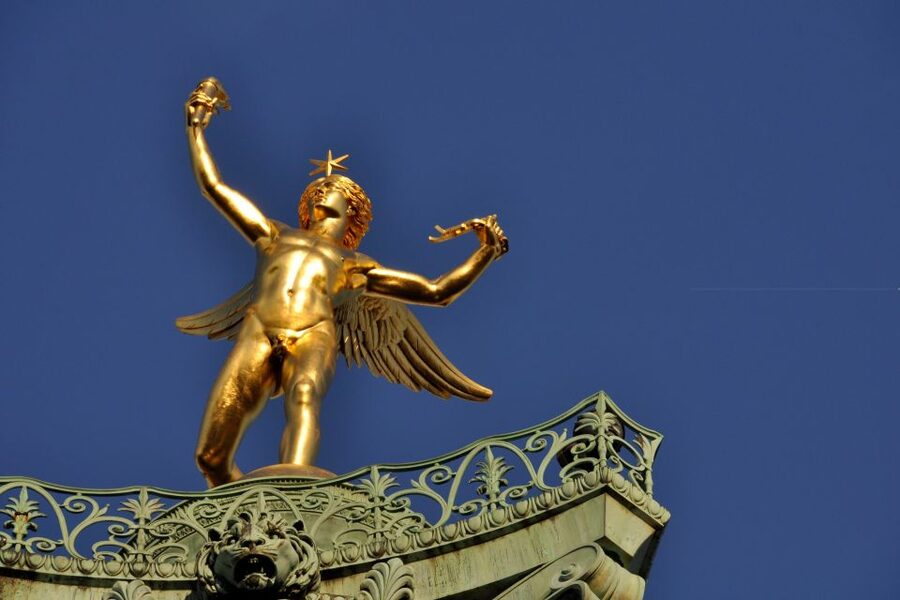
Hotel de Ville and the Circular Pavilion add urban detail
The next part includes Hotel de Ville and the Circular Pavilion. These stops help connect the older districts with the wider civic life of Paris. The route is not only a list of postcard sights. It includes public spaces and city buildings that show how Paris functions as well as how it looks.
You will find an address and practical information for each listed attraction. That is helpful if you decide to leave the route briefly, check a nearby entrance, or return later in the day.
The booklet’s short format is both its strength and its limit. You can read the essential facts quickly and continue walking, but you should not expect a page of detail for every sight. The feedback from Katharina and another person who used the route was clear on this point: more background and side facts would have made the stops more satisfying.
Notre Dame and the small streets of Ile de la Cite
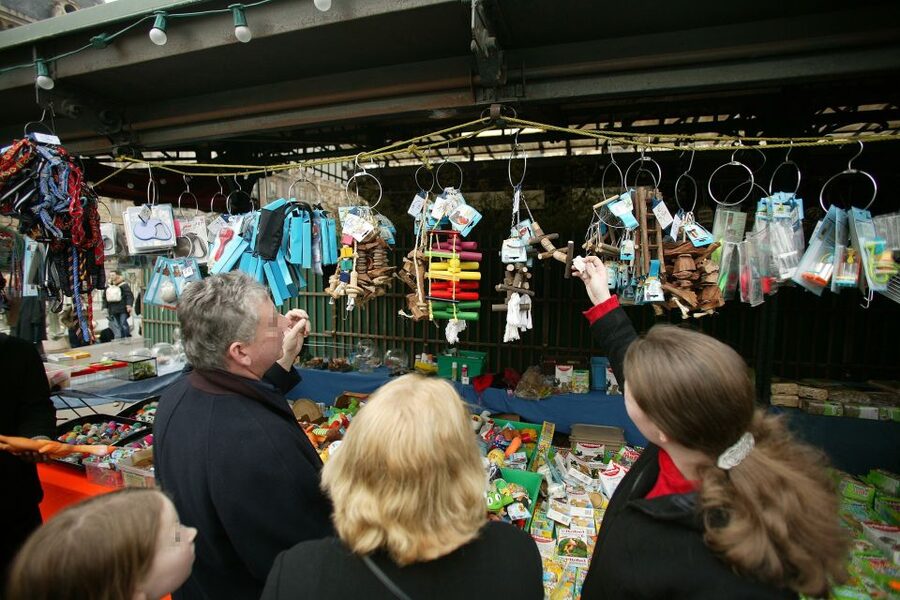
The walk then reaches Notre Dame and the smaller streets of Ile de la Cite. This is one of the route’s most atmospheric sections. The island gives you a tighter, older street pattern before the route opens out again toward the grand boulevards.
The booklet includes a short description of Notre Dame and practical details about visiting. You will need to check the information before setting out, since opening times and entry arrangements can change. The tour fee does not include admission to any attraction.
I would treat Notre Dame as a place where you may want extra time. The route only allocates a portion of its total distance to each stop, but your interests may call for a longer pause. If you want to go inside several attractions, three hours will not be enough for the entire day.
More Self-Guided Walking Tours in Paris
- Mysteries & Legends, smartphone audioguided walking tour
★ 4.5 · 13 reviews
Pont Neuf shifts the route from island streets to grand Paris
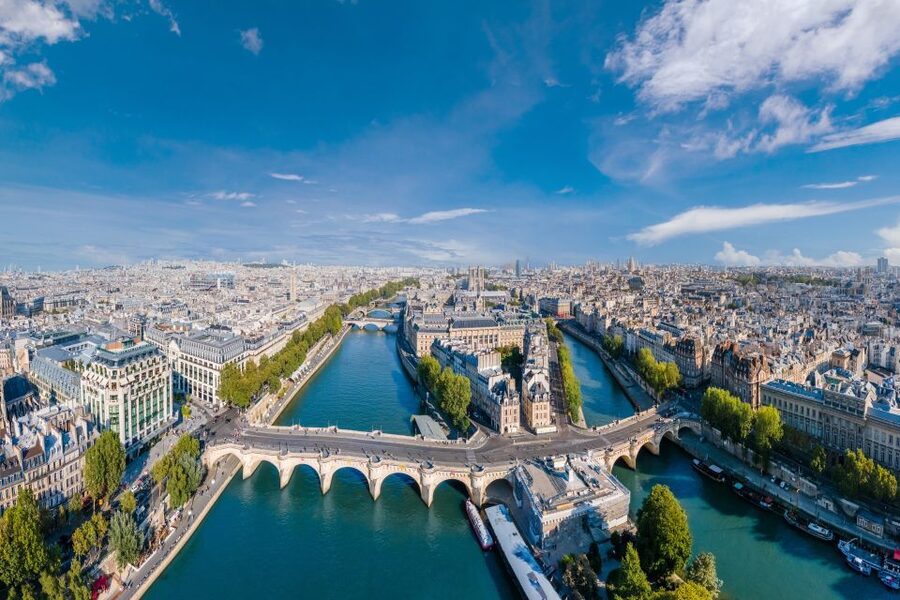
Pont Neuf carries you away from Ile de la Cite and toward the larger ceremonial spaces of central Paris. It is a useful transition in the walk, linking the compact island with the Louvre area.
Here, the value of the route is mainly its order. You are not wandering randomly across the city. The marked map gives you a clear next step, and the booklet places each attraction in a sensible sequence.
That can save real time, especially on a first visit. You do not need to research which sights sit near one another or work out a rough route from separate web pages. You still need to follow the map and make your own choices, but the planning burden is much lighter.
The Louvre Palace and Pyramid need more than a quick note
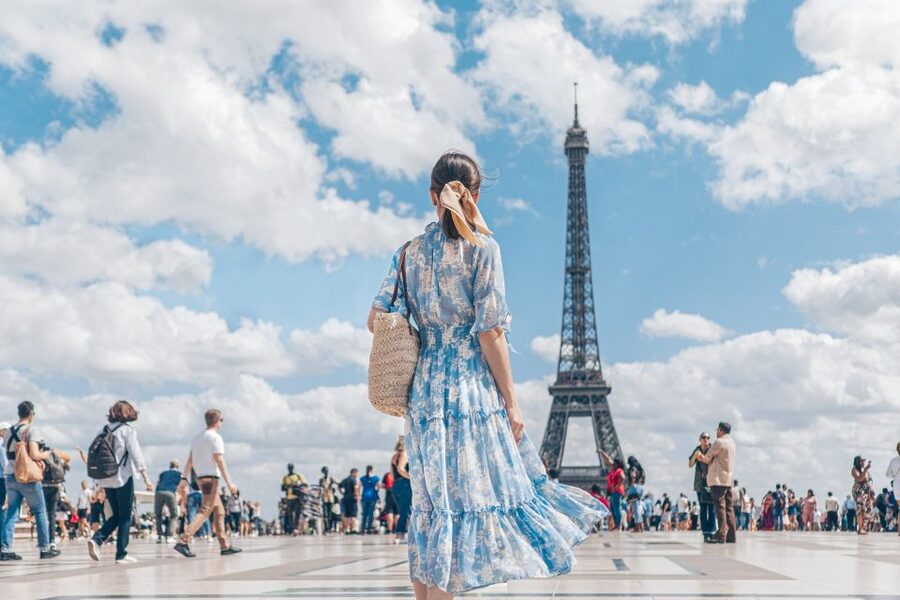
The Louvre Palace and Pyramid are among the biggest stops on the route, but they also reveal the booklet’s limits. The provided material includes a short description, an address, opening times, and ticket guidance. That is enough to help you decide if you want to visit, but it may not explain the building’s earlier purpose or the people connected with it in the detail you want.
Katharina specifically wanted more information about who had occupied the Louvre and why it was built. She ended up searching online for those answers. That is useful advice for you: use the booklet as a planning tool, then add outside research if you care about architecture, royal history, or the museum’s collections.
You can visit the Louvre from outside without paying for entry, of course, but admission is not included if you choose to go inside. The same rule applies throughout the route. The booklet tells you how to plan tickets, but it does not provide them.
Tuileries Garden offers a calmer stretch
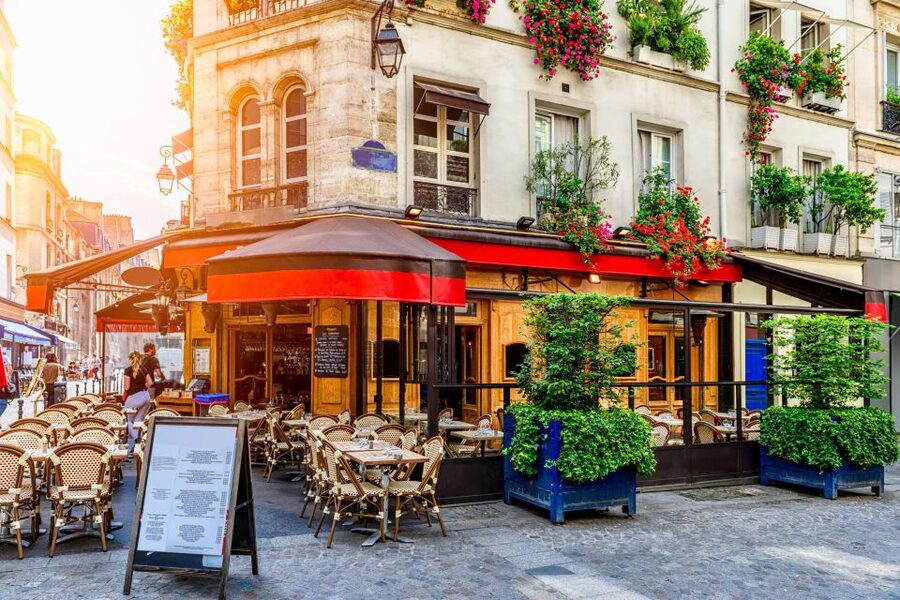
After the Louvre, the route continues through Tuileries Garden. This gives you a break from enclosed streets and large buildings. It is also a sensible point to pause, especially if you are trying to complete the walk in one day.
A self-guided tour lets you decide if this is a five-minute crossing or a longer rest. That flexibility is one of the best reasons to choose this format. You can sit, take photos, or stop for food without missing a guide’s commentary.
The full route is described as taking about two to three hours, but that estimate assumes steady movement and limited time inside attractions. The 12-kilometer distance is substantial. In practice, you may prefer to split the walk into two half-days, as Katharina did, particularly if you are traveling with children, using a wheelchair, or planning museum visits.
Place de la Concorde opens the route toward the west
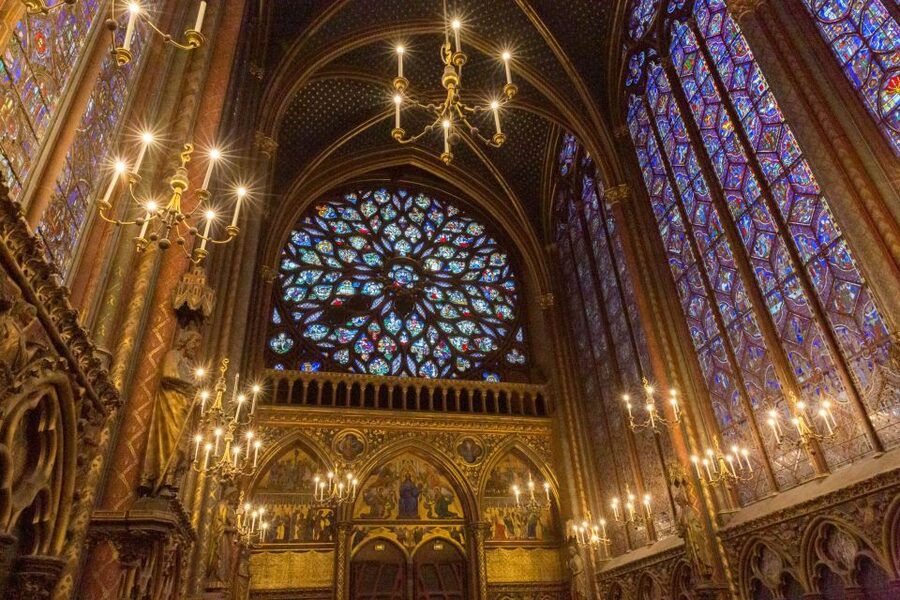
Place de la Concorde changes the scale again. After the narrower streets near the river and Ile de la Cite, you reach a broad urban space that leads into the ceremonial westward section of Paris.
This part of the route works best when you pay attention to the sequence. Bastille, Le Marais, Notre Dame, the Louvre, and Concorde do not feel identical. The walk shows how Paris shifts from neighborhood streets to formal squares and long avenues.
The booklet includes the practical facts needed to plan each stop, but it does not replace a live guide. You will not have someone answering questions on the spot or adjusting the route around your interests. That is the price of the low cost and private pacing.
Champs-Elysees and the Arc de Triomphe bring the big views

The Champs-Elysees is the most famous boulevard on the route, and it leads you toward the Arc de Triomphe. These are the stops where the city feels most grand and ceremonial.
The Arc de Triomphe is also a good example of why the booklet’s ticket information matters. You can see the monument from the route without entering, but climbing or visiting inside requires a separate ticket. Since attraction admission is excluded, you should decide in advance which interiors matter to you and budget accordingly.
The walk through this area may feel less intimate than Le Marais or Ile de la Cite. That contrast is useful. You are not seeing only one version of Paris. You move from local streets to grand avenues, then across the Seine toward the Eiffel Tower.
Trocadéro sets up the final approach to the Eiffel Tower

The route finishes at Jardins du Trocadéro and the Eiffel Tower. Trocadéro is an important final stop because it gives you a clear ending point before the tower itself. The Eiffel Tower then serves as the visual payoff for the long walk from Bastille.
The route describes the Eiffel Tower as a UNESCO Heritage site and includes the practical information you need to consider a visit. Again, entry is not included. If you want to go up the tower, you will need to arrange and pay for that separately.
Finishing here makes the walk easy to understand. You begin with Bastille and end beside Paris’s best-known landmark, passing through the city’s central historic districts along the way. It is a strong route for a first orientation, even if you later return to individual sights for longer visits.
What the booklet does well, and where it falls short
The booklet is most useful as a compact route planner. It gives you:
- A simple map with the route clearly marked
- A short history of Paris
- Information on 12 attractions
- Addresses and opening times
- Admission and ticket guidance
- A version in your native language
- A 10 percent discount code for a future Rosotravel guided tour
That is enough to reduce the dull research work that often comes before a city walk. You can spend more time outside and less time comparing maps and attraction pages.
Its weak point is depth. The written material is short, and two people who used the experience wanted more commentary about each place. If you enjoy historical context, bring your own research or plan to use your phone at major stops, especially the Louvre, Notre Dame, and the Arc de Triomphe.
This is not a replacement for a live guide. It is a flexible outline with practical notes. That distinction is important when you decide what you are paying for.
Is $11 good value for a group of up to 25?
At $11 per group, the price is hard to fault if you are walking with family or friends. A group of four pays less than three dollars each, and a larger group can use the same booklet without paying per person.
The value drops if you want expert commentary at every stop, since no guide accompanies you. You are paying for the prepared route, the information, the map, and the freedom to choose your own timing. You are not paying for attraction tickets, transport, meals, or live interpretation.
The 10 percent discount for a future Rosotravel guided tour adds a small extra benefit if you expect to book another activity with the same company. It has no value if you do not plan to do so, so I would not use it as the main reason to book.
Free cancellation up to 24 hours before the booked departure and the reserve-now, pay-later option make the plan easier to change. The booklet arrives by email 24 hours before departure, so check that it has arrived before you set out.
Who should choose this Paris walking route?
I would choose this for a first visit when I wanted a broad look at central Paris without committing to a guide. It suits independent walkers, couples, families, and groups who prefer to stop when they like.
It is also useful if you want to see the outside of many major sights in one outing. The route gives you a strong first sense of the city’s layout, from Bastille and Le Marais to the river, Louvre, western avenues, and Eiffel Tower.
You should think twice if your main goal is detailed history. The short notes may leave you wanting more, and the two specific comments about limited background confirm that this is the main weakness.
The route is listed as wheelchair accessible, but you should still consider the 12-kilometer distance and your preferred pace. Accessibility does not automatically mean the full walk will feel easy. Splitting it over two half-days may be the more comfortable choice.
Should you book it?
Book this Paris self-guided walk if you want a cheap, flexible route through 12 major sights and are happy to provide your own curiosity. The Bastille-to-Eiffel Tower sequence is well suited to seeing how different parts of Paris connect, and the booklet saves you time when planning addresses, hours, and tickets.
Skip it if you expect a guide to explain every monument in depth. For the best result, treat the booklet as your route and planning base, split the walk into two sections, and add your own research for the Louvre, Notre Dame, and other stops that deserve more than a short paragraph.
FAQ
How long does the self-guided Paris walk take?
The stated duration is about three hours, while the route description gives an estimate of two to three hours. Since the route covers 12 kilometers and attraction visits are optional, you can also split it across two half-days.
Where does the route start and finish?
The route starts at historic Place de la Bastille and ends at the Eiffel Tower. You begin by reaching the first stop from your own accommodation.
What attractions are included in the route?
The 12 stops are Bastille, Le Marais, Hotel de Ville and the Circular Pavilion, Notre Dame, Pont Neuf, Louvre Palace and Pyramid, Tuileries Garden, Place de la Concorde, Champs-Elysées, Arc de Triomphe, Jardins du Trocadéro, and the Eiffel Tower.
Are attraction tickets included?
No. The self-guided tour does not include entry tickets. You decide which attractions to visit inside and pay any admission costs yourself.
When will I receive the booklet?
The booklet is sent to you by email 24 hours before the booked departure. It includes the route map, attraction information, practical details, and a short history of Paris.
Is the tour wheelchair accessible?
The activity is listed as wheelchair accessible. The route covers 12 kilometers, so you may wish to use the flexible format to divide it into shorter sections.
Just added around Paris
- The Tout Paris Private Rickshaw bike Tour with Audio Guide★ 4.6 · 8 reviews
- Seine River Cruise with Free Notre Dame Digital AudioGuide★ 4.2 · 7 reviews
- Paris: Musee De L’Armee Ticket With Digital Audio Guide★ 4.2 · 39 reviews
- Paris: Rodin Museum Ticket & Optional Digital AudioGuide App★ 4.7 · 56 reviews
- From Paris: Versailles Palace Self Guided & Gardens tickets★ 4.4 · 1,100 reviews
- Paris: Grévin Wax Museum Entry Ticket with Audio Guide App★ 4.3 · 7 reviews
- Paris Audioguide – TravelMate app for your smartphone★ 4.1 · 27 reviews
- Eiffel Tower Entry: Summit or 2nd Floor with Audioguide★ 4.3 · 52 reviews
Paris Audio Tours, compared.
Paris: Illuminations River Cruise with Audio Commentary
Read our review →
Paris: Louvre Museum Hosted Entry and Mona Lisa Audioguide
Read our review →
Paris: Orsay Museum Entry Ticket and Digital Audio Guide App
Read our review →
From Paris: Giverny Day Trip with Audio Guide or Live Guide
Read our review →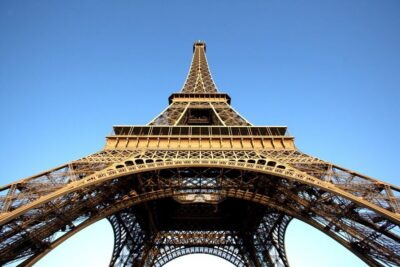
Paris: Eiffel Tower Access w/ Audioguide and Optional Cruise
Read our review →
Giverny and Monet’s House Half Day Trip from Paris Guide or Audio
Read our review →
Paris: Catacombs Entry & Seine River Cruise with Audio Guide
Read our review →
Paris: Tootbus Panoramic by Night Bus Tour with Audioguide
Read our review →Browse the lists this tour appears in