
REVIEW · MILAN AUDIO TOURS
Milan: City Sightseeing Hop-On Hop-Off Bus with Audio Guide
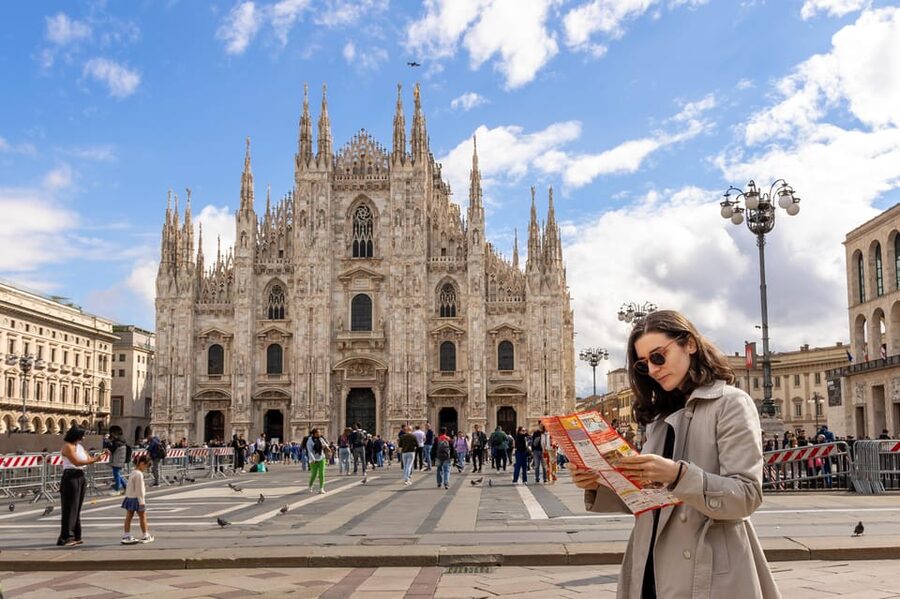
Milan’s four-route sightseeing bus gives you a fast way to understand the city’s shape, from the Duomo and La Scala to Navigli, San Siro, and the modern CityLife district. The open-top view is especially useful on a first visit, when you want to spot places worth returning to rather than spend the day guessing which tram goes where.
I like the freedom to switch between all four lines with one ticket, and I like the audio commentary’s small local touches, including the story of panettone and a recipe for cotoletta alla Milanese. The main catch is that Milan traffic can slow the buses, and some stops may leave you waiting close to an hour for the next ride.
Key points to know before you board
- Four connected routes cover different sides of Milan: Historic center, Brera, Navigli, San Siro, CityLife, Porta Venezia, and the central station all fit into the network.
- The Duomo is the main transfer point: Lines B and D begin there, while lines A, C, and D also connect through the Castello area.
- The audio goes beyond basic facts: You hear about La Scala, Castello Sforzesco, Milanese food, panettone, and city curiosities.
- A one-day ticket can work for a quick overview: A two or three-day pass makes more sense if you want to get off often and explore at a slower pace.
- The bus is useful when walking is tiring: It links far-flung stops such as Navigli and San Siro with the center.
- Look carefully for the starting point: Foro Buonaparte is a large area, not a single obvious doorway, so the exact street corner matters.
What this Milan bus tour actually covers
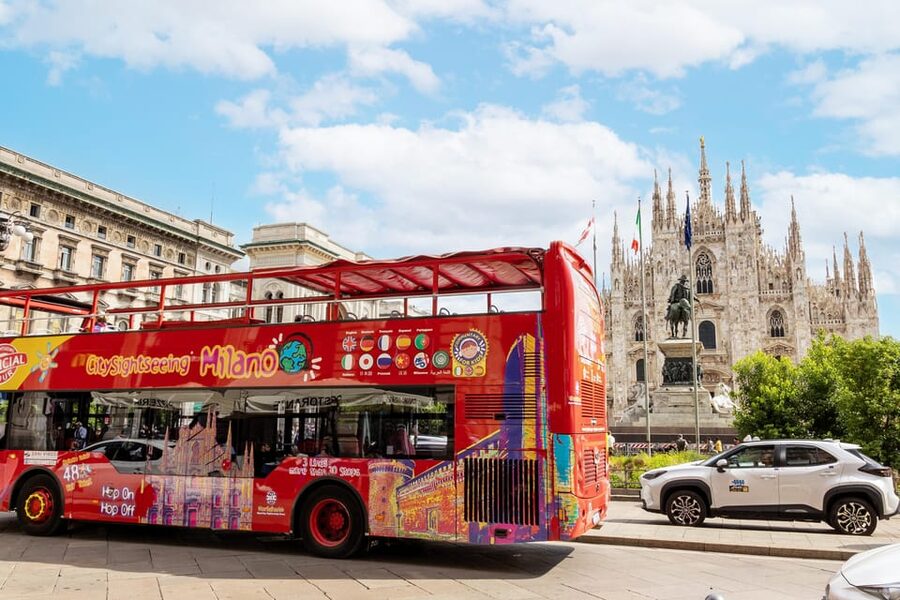
This is not one continuous sightseeing circuit. It is a ticket for four separate but connected routes, often identified by color or letter. That distinction matters because you need to watch the destination and line number when changing buses.
The network is strongest for a first look at Milan. You can ride through the grand center, hop off for the Duomo, continue toward Brera or the shopping streets, then take another route out to Navigli or San Siro. The bus does not replace entrance tickets, and it cannot take you inside the cathedral, opera house, museums, or stadium. It gets you to them and helps you decide where to spend your limited time.
You receive an audio guide in Spanish, Chinese, English, French, German, Italian, Russian, Portuguese, Japanese, and Arabic. There is also special commentary for children, onboard Wi-Fi, a city map, and free walking tours through the mobile app in five languages.
The commentary is recorded, so do not expect a live guide narrating every street. That can be a plus if you prefer to listen quietly and pause your sightseeing. Audio equipment has not been perfect on every bus, so test your headphones soon after boarding and move seats or ask for another set if needed.
More Hop-On Hop-Off Bus Tours in Italy:
- Rome: City Sightseeing Hop-on Hop-off Bus with Audioguide
★ 4.0 · 16,045 reviews - Rome: Hop-on Hop-off Sightseeing Bus Tour with Audioguide
★ 4.1 · 4,801 reviews - Trieste Bus Tour with Audio Guide
★ 4.4 · 2,170 reviews
Line A: Castello, the Duomo, and Milan’s grand center
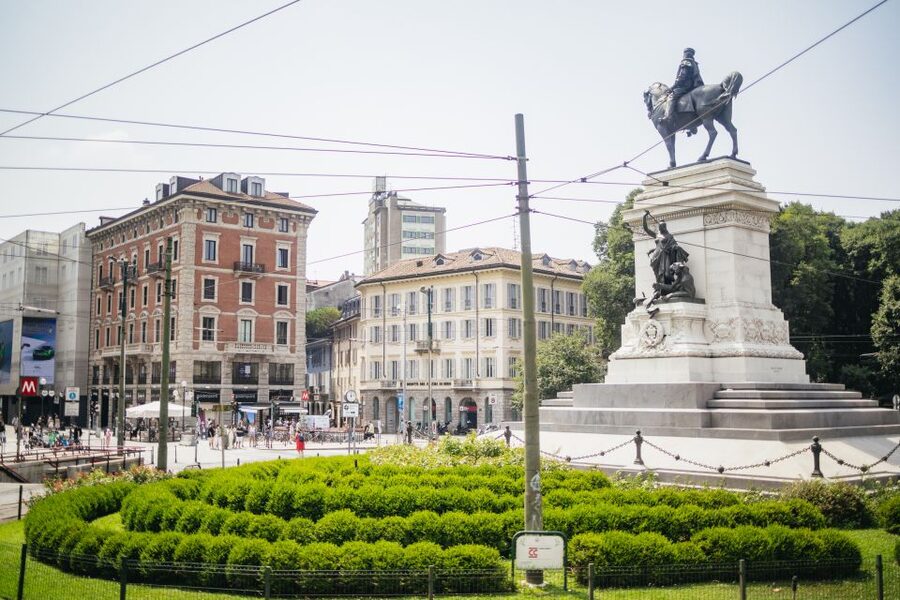
Line A starts at Castello, near Foro Buonaparte, and is the best first ride if you want Milan’s classic sights in a compact route. It moves through Cadorna, the Cenacolo area, Corso Magenta, the Duomo, Monte Napoleone, Manin, and Moscova.
Castello Sforzesco is an excellent place to begin. The huge brick fortress sits beside Parco Sempione and gives you an immediate sense of Milan’s old political power. You can hop off for the castle museums or walk through the park toward the Arco della Pace. If you only have one day, this stop pairs well with the Duomo.
Cadorna is useful for Milan’s transport network and the station area, while Cenacolo points you toward Leonardo da Vinci’s Last Supper. The bus ticket does not include admission, and advance planning is needed for the painting, so treat this as a convenient drop-off rather than a guaranteed entry.
Corso Magenta takes you through one of the city’s attractive historic areas. From here, the route heads to the Duomo, the obvious center of a first Milan visit. Get off here for the cathedral, Galleria Vittorio Emanuele II, and nearby streets. The square can be crowded, and the bus stop area may be hectic, but staff are generally positioned around the main stops.
Monte Napoleone puts you near Milan’s famous luxury shopping district. Even if designer shopping is not your goal, the streets offer a different side of the city, with polished storefronts and elegant buildings. Manin and Moscova take you toward the Brera and Porta Nuova side of central Milan, where the mood shifts from monumental sights to restaurants, galleries, and modern city life.
Line A is a strong orientation route, though it overlaps with parts of the other lines. Do not assume that riding all four means four completely different sightseeing experiences.
Line B: Porta Venezia, Central Station, and modern Milan
Line B starts in Piazza Duomo and follows Monte Napoleone and Manin before heading toward Repubblica, Palazzo Lombardia, Stazione Centrale, Buenos Aires, Porta Venezia, and San Babila.
This line is useful when you want to connect the old center with Milan’s newer business district. Palazzo Lombardia and the area around Repubblica show the city’s modern face, while Stazione Centrale gives you a look at one of Europe’s major railway stations. The station itself is worth seeing for its grand scale, even if you are not catching a train.
Buenos Aires is a long shopping avenue, and Porta Venezia gives you access to a district known for attractive streets and urban variety. San Babila brings you back toward the Duomo and the fashion quarter.
Line B works well as a practical link, but it may feel less focused than Line A. You will see major areas, yet some passengers may prefer to use it mainly for moving between the center, central station, and Porta Venezia rather than riding the full loop without a plan.
Line C: CityLife, San Siro, and Milan’s wider reach
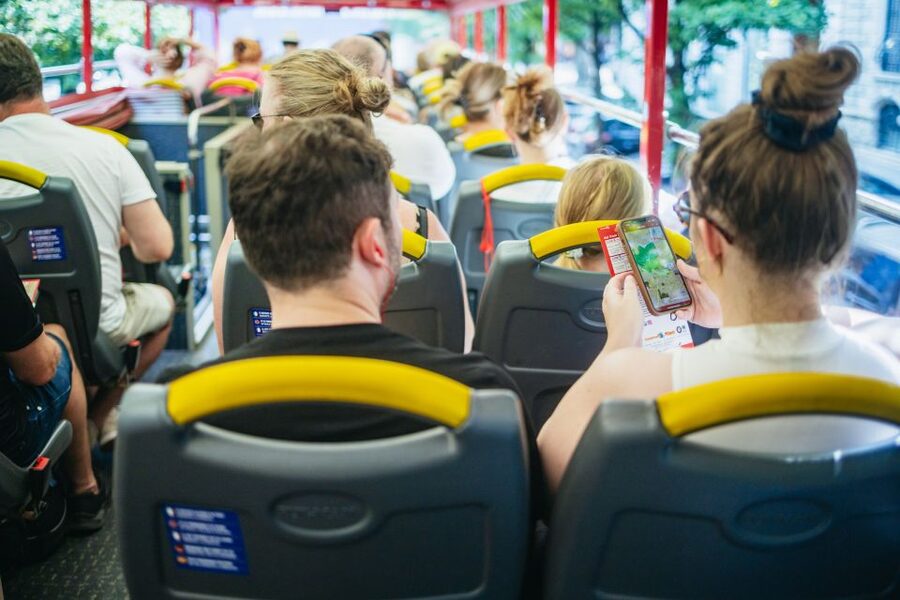
Line C is the route to choose when you want to get beyond the historic center. It starts at Castello and runs through Triennale, Arco della Pace, CityLife, Casa Milan, Mico, Lotto, Lido, Ippodromo, San Siro, Buonarroti, Pagano, Conciliazione, and Parco Sempione.
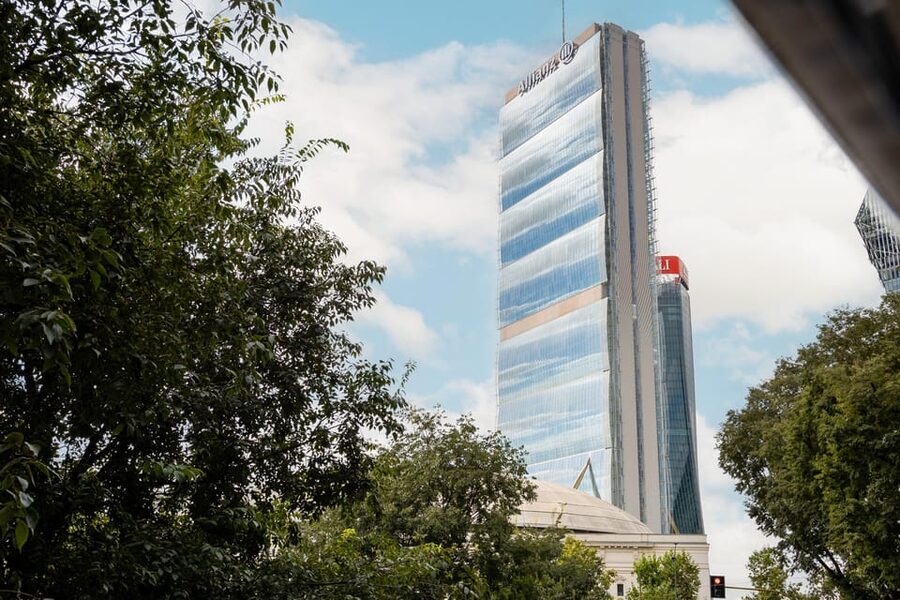
The Triennale stop serves Milan’s design and arts district. From there, Arco della Pace leads toward the park and one of the city’s most recognizable arches. CityLife offers a striking contrast to old Milan, with modern towers and planned public spaces.
Casa Milan is tied to the city’s football culture. The route continues toward San Siro, Milan’s famous stadium. If you want to visit the stadium, check your timing carefully. A bus may pause only briefly, while the next one could take a long time, so you may face a choice between a quick photograph and a longer wait.
This is the line that makes the bus more useful than simply walking around the Duomo. San Siro and CityLife are not the natural next stop on a compact central walking route. The tradeoff is time. Milan traffic can delay buses, and the farther you go from the center, the more important it becomes to leave room in your schedule.
Conciliazione and Parco Sempione bring you back toward the historic core. You can use them to connect with the Last Supper area, the castle, or the park.
More City Highlights Audio Tours in Italy:
- Rome: Self-Driven Sightseeing Tour by Vespa
★ 4.9 · 240 reviews - Bolzano Scavenger Hunt and Highlights Self Guided Audio Tour
★ 4.5 · 12 reviews - Bari Scavenger Hunt and Highlights Self Guided Audio Tour
★ 4.0 · 8 reviews - Cagliari Scavenger Hunt and Highlights Self Guided Audio Tour
★ 4.5 · 5 reviews
Line D: Navigli, Brera, and the best evening districts
Line D begins at Castello, passes Cadorna and the Cenacolo area, then heads to Navigli, Piazza XXIV Maggio, the Duomo, Monte Napoleone, and Brera.
For many people, Navigli is the most distinctive stop on this route. Milan’s canals give the city a more relaxed side, with waterside streets and places to eat. The route lets you reach the district without figuring out the local transport system, then return toward the center when you are ready.
Piazza XXIV Maggio is another useful point for exploring the canal area. The stop is valuable even if you only want to get off, look around, and continue later. Check the next departure before leaving the bus, since waiting times can be long.
The Duomo and Monte Napoleone repeat stops from the other routes, but that overlap is practical. You can change lines without returning to the exact place where you started. Brera is a fine final stop, especially if you want art, small streets, and a slower evening walk after the grand scale of the cathedral and castle.
Line D is a good choice for mixing Milan’s famous center with a district that feels less formal. I would give it priority if you have two days, especially if the weather is pleasant and you want to sit outside for part of the afternoon.
Planning one, two, or three days
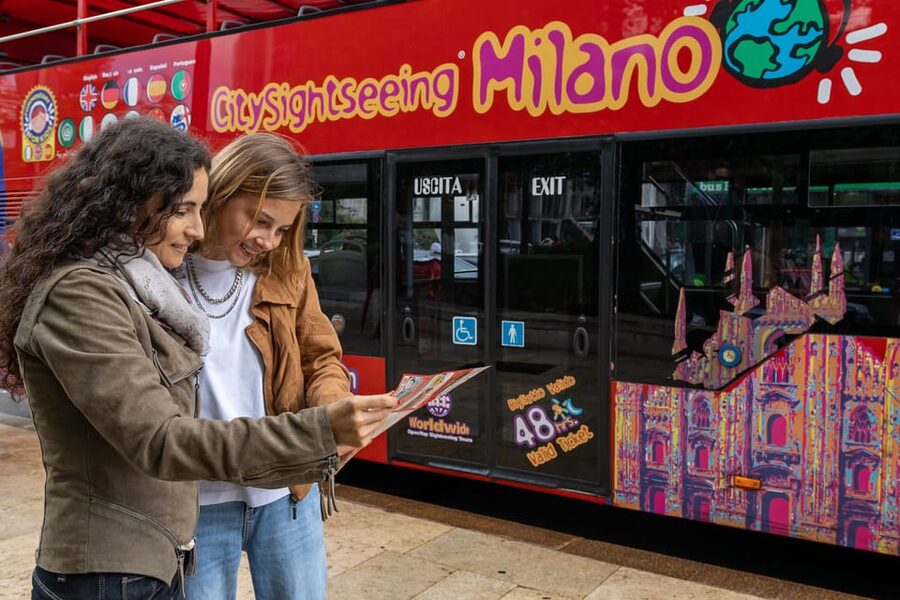
At $26 per person, the ticket is easy to justify if you use it as both transport and sightseeing. A one-day pass is best for a short visit or a first orientation ride. You can cover much of the network in one day, but you will spend a fair amount of time on the buses and may only have brief stops.
A practical one-day plan is to begin at Castello, ride Line A toward the Duomo, get off for the cathedral area, then use Line D for Navigli. If time remains, take Line C toward CityLife or San Siro. This gives you old Milan, canals, and a modern or football-focused district.
A two-day ticket gives you more breathing room. Use the first day for the center, including Castello, the Duomo, La Scala, Brera, and Monte Napoleone. Use the second for Navigli, CityLife, Porta Venezia, and San Siro. This plan avoids turning the trip into a race between bus stops.
The three-day option suits you if you want to use the buses repeatedly as transport, not just as a sightseeing ride. You can get off for museums and meals, then rejoin the network later. The value is less compelling if you plan to walk most of central Milan, since many headline sights are close enough to reach on foot.
A special detail applies to the 72-hour weekend ticket from June through September: if you buy the weekend rate for Saturday and Sunday, the Milan Night Tour is included. Confirm the available dates and departure details before booking, but this can make the longer pass more appealing for a summer weekend.
Audio commentary, Wi-Fi, and the view from the top
The audio commentary gives the ride more purpose than simply moving from one stop to another. Along with information about the opera house and Castello Sforzesco, you hear about cotoletta alla Milanese and panettone. Those food details help connect the grand buildings with ordinary Milanese life.
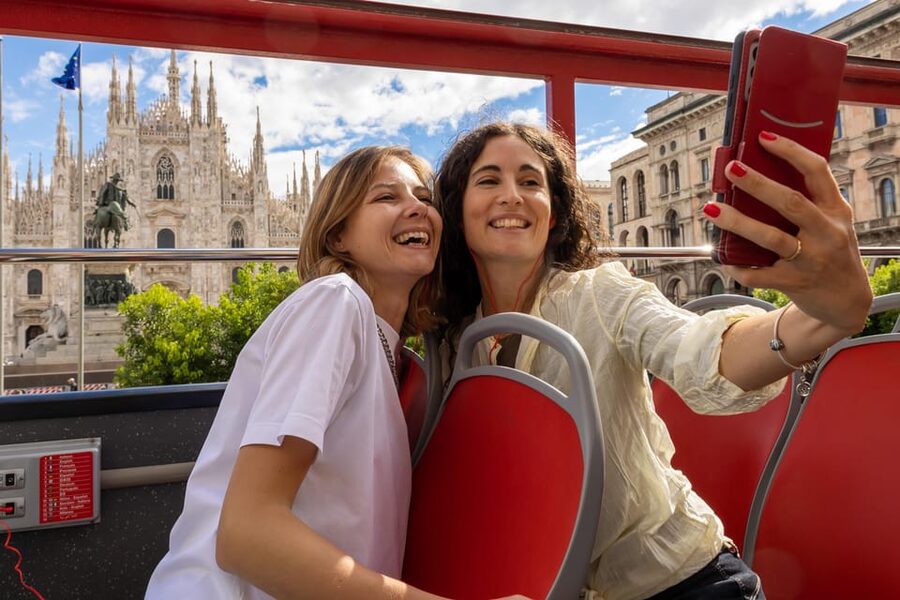
The open-top seating is the main visual advantage. You get a higher view of streets, buildings, and traffic than from a normal city bus. On a warm day, the breeze makes the ride pleasant, though sun and weather can change the experience quickly. Covered or enclosed seating is useful if the conditions turn poor.
Wi-Fi is included, and the mobile app adds walking tours in five languages. I would use the app as a bonus, not the main reason to buy the ticket. The real value is the network of stops and the ability to rest your feet while still seeing a lot of Milan.
The child-friendly audio is helpful for families, particularly during longer rides. Children can lose interest on a full circuit, so plan at least one stop where you can get off and explore rather than treating the bus as a nonstop ride.
Timing, traffic, and finding the stops
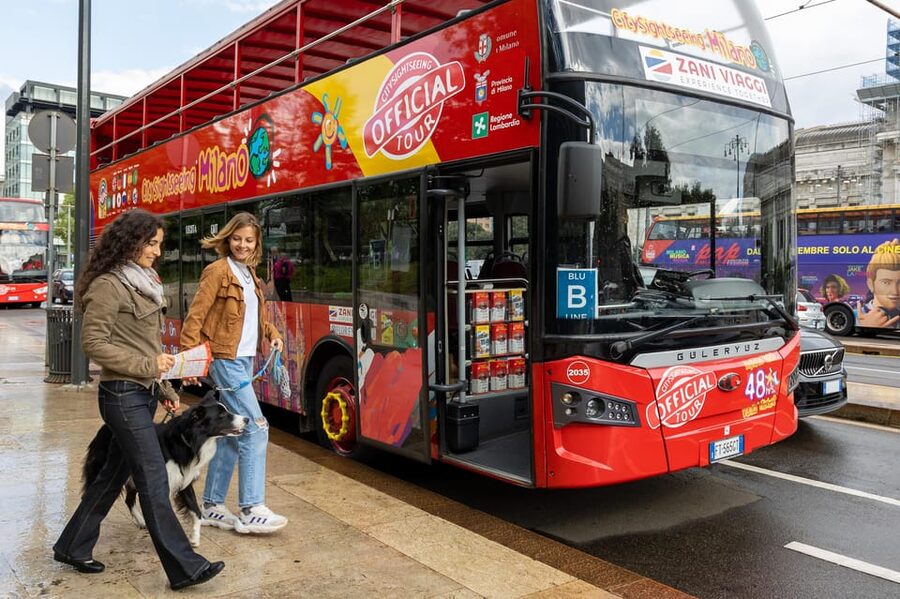
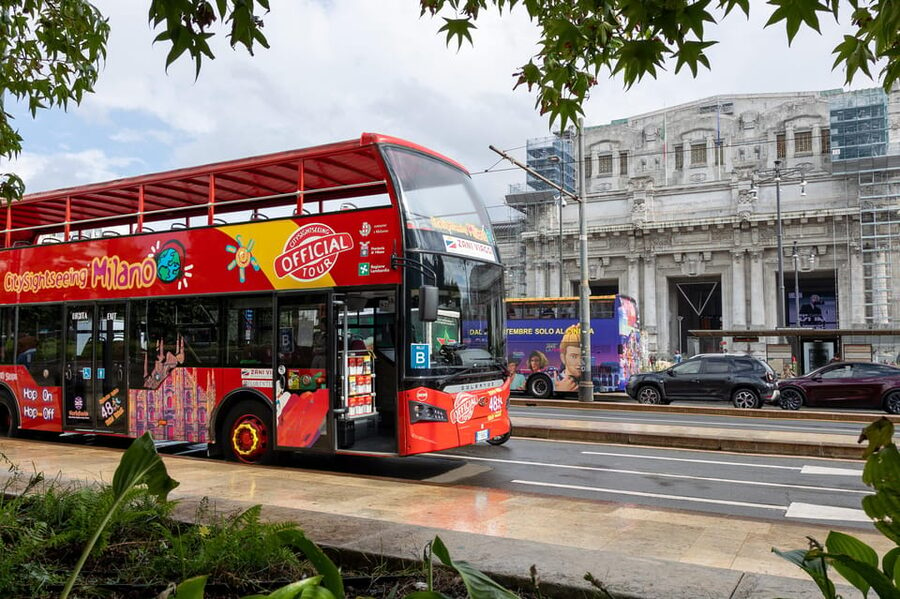
For Lines A, C, and D, the first stop is in Foro Buonaparte. For Line B, it is in Piazza Duomo. Foro Buonaparte is a broad area, and the meeting point can be confusing if you rely only on a general location or photograph. Look for the travel information point and confirm the exact corner before you start waiting.
The buses are generally easy to spot, and schedules have been described as accurate. Still, Milan traffic is real. Red lights, crowded roads, and delays can stretch the gap between buses. A wait of around 50 minutes is a serious part of your day, not a minor inconvenience.
At busy transfer points, a full bus can arrive. If you are changing lines, you may not always get a preferred seat. The open top is also more exposed, so bring water and protect yourself from strong sun.
Check current service notices before setting out. The supplied information warns of Winter Olympic disruptions, including the closure of Green Line Stop 2 for the duration of the Games and a temporary suspension of Castello on Saturday, February 21. Conditions can change, so verify stops close to your travel date.
Who will get the most from this ticket
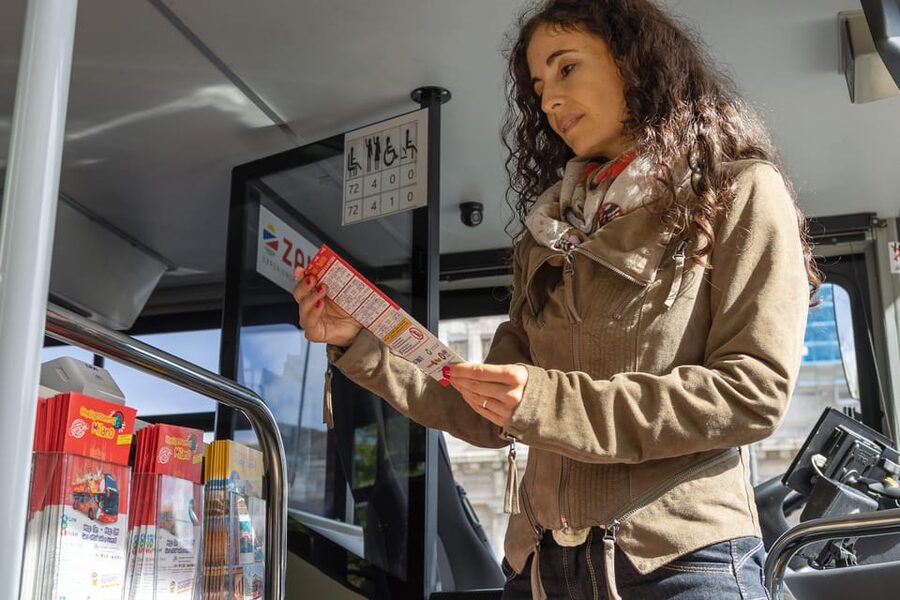
I would recommend this experience to you if it is your first time in Milan, you have only one or two days, or you want a simple way to connect districts that are spread across the city. It is also useful if walking all day is tiring, or if your group includes children who need regular breaks.
The bus is less useful if your main plan is to visit only the Duomo, Galleria, La Scala, and Brera. Those sights are close enough that walking may be faster, especially when traffic is heavy. In that case, buy the shortest pass or skip the bus and spend the money on attraction entry.
It is also not ideal for visitors who need perfectly timed transport. The routes are convenient, but traffic and bus intervals mean you should not build a tight schedule around a single departure. Audio quality can vary by seat, and one passenger with hearing loss found the commentary difficult to follow, so consider that if live visual information is important to you.
Cancellation is free up to 24 hours before departure, and you can reserve now and pay later. Those terms help if your Milan plans are still shifting.
Should you book the Milan sightseeing bus?
Book it if you want a quick city overview, access to Navigli and San Siro, or a rest from Milan’s hard pavement. The four lines give you more choice than a single central loop, and $26 is fair when you use the bus for several rides across a full day or longer.
Choose one day for a compact introduction, two days for a balanced visit, and three days only if you plan to use the network often. Start at Castello or the Duomo, confirm the exact stop, test your audio, and keep extra time for traffic.
My practical pick is the two-day pass for a first visit. It gives you time for the Duomo and historic center without giving up Navigli, CityLife, or San Siro. If you have just one day, ride first, choose your return stops carefully, and do not let a long wait at San Siro consume the whole afternoon.
FAQ
How much does the Milan hop-on hop-off bus cost?
The listed price is $26 per person. Attraction admission is not included.
How long can I use the ticket?
You can choose a pass lasting 1, 2, or 3 days. A 72-hour weekend rate from June through September includes the Milan Night Tour when used on Saturday and Sunday.
How many bus lines are included?
One ticket includes four connected routes, identified as Lines A, B, C, and D.
Where do the buses begin?
Lines A, C, and D begin at Foro Buonaparte. Line B begins in Piazza Duomo.
What languages are available on the audio guide?
Audio is available in Spanish, Chinese, English, French, German, Italian, Russian, Portuguese, Japanese, and Arabic. Special commentary for children is also included.
Does the ticket include entry to the Duomo, La Scala, or San Siro?
No. The bus ticket includes transportation, audio commentary, Wi-Fi, a map, and mobile walking tours, but attraction tickets are separate.
Can I cancel the booking?
Yes. You can cancel up to 24 hours in advance for a full refund. You can also reserve now and pay later.
Just added around Italy
- Genoa Historic Centre Quest: A Self-Guided Puzzle Adventure★ 4.0 · 3 reviews
- Genova Walking Tour with Audio and Written Guide by a Local★ 4.5 · 33 reviews
- Self-Drive (No Licence) Boat Rental in Portofino Gulf★ 5.0 · 12 reviews
- Finance and Nobility: Explore medieval Genoa on a self-guided audio tour★ 4.5 · 7 reviews
- Florence: Uffizi Gallery Reserved Ticket & Digital Audio Guide★ 4.5 · 3 reviews
- Around Florence Hills: App‑Guided e‑Vespa Tour + Wine&Food★ 4.5 · 22 reviews
- Florence: Uffizi Gallery Audio Guided Tour led by Tour Leader★ 3.5 · 6 reviews
- Uffizi Gallery: Self-guided App Visit & Optional Accademia Museum★ 4.0 · 19 reviews
Milan Audio Tours, compared.
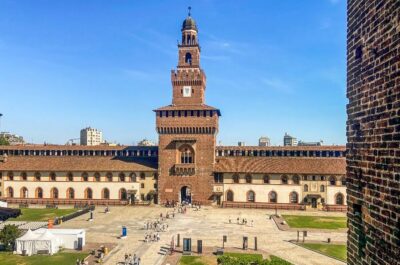
Milan: Sforza Castle Entry Ticket with Digital Audio Guide
Read our review →
Milan: Museum of the 900 Entry Ticket with Audio Guide
Read our review →
Milan: Natural History Museum Entry Ticket & Audio Guide
Read our review →
Milan: Palazzo Citterio Entry Ticket & Audio Guide App
Read our review →
Milan: Duomo Ticket incl. Terrace by Lift & Audio Tour
Read our review →Browse the lists this tour appears in