
REVIEW · TOKYO AUDIO TOURS
Hakone: Self Guided Trip to Mt. Fuji // Made by Local Guides
The best thing about this Hakone day trip is its unusual format: you get a ready-made route without being tied to a guide or a group. From Shinjuku, you make your own way to Lake Ashi, Amazake Chaya, and Owakudani, using a PDF that explains where to go and how to get there.
I like the freedom to linger over lunch or move quickly when the weather turns. I also like the useful food and transport advice, including a Japan eSIM discount code. The main drawback is plain enough: you pay only for the plan, not the trains, buses, boat, food, or admission costs, and you must manage the day yourself.
Key points at a glance
- Self-guided from Shinjuku: You receive directions rather than a personal guide, so the day moves at your pace.
- A full Hakone circuit: The route links Moto Hakone, Amazake Chaya, the Old Tokaido path, Lake Ashi, and Owakudani.
- A pirate-ship cruise: The Lake Ashi boat ride adds a scenic break and possible views toward Mount Fuji.
- Amazake Chaya stop: This historic teahouse is a chance to try warm amazake and traditional snacks.
- Useful PDF planning: Transport instructions, food recommendations, scenic photo stops, and Japan travel tips are included.
- Low price, extra costs: At $3.22 per group of one, the plan is inexpensive, but every major transport and food cost is separate.
A practical Hakone day from Shinjuku
Hakone is easy to admire and surprisingly easy to mismanage. The area spreads across mountains, roads, rail lines, buses, cable transport, and Lake Ashi. This self-guided plan gives you a route through the main sights without asking you to follow a guide holding a flag.
You begin at Shinjuku City, with the first train leaving from Shinjuku Station. The PDF arrives by email after purchase, and you should allow one to three business days for it to arrive. That matters if you are already in Tokyo and hoping to leave tomorrow.
The route is designed for one day. It is active, with walking, a 45-minute section along the old stone-paved road, several transfers, and time outdoors. You should be comfortable checking directions, watching the clock, and making small decisions as the day develops.
The format suits independent visitors well. You can stop for lunch, take extra photos, or move on without waiting for a group. The tradeoff is that nobody is beside you to explain the area, solve a missed connection, or adjust the plan in real time.
More Audio Tours in Japan:
- Tokyo: Open Top Panoramic Sightseeing Bus with Audio Guide
★ 3.8 · 254 reviews - Tokyo: Daikoku Self-Drive R35 GT-R Custom Car Experience
★ 4.9 · 129 reviews - Tokyo: 60min Panoramic Open Top Bus Tour with Audio Guide
★ 4.0 · 40 reviews
Moto Hakone and the first taste of Lake Ashi
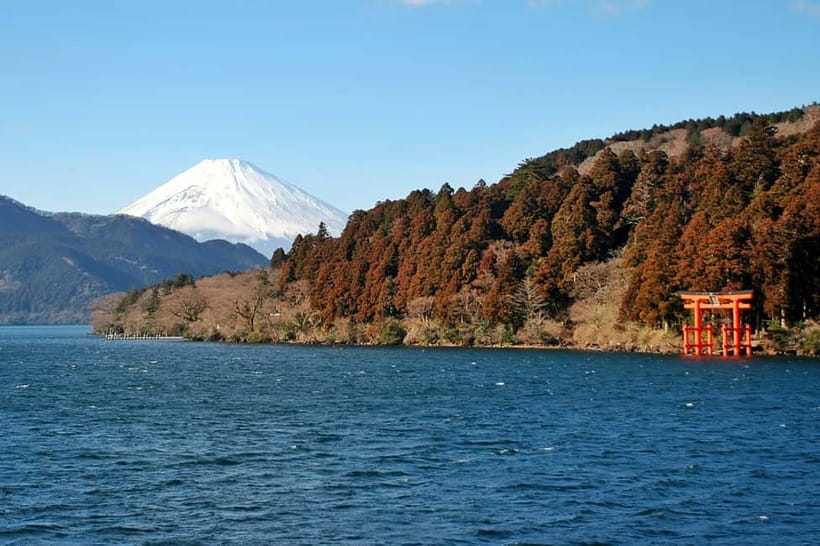
The route sends you toward Moto Hakone, a small village surrounded by wooded hills and the waters of Lake Ashi. This is a good place to slow down at the start of the day. You have time for a visit, lunch, regional food, local snacks, and free exploration.
The value of this stop is not a single ticketed sight. It is the chance to get your bearings in one of Hakone’s main bases before moving farther into the area. The plan includes recommendations for food, which can save you from choosing at random when you are hungry.
You will need to budget for lunch separately. The low booking price does not include meals, transport, or entry costs. That is not a surprise, but it changes how you should read the price. You are buying planning help, not a packaged excursion.
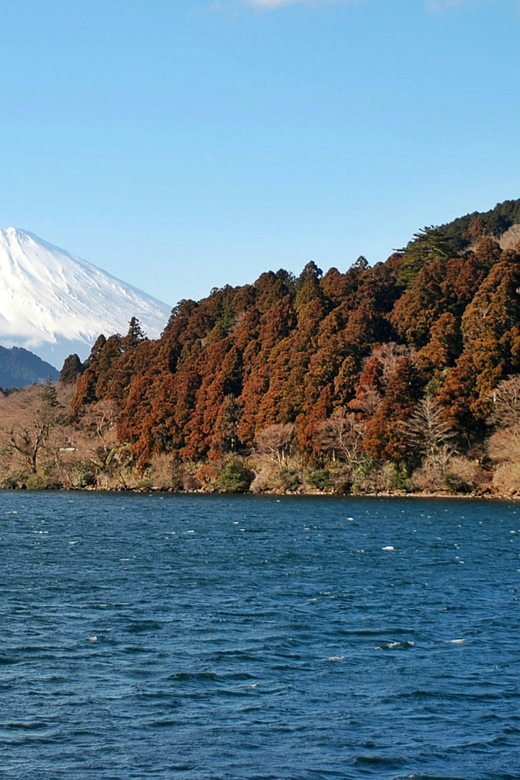
Moto Hakone is also one of the places where weather will shape your day. Clear conditions may give you strong views toward Mount Fuji, while cloud can turn the visit into a pleasant lakeside stop without the famous mountain view. The route still works in less-than-perfect weather, but its postcard appeal depends heavily on visibility.
Amazake Chaya and a taste of old Japan
Amazake Chaya is one of the most characterful stops on the route. This historic teahouse is known for warm amazake, a sweet rice drink, along with traditional snacks. It offers a change of pace from transport hubs and viewing points.
I like this stop because it connects the day to an older form of travel. You are not simply moving from one attraction to another. You are stopping at a place associated with the old road and taking time for a local food tradition.
Amazake is often associated with sake because of its name, but the drink itself is commonly served as a sweet, comforting refreshment. The supplied plan specifically recommends it along with savory food, so you can treat this as more than a quick photo stop.
Allow about an hour here. You may want less time if you are chasing every scheduled connection, but rushing defeats the point. The teahouse is one of the places where a self-guided format works nicely, since you can sit as long as your transport schedule allows.
Walking the Old Tokaido stone path
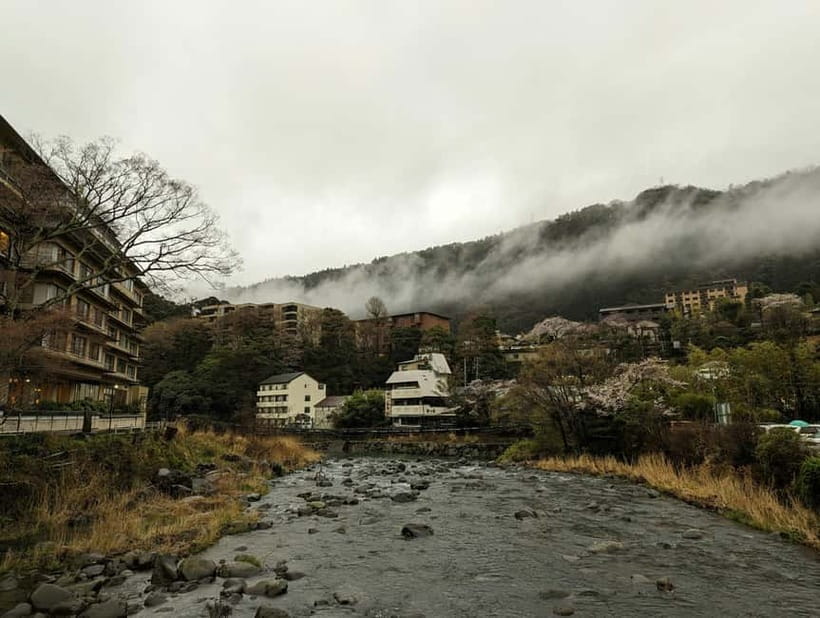
Next comes the old Tokaido route, reached by bus and followed by a walk of about 45 minutes. The stone-paved section gives the day some physical substance. You are not only looking at Hakone through a train or bus window.
The Old Tokaido was the historic route linking Tokyo and Kyoto. Here, the important detail for you is practical: the walking section can be uneven and tiring, and it adds to an already busy day. Wear shoes that can handle stone paving and walking, even though the activity does not require technical hiking.
This part may be less appealing if you have back problems, limited mobility, a recent surgery, respiratory issues, or a low fitness level. The activity is specifically not recommended for wheelchair users or people with mobility impairments. Those limits are worth taking seriously rather than treating them as routine booking language.
The route description includes both bus travel and walking. Pay close attention to the PDF’s directions, because the quality of your day depends on making the right connection before the walk. You do not have a guide to correct a wrong turn or explain a missed bus.
Same place, a different route to walk:
- Private Drifting Lesson w/ OG Pro Instructor Tokyo Drift Japan
★ 5.0 · 35 reviews - [Self-Drive] Tokyo & Daikoku Custom Car Driving Tour
★ 4.9 · 25 reviews - Mt. Fuji Drive Tour (Includes Visit to Local Speedway)
★ 5.0 · 19 reviews - Tokyo: Pre Japan Planning Kit: Itineraries, Food & Survival
★ 4.9 · 18 reviews
Cruising Lake Ashi on the pirate ship
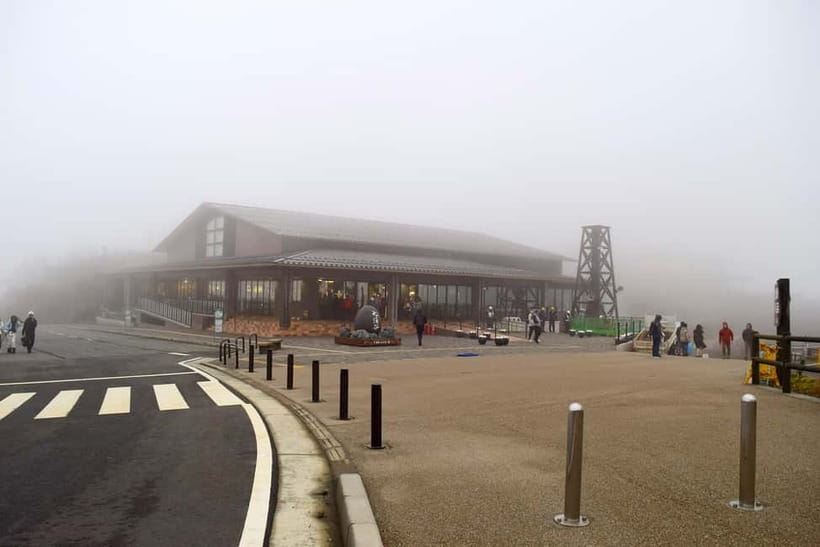
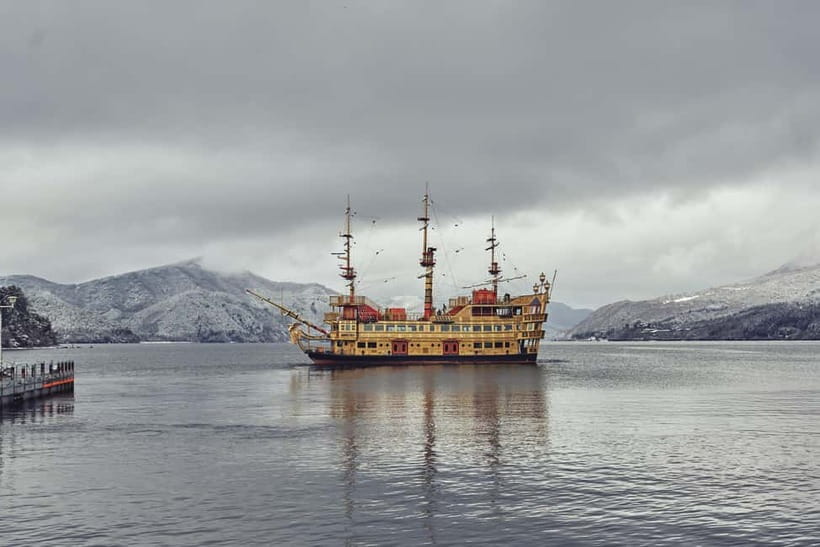
Lake Ashi is the visual center of this Hakone day. The plan includes a cruise aboard the area’s distinctive pirate ship, with time for photographs, sightseeing, and views along the water.
The boat is more than transport. It gives you a break after the walking section and offers changing views of the lake and surrounding hills. On a clear day, you may also see Mount Fuji from the water. Keep your camera ready, but do not build the whole day around a guaranteed Fuji view. Weather can hide the mountain.
The cruise takes about an hour in the stated schedule. You should check the operating times when you receive the PDF, particularly because one important practical point has come up in the experience of using the plan: activities in Japan may close earlier in the afternoon than you expect.
That timing issue can affect the entire day. A clear route is helpful, but it cannot remove the need to check departure times and closing hours. Start early from Shinjuku, keep some flexibility, and avoid assuming that a late afternoon arrival will work for every stop.
Owakudani and the famous black eggs

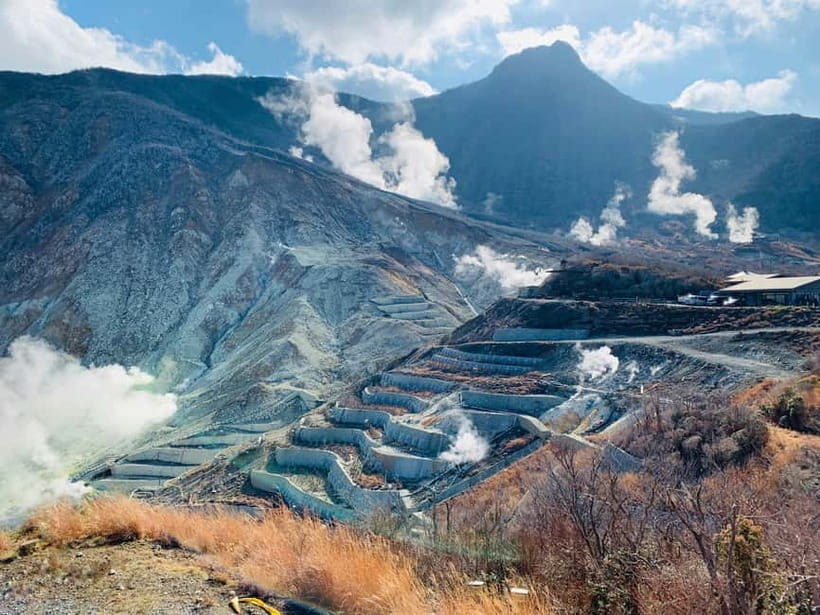
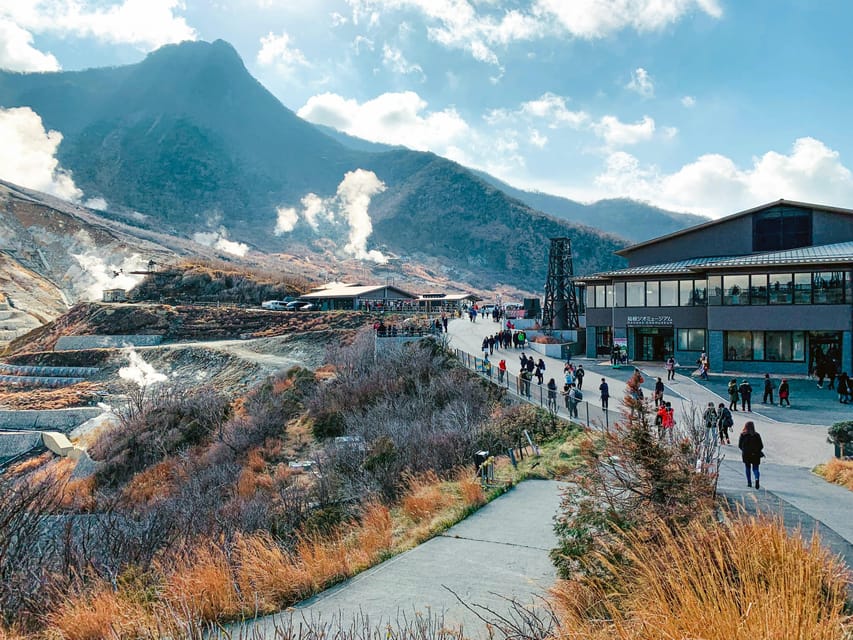
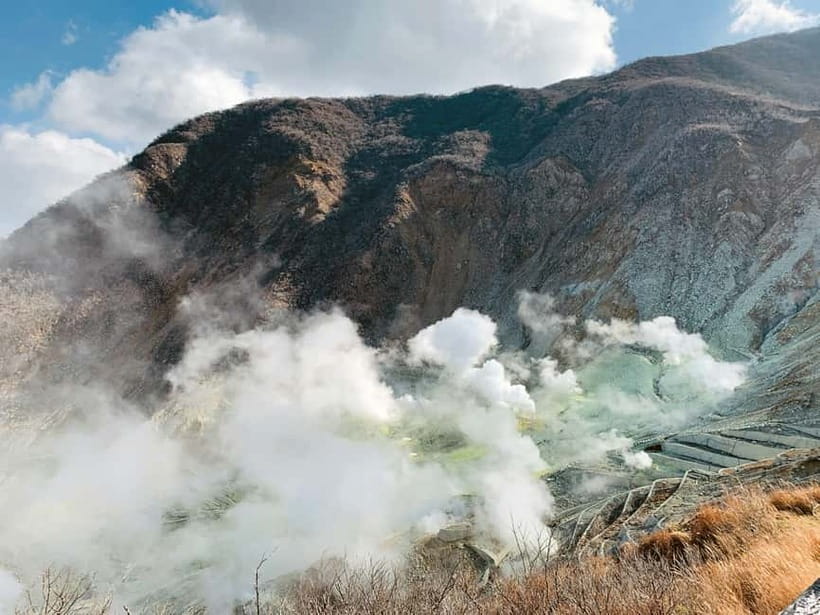
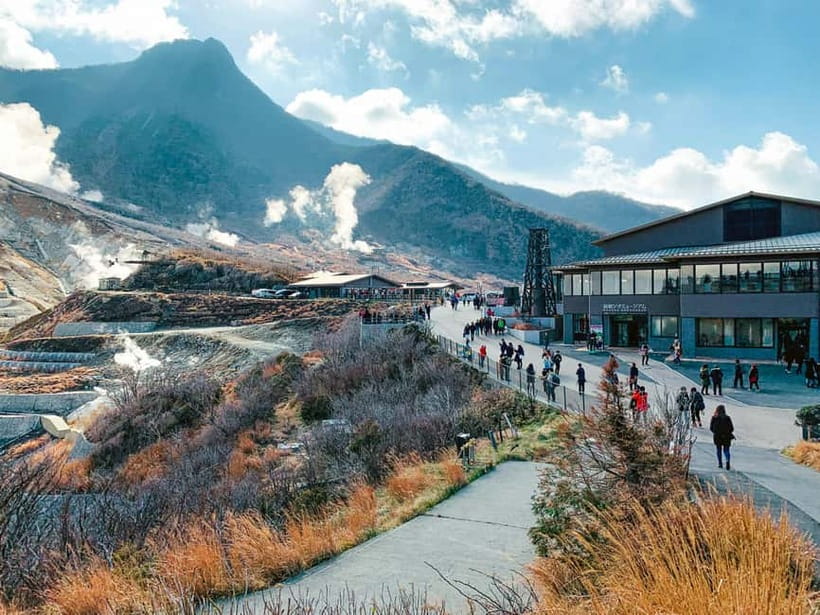
The final major stop is Owakudani, a volcanic area above Hakone. Here you have time for photos, sightseeing, and a self-guided visit. The route highlights the dramatic natural setting and the famous black onsen eggs, boiled in the area’s geothermal waters.
The eggs are a simple but memorable Hakone tradition. Local legend says that eating one adds seven years to your life. You can enjoy the story without treating it as a medical claim, of course. The food is part snack, part souvenir, and part reminder that Hakone’s volcanic activity shapes daily life here.
The plan gives you about an hour at Owakudani. That is enough for a focused visit, but your time may feel short if you want to explore every viewpoint, buy food, and take photos. The exact experience will also depend on transport timing and conditions at the site.
Owakudani is a strong finish because it feels different from the teahouse, old road, and lake cruise. The day moves from village food to historic travel, then water views and volcanic ground. You get variety rather than several versions of the same lookout.
How much does the $3.22 price really cover?
At $3.22 per group of one, this is an inexpensive purchase. The price is best understood as a planning aid. It does not cover the actual cost of getting around Hakone, admission tickets, meals, accommodation, or a personal guide.
That makes the value depend on how much help you want. If you already know Hakone’s transport system and are comfortable building your own route, you may find the PDF unnecessary. One buyer felt that the information could be found independently in Hakone, which is a fair criticism.
For many first-time visitors, the value is in reducing planning time. You receive a route, transport guidance, food suggestions, scenic stops, and general Japan travel advice in one place. At this price, the risk is small, provided you understand that the PDF is not a transport pass or escorted tour.
The plan also includes a $3 discount code for a Japan eSIM. That will not transform the cost of the day, but mobile data can be useful when checking directions, transport times, or messages. The code is included inside the PDF.
What the self-guided format is really like
You will not have a named guide, and no personal guide accompanies you. The supplier is Sunrise Adventure, but the activity is delivered through written instructions and advice rather than in-person commentary.
That is good news if you dislike fixed group schedules. You can take your time at Amazake Chaya, choose your own meal, or move through a stop quickly if clouds cover Mount Fuji. It is also useful for couples or solo visitors who want privacy.
The weakness is decision-making. You must read the directions, pay for each part, find the right platforms or stops, and watch your own time. If you want stories about the old Tokaido, explanations of volcanic activity, or help with local customs, this plan will not provide the same experience as a live guide.
The PDF is reported to be clear and easy to follow, and the supplier can answer questions by email. Still, you should allow one to three business days for a reply. Send questions before your travel date, not while standing at Shinjuku Station.
Timing, fitness, and weather
The route is listed as a one-day experience, with around an hour at Hakone, an hour at Amazake Chaya, 45 minutes on the old stone path, an hour at Lake Ashi, 30 minutes around the Mount Fuji viewing portion, and an hour at Owakudani. Those blocks do not remove the time needed for trains, buses, waiting, and transfers.
You should treat the schedule as a framework, not a guarantee. One useful improvement would be to check the closing time of each activity before leaving. Some places in Japan close early in the afternoon, and a late start could force you to skip a stop.
Weather is another major factor. Mount Fuji views are never guaranteed, even when the rest of the day is pleasant. The route remains worthwhile because it includes food, history, a boat ride, and volcanic scenery, but you should not pay for it expecting a certain mountain photograph.
The physical demands are moderate but real. The walk, stairs or uneven surfaces that may occur along the route, and long day from Tokyo make this a poor fit for anyone with the listed medical or mobility concerns. The supplied information specifically excludes people with back problems, respiratory issues, recent surgeries, low fitness, or mobility impairments.
Who should book this Hakone plan?
I would consider it for an independent visitor staying in Tokyo who wants Hakone structure without a group tour. It is particularly suitable if you like using public transport, choosing your own meals, and taking photos at your own speed.
It also works for someone who has limited time to research. The food suggestions and transport notes can make a complicated day feel more manageable, while the very low purchase price keeps the planning cost modest.
I would skip it if you want a guide beside you, detailed live commentary, or an all-inclusive price. I would also skip it if your main goal is a relaxed day with no clock. Hakone requires coordination, and this plan gives you a route, not a stress-free escort.
Should you book it?
Book this experience if you want a cheap, clearly organized starting point for a self-guided Hakone day from Shinjuku. Its strongest features are the practical PDF, the mix of Lake Ashi, Amazake Chaya, the old Tokaido path, and Owakudani, plus the freedom to set your own pace.
Do not book it expecting transport or food to be included. Check activity closing times, allow for the one to three business day email wait, start early, and accept that Mount Fuji may be hidden by cloud. With those limits understood, the $3.22 plan offers useful structure at very little cost.
FAQ
Where does the Hakone day trip start?
The first train leaves from Shinjuku Station in Shinjuku City. The provided meeting point coordinates are 35.6938253, 139.7033559.
What do I receive after booking?
You receive a PDF with detailed directions, explanations of where to go, food recommendations, general Japan travel tips, and a Japan eSIM discount code. Allow one to three business days for the email to arrive.
Are transportation and admission tickets included?
No. You pay separately for transportation, entry tickets, food, and any other personal expenses.
Is a personal guide included?
No. This is a self-guided experience. The PDF provides the route and advice, but no guide accompanies you.
What places are included in the route?
The route includes Moto Hakone, Amazake Chaya, the old Tokaido stone-paved path, Lake Ashi, a pirate-ship boat ride, Mount Fuji viewing points, and Owakudani.
Is the activity suitable for people with limited mobility?
The activity is not suitable for wheelchair users or people with mobility impairments. It is also not recommended for people with back problems, respiratory issues, recent surgeries, or a low level of fitness.
Just added around Japan
- Tokyo: Pre Japan Planning Kit: Itineraries, Food & Survival★ 4.9 · 18 reviews
- Tokyo: Sumo Keiko Training Tour with Audio Guide & Photo★ 4.8 · 5 reviews
- [Self-Drive] Tokyo & Daikoku Custom Car Driving Tour★ 4.9 · 25 reviews
- One Day Private Customized Self-Guided Tour in Kyoto★ 4.2 · 11 reviews
- One Day Private Customized Self-Guided Tour in Wakayama★ 3.5 · 4 reviews
- Kyoto/Osaka: Nara Customizable Self-Guided Tour with Driver★ 5.0 · 5 reviews
- Tokyo Drift Self Driving Private Lesson w/ OG Teacher Japan★ 5.0 · 15 reviews
- Mt. Fuji Drive Tour (Includes Visit to Local Speedway)★ 5.0 · 19 reviews
Tokyo Audio Tours, compared.
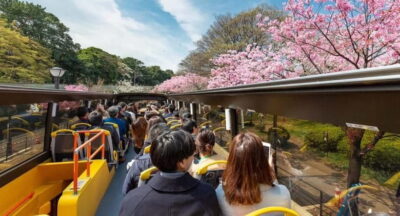
Tokyo: Open Top Panoramic Sightseeing Bus with Audio Guide
Read our review →
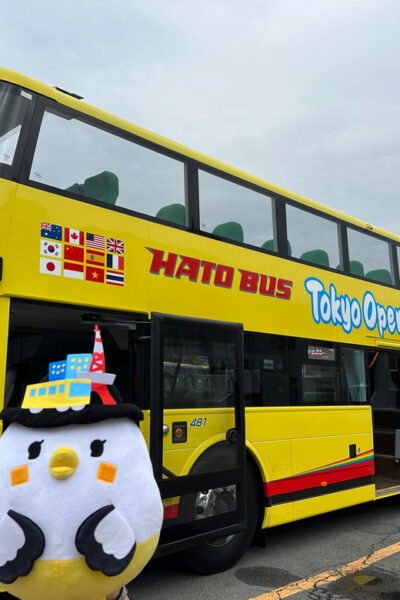
Tokyo: 60min Panoramic Open Top Bus Tour with Audio Guide
Read our review →
Private Drifting Lesson w/ OG Pro Instructor Tokyo Drift Japan
Read our review →
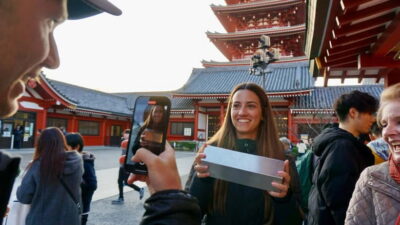
Tokyo: Pre Japan Planning Kit: Itineraries, Food & Survival
Read our review →
Akihabara: Self-Guided Tour with a special brochure
Read our review →
Tokyo: Sumo Keiko Training Tour with Audio Guide & Photo
Read our review →Browse the lists this tour appears in