
REVIEW · ROME AUDIO TOURS
Express Vatican & Sistine Pass with Audio Guide
The great appeal here is simple: you can save hours at one of Rome’s most crowded sights. At the $72 price, you receive priority entry to the Vatican Museums and Sistine Chapel, then make your own way through Greek and Roman sculpture, Raphael’s rooms, the Gallery of Maps, and Michelangelo’s famous ceiling.
I like the freedom to set your own pace and the choice of a morning or afternoon entry. I also like that the audio guide gives you some context without tying you to a long group tour. The catch is important: this is not a fully guided visit, and the Vatican can be so crowded that finding your way and stopping where you wish may prove difficult.
Key points to know before booking
- Priority entry saves valuable time: The regular Vatican queue can stretch far down the street, while the reserved entrance usually gets you inside much faster.
- You explore independently: Staff escort you to the entrance, but you do not have a professional guide leading you through the galleries.
- The Sistine Chapel comes near the end: Plan your energy carefully, since you will pass through a long sequence of rooms before reaching Michelangelo’s frescoes.
- The audio guide adds useful context: It is offered in 10 languages, but it may not solve every navigation problem inside the huge museum complex.
- Crowds shape the experience: Even with priority entry, the galleries can feel packed, especially at popular times.
- Arrive exactly on time: Your ticket is valid for the date and entry time on the voucher, and late arrival can create serious problems.
What the $72 price really buys you
At $72, this experience is mainly a time-saving ticket with an audio guide, not a traditional tour. That distinction matters. You are paying for access to one of Rome’s hardest attractions to enter efficiently, plus help getting through the initial process.
The regular Vatican queue can consume a large part of your day. A reserved ticket is especially useful during busy seasons, when the line may extend well down the road. Several people found the time savings alone worthwhile, with entry taking roughly half an hour in one account while the standard queue appeared to stretch for hours.
You should not expect a guide to explain every room, lead you to hidden details, or answer questions as you walk. Gray Line staff meet you outside, check your voucher, and escort you to the museum entrance. After that, you are on your own with the ticket and audio guide.
That makes the price easier to justify for an independent visitor who wants flexibility. It is less attractive if you want a clear route, detailed art commentary, or help understanding why each room matters. A fully guided visit costs more, but it can make this enormous collection easier to manage.
More Vatican and Sistine Chapel Audio Tours in Rome:
- Vatican & Sistine Chapel Ticket with Optional Audio Guide
★ 4.1 · 5,405 reviews - Vatican Full access: St.Peter’s Basilica, Dome, Tombs+Audio
★ 3.6 · 414 reviews - Rome: St Peter’s Basilica and Papal Tombs Audio Guide
★ 3.5 · 361 reviews
Meeting near Piazza del Risorgimento
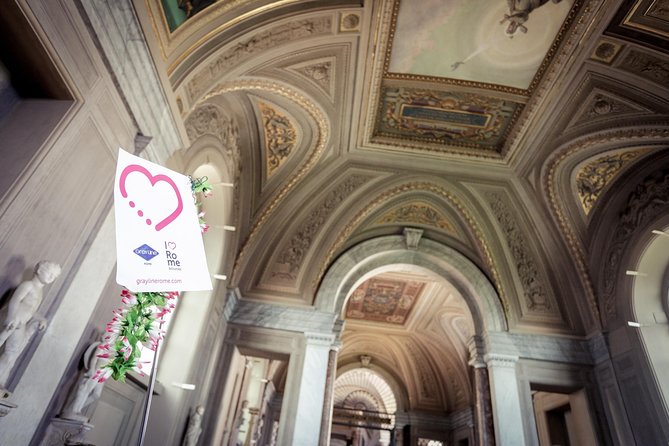
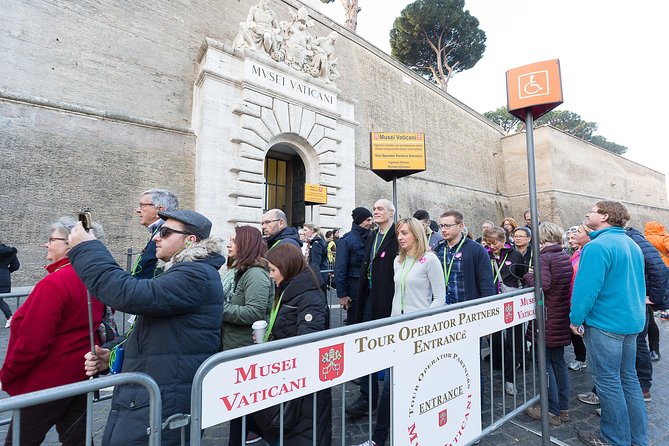
Your starting point is Piazza del Risorgimento, a practical location near the Vatican Museums and public transportation. Look for Gray Line Rome staff wearing the pink logo. The meeting point is easy to reach by taxi or Metro, but allow extra time to find the correct spot.
The square can be untidy and crowded, with sellers offering water, selfie sticks, and small souvenirs. A firm no usually ends the conversation, but do not expect a calm, quiet place to wait. The most serious issue is punctuality. One poor experience involved the staff arriving at the stated meeting time, then taking time to check everyone in and walk the group to the entrance.
I would arrive at least 15 minutes early, with your voucher open and your passport or valid ID ready. Do not treat the printed entry time as a loose suggestion. Your ticket is tied to a specific date and time, and missing the pickup window may leave you without a workable backup.
This is also where the experience can be difficult for anyone who walks slowly. The staff may move quickly toward the entrance, and a person with limited mobility could find the pace uncomfortable. Tell the staff clearly if you need more time.
Priority entry into the Vatican Museums
Once you reach the museum, the staff help you exchange your voucher for the official entrance ticket and audio guide. The useful part is getting past the standard ticket line. Priority access does not mean you walk straight into the galleries with no waiting, though. Security, ticket checks, and the group escort still take time.
The difference is that you avoid the worst public queue. That can be a major gain in Rome, where a long wait outdoors can drain your energy before you see a single painting. The entrance itself is often the best reason to choose this option.
Do not confuse skip the line with private access. Once inside, you join the same busy museum routes as everyone else. The audio guide helps explain major works, but the flow of people may determine where you can stop. At packed points, you may need to keep moving instead of studying a statue or painting for as long as you hoped.
The long route through the museum

The main route takes around three hours before you reach the Sistine Chapel, followed by about 30 minutes in the chapel itself. The complex contains several collections, so the experience is not just a quick walk to Michelangelo’s ceiling.
You can encounter classical sculpture, Etruscan objects, Egyptian artifacts, paintings, modern religious art, decorative galleries, and rooms used by popes. The scale is both the attraction and the problem. You get an astonishing concentration of art, but the sheer number of rooms can make the visit tiring.
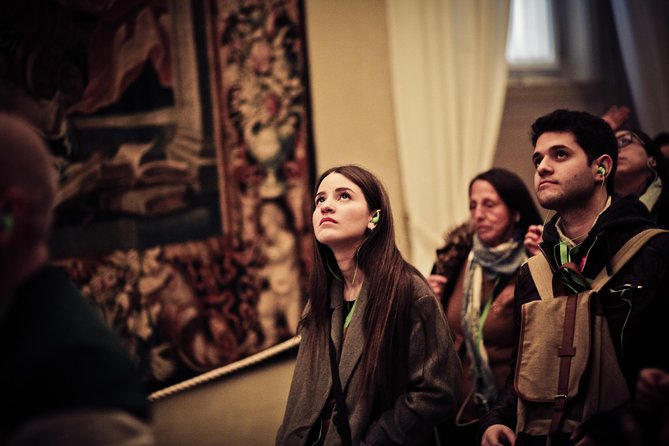
The audio guide gives you a way to choose what deserves your attention. I suggest you do not try to listen to every entry. Pick the pieces and rooms you most want to understand, then keep moving when the crowd makes lingering unpleasant.
More Audio Tours in Rome:
- Rome: Colosseum & Forum with Audio Guide App -Optional Arena
★ 4.2 · 24,770 reviews - Rome: City Sightseeing Hop-on Hop-off Bus with Audioguide
★ 4.0 · 16,045 reviews - Rome: St. Peter’s Basilica & Dome Entry Ticket & Audio Tour
★ 4.2 · 7,537 reviews - Colosseum, Roman Forum & Palatine Hill with Audioguide App
★ 4.4 · 6,291 reviews
Greek and Roman sculpture
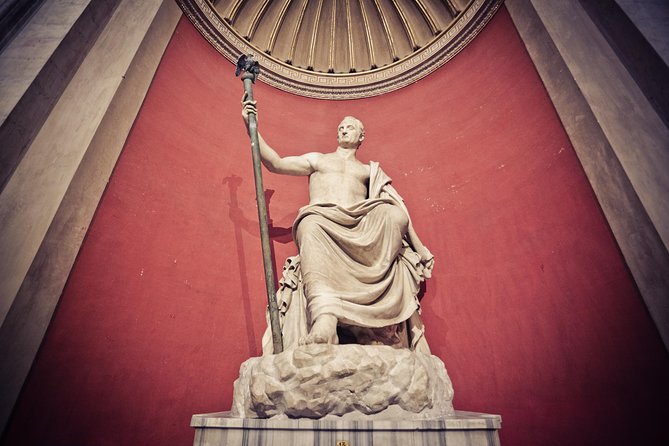
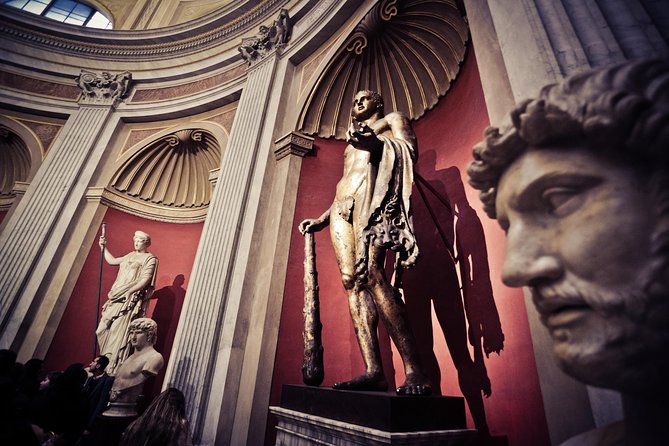
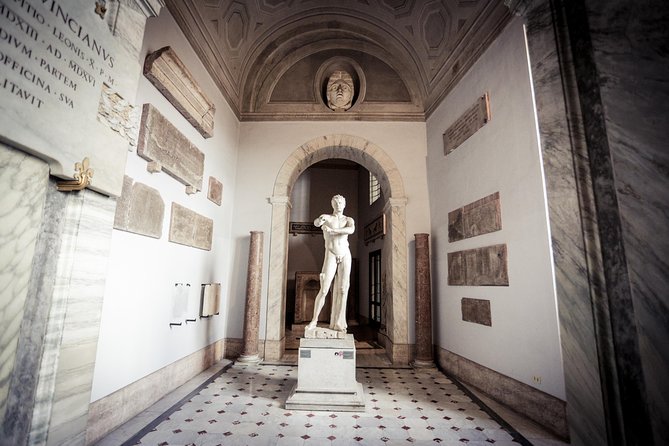
The first major collections include Greek and Roman statues. These works provide the visual foundation for much of the Vatican’s art, and the marble figures are among the museum’s most memorable objects.
Look carefully at the way the museum displays the sculptures. You will see idealized bodies, gods, heroes, and portraits that shaped later Renaissance artists. The audio guide can help you recognize the most important pieces, which is useful when several galleries begin to blur together.
This section can be difficult to enjoy at a busy hour. You might find yourself moving with a steady stream of people, with little space to step aside. If you have a particular statue in mind, note its location early and return only if the crowd allows it.
Etruscan and Egyptian collections
The Etruscan rooms offer a change from classical marble. You can see objects connected with an earlier Italian culture, while the Egyptian collection includes artifacts and mummies that broaden the museum experience beyond Renaissance painting.
These galleries are valuable because they show how wide the Vatican’s holdings are. You are not visiting a single art gallery. You are moving through collections that cover different civilizations, materials, and periods.
The drawback is that visitors focused only on Michelangelo may feel these rooms slow the route. I would give them at least a short look, especially if you have already seen plenty of Renaissance art elsewhere in Rome.
Vatican Pinacoteca
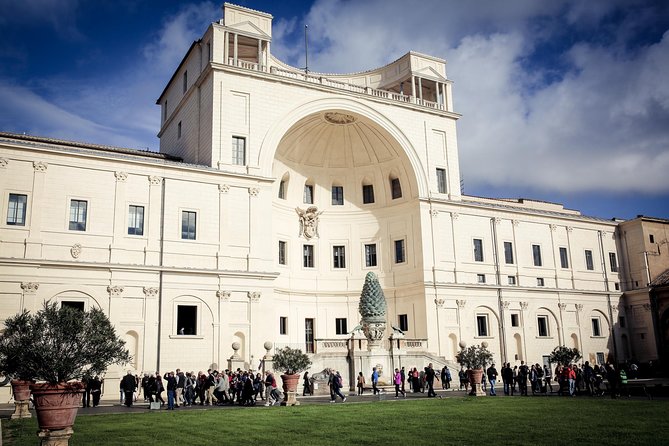
The Vatican Pinacoteca is the museum’s painting gallery, built for Pope Pius XI by architect Luca Beltrami. It includes works associated with artists such as Caravaggio, Raphael, Pietro Lorenzetti, Fra Angelico, Titian, Leonardo da Vinci, and Michelangelo.
This is one of the strongest sections for anyone who prefers paintings to sculpture. You can see how religious art changed across centuries, from early devotional work to the more dramatic compositions of the Renaissance and later periods.
The gallery also offers a quieter visual break from the long decorative corridors, though crowds remain possible. Use the audio guide selectively here. A few well-chosen explanations can give the paintings much more meaning than a rushed attempt to cover every label.
Modern religious art
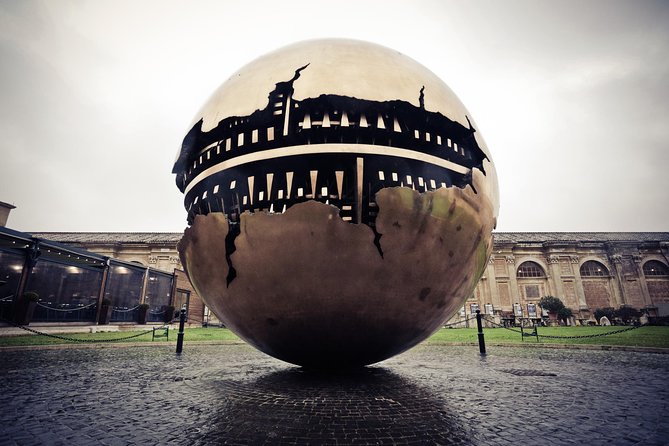
The modern religious art collection may surprise you. It includes works connected with artists such as Pablo Picasso and Salvador Dalí, showing that Vatican art is not limited to ancient objects and Renaissance masters.
This section is a useful change of mood. After repeated images of saints, Mary, Christ, and angels, modern works can feel less predictable. One criticism of the museum experience is that the repeated religious subjects become tiring, especially for anyone who does not already enjoy church art. The modern collection helps break up that pattern.
Raphael’s Rooms and the papal apartments
The Stanze di Raffaello, or Raphael Rooms, were part of the private papal apartments associated with Pope Julius II. Raphael and his workshop decorated these rooms with frescoes that are among the great achievements of Renaissance painting.
Give yourself time here if the crowd permits. The rooms are not just decorated halls. Their frescoes use architecture, figures, and gestures to tell complex religious and philosophical stories. The audio guide can help you see how Raphael organized each wall and why particular figures matter.
These rooms appear close to the end of the usual route, before the Sistine Chapel. By then, you may already be tired, so it helps to pace yourself earlier. The Vatican rewards attention, but it does not reward trying to absorb every object in one burst.
The Gallery of Maps and Gallery of Chandeliers
The Gallery of Maps is one of the most striking corridors in the museum. Early cartographers created large painted maps of Italy, giving you a sense of how geography was understood before modern surveying.
It is tempting to hurry through because the corridor is part of the required route, but look up and along the walls. The maps are decorative as well as informative, and they offer a welcome change from sculpture and religious painting.
The Gallery of Chandeliers brings another shift in style. Its ornate decoration and large chandeliers create a strong visual effect, though the narrow route can make stopping difficult. If the crowd is dense, keep moving and appreciate the details as you go rather than fighting the flow.
Arriving at the Sistine Chapel
The Sistine Chapel is the emotional high point for most people. Michelangelo’s ceiling frescoes and the Last Judgment behind the altar are the works everyone has come to see.
The chapel is also a sacred place, not simply an art gallery. Keep your voice low and follow the rules about photography and conduct. The scale of the paintings can be hard to grasp from reproductions, so look beyond the famous central scenes and notice the many figures, architectural effects, and smaller panels surrounding them.
You should know that the chapel is reached after a long museum route. By the time you arrive, your feet may hurt and the crowds may be intense. The chapel may not feel peaceful or private, and you may have limited freedom to stop exactly where you want.
If the Sistine Chapel is closed because of religious ceremonies or circumstances outside the operator’s control, there is no partial refund. That is an important risk to accept before booking.
Managing the crowds and your energy
The biggest weakness is not the ticketing system. It is the crowd inside the museum. Even in October, the galleries can feel packed. Large guided groups often pause in the narrowest places, adding to the congestion.
An afternoon entry around 12:30 may feel easier than an 11 a.m. start, based on the timing advice attached to this experience. That is not a guarantee of light crowds, but it may help you avoid one of the busiest morning waves.
I would also avoid planning another demanding attraction immediately afterward. The visit is listed as about four hours, but the official route can be tiring even when you move quickly. Wear modest, comfortable clothing and shoes. Sleeveless tops, short shorts, miniskirts, and hats are not allowed because the museums are a religious site.
There are restrooms and a restaurant inside, which helps if you need a break. You cannot count on every gallery offering room to sit, so use the facilities when you find them.
Who should choose this experience
I would recommend this option for an independent visitor who wants to avoid the outdoor queue and does not want to spend several hours tied to a live guide. It also suits families with older children or teenagers who prefer to see the main sights without following a fixed commentary.
The flexibility is useful for people with a busy Rome schedule. You choose morning or afternoon entry and can stay inside as long as you like on the day of admission. The audio guide gives you enough direction to make the major collections more meaningful.
I would choose a fully guided visit instead if this is your first serious art museum experience, if you want help navigating, or if you need someone to point out the most important details. The Vatican has many museums within one complex, and an audio device cannot always tell you where to go next when the crowd blocks the route.
Booking, identification, and cancellation
Bring your passport or valid ID card. It is mandatory for entry, and a photo or copy may not be enough.
Free cancellation applies if you cancel at least 24 hours before the scheduled start time. Changes or cancellations made inside that window are not accepted, and the amount paid is not refunded. This makes early planning sensible, but you should not book a time that conflicts with a papal audience or another fixed appointment.
Should you book this Vatican pass?
Book it if saving time at the entrance is your top concern and you are comfortable exploring without a live guide. The priority entry can protect several hours of your Rome schedule, and the audio guide gives you a reasonable framework for the enormous collection.
Do not book it expecting a guided tour, a quiet Sistine Chapel, or a carefully managed route through every masterpiece. At $72, the value depends on how much you dislike queues and how confidently you can manage a crowded museum on your own.
For many independent visitors, the ticket is worth it for the entrance alone. Just arrive early at Piazza del Risorgimento, bring identification, dress properly, and accept that the Vatican’s crowds remain inside after the queue disappears.
FAQ
How long does the experience take?
The advertised duration is approximately four hours. The route includes about three hours in the Vatican Museums and about 30 minutes in the Sistine Chapel, though your total time may vary.
Is this a guided tour?
No. This is an independent visit with priority entry and an audio guide. Staff escort you to the museum entrance, then you explore on your own.
Where do I meet the staff?
You meet Gray Line Rome staff at Piazza del Risorgimento. Look for people wearing the Gray Line Rome pink logo.
What does the audio guide include?
The experience includes an audio guide in 10 languages. Audio guides are also available for rent in the Vatican Museums lobby.
Can I stay inside as long as I want?
Yes. Once admitted, you can spend as much time as you like inside the museums on the date of your visit.
Does the ticket include the Sistine Chapel?
Yes. Priority entry includes the Vatican Museums and the Sistine Chapel.
Do I need to bring identification?
Yes. You must bring your passport or a valid ID card on the day of the visit.
What should I wear?
Wear modest clothing. Sleeveless tops, miniskirts, shorts, and hats are not permitted inside the Vatican Museums.
What happens if the Sistine Chapel is closed?
The chapel may be inaccessible because of religious ceremonies or other circumstances outside the operator’s control. If that happens, no partial refund is provided.
Just added around Rome
- Rome: St. Peter’s Basilica and Dome Entry + Audio Guide★ 4.5 · 13 reviews
- St. Peter’s Basilica: Hosted Entrance & Digital Audioguide★ 4.1 · 35 reviews
- Sorrento & Pompeii Day Trip from Rome Audio Guide Tour★ 4.2 · 50 reviews
- Rome:Ostia Antica Skip-the-line Ticket & Audioguide★ 4.3 · 11 reviews
- Rome+Jubilee Audioguide – TravelMate app for your smartphone★ 4.2 · 38 reviews
- Rome:St. Peter’s Basilica Hosted Entry + Official Audioguide★ 3.4 · 10 reviews
- Colosseum, Roman Forum, Palatine Hill access and AudioGuide★ 4.7 · 12 reviews
- Rome: St. Peter’s Basilica Entry Ticket and AudioGuide★ 4.4 · 57 reviews
Rome Audio Tours, compared.
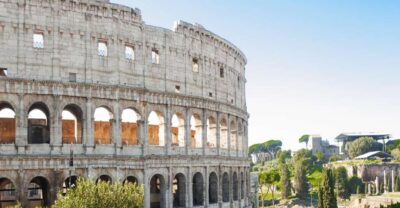
Rome: Colosseum & Forum with Audio Guide App -Optional Arena
Read our review →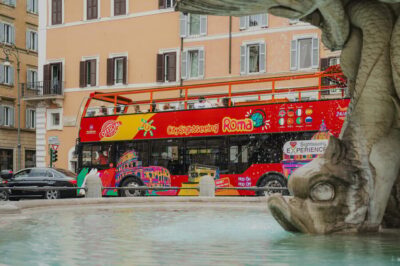
Rome: City Sightseeing Hop-on Hop-off Bus with Audioguide
Read our review →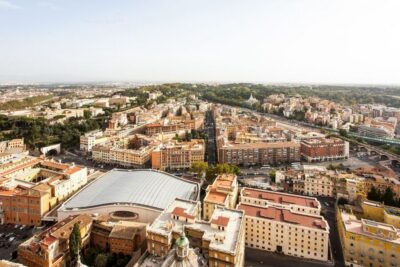
Rome: St. Peter’s Basilica & Dome Entry Ticket & Audio Tour
Read our review →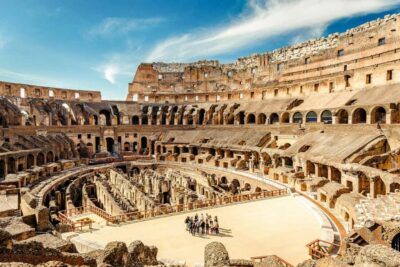
Colosseum, Roman Forum & Palatine Hill with Audioguide App
Read our review →
Vatican & Sistine Chapel Ticket with Optional Audio Guide
Read our review →
Rome: Castel Sant’Angelo Entry Ticket & Digital Audioguide
Read our review →
Rome: Pantheon Priority Entry Ticket & Interactive App
Read our review →
Rome: Castel Sant’Angelo Entry Ticket & Audio App
Read our review →Browse the lists this tour appears in