

REVIEW · USA AUDIO TOURS
Big Island Hawaii Self-Guided Driving Tour
The most useful thing about this Big Island tour is its freedom. You drive your own car, skip places that do not interest you, and stop for as long as you like while the Action’s Tour Guide app supplies directions and audio stories. There is no bus, group schedule, or guide waiting for you.
I like the one-price-per-car setup, which costs $16.99 for up to four people, and I like the strong sense of place in the narration, from tsunami history in Hilo to coffee country and volcanic roads. The main caution is time: the advertised two to three hours does not match the full route, which covers more than 300 miles and can take six to eight hours, or longer with stops.
Key points to know
- More than 300 miles: The route links Hilo, the Hamakua Coast, Kohala, Kona, South Kona, Punaluʻu, and Hawaii Volcanoes National Park.
- Over 210 audio stories: Expect history, cultural background, directions, fun facts, and practical tips as you drive.
- Offline use matters: Download the tour on strong Wi-Fi or cellular service before setting out.
- Plan for a full day or several shorter outings: You can pause the tour, revisit it, and use it on multiple trips.
- The app needs care at the start: Choose the correct version and starting direction, then keep your phone’s GPS active.
- Best value for a rental car: At $16.99 per group, it costs far less than a private or bus excursion.
A private guide for the Big Island’s long roads
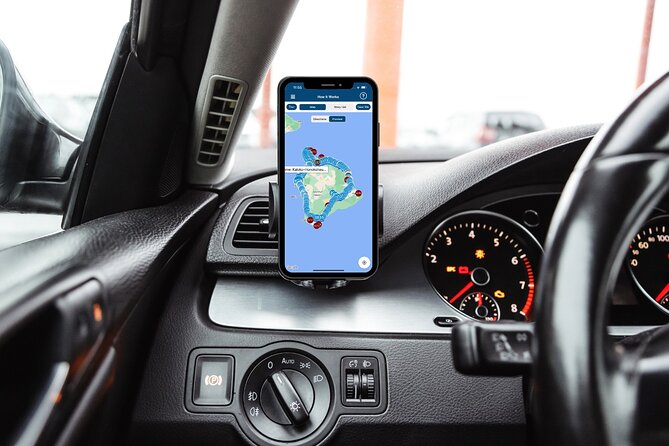
The Big Island is too large for a quick drive-by tour. Hilo and Kona feel like different worlds, and the road from one side to the other passes waterfalls, lava fields, beaches, ranch country, coffee farms, historic villages, and the island’s active volcanoes.
This self-guided tour tries to connect those places with a running audio program. You are not buying admission to attractions, meals, parking, or guided walks. You are buying the route, narration, location-triggered stories, and the freedom to shape the day.
That difference matters. If you want someone else to drive, organize stops, and keep you on a fixed schedule, book a traditional excursion instead. If you already plan to rent a car, this gives the drive a purpose and helps explain what you are seeing beyond the windshield.
The narrator’s voice is clear and professional, and the material covers more than simple directions. You hear about Hawaiian culture, royal history, cowboys, volcanic activity, tsunamis, waterfalls, coffee, and the island’s changing weather. Some audio focuses more on background than on the exact view beside you, but that can make long stretches of highway more interesting.
More Self-Guided Driving Tours in the USA
- Gettysburg Battlefield Self-Guided Driving Audio Tour
★ 4.5 · 910 reviews - Joshua Tree National Park Self-Guided Driving Audio Tour
★ 4.5 · 762 reviews - Ultimate Acadia National Park Self-Guided Driving Audio Tour
★ 4.0 · 521 reviews
$16.99 for a car is the real value
At $16.99 for up to four people, the price is hard to criticize if you are already paying for a rental car. A family of four pays roughly $4.25 per person, and a couple pays less than the cost of many paid attractions.
The bigger value is flexibility. You can pass a stop, pull over for photos, pause for lunch, or stop the tour for the night. You can also use the purchase on another trip, since the tour is described as lifetime access with no expiry.
That low price does not mean the tour replaces a park entrance or a local guide. Hawaii Volcanoes National Park, botanical gardens, and other attractions may charge their own fees. Reservations and attraction tickets are not included, so check each place before you leave.
Free cancellation is available if you cancel at least 24 hours before the scheduled start time. Inside that window, the payment is not refunded.
Start in Hilo and follow the Hamakua Coast
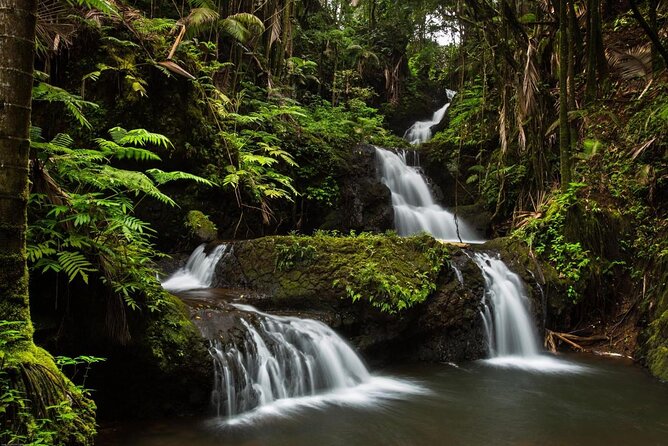
The route begins around Hilo, the wet, green side of the island. Hilo is a good starting point because the town leads toward waterfalls, botanical gardens, historic railway sites, and the Hamakua Coast.
You hear about Rainbow Falls and the nearby Boiling Pots, where water moves around basalt rock formations. These are quick stops, but they introduce the island’s volcanic foundation and Hilo’s heavy rainfall.
A stop at 203 Kilauea Avenue features a steel road surface that makes a singing sound beneath passing tires. It is a small detail, but this is the kind of odd roadside feature that is easy to miss when you drive without context.
The route also points you toward a quiet place to sit, a surf spot near downtown Hilo, and a short trail near Pepeekeo. The surf beach has limited parking, stairs, rocky footing, and currents that make it better for watching experienced surfers than for casual swimming.
The Hawaii Tropical Bioreserve and Garden is one of the more worthwhile paid diversions in this section. It is a nonprofit botanical garden and nature preserve, so allow extra time if plants and wet tropical scenery interest you.
Farther along, Sugar Mill Road brings you to a small waterfall, followed by Kolekole Beach Park. These stops help break up the highway drive, but do not assume every location has restrooms, food, or easy parking. Carry snacks and water.
Waterfalls, railways, and the memory of a tsunami
At World Botanical Gardens and Waterfalls, north of Hilo, the tour describes a commercial botanical garden with a large waterfall. The area can be wet, and paved or boardwalk surfaces may become slick. A light jacket or rain gear and shoes with good grip are sensible choices.
The Laupahoehoe Train Museum explains the old railroad system and the social and economic role of rail travel in North Hilo and Hamakua. This adds useful context to the road, which can otherwise feel like a string of viewpoints with no connection between them.
Laupahoehoe Point carries a darker story. In 1946, a tsunami from an Aleutian Islands earthquake struck the Big Island. About 160 people on the island died, including 20 students and four teachers at Laupahoehoe. The memorial here gives the coast a human meaning that a scenic overlook alone cannot provide.
This section is one reason I prefer an audio tour to a silent map. The road itself is beautiful, but the stories explain why a small point, railway museum, or unusual road feature deserves your attention.
Same place, a different route to walk:
- Fort Sumter Admission and Self-Guided Tour with Roundtrip Ferry
★ 4.5 · 3,343 reviews - San Francisco: Alcatraz Ticket, Ferry, & Self-Guided App
★ 4.5 · 2,460 reviews - Los Angeles: Hop-On Hop-Off Bus Tour with Audio Guide
★ 3.7 · 2,030 reviews - City Sightseeing Hop-On Hop-Off Bus Tour with Audio Guide
★ 3.0 · 1,083 reviews
Kohala Coast and Hapuna Beach
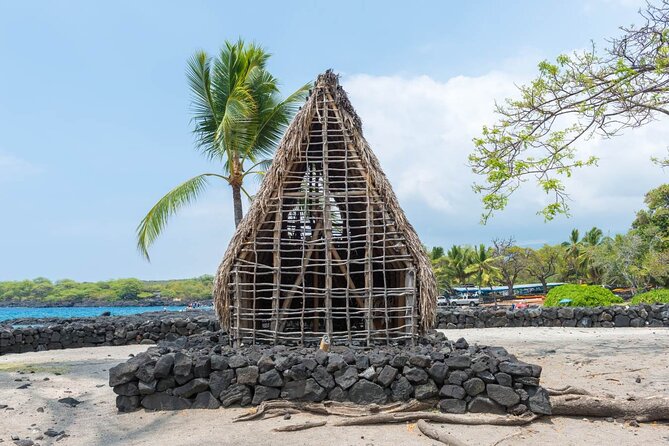
As you head north and then toward the Kohala Coast, the surroundings become drier. Near the airport, rugged lava fields contrast with the resort zone hidden beyond Queen Kaahumanu Highway.
The tour includes the Kohala Coast, Anna Ranch Heritage Center in Waimea, and Hapuna Beach. Anna Ranch preserves the story of a former cattle ranch named for Anna Leialoha Lindsey Perry-Fiske. It is a useful reminder that the Big Island is not only beaches and volcanoes. Ranching remains part of the island’s character.
Hapuna is the major beach stop in this section. It is the island’s largest white sand beach and has received repeated international praise. You will need to decide how much time to give it. Five minutes is enough for a look, but not enough for a proper beach break.
A longer trail near Waikoloa Village is included, along with a scenic lookout for ocean views, sunsets, and passing whales. These are optional additions, not quick roadside stops. If you hike or wait for sunset, the full circuit becomes much longer than the basic driving time.
Waikoloa, lava coast, and Kona’s historic sites
Waikoloa Beach is separate from Waikoloa Village, a distinction worth noting when you use a phone map. The tour then continues toward Kīholo Bay, Kekaha Kai State Park, and Kaloko-Honokōhau National Historical Park.
Kīholo Bay is framed by old lava flows from Hualālai and Mauna Loa. Kekaha Kai includes several beach areas, including Maniniʻowali Bay, Makalawena, and Mahaiʻula Bay. Access and road conditions can vary, so treat these as planned side trips rather than guaranteed quick stops.
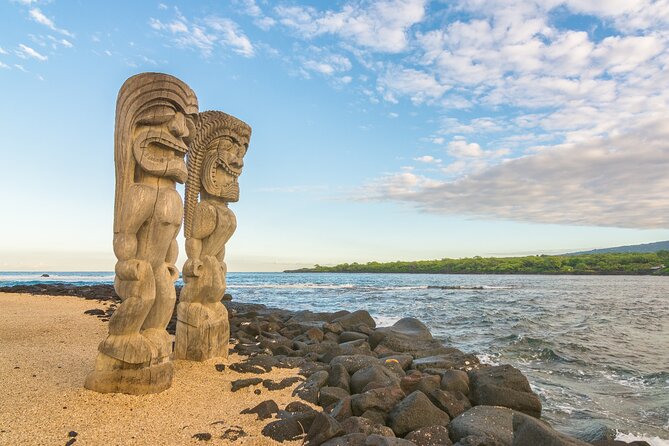
Kaloko-Honokōhau is especially valuable if you want to understand Hawaiian settlement and coastal life. The national historical park includes the Honokōhau Settlement, an archaeological site with cultural importance.
Kailua-Kona follows, with a public park offering a white sand beach, rocky shore, swimming, and surfing. A smaller beach and reef nearby usually has calmer water and is popular for snorkeling.
The tour also points out the Kuamoʻo Burials, where warriors killed in a major 1819 battle were buried. This is a place for respectful viewing, not casual exploration. The route then leads through Captain Cook, South Kona, and toward Puʻuhonua o Hōnaunau National Historical Park.
Puʻuhonua o Hōnaunau is one of the route’s strongest cultural stops. Give it time if you can. The audio can provide context, but it cannot replace the value of walking through the site at your own pace.
Coffee country and the road toward the volcano

South Kona is known for Kona coffee, grown on the slopes of Hualālai and Mauna Loa. The coffee stop is more than a shopping suggestion. It helps explain why the dry western slopes support a product that has become one of the world’s most expensive coffees.
The tour follows sections of the Hawaii Belt Road, the modern name for routes 11, 19, and 190 around the island. Road names can be confusing, and some drivers found that spoken road names did not always match the signs exactly. Keep the app map open and pay attention to the actual road.
At 87 Hawaiʻi Belt Road, Pebble Beach is made of black pebbles rather than sand. It looks like a black sand beach from a distance, but the footing and shore are different.
The route also includes old lava caves and tube systems once used by Native Hawaiians for shelter and water collection. These are reminders that volcanic rock shaped daily life, not just scenery.
Punaluʻu and Hawaii Volcanoes National Park
Punaluʻu Beach is one of the most memorable stops because its black sand formed when lava entered the ocean, exploded, and cooled into basalt fragments. This is a place where the island’s geology is easy to see with your own eyes.
The route also mentions HI-SEAS, a Mars and Moon simulation site on Mauna Loa. It is an unusual modern footnote in a drive otherwise filled with ancient lava, old settlements, and plantation-era stories.
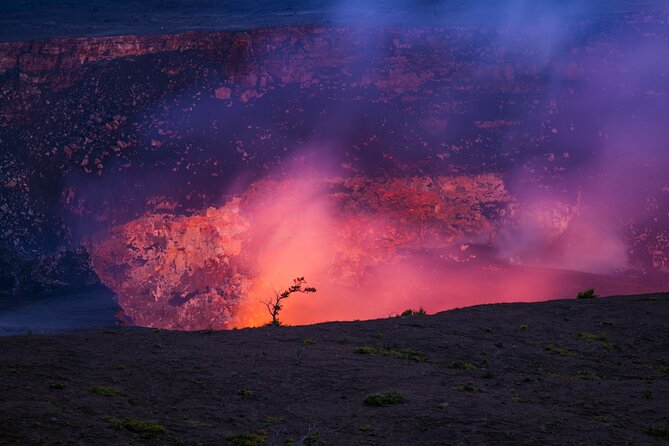
The final major stop is Hawaii Volcanoes National Park. Kīlauea and Mauna Loa are the park’s central forces, and the road system includes crater views, steam vents, rainforest, lava fields, the Thurston Lava Tube, and Chain of Craters Road.
Take care here: the tour’s route into the park may not be the same as the main park entrance or the most direct way to the main visitor areas. Check the park road situation before committing to a long detour. One useful feature of this app is that you can listen to its narration later, even if weather, road closures, or time prevent you from reaching every stop.
The park deserves more than a rushed drive. If it is the main reason for your day, start early and treat the rest of the route as optional. The volcano area is often the highlight, but it can also be the point where an ambitious full-island plan runs out of daylight.
How the app works, and where it can go wrong
After booking, you receive setup instructions and a password by email and text. Search for the audio tour message, download the separate Action’s Tour Guide app, and download the route while you have strong Wi-Fi or cellular service.
Once you arrive at the chosen starting point, the first story should begin through your phone’s GPS. As you drive, the next stories play automatically. You can connect the phone to the car stereo by Bluetooth, USB, or AUX.
Apple CarPlay supports audio playback, but the map may not appear on the car’s built-in navigation screen. Android Auto can also create problems, and some drivers found they needed a second person to watch the phone and help with directions.
My advice is simple:
- Take a screenshot or photo of your password.
- Choose the correct tour version and direction.
- Keep your phone’s GPS active.
- Match the app map with your road signs.
- Download everything before leaving Wi-Fi.
- Let the driver focus on driving, and have a passenger handle the app.
- Contact support if the audio freezes or starts from the wrong point.
The app can catch up after a detour, but it is not a replacement for normal road awareness. Windy roads, unfamiliar signs, and long distances call for patience.
How long should you plan?
The short duration shown for the experience is misleading if you read it as the full island circuit. The detailed route covers more than 300 miles, includes over 210 audio stories, and is described elsewhere as seven to eight hours. With walks, beaches, meals, photos, and park stops, you can easily need a full day or several days.
Several users completed only part of the route before turning back. That is not a failure. It is the sensible way to use a flexible tour on a very large island.
You can begin at 6:00 AM and use the tour during the stated operating hours until 9:00 PM. Still, do not plan to finish after dark on unfamiliar roads. The island has long stretches with few services, and the cross-island roads may be dark.
Who should book this tour?
I would choose it for families, couples, and small groups renting a car. It is also a good fit if you dislike bus tours, get motion sick, want to stop often, or have different interests within your group.
It works especially well for a first Big Island visit when you want a broad orientation. The narration turns long drives into learning time, and the price lets you explore without committing hundreds of dollars to a private excursion.
I would not choose it if you expect a live guide, perfect turn-by-turn navigation, a short two-hour activity, or a carefully timed list of every attraction. The app has had occasional freezing, starting-point, and connection problems, and you need to manage the route yourself.
Should you book the Big Island audio tour?
Book it if you have a rental car and want useful stories, flexible stops, and a very low-cost way to add structure to a huge island. At $16.99 for a group, the value is excellent, especially when you use it over multiple days.
Go in with realistic expectations. Download it early, plan the route in sections, bring food and rain gear, and reserve enough time for Hawaii Volcanoes National Park. Used that way, this tour is a smart companion for independent driving, not a substitute for careful planning.
FAQ
How much does the Big Island Hawaii Self-Guided Driving Tour cost?
It costs $16.99 per group of up to four people. You pay once for the car rather than buying a separate ticket for each person.
How long does the tour take?
The listed duration is about two to three hours, but the full route is more than 300 miles and includes over 210 audio stories. Plan closer to six to eight hours for a major portion or the full circuit, and longer if you stop often.
Does the tour include attraction admission?
No. Park entry, attraction tickets, reservations, and other admission costs are not included.
Does the tour work without cell service?
Yes, after you download it properly. You must download the tour while you have strong Wi-Fi or cellular service, then use the offline maps and GPS on the road.
Where does the tour go?
The route includes Hilo, the Hamakua Coast, Kohala, Hapuna Beach, Waikoloa, Kailua-Kona, South Kona, Honaunau, Punaluʻu Beach, and Hawaii Volcanoes National Park.
Can I stop and restart the tour?
Yes. You can pause it, take breaks, skip stops, and continue later. The tour can also be used over multiple days and on future trips.
What phone or vehicle connections are supported?
The tour works with iPhones running iOS 15 or later, Android devices running version 9 or later, and GPS-enabled iPads or tablets with cellular connectivity. You can connect audio through Bluetooth, USB, or AUX. Audio playback works with Apple CarPlay, though the map may not display on the car screen.
What happens if the app does not work?
The provider advises contacting support if you have audio problems. First check that the tour was fully downloaded, the correct version was selected, GPS is active, and the phone is connected properly to the car stereo.
Just added around the USA
- Smartphone-Guided Walking Tour of Downtown Indianapolis Sights & Stories★ 4.0 · 25 reviews
- Springfield Self-Guided Walking Audio Tour★ 4.0 · 5 reviews
- Smartphone Guided Indianapolis Downtown Sites Audio Walking Tour★ 4.5 · 7 reviews
- Indiana Dunes National Park Self-Guided Audio Tour★ 3.5 · 4 reviews
- Self-Guided Audio Driving Tour in Kancamagus Highway★ 4.5 · 6 reviews
- An Epic Scavenger Hunt: Bloomington Scenic Southern Indiana★ 3.5 · 6 reviews
- Huntsville Rocket City Smart Phone Self Guided Audio (GPS/APP) Walking Tour★ 4.5 · 5 reviews
- Sights of Downtown Houston Smartphone Audio Walking Tour★ 4.0 · 7 reviews
USA Audio Tours, compared.
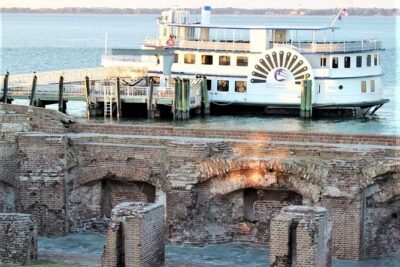
Fort Sumter Admission and Self-Guided Tour with Roundtrip Ferry
Read our review →
San Francisco: Alcatraz Ticket, Ferry, & Self-Guided App
Read our review →
Los Angeles: Hop-On Hop-Off Bus Tour with Audio Guide
Read our review →
City Sightseeing Hop-On Hop-Off Bus Tour with Audio Guide
Read our review →
Medieval Torture Museum Ticket with Audio Guide and Ghost Hunting
Read our review →

Ryman Auditorium Self-Guided Tour with Souvenir Photo Onstage
Read our review →
Red Rock Canyon Self-Guided Electric Bike Tour
Read our review →Browse the lists this tour appears in