
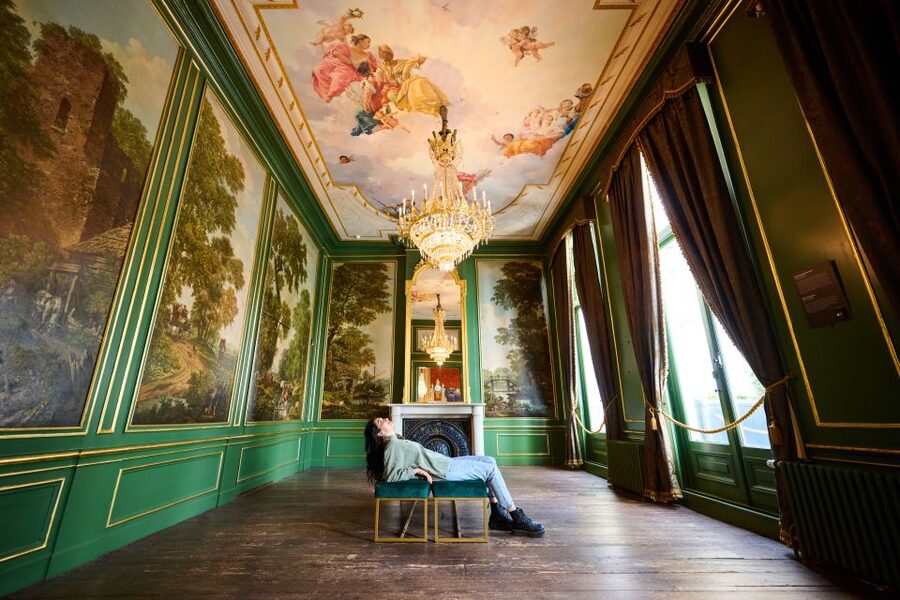
REVIEW · AMSTERDAM AUDIO TOURS
Amsterdam: Museum of the Canals Ticket with Audio Guide
Amsterdam’s canal story begins indoors, inside a handsome 17th-century canal house on the Herengracht. This is more than a quick look at pretty waterways. The museum explains why Amsterdam built its canals, how they shaped movement and trade, and why they still matter today.
I like the classical period rooms, which give the subject a real sense of place. I also like the chance to connect the canals you see outside with the decisions that formed the city. The main drawback is that the multimedia presentation can feel dated, so the $22 price may seem high if you want a cutting-edge museum show.
Key points to know before you go
- The setting is part of the experience: You visit a genuine 17th-century canal house on the Herengracht, not a modern museum box.
- The subject is Amsterdam itself: The exhibition explains the canals as transport routes, city-planning projects, and working parts of daily life.
- Classical rooms add atmosphere: Period interiors make the canal-house setting more memorable than a simple gallery visit.
- The ticket covers more than one display: You get the permanent canal exhibition plus any temporary exhibition on view.
- Audio help is widely available: The audio guide is offered in Dutch, English, German, French, Spanish, Italian, Russian, Japanese, and Chinese.
- The presentation has limits: The content is useful, but parts of the animation may look old-fashioned compared with newer Amsterdam attractions.
Why the Herengracht setting matters
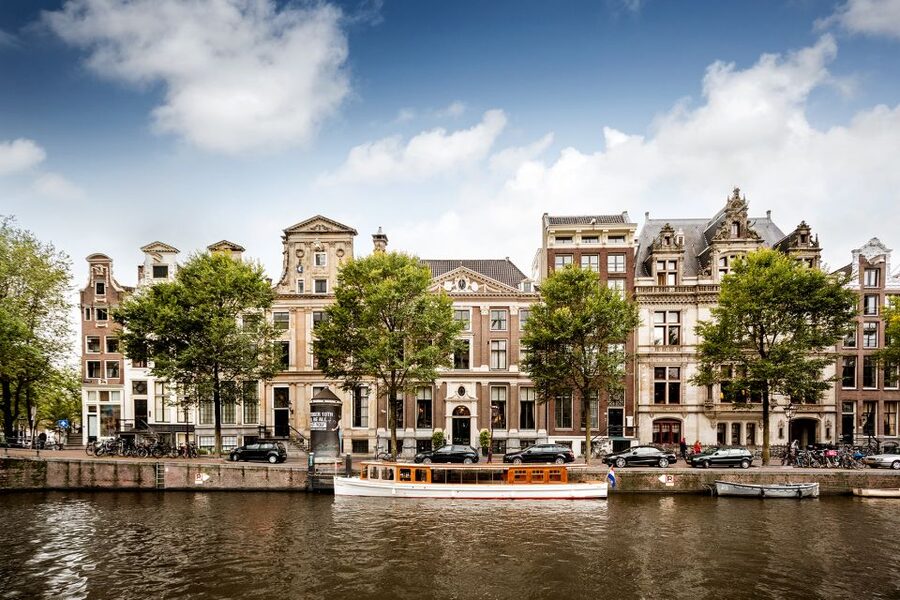
The Museum of the Canals is at Herengracht, one of the grand canal streets in central Amsterdam. That address does useful work before the exhibition even begins. You are entering the type of canal house that helped make Amsterdam recognizable around the world.
A visit here is not just about looking at water from a bridge. It gives you a way to think about the city as a planned project. Amsterdam’s canals were important for movement, trade, housing, and the growth of the city. The museum uses that idea as its main thread.
I like this approach because it answers a question many first-time visitors have: why are the canals here in such an organized pattern? The museum helps connect the elegant streets outside with the practical needs that shaped them.
The house also gives the subject a human scale. You move through classical period rooms rather than only reading panels in a large modern hall. The architecture is part of the lesson, and it makes the visit feel tied to Amsterdam instead of detached from it.
More Museum Audio Guides in the Netherlands
- Amsterdam Van Gogh Museum with Audio or Guided Tour
★ 4.0 · 266 reviews - Van Gogh Museum Skip the Queue with Audio Guide
★ 4.0 · 261 reviews - Van Gogh Museum Amsterdam Entry with Optional Audio Guide
★ 4.0 · 111 reviews
The permanent exhibition and its 400-year story
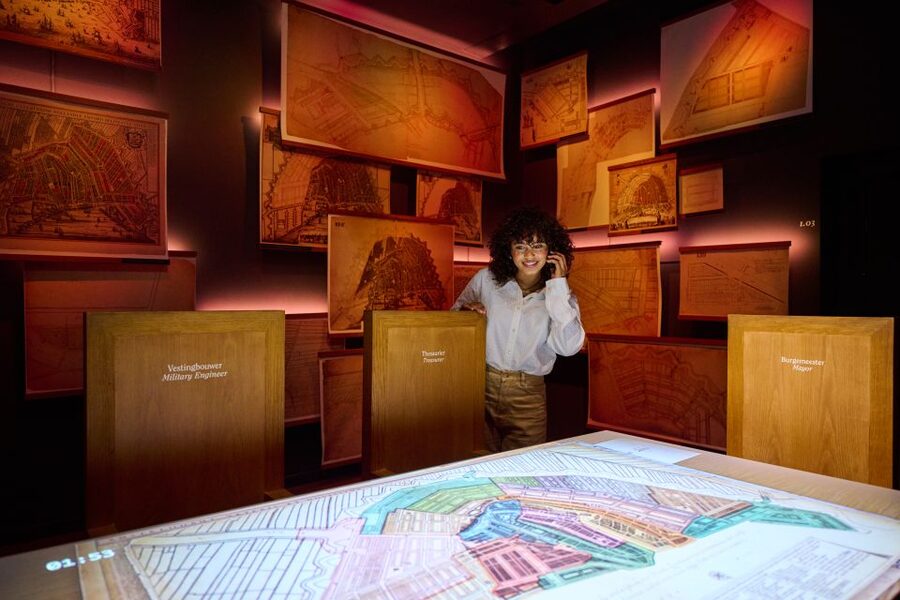
The main exhibition takes you back roughly 400 years and follows Amsterdam through the development of its canals. The focus is not simply on dates or famous buildings. It looks at how the canals affected the movement of the city and its inhabitants.
That distinction matters. You can photograph the canals all day, but photographs do not explain the planning behind them. Here, you get a clearer idea of why the waterways were built and how they became central to Amsterdam’s growth.
The exhibition also links the past with the future. The canals are not treated as an old feature that exists only for sightseeing. They continue to shape how people move through the city and how Amsterdam thinks about its urban space.
You should expect a multimedia presentation rather than a purely object-based museum. The audiovisual material helps create a broad overview, especially if you are still getting your bearings in Amsterdam. It gives you a framework for later walks along the Herengracht, Keizersgracht, and Prinsengracht, even though those other canals are not part of this ticketed visit.
The tradeoff is presentation quality. Some of the animation feels like it belongs to an earlier generation of museum technology. If you expect polished, modern effects, you may find the show less impressive than the subject deserves. The information remains relevant, but the equipment and visual style do not always feel current.
Classical rooms inside a working city house
The period rooms are one of the strongest reasons to visit. They give you a look at the kind of refined interior associated with a major Amsterdam canal house, while the exhibition explains the larger city beyond the walls.
I appreciate the contrast. The outside canals can seem picturesque and calm, while the museum shows the planning, labor, and urban purpose behind them. The rooms remind you that these buildings were not only scenery. They were homes, workplaces, and symbols of Amsterdam’s growing importance.
The rooms also break up the multimedia material. You are not facing a continuous run of screens and presentations. Instead, the visit shifts between interior spaces and explanatory displays, which makes the subject easier to follow.
Do not expect a full tour of every aspect of Amsterdam domestic life. The museum’s central subject is the canal system, and the rooms support that story. Their value is in atmosphere and context rather than a complete study of historic interiors.
The audio guide and how to use it
An audio tour is included with admission. You can listen in Dutch, English, German, French, Spanish, Italian, Russian, Japanese, or Chinese. That wide language choice makes the museum easier to use for an international audience.
The host or greeter languages are listed as Dutch and English. If you need help at the entrance, those are the languages to expect for in-person assistance. The audio guide gives you more flexibility once you begin moving through the exhibition.
I would use the audio guide rather than rushing through the rooms. The subject involves planning and change, and a short explanation can make the displays much more useful. Listen for the reasons behind the canals, not only the names and dates.
You can also choose your pace. If one section grabs you, pause and spend more time with it. If the multimedia material feels dated, the audio content may still give you the clearest route through the main ideas.
No specific visit length is provided, so plan the museum as a flexible stop rather than a fixed-duration tour. The ticket is valid for one day, and availability should be checked for the starting times offered when you book.
More Museum Audio Guides in Amsterdam:
- Van Gogh Museum with Audio Guide
★ 3.5 · 80 reviews - Van Gogh Museum Ticket with Audio Guide and Unlimited Access Time
★ 5.0 · 25 reviews - Houseboat Museum Amsterdam Self Guided Audio Tour
★ 5.0 · 3 reviews - Paris: Louvre Museum Hosted Entry and Mona Lisa Audioguide
★ 4.6 · 5,235 reviews
Temporary exhibitions add a second layer
Your admission includes both the permanent exhibition and the temporary exhibition on display. This is useful because the temporary material can change the feel of the visit from one trip to another.
The permanent exhibition gives you the basic story of Amsterdam’s canals. A temporary show may offer a narrower theme or a different way of looking at the city. Since the temporary subject is not specified, check what is currently showing if that part of the visit matters to you.
This combination also improves the value of the ticket. At $22 per person, you are paying for more than entrance to a historic house. You receive the main canal exhibition, any temporary display, the period rooms, and the audio guide.
Still, value depends on what you want from a museum. If you enjoy city planning, architecture, and Amsterdam’s development, the price is easier to justify. If you only want a quick look inside a canal house, the ticket may feel expensive, particularly because the animation is not especially modern.
What the visit adds to a day in Amsterdam
This museum works best as a companion to time spent outdoors. Visit it before a canal walk and you will have more context for the streets and waterways around you. Visit it afterward and it can help organize what you have already seen.
The attraction is in the city center, so it fits naturally into a day built around central Amsterdam. No transportation is included, but the location makes this a self-contained museum visit rather than an excursion requiring a separate vehicle or guide.
I would not treat it as a full-day activity. The ticket is valid for one day, but the supplied details do not give a fixed duration. Think of it as one focused cultural stop, with the rest of your day available for other museums, walks, or canal-side streets.
The strongest payoff comes when you want more than attractive photographs. Amsterdam’s canals are easy to admire without understanding. This museum helps you see them as infrastructure and city planning, not just as a backdrop.
Who will enjoy this museum most
I would recommend it most to first-time visitors who want a clear introduction to Amsterdam’s canal system. It is also a good fit if you enjoy historic buildings but prefer a museum that explains why the building and the city around it matter.
Families may appreciate the multimedia format, although the dated animation could hold less interest for children expecting fast, modern effects. The audio guide gives adults and older children a way to follow the story at their own pace.
Architecture fans will find the canal-house setting rewarding. People interested in urban development will get the most from the explanation of how canals influenced movement and growth.
You may want to skip it if your Amsterdam schedule is already packed with major museums and you have little interest in city planning. You should also temper your expectations if you are paying mainly for high-tech presentation. The historical subject is stronger than the visual production.
Price, flexibility, and practical details
The listed price is $22 per person. That is a moderate museum admission, but it is not a throwaway purchase. I see the best value when you use the permanent exhibition, the temporary exhibition, the period rooms, and the audio guide as one connected visit.
The booking terms make planning easier. You can cancel up to 24 hours in advance for a full refund, and the reserve-now-pay-later option lets you hold a place without paying immediately. Availability and starting times should be checked before booking.
The museum is wheelchair accessible, which makes the visit practical for many people with mobility needs. Food and drinks are not included, so plan to eat elsewhere.
The ticket is valid for one day. That does not mean the museum provides a full day of entertainment. It means you have access within the stated validity period, with the actual visit length depending on your pace.
The main strength and the main weakness
The best part is the connection between place and subject. You are inside a canal house on the Herengracht while learning why Amsterdam’s canals were built and how they continue to shape the city. That combination gives the visit more character than a standard city-history display.
The weakest part is the age of the animation. The content about the canals remains worthwhile, but the multimedia presentation may not feel polished enough to satisfy someone expecting a new digital attraction.
A useful way to approach the visit is to value the setting and explanation first, and the technology second. If you do that, the museum offers a solid introduction to Amsterdam’s central idea: the city and its canals grew together.
Should you book the Museum of the Canals?
Book it if you want a focused introduction to Amsterdam’s canal system, enjoy historic interiors, and plan to spend time in the city center. The period rooms, permanent exhibition, temporary display, and multilingual audio guide give you several reasons to make the stop.
Think twice if your main goal is a state-of-the-art multimedia show. At $22, dated animation can make the value feel uneven. For most visitors interested in how Amsterdam works and why its canals matter, the museum is a useful first or second stop, especially when paired with a walk along the waterways afterward.
FAQ
Where is the Museum of the Canals?
The museum is located in central Amsterdam on the Herengracht in North Holland, Netherlands.
What does the Museum of the Canals explain?
It explains the history and importance of Amsterdam’s canals, including how they have shaped the movement of the city and its inhabitants.
Is the museum in a historic building?
Yes. The museum occupies a 17th-century canal house with classical period rooms.
What is included with admission?
Admission includes entry to the permanent exhibition, the temporary exhibition on display, and an audio tour.
Is an audio guide included?
Yes. An audio guide is included with the ticket.
Which languages are available for the audio guide?
The audio guide is available in Dutch, English, German, French, Spanish, Italian, Russian, Japanese, and Chinese.
Which languages are available from the host or greeter?
The host or greeter languages are Dutch and English.
Is the museum wheelchair accessible?
Yes, the museum is wheelchair accessible.
How long is the ticket valid?
The ticket is valid for one day. Starting times and availability should be checked when booking.
Can I cancel the booking?
Yes. You can cancel up to 24 hours in advance for a full refund.
Just added around Amsterdam
- Van Gogh Museum Ticket with Audio Guide and Unlimited Access Time★ 5.0 · 25 reviews
- Amsterdam Ghost Hunt: Self-Guided Mystery Adventure★ 4.5 · 4 reviews
- Self Guided Tours Amsterdam With 100 Captivating Audio Stories★ 4.5 · 3 reviews
- Self-Guided Audio Tour of The Red Light District★ 5.0 · 5 reviews
- Food Tour Amsterdam’s Jordaan District Self-Guided★ 3.5 · 4 reviews
- Amsterdam Walking Tour with Audioguide on Your Smartphone★ 3.5 · 3 reviews
- Houseboat Museum Amsterdam Self Guided Audio Tour★ 5.0 · 3 reviews
- Romantic Amsterdam: Fairytale or Tragedy? Self-Guided PuzzleQuest★ 5.0 · 2 reviews
Amsterdam Audio Tours, compared.
Amsterdam: 75 Minute City Canal Cruise with Audio Guide
Read our review →
Amsterdam: City Centre Canal Cruise including Audioguide
Read our review →
Amsterdam: Royal Palace Entry Ticket + Audio guide
Read our review →
Amsterdam: Heated Canal Cruise Including Audioguide
Read our review →
Amsterdam: Canal Cruise with Live Commentary & Audio Guide
Read our review →
Amsterdam Sightseeing Canal Cruise with Audio Guide
Read our review →
Amsterdam City Centre Cruise on heated boat with Audioguide
Read our review →
Amsterdam Van Gogh Museum with Audio or Guided Tour
Read our review →Browse the lists this tour appears in