
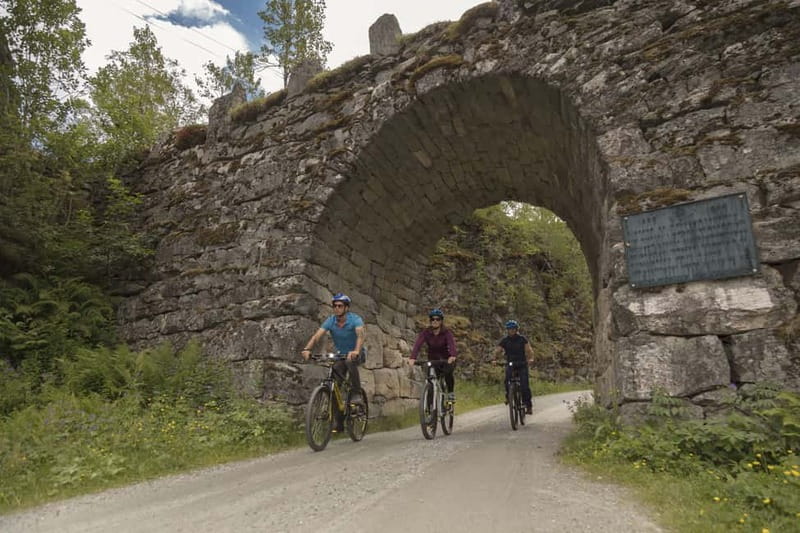
REVIEW · NORWAY AUDIO TOURS
Geiranger Fjord: Downhill Self-Guided Bike Tour
The best part of this downhill bike tour is the setting: you start high above Geiranger at Djupvatnet Lake and ride toward the fjord on one of Norway’s most dramatic mountain roads. I like the freedom to stop when a view catches your eye, and I like that the bike, helmet, gloves, vest, and ride to the start are included. The famous Flydalsjuvet viewpoint gives you a strong reason to pause.
The main catch is traffic. This is a road ride, not a quiet mountain-bike trail, and large vehicles, camper vans, and buses can use the same route in peak season. You need to be a confident cyclist who can brake, watch the road, and handle changing weather without a guide beside you.
Key points to know
- Start at 1,030 meters: A vehicle takes you from Geiranger to Djupvatnet Lake, saving you the hard uphill work.
- Ride at your own pace: There is no guide cycling with you, so you choose when to stop for photographs and scenery.
- Flydalsjuvet is the star viewpoint: Plan time for one of the best-known views above Geiranger Fjord.
- The road can be busy: This is a public mountain road shared with buses, camper vans, and other vehicles.
- Weather matters: Bring warm clothing and a windbreaker, since conditions can change quickly at altitude.
- Best for capable cyclists: You must be at least 12, ride a bike confidently, and be accompanied by an adult if under 18.
From Geiranger village to Djupvatnet Lake
Your outing begins at the local supplier’s office at Geirangervegen 10, directly before Cafe Ole in Geiranger. Arrive ready for a short safety talk and equipment fitting. You receive a bike, helmet, bicycle gloves, and a visibility vest before being driven uphill to the starting point.
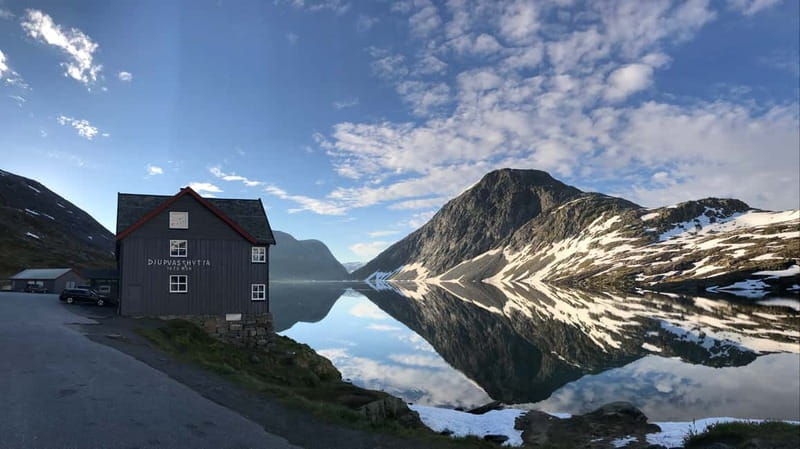
That transfer is a valuable part of the experience. You do not spend the first part of the day grinding up a mountain. Instead, you begin at Djupvatnet Lake, 1,030 meters above sea level, with the long downhill ride ahead of you.
The high starting point also explains the clothing advice. Geiranger village may feel mild, while the mountain can be colder and windier. I would bring every item requested: warm clothing, a windbreaker, sportswear, water, and snacks. Food and drinks are not provided, so you need to carry your own supplies.
The road to Djupvatnet Lake must be open for the planned start. If it is closed, the operator offers an alternative beginning at the Eagle Bend viewpoint. That gives you a backup plan, but it may change the feel and exact route of your ride.
More Self-Guided Bike Tours in Norway:
- Valencia Bike Tour from the City to the Beach, plus Bike Guy App!
★ 5.0 · 1,187 reviews - Red Rock Canyon Self-Guided Electric Bike Tour
★ 5.0 · 783 reviews - Private Self-Guided E-Bike Ride in Tuscany with Vineyard Visit
★ 5.0 · 775 reviews
A downhill ride with no guide beside you
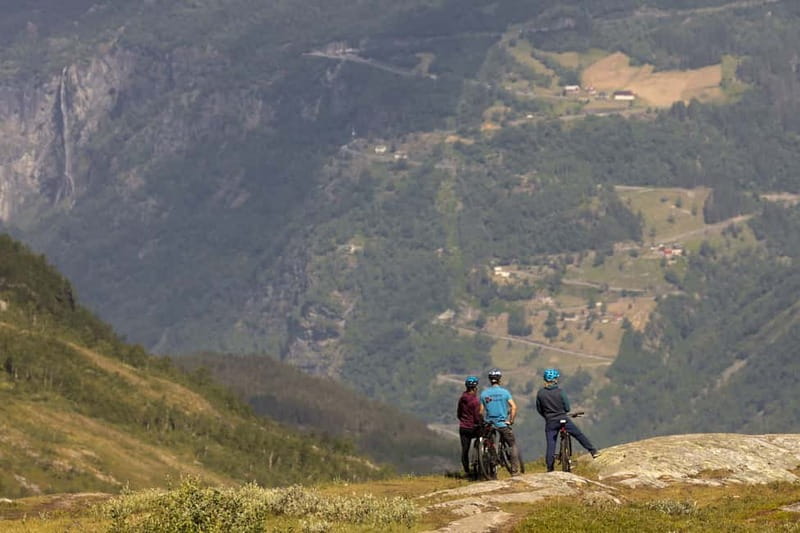
After the transfer and safety briefing, you cycle back toward Geiranger. The full activity lasts about three hours, while the cycling itself takes roughly two and a half hours. The remaining time covers the meeting, equipment, transport, and preparation.
The word self-guided is important here. You are not following a guide who sets the pace or points out every turn. You receive instructions and equipment, then ride independently. For a confident cyclist, that freedom is a real advantage. You can stop for photographs, wait for your group, or move along when the road is clear.
You should not treat the route like a closed cycling course. It is a public road, and the traffic level can rise sharply during the busy summer period. Buses and camper vans may share the road, so you need to stay alert, hold your line, and use extra care when stopping.
One rating described the road as difficult for a self-guided outing because of the amount of traffic, while another noted that a guided group could feel safer. That is useful context, especially if you are used to marked cycle paths or dedicated bike trails. This experience offers mountain scenery and a long descent, but it does not offer traffic-free riding.
Why Flydalsjuvet deserves a proper stop
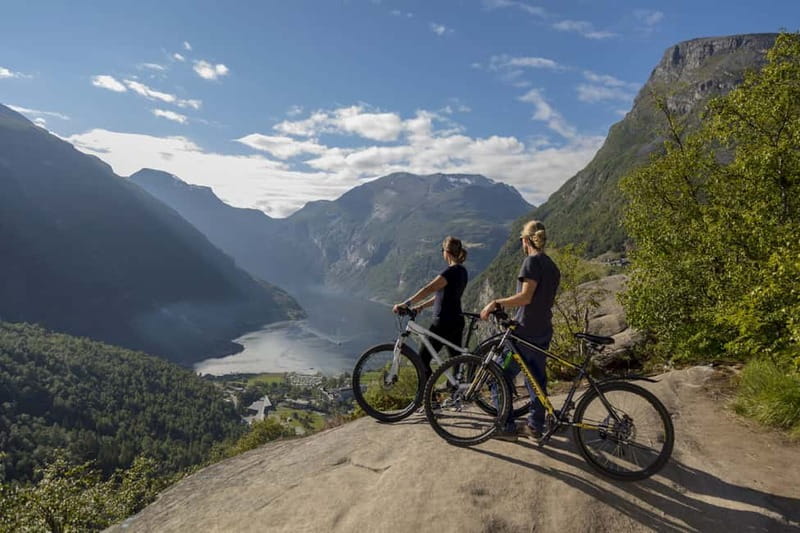
Flydalsjuvet is the clearest visual highlight of the route. From this famous viewpoint, you look across the steep surroundings toward Geiranger Fjord far below. It is the kind of place where you will want to stop rather than simply roll past.
The flexible format works well here. You are not locked into a guide’s timetable, so you can pull over at a safe spot and take photographs. One participant stopped many times for pictures and still completed the route within the allotted time. That is a good sign for anyone who wants photographs without turning the ride into an all-day outing.
Still, use judgment when stopping. Do not leave your bike in the road, and watch for approaching vehicles before you pull over or rejoin the route. The best photograph is not worth a rushed crossing or a sudden move around a bend.
You will see the fjord from above during the ride, rather than spending the day on the water. That gives you a different view of Geiranger. The changing height is part of the appeal: you begin beside a mountain lake, pass through high country, and gradually approach the village and fjord.
Scenery, speed, and the feel of the road
The descent gives you a simple pleasure: gravity does most of the work. You can enjoy the mountain scenery without the effort of a long climb. The road’s curves make the ride more engaging than a straight cycle path, but they also require attention.
Several details make this outing especially photogenic. The high starting point gives you broad views before the descent begins. Flydalsjuvet gives you a recognized viewpoint above the fjord. The road itself provides changing angles as you move between the mountain and Geiranger.
The bicycles were described as easy to operate, which matters because the route is not presented as technical mountain biking. You do not need advanced off-road skills, but you do need basic road confidence. You should be able to control your speed, brake smoothly, and manage a downhill route in changing conditions.
Do not expect a dedicated trail. The ride takes place on the main road, and one participant specifically found the lack of a separate mountain-bike path disappointing. If you want rough tracks, jumps, or a forest trail, this is the wrong product. If you want an accessible way to see Geiranger’s high views by bicycle, the road itself is the point.
More Downhill Runs in Norway:
- Best Haleakala Downhill Self-Guided Bike Tour with Maui Sunriders
★ 5.0 · 496 reviews
Weather can change the whole experience
The tour depends on good weather. That is not a minor note in this part of Norway. Rain, wind, low cloud, and cold temperatures can change the comfort and visibility of a ride that looks easy on paper.
One rider completed the experience in heavy rain and still found the views impressive, but also stressed the need to feel confident on a bike in bad weather. I would take that warning seriously. A downhill road in rain demands more braking distance and more care around traffic.
The operator provides a visibility vest, which helps other road users see you. You still need your own warm layers and windbreaker. Water and snacks are also your responsibility. Since food and drinks are excluded, pack before you arrive rather than counting on a café stop during the ride.
The weather policy is simple: poor conditions can affect the outing. Check the forecast before you leave and keep your plans flexible. You can cancel for a full refund up to 24 hours before the activity, which is useful when the forecast looks doubtful. You can also reserve now and pay later, helping if your schedule depends on a cruise arrival or other fixed plans.
Is the $156 price fair?
At $156 per person, this is not a cheap way to rent a bicycle. The price includes the bike, helmet, gloves, visibility vest, and transportation from Geiranger to the high starting point. It also saves you from arranging your own equipment and solving the problem of getting a bicycle up to Djupvatnet Lake.
The value depends on what you want from the day. If you mainly want a short rental and already have access to a bike, the price may feel high. If you want an organized start, safety equipment, mountain transport, and a scenic route through one of Norway’s best-known fjord areas, the package makes more sense.
You are paying for access and convenience rather than personal guiding. There is no guide accompanying you on the cycle, and food, drinks, and hotel transfers are not included. Keep those limits in mind when comparing the cost with a guided cycling excursion.
The small group size, limited to eight participants, should make the equipment handout and transfer more manageable than a large coach-style activity. It does not remove road traffic, but it should keep the group fairly compact.
Who should book this Geiranger bike tour?
I would recommend this outing to a confident cyclist who wants scenery, freedom, and a downhill route instead of a tightly managed group excursion. It works particularly well if you like stopping for photographs and do not need a guide to explain every bend.
You should be comfortable cycling on a public road. That means managing a bicycle around buses and camper vans, paying attention on curves, and handling a descent that may become wet or windy. If you are nervous on roads or rarely cycle, the lack of a guide may make the experience stressful.
The minimum age is 12. Children under 12 cannot participate, and anyone under 18 must be accompanied by an adult. The activity is not suitable for people with back problems or heart problems.
The experience can suit a couple, a small group of friends, or a family with older children who already ride confidently. It is less suitable for someone seeking a quiet trail, technical mountain biking, or a fully guided history and nature tour.
Practical details before you arrive
Meet at Geirangervegen 10, directly before Cafe Ole. The listed language is English, and the safety instruction is given before you leave for the mountain.
Wear sports clothing that allows easy movement. Add warm layers and a windbreaker, even if the village feels comfortable. Pack water and snacks because neither is supplied.
The activity takes about three hours in total. The actual cycle lasts around two and a half hours, but give yourself enough time to reach the meeting point without rushing. The route depends on good weather and road access to Djupvatnet Lake.
The equipment supplied includes:
- Bicycle
- Helmet
- Bicycle gloves
- Visibility vest
- Transportation to the starting point
You need to provide:
- Warm clothing
- Windbreaker
- Sportswear
- Water
- Snacks
There is no hotel pickup or drop-off, and no guide cycles with you. Those details are easy to overlook, but they shape the experience more than the headline view does.
My recommendation: book it if the road ride suits you
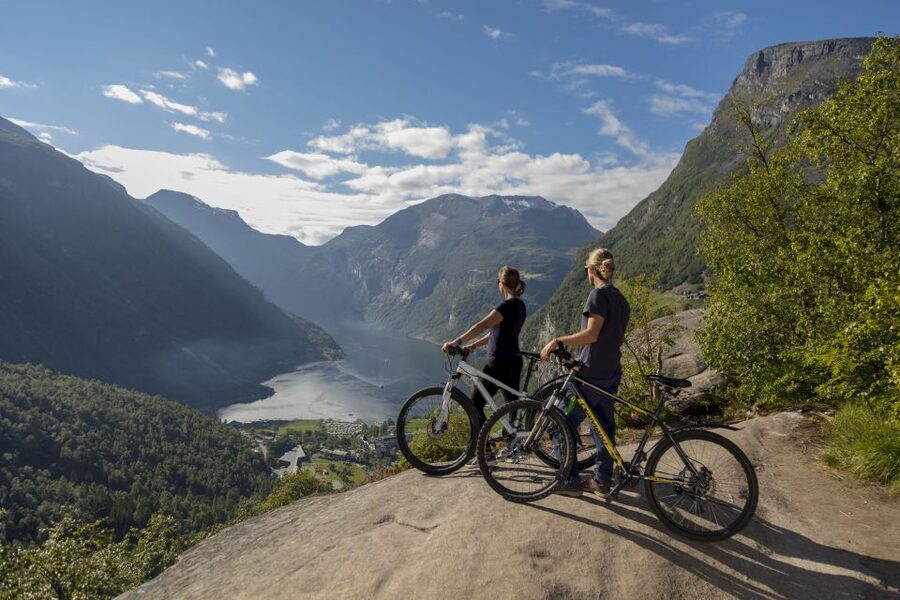
I would book this tour if I wanted a scenic, mostly downhill way to see Geiranger from above and felt fully comfortable riding on a busy public road. The high start, Flydalsjuvet viewpoint, easy-to-operate bikes, and freedom to stop make it a memorable use of three hours.
I would skip it if I wanted a quiet cycle trail, a personal guide, or a completely predictable weather-proof activity. The traffic issue is real, and rain can make the descent much more demanding.
For the right cyclist, the $156 cost buys a practical route into Geiranger’s mountain scenery without the work of climbing there. Bring warm clothes, ride defensively, and leave time for Flydalsjuvet. That is where the experience earns its place on your itinerary.
FAQ
How long does the Geiranger downhill bike tour last?
The complete activity lasts about three hours. The cycling portion takes approximately two and a half hours.
Where is the meeting point?
Meet at the supplier’s office at Geirangervegen 10, directly before Cafe Ole in Geiranger.
Where does the bike ride begin?
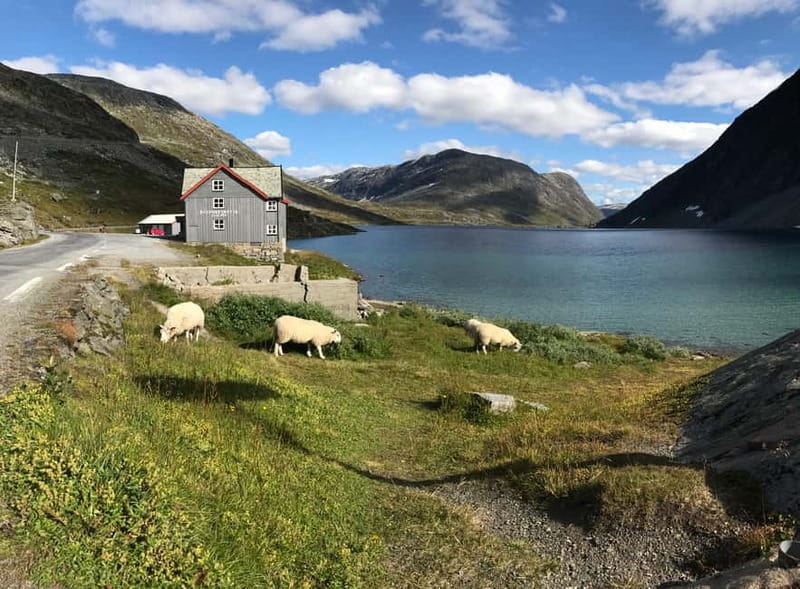
The planned starting point is Djupvatnet Lake, located 1,030 meters above sea level. Transportation from Geiranger to the start is included.
Is a guide included during the bike ride?
No. This is a self-guided activity, and no guide accompanies you while you cycle.
What equipment is provided?
The tour provides a bicycle, helmet, bicycle gloves, and a visibility vest. Transportation to the starting point is also included.
What should I bring?
Bring warm clothing, a windbreaker, sportswear, water, and snacks. Food and drinks are not included.
What happens if the road to Djupvatnet Lake is closed?
An alternative starting point at the Eagle Bend viewpoint will be offered if the road to Djupvatnet Lake is closed.
What is the minimum age?
You must be at least 12 years old. Participants under 18 must be accompanied by an adult, and children under 12 cannot take part.
Can I cancel the booking?
You can cancel up to 24 hours in advance for a full refund. The activity also offers a reserve now and pay later option.
Just added around Norway
- Downtown Bodø: A Self-Guided Walking Tour in Northern Norway★ 3.5 · 3 reviews
- Walk with a Witch in 16th Century Bergen: A Self-Guided Fictional Tour★ 4.5 · 12 reviews
- Self-Guided Full Day: Bergen To Oslo with Sognefjord cruise (5h)★ 4.0 · 13 reviews
- Self-Guided Bergen to Oslo Daytrip With Flamsbana & Fjordcruise★ 4.0 · 8 reviews
- Bergen in Your Pocket: Landmarks and Lore Audio Tour★ 4.5 · 22 reviews
- Bergen: Self-Guided Roundtrip (Sognefjord Cruise 5h & Flamsbana)★ 4.5 · 8 reviews
- Audio Walking Tour in Bergen Famous Ghosts Location★ 5.0 · 4 reviews
- Self Guided Tour Bergen to Bergen★ 5.0 · 3 reviews
Norway Audio Tours, compared.
Oslo: Scenic Fjord Cruise with Audio Guide Commentary
Read our review →
Tromsø: Husky Sled Self-Drive with Traditional Lunch
Read our review →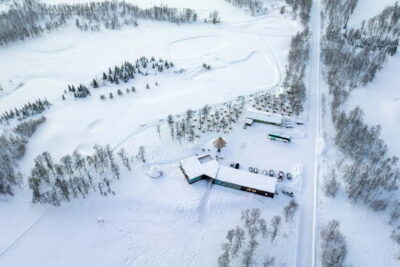
From Tromsø: Husky Experience with Self-Drive Dog Sled Ride
Read our review →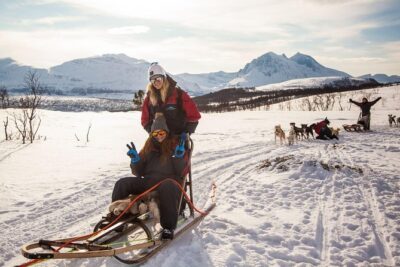
Tromso Husky Self-Drive Sledding with Cake and Drink in Lavvu
Read our review →
Molde: Atlantic Ocean Road & Varden Audio Guide Bus Tour
Read our review →
Dog Sledding: A Self-Drive Arctic Experience from Tromsø
Read our review →
Geiranger: Bus Tour with Multilingual Audio Guide
Read our review →
Bergen: Self-Guided Round-Trip Full-Day Excursion
Read our review →Browse the lists this tour appears in