
REVIEW · USA AUDIO TOURS
Denver: Molly Brown House Museum Self-Guided Tour & Entry
The Molly Brown House tells a bigger story than the one attached to her Titanic nickname. Inside this handsome Denver home, you’ll meet Margaret Tobin Brown as a mining heiress, activist, fundraiser, mother, and public figure who kept working for people in need long after the shipwreck.
I like the freedom to move at your own pace, and I like the way the house links its ornate rooms to the mining fortune that paid for them. The main drawback is that the visit involves several staircases, and a self-guided hour may feel too brief if you want every detail.
Key points to know before you go
- The Titanic story is only one chapter: The current Heroine of the Titanic exhibit adds context to a life that included activism and philanthropy before and after 1912.
- Your $15 includes an audio tour: You can use written text, audio, and images rather than relying on a scheduled guide.
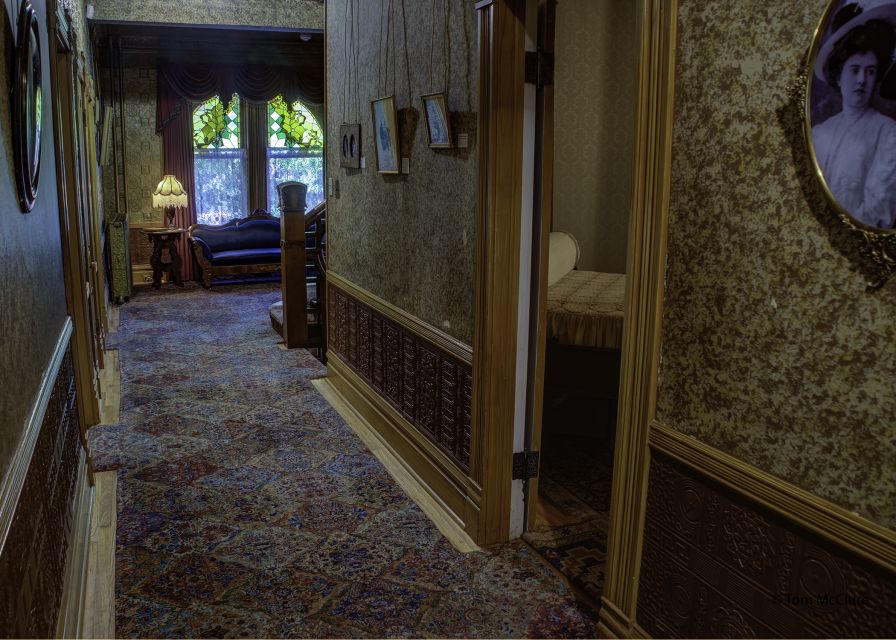
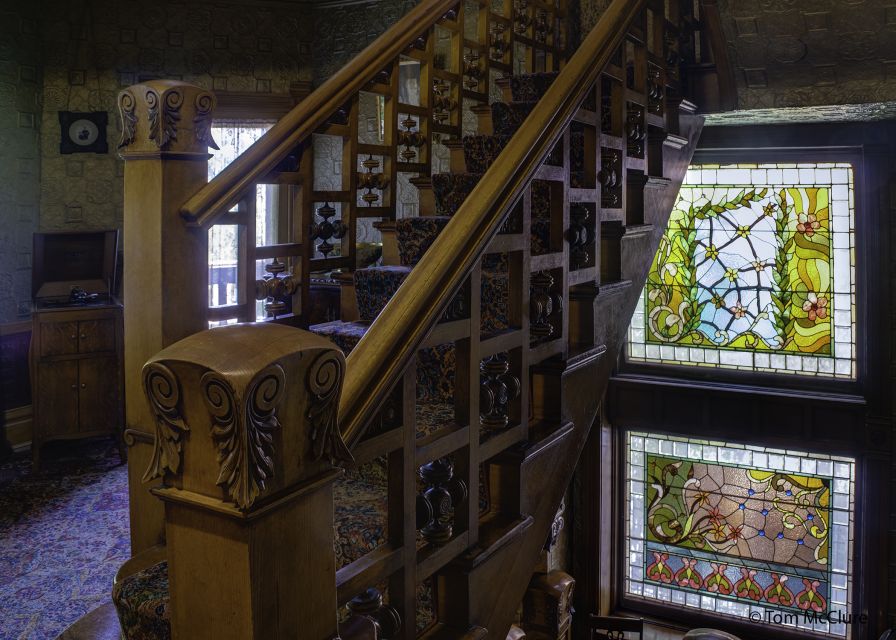
- The house itself is a major attraction: Original-style decor, woodwork, stained glass, and period furnishings give you plenty to inspect.
- Staff are still available: Hosts such as Maya and Alisa have helped visitors with questions and added stories during self-guided visits.
- Allow extra time for parking: Nearby parking exists, but finding a space can take longer than expected.
- Bring headphones and water: Food, drinks, luggage, and large bags are not allowed inside.
Why Molly Brown’s story is bigger than the Titanic
Margaret Tobin Brown is often reduced to the label Titanic heroine, but that misses the best part of this museum. Her life moved through several worlds: mining wealth, Denver society, family life, public service, fundraising, and social activism.
The house gives you a way to see the person behind the legend. You learn how the Browns’ fortune came from mining, then see how that money shaped their home and public life. The result is more useful than a simple Titanic display because it places Margaret’s fame in a much longer story.
I especially like that the museum presents Brown as active and capable rather than as a colorful side character from a famous disaster. The focus on her concern for people in need gives the visit a clear human purpose.
The Titanic connection still matters. The current Heroine of the Titanic exhibit appears throughout the museum and is also included in the audio tour. It runs from April 1 through September 25, so check the dates if that is your main reason for visiting.
More Museum Audio Guides in the USA:
- Medieval Torture Museum Ticket with Audio Guide and Ghost Hunting
★ 5.0 · 962 reviews - Museum of the American Revolution Admission Ticket with Audio Guided Option
★ 4.5 · 187 reviews - Hollywood Medieval Torture Museum Ticket with Ghost Hunting
★ 5.0 · 133 reviews
Entering the grand Denver house
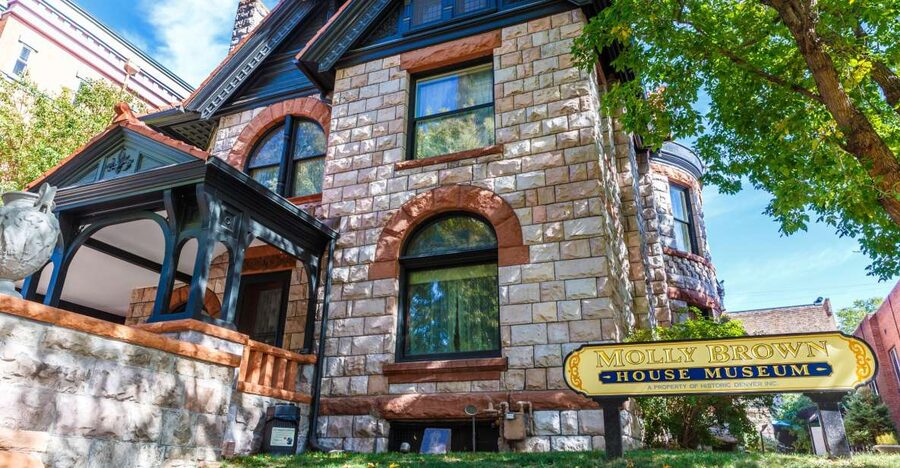
The building is one of Denver’s grand historic homes, and the architecture gives you an immediate reason to slow down. This is not an empty shell with a few labels on the wall. You move through rooms with ornate details, restored woodwork, stained glass windows, and period furnishings.
I would begin by looking at the house as a statement of the Browns’ new wealth. The mining fortune explains why the rooms have such careful decoration and why the building feels so different from a modest family home. Once you understand where the money came from, the architecture becomes part of Margaret’s story.
The house is maintained well, and the rooms are arranged to give you a sense of late 19th-century style. You will find plenty of visual detail, so do not rush from sign to sign. Look up, check the woodwork, and take time with the windows and furnishings.
The visit is not only about pretty rooms. The setting helps explain the pressure and opportunity that came with wealth. Margaret Brown had access to social and financial power, and the museum shows how she used it.
How the self-guided hour works

The experience is designed to last about one hour, though your pace will decide how much you absorb. Your ticket includes a downloadable self-guided tour with written text, audio, and images.
That format works well if you prefer to pause, skip material, or spend extra time in a favorite room. You are not tied to a group moving at one speed. If one display catches your attention, you can stay with it. If your schedule is tight, you can keep the visit moving.
The audio tour is especially useful for the Titanic material and for the larger story of Margaret’s life. Bring headphones, since they are listed as an item to bring. Water is also sensible, particularly in summer, but food and drinks are not allowed inside.
Self-guided does not mean you are left on your own. Staff members are present to help. Alisa has been praised for checking in with visitors, and Maya has been described as friendly and helpful. Staff on the floors can point you in the right direction and answer questions.
That human help matters because historic houses can sometimes feel like a row of locked rooms and short labels. Here, you can use the audio and written material as your base, then ask a staff member when a detail needs explaining.
One visitor found the mixture of self-guided and guided groups a little crowded. That is worth keeping in mind. A guided group and independent visitors may be moving through the same rooms at the same time, especially during popular periods.
The rooms, artifacts, and details worth your attention
The strongest part of the visit is the combination of architecture and personal story. The house has beautiful spaces, but the interpretation gives those spaces meaning.
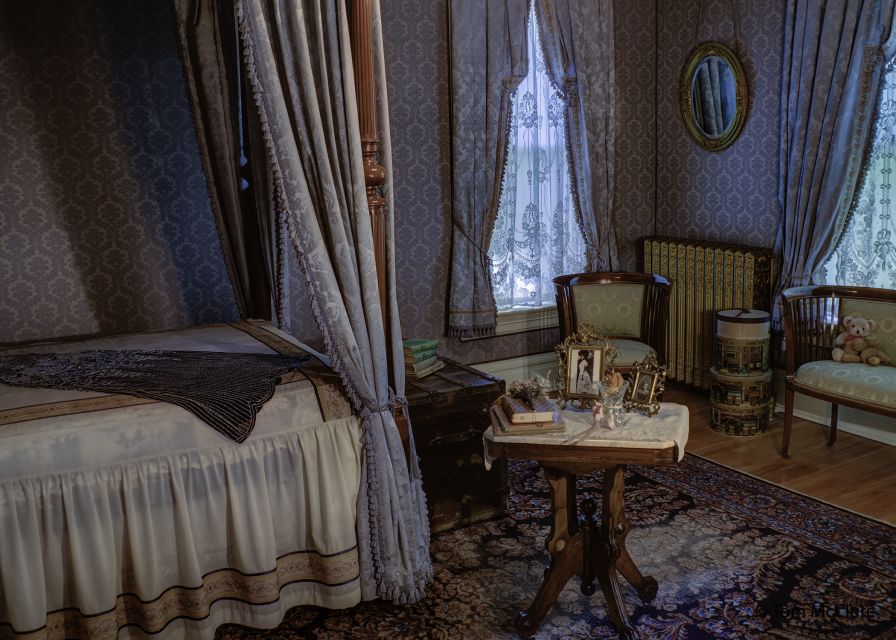
Look for the details that show the Browns’ late 1800s lifestyle. The original-style decor, carefully kept woodwork, and stained glass are among the features that deserve more than a quick glance. The displays and information boxes help connect those details to the people who lived there.
You may also find videos and artifact displays along the route. These are useful if you want to read at your own speed rather than listen to the full audio tour. They also make the visit easier for people in a group with different interests.
The upper floors add to the sense of the house as a working home rather than a single showpiece room. Still, the third floor may not satisfy visitors hoping to see every part restored to its original use. One area is used as a meeting room rather than being arranged as the original servants’ quarters.
That is a fair limitation. Historic houses often have to balance preservation, public programs, and visitor access. If servant life and household work are your main interest, ask staff what areas are currently open and how they are interpreted.
The house can also feel warm in hot weather because it is not air-conditioned. A summer visit can still be comfortable, but I would avoid assuming that indoor temperatures will match a modern museum.
More Audio Tours in the USA:
- Fort Sumter Admission and Self-Guided Tour with Roundtrip Ferry
★ 4.5 · 3,343 reviews - San Francisco: Alcatraz Ticket, Ferry, & Self-Guided App
★ 4.5 · 2,460 reviews - Los Angeles: Hop-On Hop-Off Bus Tour with Audio Guide
★ 3.7 · 2,030 reviews - City Sightseeing Hop-On Hop-Off Bus Tour with Audio Guide
★ 3.0 · 1,083 reviews
Margaret Brown beyond her famous rescue story
The museum is at its best when it moves past the popular image of Molly Brown. You learn about her activism, fundraising, and concern for people who needed help.
That broader story changes the way you see the house. The rooms are not simply a backdrop for a dramatic event at sea. They belong to a woman who used her money, social position, and energy in public causes.
The interpretation also helps correct myths. The public image of Molly Brown has been shaped by films, stage productions, and the nickname itself. The museum gives you a chance to separate the real Margaret from the fictional version.
I would pay close attention to the material about her life before and after the Titanic. It is the part most likely to be missed if you arrive expecting only a shipwreck exhibit. Her work and public role make the visit worthwhile even if Titanic history is not your main interest.
If you have time before visiting, reading a biography can add useful context. It is not necessary, since the museum provides plenty of information, but some background will help you connect the names, dates, and events.
The Titanic exhibit from April 1 through September 25
The Heroine of the Titanic exhibit is included in your admission and is presented throughout the museum. It adds a focused thread to the wider house tour.
You should expect Titanic material to appear alongside the rooms and the audio program, rather than as a separate attraction requiring another ticket. That arrangement suits the museum because it keeps the disaster connected to Brown’s full life.
The exhibit is a good reason to schedule the house during its run if Titanic is what first brought you here. Just remember that the museum’s main value does not depend on it. The permanent story of Brown’s family, fortune, activism, and home gives you plenty to consider.
Timing, hours, parking, and access
The standard opening schedule is Thursday through Sunday, 10 a.m. to 4 p.m. In June, the museum is open Wednesday through Sunday, 10 a.m. to 4 p.m. In July, it expands to Tuesday through Sunday, 10 a.m. to 4 p.m.
Arrive 10 to 15 minutes before your scheduled entry time. That buffer is useful because parking nearby can take extra time. A variety of parking options are available, but I would not cut the timing close if you are driving.
The house is listed as wheelchair accessible, and staff have made accommodations for visitors using a wheelchair. At the same time, the route includes several staircases, so ask about the accessible arrangement when you arrive if stairs are a concern.
The tour is offered in English, with an English-speaking host or greeter. Staff language skills may vary, but a multilingual welcome has been possible at times, including German, French, Italian, and Spanish conversations from staff members.
Is $15 good value for one hour?
At $15 per person, this is a fair-priced museum visit, especially if you appreciate historic homes and want a self-guided option. Your admission covers the house and the downloadable tour, so you are paying for both the setting and the interpretation.
The value improves if you use the audio, written text, and images rather than simply walking through the rooms. The house is attractive enough to visit on its own, but the historical material is what turns the admission into a real experience.
The one-hour length can work well in a busy Denver itinerary. You can fit it into a day without giving up half your schedule. If you read every display, listen to the full audio, and ask questions, plan to move slowly and accept that you may not absorb every detail in a single pass.
I would not compare it to a large museum with hours of galleries. This is a focused house visit. You pay less, see one important building, and come away with a clearer sense of one Denver family and one remarkable woman.
Who will enjoy this visit most?
I would recommend the Molly Brown House to:
- People interested in Denver’s mining wealth and late 19th-century architecture
- Anyone curious about the real Margaret Brown beyond the Titanic films
- Visitors who like moving at their own pace
- Families or mixed-age groups who want a short indoor activity
- Travelers interested in women’s history, philanthropy, and public activism
- Visitors with limited time who can spare about an hour
It may be less satisfying if you want a fully guided tour with a docent explaining every room. One visitor specifically felt a guide would have added more information. The self-guided format gives you freedom, but it also asks you to take responsibility for listening, reading, and asking questions.
It may also be frustrating if you cannot manage several staircases or if you expect every part of the house to be arranged exactly as it was historically. The third floor, for example, is used as a meeting room rather than presented as original servants’ quarters.
Practical tips for a better visit
Bring headphones for the audio tour and arrive early enough to deal with parking. Keep your bag small because luggage and large bags are not allowed.
If you want the Titanic exhibit, visit between April 1 and September 25. For a quieter pace, avoid arriving at the same moment as a scheduled guided group when possible.
Ask staff questions. The self-guided ticket does not remove the human element, and staff members have added helpful stories and explanations during visits. If you are especially interested in a room, artifact, or part of Brown’s activism, say so.
Give yourself time to look at the house itself. The stained glass and woodwork can be easy to miss if you focus only on the audio. I would listen for a while, pause the program, and then inspect the room before moving on.
Should you book the Molly Brown House tour?
Yes, if you want a short, affordable Denver attraction with real historical substance. The best reason to book is not simply the Titanic connection. It is the chance to see how Margaret Tobin Brown’s mining wealth, public work, and personal drive came together inside one carefully maintained home.
Book it if you enjoy historic architecture, women’s history, or self-guided museums. Think twice if you need a guide beside you at every stop, have difficulty with stairs, or expect the entire house to be restored as a complete period set.
At $15, the visit is an easy addition to a Denver day. Use the audio tour, ask the staff questions, and look beyond the famous nickname. That is where the house earns its keep.
FAQ
How much does the Molly Brown House Museum tour cost?
The ticket costs $15 per person.
How long does the visit take?
The experience is scheduled for about one hour.
Is the tour guided?
The ticket includes a downloadable self-guided tour with written text, audio, and images. There is no tour guide included, but staff members and hosts are available to answer questions.
What language is the tour offered in?
The tour and host or greeter service are offered in English.
When is the museum open?
General opening times are Thursday through Sunday, 10 a.m. to 4 p.m. In June, it is open Wednesday through Sunday. In July, it is open Tuesday through Sunday. Opening hours are 10 a.m. to 4 p.m.
Is the Titanic exhibit included?
Yes. The Heroine of the Titanic exhibit is included with admission and is scheduled to run from April 1 through September 25.
Is the museum wheelchair accessible?
The museum is wheelchair accessible, and accommodations have been made for visitors using wheelchairs. The visit also involves climbing several staircases, so ask staff about the best route when you arrive.
What should I bring?
Bring water and headphones for the self-guided audio tour.
Can I bring food, drinks, luggage, or large bags?
Food and drinks are not allowed, and luggage or large bags are not permitted inside.
Just added around the USA
- Smartphone-Guided Walking Tour of Downtown Indianapolis Sights & Stories★ 4.0 · 25 reviews
- Springfield Self-Guided Walking Audio Tour★ 4.0 · 5 reviews
- Smartphone Guided Indianapolis Downtown Sites Audio Walking Tour★ 4.5 · 7 reviews
- Indiana Dunes National Park Self-Guided Audio Tour★ 3.5 · 4 reviews
- Self-Guided Audio Driving Tour in Kancamagus Highway★ 4.5 · 6 reviews
- An Epic Scavenger Hunt: Bloomington Scenic Southern Indiana★ 3.5 · 6 reviews
- Huntsville Rocket City Smart Phone Self Guided Audio (GPS/APP) Walking Tour★ 4.5 · 5 reviews
- Sights of Downtown Houston Smartphone Audio Walking Tour★ 4.0 · 7 reviews
USA Audio Tours, compared.

Fort Sumter Admission and Self-Guided Tour with Roundtrip Ferry
Read our review →
San Francisco: Alcatraz Ticket, Ferry, & Self-Guided App
Read our review →
Los Angeles: Hop-On Hop-Off Bus Tour with Audio Guide
Read our review →
City Sightseeing Hop-On Hop-Off Bus Tour with Audio Guide
Read our review →
Medieval Torture Museum Ticket with Audio Guide and Ghost Hunting
Read our review →

Ryman Auditorium Self-Guided Tour with Souvenir Photo Onstage
Read our review →
Red Rock Canyon Self-Guided Electric Bike Tour
Read our review →Browse the lists this tour appears in