

REVIEW · USA AUDIO TOURS
Gettysburg Self-Guided Audio Ghost Tour
Gettysburg’s ghost stories begin with real wartime suffering, and this self-guided audio walk takes you through places where the Civil War still feels close. Starting at the Tillie Pierce House Inn, you follow Baltimore Street toward the Farnsworth House, Jennie Wade House, Gettysburg Orphanage, Cemetery Hill, and Evergreen Cemetery.
I like the low $10 price and the freedom to walk at your own speed. I also like the route’s mix of famous battle sites, private homes, and places tied to ordinary people, especially Jennie Wade, the only civilian killed during the Battle of Gettysburg. The catch is that this is more historical than frightening, and getting the audio started may take patience.
Key points to know before you go
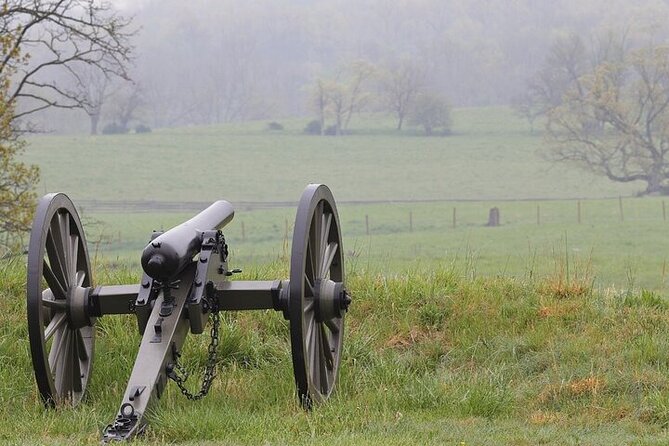
- A one-hour walk through central Gettysburg: The route links Baltimore Street, several Civil War sites, Cemetery Hill, and Evergreen Cemetery.
- The route begins at the Tillie Pierce House Inn: This historic home belonged to a young eyewitness whose wartime account gives the walk a personal starting point.
- The Farnsworth House still shows bullet holes: The former Confederate sharpshooter position adds a vivid physical detail to the story.
- Jennie Wade’s house marks a civilian tragedy: She was the only civilian killed during the Battle of Gettysburg.
- The mood is informative more than scary: Choose this for history and atmosphere, not theatrical shocks.
- The audio access is designed for flexibility: The tour is described as usable for seven days, which can help if you want to split the walk across more than one day.
Starting at the Tillie Pierce House Inn

The tour begins at 301 Baltimore Street, at the Tillie Pierce House Inn. The name matters. Tillie Pierce was a young eyewitness to the Civil War, and her home gives the walk a human opening rather than dropping you straight into a list of battle facts.
This is also a handy starting point for a short visit to Gettysburg. The inn sits near the battlefield and downtown attractions, so you are already in the center of the town’s historic area. You can begin the audio walk after seeing other nearby sights, or use it as an evening stroll after dinner.
The tour is mobile-ticket based and offered in English. You do not meet a guide, and you are not tied to a group’s pace. That makes it easy to pause, look at a building, take a photograph, or stop the audio when you need to cross a street.
The route is described as taking about one hour. Allow extra time if you want to study the buildings, visit the surrounding area, or pause between audio sections. One useful feature is the stated seven-day access period. That means you can split the walk into two parts instead of racing through it, though you should make sure your access details work before setting off.
More Ghost Audio Tours in the USA:
- Medieval Torture Museum Ticket with Audio Guide and Ghost Hunting
★ 5.0 · 962 reviews - Self-Guided Smartphone Ghost Walking Tour in Salem
★ 4.5 · 225 reviews - Hollywood Medieval Torture Museum Ticket with Ghost Hunting
★ 5.0 · 133 reviews
The Farnsworth House and the physical marks of war
The next major point is the Farnsworth House Inn, at the heart of Gettysburg. It is one of the most memorable stops because its Civil War role is easy to picture. The house served as a Confederate sharpshooter’s nest, and bullet holes remain visible on the exterior.
That kind of detail gives the audio story something solid to work with. You are not only hearing about troops and tactics. You are looking at a building that still carries visible damage from the fighting.
The Farnsworth House is also an inn, so the stop has a present-day use alongside its wartime past. That contrast is common in Gettysburg. Homes and businesses continue their daily work while the events of 1863 remain part of their identity.
I would take a moment here to look carefully at the outside of the building. The audio may provide the context, but the bullet holes are the sort of detail you can miss if you walk quickly while watching your phone. Keep the volume at a level that lets you stay aware of traffic and other people on the street.
Jennie Wade House: Gettysburg’s civilian tragedy
The Jennie Wade House is the first numbered stop and one of the route’s most important points. Jennie Wade was the only civilian killed during the Battle of Gettysburg, and the house marks the place where she lost her life.
This stop shifts the focus away from generals and battlefield movements. It brings the war into a home, where civilians faced danger simply because fighting had reached their town. That makes the stop useful for anyone who wants Gettysburg presented as a lived-in community, not only as a military site.
The stop is listed at about 10 minutes, with admission included at no extra cost. Since this is a self-guided walk, you control how much of that time you spend listening and looking. The audio may give you the main account, while the building itself helps you picture how close the conflict came to domestic life.
The Jennie Wade House is also where expectations about a ghost tour can begin to differ. The story is tragic and naturally haunting, but the tone is not necessarily frightening. If you want suspense, actors, or sudden scares, this stop may feel restrained. If you prefer real events and the emotional weight of a specific person’s death, it is one of the strongest parts of the route.
Gettysburg Orphanage and the cost after the battle

The Gettysburg Orphanage is another 10-minute stop. Its purpose was to shelter children orphaned by the Civil War, particularly those affected by the 1863 Battle of Gettysburg.
This is a valuable change of focus. The fighting itself lasted only a short time compared with the years of loss that followed. An orphanage points to the people left behind, especially children who needed care, schooling, and something resembling a home after the war.
I like this stop because it broadens the tour beyond ghosts in old buildings. The subject is sad, but it helps explain why Gettysburg’s past is not only about a three-day battle. The war altered families and communities long after soldiers left the field.
The stop is free to visit, according to the tour details, and the route allows about 10 minutes here. You may find that the emotional effect comes less from anything spooky and more from thinking about the children connected to the place. That is worth knowing before you book. This is a walk about grief and memory, with ghost lore added to the historical setting.
More Audio Tours in the USA:
- Fort Sumter Admission and Self-Guided Tour with Roundtrip Ferry
★ 4.5 · 3,343 reviews - San Francisco: Alcatraz Ticket, Ferry, & Self-Guided App
★ 4.5 · 2,460 reviews - Los Angeles: Hop-On Hop-Off Bus Tour with Audio Guide
★ 3.7 · 2,030 reviews - City Sightseeing Hop-On Hop-Off Bus Tour with Audio Guide
★ 3.0 · 1,083 reviews
Cemetery Hill and the climb toward Evergreen Cemetery

Cemetery Hill was a key high point defended by Union forces during the Battle of Gettysburg. It later became the site of the Soldiers’ National Cemetery, giving the location both military and memorial importance.
The stop is listed at about 10 minutes. In practical terms, this is where the route’s ideas come together. You have moved from homes under fire, to a civilian death, to children left without parents, and now to a place connected with soldiers’ graves and national remembrance.
Cemetery Hill can also help you understand why the location mattered during the battle. High ground offered a strategic advantage, and the site became important to Union defense. The audio format works well here because you can listen while taking in the setting at your own speed.
The walk ends at the historic Evergreen Cemetery Gatehouse, at 799 Baltimore Street. This is just south of Gettysburg National Cemetery. The ending is useful because it leaves you near major memorial sites rather than returning you automatically to the beginning. You can exit, continue exploring, or walk back toward the starting point when it suits you.
Because the finish is not the same as the start, plan your next move. The route is compact enough for many people to return on foot, but the tour does not provide a separate ride back. Treat the end point as part of your sightseeing plan.
What the ghost angle really means

The title may suggest a classic haunted walk, but the experience appears to lean toward historical storytelling. The subjects are certainly unsettling: a civilian killed in her home, children orphaned by war, soldiers defending a high point, and a cemetery tied to national mourning.
Still, the tone is not built around theatrical fear. You should not expect actors, props, jump scares, or a live storyteller leading you through dark streets. The audio format gives you information and atmosphere, but much of the impact comes from the real events tied to each location.
That can be a strength. I prefer a ghost walk that gives the stories some grounding, especially in a town where nearly every block connects to the Civil War. You can decide for yourself how much of the supernatural material you accept. The historical setting remains useful even if you are not easily spooked.
If your main goal is a scary night out, I would look for a live ghost tour instead. If you want a flexible walk that combines local history, wartime tragedy, and a modest ghost-story element, this format makes more sense.
Why the $10 price can work
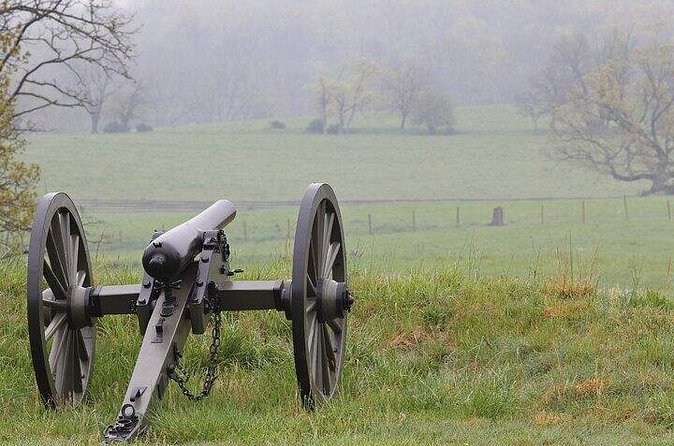
At $10 per person, this is an inexpensive way to spend roughly an hour in central Gettysburg. The price is especially reasonable if you value flexibility and do not need a live guide.
You are paying for a route and audio access rather than a full-day battlefield program. The experience does not replace a detailed battlefield tour, museum visit, or in-person walking tour. Its value comes from giving you a focused route through several historic places without a large time commitment.
The seven-day access noted in the tour information adds value if you want to divide the route. One person used the first half on one day and the second half on another, which is a sensible option if you have limited time, tired feet, or several Gettysburg sights competing for your attention.
There is one practical weakness. The start-up process may require an access code or password, and the instructions have not always been clear. One person could not begin because the password never arrived. I would check your confirmation carefully before arriving and contact the provider promptly if the access details are missing.
The tour has a maximum capacity of 500 people, but because it is self-guided, you should not expect a traditional group of 500 walking together. The key point is that the product is built for independent use, not personal attention from a guide.
Who will enjoy this walk most
I think this tour suits you best if you want:
- A low-cost introduction to Gettysburg’s historic center
- A flexible walk that you can pause or split over several days
- Civil War stories tied to actual homes and public places
- A tour in English through a mobile ticket
- A quiet, atmospheric experience rather than a staged scare show
- A route that works well after dinner or as an add-on to a day of sightseeing
Families may find the short route manageable, but the subject matter includes death, orphaned children, and wartime suffering. Use your judgment with young children.
It can also work for solo visitors. You do not need to match a group’s pace, and you can stop to study each site. Couples and friends who want a casual evening walk may enjoy it, especially if they treat the ghost material as an extra layer rather than the whole point.
People who need a live guide, extensive battlefield detail, or a strongly theatrical ghost experience should choose something else. The tour’s appeal is independence and historical setting, not performance.
Useful planning details for the walk
The tour is available every day around the clock during the listed operating period, from June 30, 2025 through February 19, 2027. Since this is an audio walk, you have broad freedom about when to use it, but the route may feel different in daylight than after dark.
You receive confirmation when booking. Service animals are allowed, and the route is near public transportation. Most people can take part, though the information provided does not give a detailed description of pavement, hills, or restroom access.
Wear shoes suited to walking and keep your phone charged. Those are simple precautions, but they matter more on a self-guided route because there is no guide to fill in if your device fails or the audio will not load.
The tour is non-refundable and cannot be changed after booking. I would confirm your schedule and make sure you understand the mobile access process before paying.
Should you book the Gettysburg audio ghost tour?
Book it if you want an affordable, flexible walk through Gettysburg’s Civil War sites and you are happy with history taking the lead over horror. The Farnsworth House bullet holes, Jennie Wade House, Gettysburg Orphanage, Cemetery Hill, and Evergreen Cemetery give the route a solid range of subjects.
Skip it if your priority is a truly scary experience or a live guide who can answer questions on the spot. The content is informative and atmospheric, but it may not deliver the creepy intensity suggested by the title.
For $10, I see this as a useful evening add-on or a compact first look at Gettysburg’s historic center. Just confirm your access details before you start, and leave time to continue exploring after the audio ends at Evergreen Cemetery.
FAQ
Where does the Gettysburg audio ghost tour begin?
It begins at the Tillie Pierce House Inn, at 301 Baltimore Street in Gettysburg, Pennsylvania.
Where does the tour end?
The audio tour ends at the historic Evergreen Cemetery Gatehouse, at 799 Baltimore Street, just south of Gettysburg National Cemetery.
How long does the tour take?
The walk takes approximately one hour, though you can spend more time at each stop.
What language is the tour offered in?
The tour is offered in English.
How much does the tour cost?
The listed price is $10 per person.
Is this a guided walking tour?
No. It is a self-guided audio tour accessed by mobile ticket.
Which main places are included?
The route includes the Tillie Pierce House Inn, Farnsworth House Inn, Jennie Wade House, Gettysburg Orphanage, Cemetery Hill, and Evergreen Cemetery.
Is the tour frightening?
The tour is more historical and informative than scary. It includes ghost-tour subject matter, but it does not promise a theatrical or highly spooky experience.
Can the tour be split over more than one day?
The audio access is described as valid for seven days, so you may be able to divide the walk across different days. Check your access instructions after booking.
Is the experience refundable or changeable?
No. The experience is non-refundable and cannot be changed for any reason after booking.
Just added around the USA
- Smartphone-Guided Walking Tour of Downtown Indianapolis Sights & Stories★ 4.0 · 25 reviews
- Springfield Self-Guided Walking Audio Tour★ 4.0 · 5 reviews
- Smartphone Guided Indianapolis Downtown Sites Audio Walking Tour★ 4.5 · 7 reviews
- Indiana Dunes National Park Self-Guided Audio Tour★ 3.5 · 4 reviews
- Self-Guided Audio Driving Tour in Kancamagus Highway★ 4.5 · 6 reviews
- An Epic Scavenger Hunt: Bloomington Scenic Southern Indiana★ 3.5 · 6 reviews
- Huntsville Rocket City Smart Phone Self Guided Audio (GPS/APP) Walking Tour★ 4.5 · 5 reviews
- Awesome Scavenger Hunt: Houston’s Museum District★ 3.5 · 8 reviews
USA Audio Tours, compared.

Fort Sumter Admission and Self-Guided Tour with Roundtrip Ferry
Read our review →
San Francisco: Alcatraz Ticket, Ferry, & Self-Guided App
Read our review →
Los Angeles: Hop-On Hop-Off Bus Tour with Audio Guide
Read our review →
City Sightseeing Hop-On Hop-Off Bus Tour with Audio Guide
Read our review →
Medieval Torture Museum Ticket with Audio Guide and Ghost Hunting
Read our review →

Ryman Auditorium Self-Guided Tour with Souvenir Photo Onstage
Read our review →
Red Rock Canyon Self-Guided Electric Bike Tour
Read our review →Browse the lists this tour appears in