
REVIEW · USA AUDIO TOURS
Million Dollar Highway Self-Guided Driving Audio Tour
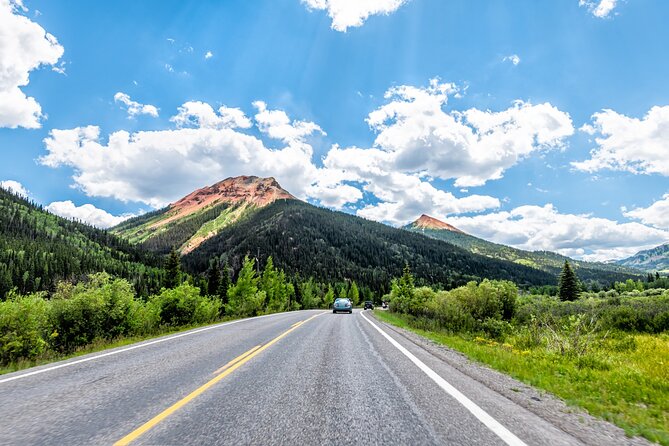
The best part of this tour is that it turns a spectacular drive into a moving history lesson. Starting in Durango and ending in Ouray, you hear stories about railroads, mining, the Ute people, movie locations, hot springs, ghost towns, and the sheer challenge of building a road through the San Juan Mountains.
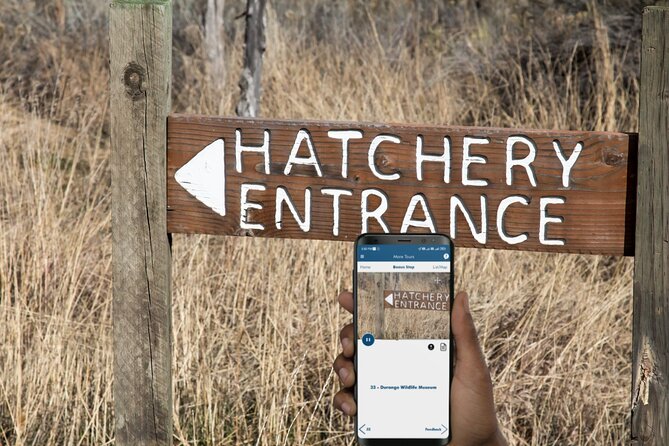
I like the GPS-triggered narration, which lets you keep your eyes on the road while the next story starts near the right location. I also like the price: $16.99 per car for up to four people, not per seat. You can stop for photos, picnics, and short side trips without waiting for a bus.
The main catch is setup. You must download the Action Tour Guide app and tour content while you have strong Wi-Fi or cellular service. The route is designed to run north from Durango to Ouray, so it is not the best choice if you plan to start somewhere in the middle or drive it in reverse.
Key points before you book
- 72 miles and more than 51 audio stories: Allow two to three hours for the core drive, plus extra time for stops.
- Durango to Ouray route: The tour begins in Durango and finishes at the Ouray Visitor Center.
- Offline after download: GPS continues to trigger stories after the tour has been saved to your phone.
- $16.99 per group: One purchase covers everyone in a car of up to four people.
- History with the scenery: Hear about Otto Mears, Ute history, mining towns, Butch Cassidy and the Sundance Kid, and mountain geology.
- Lifetime access: You can use the tour again on another trip, or replay the stories later.
Why an audio tour fits the Million Dollar Highway
The Million Dollar Highway is easy to admire and easy to misunderstand. You see cliffs, river valleys, waterfalls, and high passes, but without context, much of the drive becomes a string of pretty pullouts.
This tour gives the road a sense of place. In Durango, the narration introduces Otto Mears, the man who helped turn a rough railroad camp into a major destination. As you move north, the stories connect the Animas River, old mining communities, Ute history, railroad development, and the road itself.
I like this format because you are not locked into a group schedule. A traditional tour can tell you plenty, but it also decides when you stop and when you move on. Here, you can pause the audio, pull over for a photo, eat a picnic lunch, or skip a stop that does not interest you.
The narrator also gives some information before you reach a place. That matters on a winding mountain road. You can decide in advance if Haviland Lake, Molas Lake, Bear Creek Falls, or a short detour deserves your time.
The tradeoff is that this is still a phone app, not a person sitting beside you. You will not be able to ask follow-up questions, and the storytelling is only available in English. If you want conversation and live guidance, choose a private guide instead.
More Self-Guided Driving Tours in the USA
- Gettysburg Battlefield Self-Guided Driving Audio Tour
★ 4.5 · 910 reviews - Joshua Tree National Park Self-Guided Driving Audio Tour
★ 4.5 · 762 reviews - Ultimate Acadia National Park Self-Guided Driving Audio Tour
★ 4.0 · 521 reviews
Starting in Durango with Otto Mears
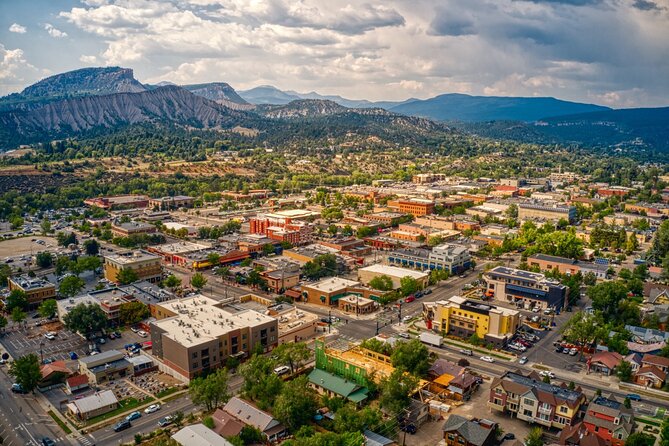
The tour begins in Durango, a practical and attractive starting point for the drive north. The opening story focuses on Otto Mears and the work that helped put Durango on the map.
That introduction gives you useful context before the road becomes more remote. Durango was not simply a convenient place to rent a car and begin a scenic drive. Its growth was tied to railroads, transportation, and the mining economy that shaped much of southwestern Colorado.
The first segment takes about 10 minutes in the published timing, but you should not treat that as a strict stop length. The tour is meant to play as you drive, and you can pause it whenever you want.
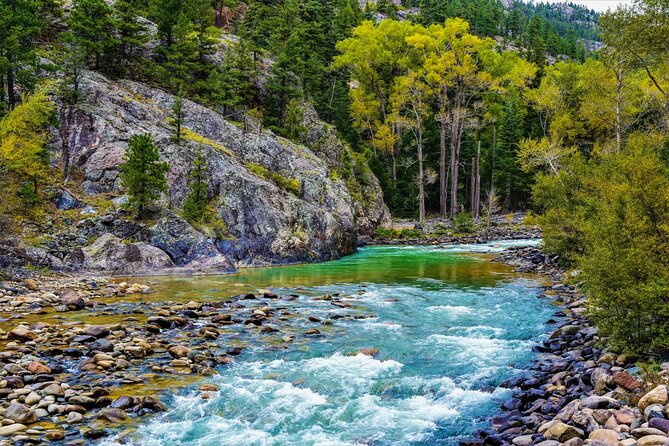
From Durango, the route follows the Animas River north. The river is a 126-mile tributary of the San Juan River, and the audio explains that its earliest European name was much darker than the peaceful name used today. It is a small detail, but exactly the kind that helps you notice the river as more than scenery beside the road.
Pinkerton Hot Springs and Baker’s Bridge
Pinkerton Hot Springs comes next. The place is named for James Pinkerton, a dairy agriculturist who built a resort and hotel around the springs. During Prohibition, the resort also operated as an illegal speakeasy.
The hotel is gone, but the hot springs remain an appealing roadside reminder of how people once used this mountain corridor. The stop is brief, so it works well as a quick look rather than a major break in your schedule.
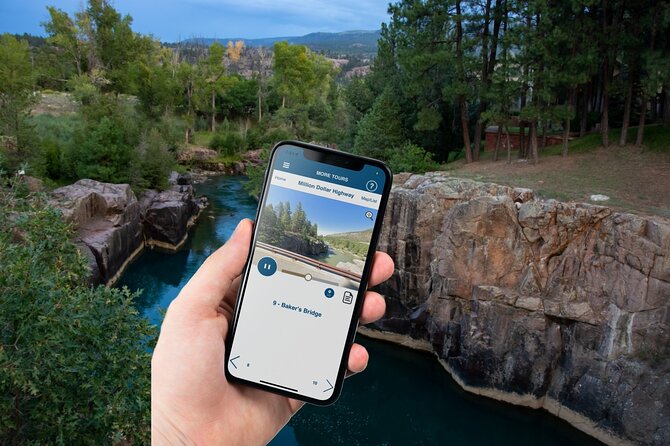
Baker’s Bridge adds a pop-culture connection. It is associated with the famous river leap scene in Butch Cassidy and the Sundance Kid, performed by Paul Newman and Robert Redford.
You should not expect a large attraction complex here. The value is in knowing what you are passing. Without the narration, Baker’s Bridge could easily look like an ordinary roadside landmark. With the story, it becomes part of the road’s movie history.
Haviland Lake for a proper pause
Haviland Lake State Park is one of the better places to interrupt the drive. The lake is shaded by tall pines, with views toward the Hermosa Cliffs. It is also a no-wake lake, so the setting remains relatively calm and is not dominated by large motorboats.
The tour points to the lake as a picnic and swimming option. The water is described as icy, so consider that a warning rather than a promise of a relaxing swim. If you want to stretch your legs and eat something away from the car, this is a more useful stop than a quick roadside viewpoint.
The audio tour is particularly helpful here because it tells you about the stop before you arrive. You can decide if the time required fits your day. If you are trying to complete the drive in close to two or three hours, keep this as a short photo break. If you have packed lunch and want a longer rest, it can help divide the mountain drive into manageable sections.
Same place, a different route to walk:
- Fort Sumter Admission and Self-Guided Tour with Roundtrip Ferry
★ 4.5 · 3,343 reviews - San Francisco: Alcatraz Ticket, Ferry, & Self-Guided App
★ 4.5 · 2,460 reviews - Los Angeles: Hop-On Hop-Off Bus Tour with Audio Guide
★ 3.7 · 2,030 reviews - City Sightseeing Hop-On Hop-Off Bus Tour with Audio Guide
★ 3.0 · 1,083 reviews
Molas Pass reaches 10,910 feet
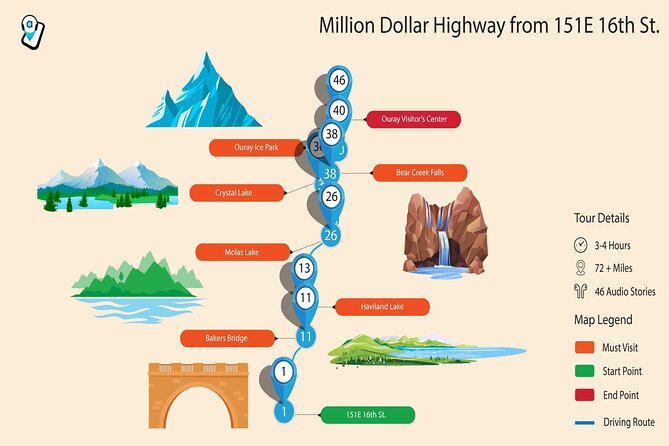
Molas Pass is one of the headline moments of the route. At 10,910 feet above sea level, it is one of the highway’s two highest passes.
The audio adds an unexpected detail: Molas Pass is part of an annual bicycle racing route. Cyclists work hard to reach the summit, then rely on gravity for the trip down. That story gives you a better sense of the climb and the physical scale of the road.
This is also where practical pacing matters. High mountain stops can take longer than expected because you will want photos, and the view can change quickly with the direction of the road. Stay aware of the driving conditions and pull over only where permitted and safe.
The tour does not replace common sense. Keep to the speed limit, avoid handling the phone while moving, and let a passenger manage the app if something needs attention.
Molas Lake and the San Juan Mountains
Molas Lake is a quieter counterpart to the high pass. The lake was formed by glaciers thousands of years ago and offers views toward the San Juan Mountains and the Weminuche Wilderness.
The water is very cold, but the setting makes a good picnic stop. If you have snacks in the car, this is one of the places where you can make the drive feel less rushed.
I appreciate that the tour includes both major viewpoints and pauses that are simply pleasant. Not every stop needs a dramatic waterfall or famous story. A peaceful lake can be exactly what you need after a narrow, demanding stretch of road.
Still, pay attention to your total schedule. The route includes 51 or more audio stories, and stopping at every location for 10 minutes would make the drive much longer than the stated two to three hours. Think of the timing as the approximate driving and listening period, not a full itinerary with long breaks at every stop.
Silverton and the Ute story
Silverton is one of the main towns on the route and deserves more than a quick glance through the windshield. Its name comes from the silver once mined nearby, but the history of the area begins before miners arrived.
The narration discusses the Ute people who lived in this region and what changed when the mining rush began. That context is important. A scenic drive through former mining country can otherwise make the mines and railroad feel like the whole story.
Silverton gives you a chance to pause the tour and spend more time in town if your schedule allows. The audio does not include attraction admission, meals, or reservations, so any longer visit is up to you.
If you are driving straight through, the story still helps you understand the town’s role in the route. If you want a more relaxed day, consider treating Silverton as one of your main breaks rather than trying to stop everywhere for the same length of time.
Ironton and the remains of a mining town
North of Silverton, the route passes Ironton, a former mining town built largely around iron ore. Today, it is a ghost town, one of many mountain settlements that were left behind after mining operations failed.
The final Ironton resident died in 1960. That detail gives the site a human scale. This is not just a place where old buildings disappeared. It was once a working community, and its decline reflects how dependent these towns were on the fortunes of the mines.
Ironton is a good example of why an audio guide adds value to a drive. The remains may not look dramatic from the road, especially if you are focused on mountain curves and traffic. The narration tells you what happened here and gives the stop a clear place in the larger story of the highway.
Bear Creek Falls and the approach to Ouray
Bear Creek Falls is one of the most dramatic natural stops, with water cascading about 200 feet. It is especially appealing in autumn, when fall color adds another layer to the view.
The stop is listed with a shorter listening time than many others, but allow extra time for photos. As with every stop on this road, pull over only in safe, legal areas. A waterfall is not worth a risky roadside maneuver.
The route then continues toward Ouray, known as the Switzerland of America. The nickname points to the steep mountain setting, but Ouray is more than a scenic finish. It offers an ice park, waterfalls, historic buildings, and walking opportunities.
The tour’s direction matters here. You are finishing in Ouray, not returning to Durango. Plan your lodging, rental car arrangements, and onward transportation around that one-way flow.
Ouray Ice Park and Box Canyon Falls
The Ouray Ice Park operates from December through March and features a large ice wall built for climbing. The audio introduces it as one of the town’s notable winter attractions.
You should confirm current operating details separately if the ice park is a major reason for your visit, since the audio tour itself does not include attraction admission or reservations. The tour provides context, but it is not an entry pass.
Box Canyon Falls Park offers another worthwhile Ouray stop. You can see the large waterfall from below and above, with canyon walls, walking trails, and picnic areas adding to the visit.
These Ouray attractions are better treated as optional extensions rather than part of the strict two to three hour drive. The tour concludes at the Ouray Visitor Center, so you can pause there, get oriented, and decide how much more time you want in town.
Ouray’s historic district and final stop
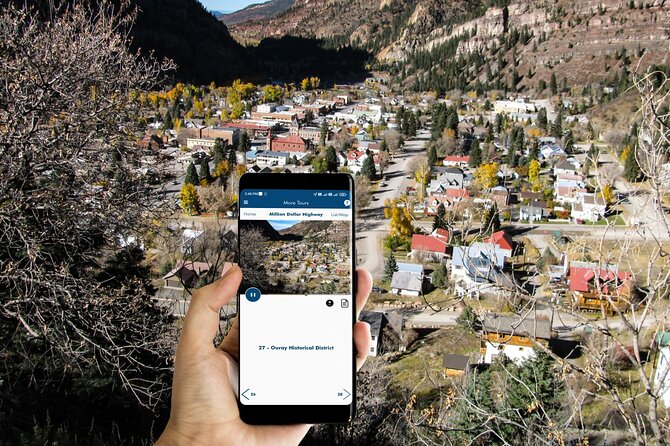
Ouray’s historic district preserves its 19th-century mining-town character. Victorian homes and commercial buildings line the town, and the opera house is a notable survivor after once facing demolition.
The final stop at the Ouray Visitor Center is practical. You can use it to get your bearings for a longer stay, find local information, and decide what to see next.
I like that the tour ends at a useful location rather than simply stopping after the last scenic point. It gives the drive a clear finish and helps you transition from a road trip into a town visit.
How the Action Tour Guide app works
After booking, you receive setup instructions and a password by email and text. Search for audio tour in your messages if the instructions are not immediately obvious.
Download the separate Action Tour Guide app while you have strong Wi-Fi or cellular service. Enter the password, download the tour, and connect your phone to the car stereo using Bluetooth, USB, or AUX.
Once you reach the starting point in Durango, open the app and launch the tour. The first story should begin near its location, and the next stories play automatically as you follow the route.
The app works offline after the download. That is important on a mountain highway where cellular service can be weak or absent. GPS can still trigger the stories, even when the phone is not connected to a network.
The recommended devices are an iPhone running iOS 15 or later, an Android device running version 9 or later, or an iPad or tablet with GPS and cellular capability. Apple CarPlay is supported for audio playback. Android Auto support is described as forthcoming.
A small number of practical issues deserve attention. Setup has taken some users more than half an hour, and at least one person had trouble getting the audio to play. A past feedback popup also interfered with the map while driving, though the provider stated that it had been fixed. Download everything ahead of time, test the first story before leaving, and never stop paying attention to the road to operate the app.
The $16.99 price and who gets the best value
At $16.99 per group of up to four, the tour is inexpensive for a full car. A couple pays less than the price of many guided activities, and a family or group of friends can split the cost across four people.
The value comes from the combination of route coverage and repeat access. You get more than 51 stories across 72 miles, and the purchase has lifetime access with no expiry. You can replay the tour on another trip or listen to parts of it from home.
You still need to pay for fuel, food, parking where applicable, and any attraction admission or reservation. The tour does not include entry to Box Canyon Falls Park, the Ouray Ice Park, or any other paid site.
It is a particularly good buy if you are already planning to drive from Durango to Ouray and want history without adding a separate group excursion. It is less useful if you only have time for a short section of the highway, need a reverse route, or prefer a human guide.
Who should book this drive
I would choose this tour for a couple, family, or group of friends sharing one car. It works well when people want to learn during the drive but do not want to surrender control of the day.
Families may appreciate hearing the information together through the car stereo. The stories are presented before many stops, so you can decide together what deserves a break.
It also suits first-time audio-tour users. The format is simple once the app is set up: drive, listen, pause, and resume. You do not need to keep checking a printed guide or find a scheduled meeting point.
I would be more cautious if you are traveling alone. The tour is designed for hands-free use, but any setup problem or phone adjustment should be handled before driving, not while negotiating a mountain road.
Should you book the Million Dollar Highway audio tour?
Book it if you want an affordable layer of history and direction on a self-guided drive from Durango to Ouray. The strongest reasons are the offline GPS playback, the useful stories about Otto Mears, Ute history, mining towns, and movie locations, and the freedom to stop at your own pace.
Prepare properly. Download the app and content on strong Wi-Fi, save the password, test the audio, and connect the phone before you start. Follow the route north from Durango, and do not expect the tour to work equally well from a random starting point or in reverse.
Skip it if you want live conversation, a flexible route in either direction, or a tour available in languages other than English. For most independent drivers, though, $16.99 for a 72-mile route and lifetime access is a fair price for turning a beautiful road into a more meaningful journey.
FAQ
How long is the Million Dollar Highway audio tour?
The tour covers more than 72 miles and includes more than 51 audio stories. The main drive takes about two to three hours, although photo stops, picnics, hikes, and visits in Silverton or Ouray will make the day longer.
Where does the tour begin and end?
The route begins in Durango and travels north to Ouray. It concludes at the Ouray Visitor Center.
Can I use the tour without cell service?
Yes. You must download the app and tour content while you have strong Wi-Fi or cellular service. After that, the tour works offline and uses GPS to trigger the audio stories.
Do I need to buy one tour for every person?
No. The price is $16.99 per group of up to four people, so one purchase is enough for everyone in the car.
Is the tour guided by a person who meets me in Durango?
No. This is a private, self-guided activity. No guide meets you at the starting point, and the narration plays through the Action Tour Guide app.
What language is available?
The tour is offered in English.
Does the price include attraction tickets?
No. Attraction passes, entry tickets, and reservations are not included.
Can I pause the tour for breaks or side trips?
Yes. You can pause the tour, take breaks, explore side roads, skip stories, and resume later. The tour can also be used across multiple days.
How long do I have access to the tour?
Access is described as lifetime with no expiry. You can use it again on another trip or replay the content later.
Just added around the USA
- Smartphone-Guided Walking Tour of Downtown Indianapolis Sights & Stories★ 4.0 · 25 reviews
- Springfield Self-Guided Walking Audio Tour★ 4.0 · 5 reviews
- Smartphone Guided Indianapolis Downtown Sites Audio Walking Tour★ 4.5 · 7 reviews
- Indiana Dunes National Park Self-Guided Audio Tour★ 3.5 · 4 reviews
- Self-Guided Audio Driving Tour in Kancamagus Highway★ 4.5 · 6 reviews
- An Epic Scavenger Hunt: Bloomington Scenic Southern Indiana★ 3.5 · 6 reviews
- Huntsville Rocket City Smart Phone Self Guided Audio (GPS/APP) Walking Tour★ 4.5 · 5 reviews
- Sights of Downtown Houston Smartphone Audio Walking Tour★ 4.0 · 7 reviews
USA Audio Tours, compared.
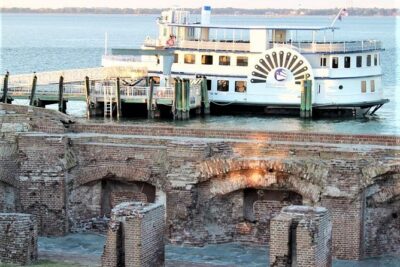
Fort Sumter Admission and Self-Guided Tour with Roundtrip Ferry
Read our review →
San Francisco: Alcatraz Ticket, Ferry, & Self-Guided App
Read our review →
Los Angeles: Hop-On Hop-Off Bus Tour with Audio Guide
Read our review →
City Sightseeing Hop-On Hop-Off Bus Tour with Audio Guide
Read our review →
Medieval Torture Museum Ticket with Audio Guide and Ghost Hunting
Read our review →

Ryman Auditorium Self-Guided Tour with Souvenir Photo Onstage
Read our review →
Red Rock Canyon Self-Guided Electric Bike Tour
Read our review →Browse the lists this tour appears in