
REVIEW · NETHERLANDS AUDIO TOURS
Rotterdam: Steamship Rotterdam Audio Tour Entry Ticket
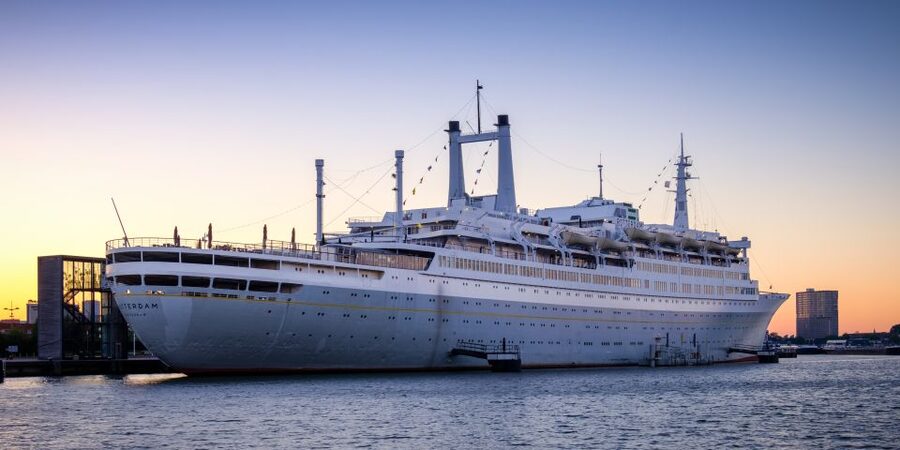
The ss Rotterdam is not a museum model behind glass. It is a full-size ocean liner you can walk through, from the monumental bow and upper decks to the bridge, chart room, radio room, and original captain’s cabin. I like the chance to see both the stylish 1950s passenger interiors and the working parts of a ship that carried people across the world.
I also like the freedom to choose between three tour options, plus the chance to sit on deck with a drink or have lunch at the Lido. The main weakness is practical: finding the start of the tour can be confusing, and the audio guide does not always make the route obvious.
Key points to know before you go
- The ship was the Holland-America Line flagship: It sailed from 1959 and is now permanently moored in Rotterdam’s Maashaven.
- Three tour choices give you different access: Pick the Rotterdam Complete Tour, Seabreeze Deluxe Tour, or Steam and Chrome Tour.
- The bridge and captain’s cabin are real highlights: You can see the chart room, radio room, navigation areas, and original command spaces.
- The audio tour takes about two hours: Plan closer to three hours if you add the engine room tour, eat, or linger on deck.
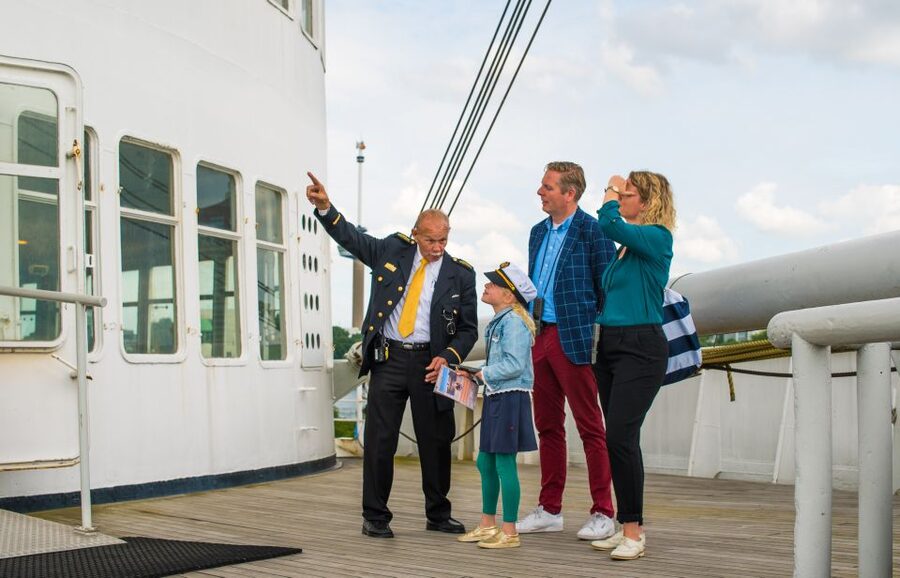
- Former crew add human detail: Guides such as Mimi, who sailed aboard during the ship’s first ten working years, can bring the liner’s story to life.
- Start at the gift shop: Collect your ticket and audio guide there before wandering into the ship.
Why the ss Rotterdam is worth your time
Rotterdam has plenty of modern architecture, port activity, and bold new buildings. The ss Rotterdam gives you a different view of the city: one shaped by ocean travel, long-distance migration, and the polished glamour of the late 1950s.
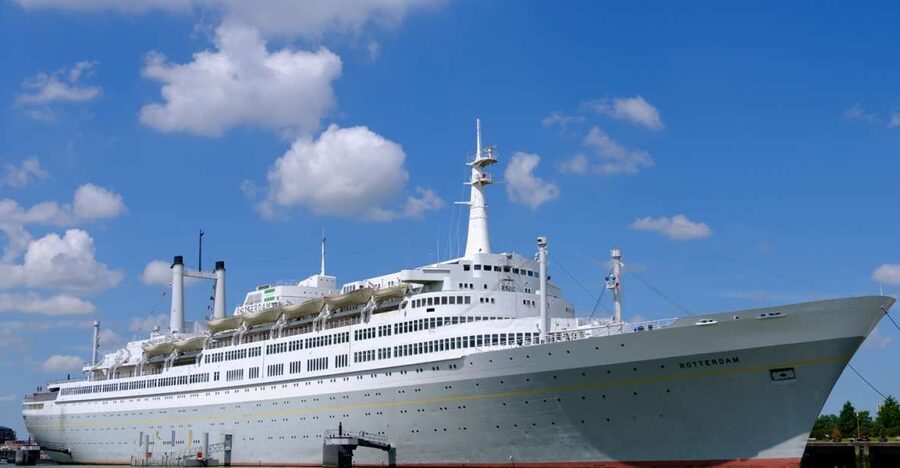
This was the largest ocean liner ever built in the Netherlands. As the Holland-America Line’s former flagship, it carried the company’s image across the world’s seas after entering service in 1959. Today, it is permanently moored at Katendrecht, in the Maashaven, where it serves as a hotel, conference venue, and historic attraction.
That mix matters. You are not simply looking at preserved furniture in a gallery. You are walking through a ship that still has decks, cabins, working machinery areas, navigation rooms, and public spaces arranged as a ship’s designers intended. Some areas have been adapted for modern use, but others retain their original appearance.
I especially like the way the visit lets you move between social history and engineering. One minute you are looking at a grand passenger room with mid-century decoration. The next, you are studying the bridge or imagining crew members working below the water line. You can follow the route at your own pace, which makes this a good choice for curious adults, families, and anyone interested in ships.
More Skip-the-Line Audio Guide Tickets in the Netherlands:
- Amsterdam: Royal Palace Entry Ticket + Audio guide
★ 4.6 · 7,889 reviews - Zaanse Schans: Windmill & Museum Entry Ticket w/ Audio Guide
★ 4.2 · 146 reviews - Haarlem: Frans Hals Museum Entrance Ticket with Audio Guide
★ 4.4 · 79 reviews
Getting your bearings at Katendrecht
The meeting point is ss Rotterdam, 3e Katendrechtse Hoofd 25, 3072 AM Rotterdam. The ship is permanently moored in the Maashaven on Katendrecht.
Once aboard, head first to the gift shop and reception area. This is the useful tip that can save you time: ticket collection and audio guides are handled near the gift shop. Do not simply walk onto the ship and start exploring. Several people have found the first steps unclear, and the route to the starting point is not always well marked.
The staff and volunteer team can point you toward the correct deck. Dutch, English, French, and German are available for both the audio guide and the host or greeter service.
A water taxi can make a memorable approach to the ship, although it is not part of the ticket. One visitor arrived that way and found it a pleasant touch. The important point is to allow a few minutes to orient yourself before starting the audio route, especially if you arrive when the reception area is quiet.
Choosing between the three tour options
The three choices are designed for different interests. The exact areas available depend on the option you select, so read the access details carefully when booking.
Rotterdam Complete Tour
This is the broadest choice for seeing the ship as a whole. You can expect access to several passenger and operational areas, with the audio guide explaining the spaces as you go.
It is the best pick if you want the general story of the liner rather than one narrow theme. You can see the upper deck, tour stylish interior rooms, reach the bridge areas, and follow the ship’s public life. The route helps you picture how passengers and crew used the vessel in a period when crossing the Atlantic was still a major event.
Allow about two hours for the audio tour. You may need longer if you stop for photographs, pause to read displays, or take a break on the bow or terrace.
More Audio Tours in the Netherlands:
- Amsterdam: 75 Minute City Canal Cruise with Audio Guide
★ 4.4 · 19,938 reviews - Amsterdam: City Centre Canal Cruise including Audioguide
★ 4.3 · 16,901 reviews - Amsterdam: Heated Canal Cruise Including Audioguide
★ 4.2 · 2,773 reviews - Amsterdam: Canal Cruise with Live Commentary & Audio Guide
★ 4.4 · 1,034 reviews
Seabreeze Deluxe Tour
This option is suited to visitors most interested in the ship’s passenger spaces and the atmosphere of a luxury ocean liner. It provides a closer look at the more decorative side of the ss Rotterdam, including the interiors that show how comfort and style were presented to passengers.
Expect polished rooms, period details, and a stronger sense of how a liner functioned as a floating hotel. The decoration has a clear 1950s character. Some people will find it stylish and wonderfully of its period; others may see the strong design as slightly kitschy. Either way, it feels more distinctive than a plain technical museum.
This is a good choice if you want to combine sightseeing with an easy stop for coffee, cake, or a drink on deck.
Steam and Chrome Tour
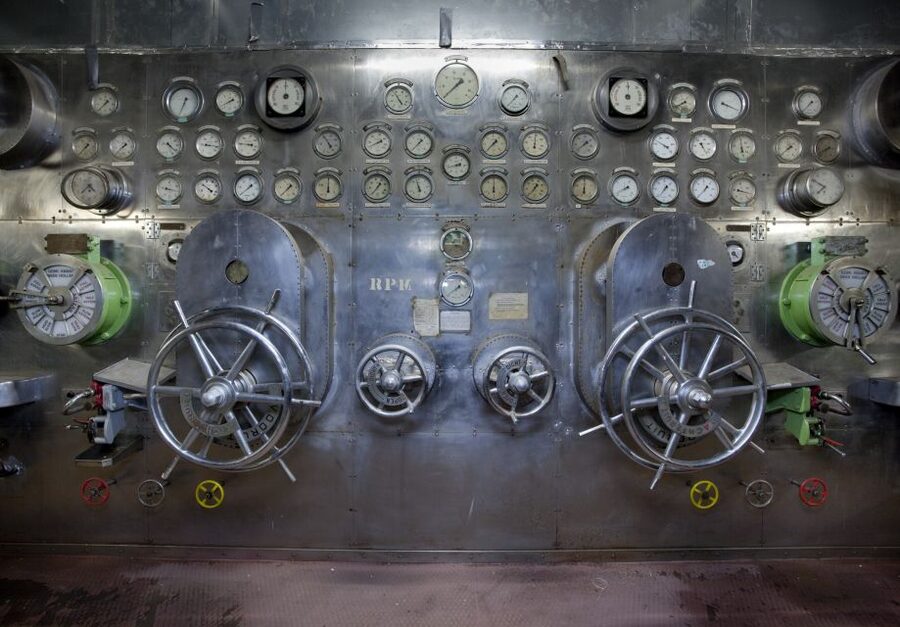
Choose this if engines, ship systems, and machinery interest you most. The route focuses more on the technical side of the vessel and helps explain the systems behind a ship of this scale.
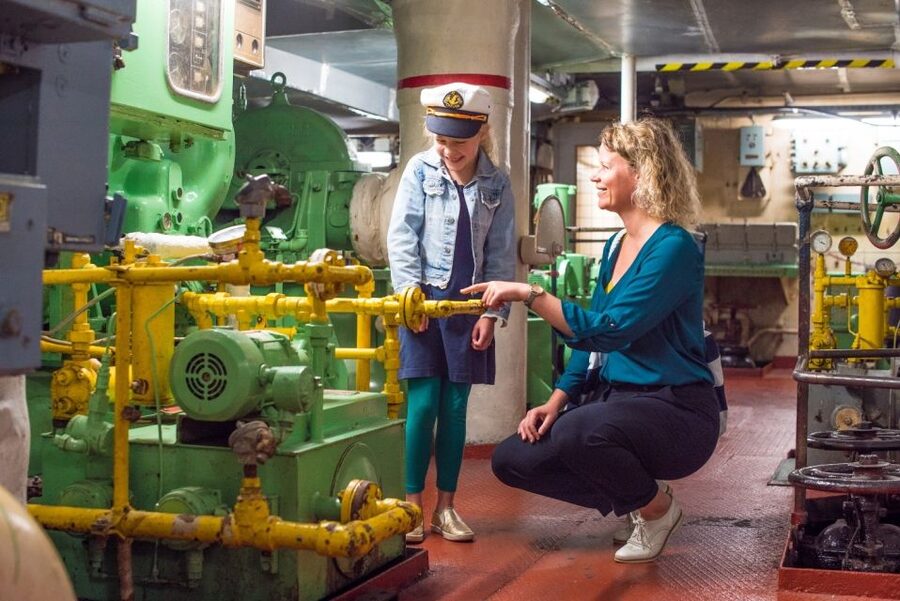
An engine room visit can be especially worthwhile. A separate one-hour engine room tour has been praised for its clear explanations, including a guide named Hans. It can turn the visit from a walk through old rooms into a practical lesson in how the ship operated.
The machinery areas may not appeal to everyone, and this choice can feel less glamorous than the public rooms. For anyone curious about propulsion, ship technology, or the daily work of a crew, it is likely the strongest option.
What you see above deck
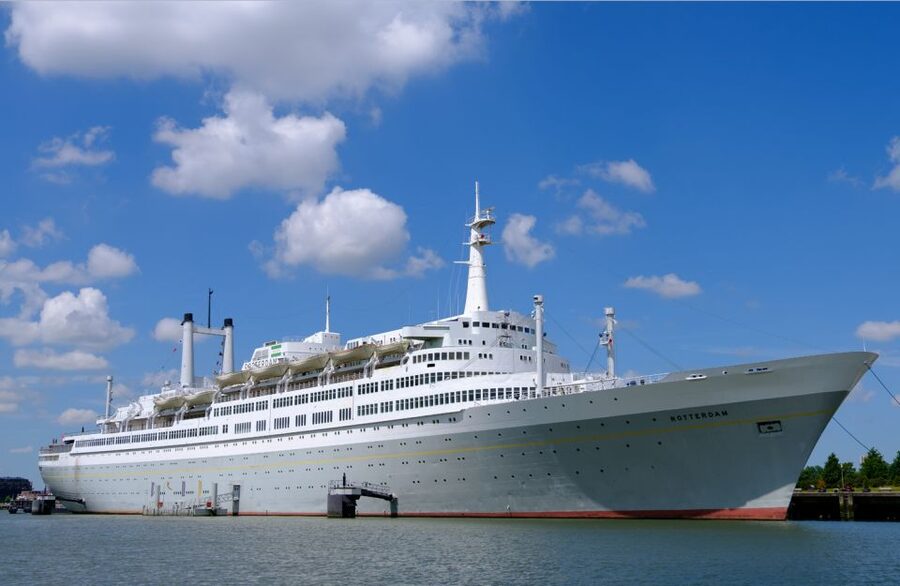
Begin with the upper deck and the ship’s monumental bow. The heavy windlasses give you a direct look at the hardware needed to anchor and handle a vessel of this size. From the bow, you can pause and look across the water while considering how different the ship must have felt at sea.
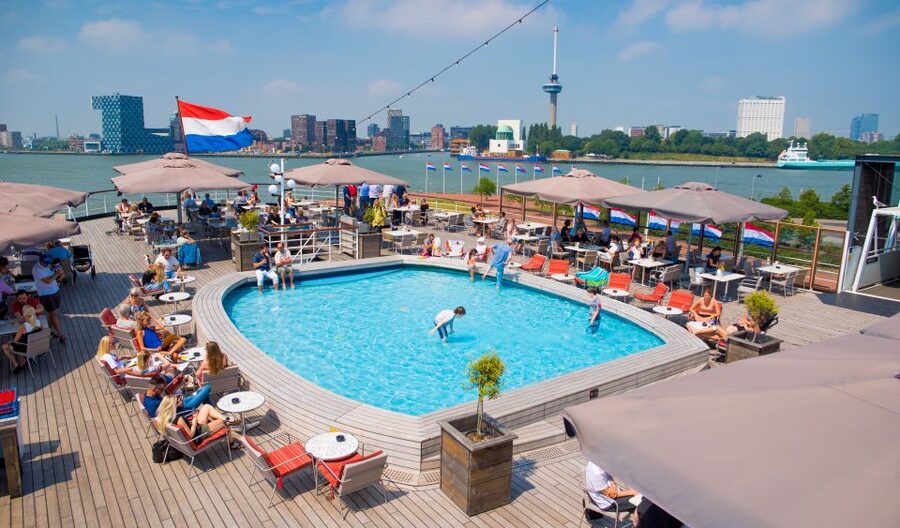
The upper deck is also the place to slow down. A drink or snack on the terrace gives you time to absorb the scale of the liner without listening to the next audio stop. The ship has a restaurant and Lido area, so you can make this more than a quick museum visit.
The bridge rises above the rest of the vessel and gives the tour an important change of mood. Instead of viewing the ship as a passenger, you begin to think like the people who had to steer, monitor, and manage it. The chart room and radio room help show how much work sat behind the calm experience offered to passengers.
The original captain’s cabin is another strong stop. It provides a more personal link to the ship’s command structure than a general corridor or dining room can. You can picture the hierarchy aboard the liner through the spaces assigned to its senior officers.
Inside the liner’s 1950s public rooms
The passenger interiors are one of the main reasons to visit. The rooms have a mid-century style that reflects the confidence of the period, when ocean liners were designed to make long crossings feel elegant rather than merely practical.
You will see the contrast between public rooms made for comfort and the narrower, more functional areas needed to keep the vessel running. That contrast is part of the fun. The ss Rotterdam was built to impress, but it was also a workplace with strict routines, crew spaces, machinery, and technical systems behind the decorative surfaces.
The ship is now used as a hotel and conference centre, so not every area feels frozen in 1959. That is both a benefit and a limitation. Modern use helps keep the vessel active and maintained, yet it means some spaces are adapted rather than untouched. The appeal comes from seeing original areas alongside the ship’s present-day role.
The audio guide gives structure to the visit, especially if you prefer to explore alone. It is available in Dutch, English, French, and German. Still, do not rely on it without checking the physical route. Some checkpoints have been hard to locate, and audio information has not always worked consistently. Staff members around the ship can help, and some have direct experience of the liner.
The human stories are better than the machinery alone
The recorded commentary is useful, but live guides can add something an audio track cannot. Mimi, described as a sprightly former crew member who sailed aboard during the first ten years of the ship’s working life, has helped make the vessel feel personal and lived-in.
That kind of encounter changes the visit. A cabin is no longer just a preserved room. A corridor becomes part of someone’s workplace. A dining room or deck can be understood through the routines of the people who served passengers there.
Other guides and volunteers are available around the ship, and their help is particularly useful when you are unsure where to go next. If you see a guide stationed near a major area, take the chance to ask a question. The ship rewards curiosity, and the best details may come from a short conversation rather than the audio device.
The one-hour engine room tour can offer the same benefit from a technical angle. Guides with engineering or crew experience can explain what the equipment did and how the systems fitted together. If you have children or grandchildren who like machines, this may be the part they remember longest.
How long to allow, and how to pace the visit
The stated audio tour length is about two hours. That is a sensible minimum if you want to see the key areas without rushing.
I would allow three hours if you plan to:
- Take the engine room tour
- Stop for lunch, coffee, or cake
- Spend time on the bow or terrace
- Read displays and take photographs
- Explore at a relaxed pace
The engine room add-on can add about one hour. One complete visit took roughly three hours, with two hours spent on the self-guided upper areas and one hour in the engine room.
You do not need to hurry through the ship. The atmosphere works best when you pause between audio stops. Listen to the story of one area, look closely at the furnishings or machinery, then continue. A rushed visit can leave you with a list of rooms but little sense of how they connected.
Is $16 good value?
At $16 per person, this is a fair price for a two-hour visit to a full-size historic liner, particularly if you have a real interest in ships, design, migration, or Rotterdam’s maritime past.
The value improves because the ticket is valid for one day, giving you flexibility around the timing of your visit. The included audio guide also means you can explore without paying for a private guide.
The price feels less strong if you only want a quick look at the deck and one or two public rooms. The ship is large, and the best value comes from taking time with the route. Add lunch, coffee, or the engine room tour, and you are making a half-day outing rather than buying a brief attraction ticket.
I would choose the ticket confidently for anyone fascinated by ocean liners. If you are only mildly interested, select the option that matches your main curiosity instead of paying for areas you may not use.
Who should book this experience?
I would recommend the ss Rotterdam to:
- People interested in maritime history and ship design
- Families with children who like machinery and exploration
- Anyone curious about how ocean travel worked before modern cruise ships
- Fans of 1950s interiors and mid-century decoration
- Visitors looking for a rainy-day activity in Rotterdam
- Anyone who enjoys a self-guided visit with optional live explanations
It is particularly good for couples or family groups with different interests. One person can focus on passenger rooms, another on the bridge, and another on engines and ship systems.
It may be less suitable if you want a short, perfectly signposted museum visit. The route can be confusing at first, and you need to be comfortable finding your way through a large vessel.
The booking information gives conflicting accessibility notes: it describes the activity as wheelchair accessible, but also lists it as not suitable for wheelchair users. Contact the operator directly before booking if step-free access matters to you.
Practical tips for a smoother visit
Collect your ticket and audio device at the gift shop before exploring. This is the most useful arrival tip.
Wear comfortable shoes. The visit involves moving through several parts of a large ship, and the route can take about two hours even before meals or extra tours.
Choose your option based on your interests. Pick the Complete Tour for the broadest look, the Seabreeze Deluxe Tour for passenger spaces and atmosphere, or Steam and Chrome for technical areas.
Keep your own pace, but listen for staff around the ship. If the audio device fails at a checkpoint or the next stop is unclear, ask for help rather than wandering at random.
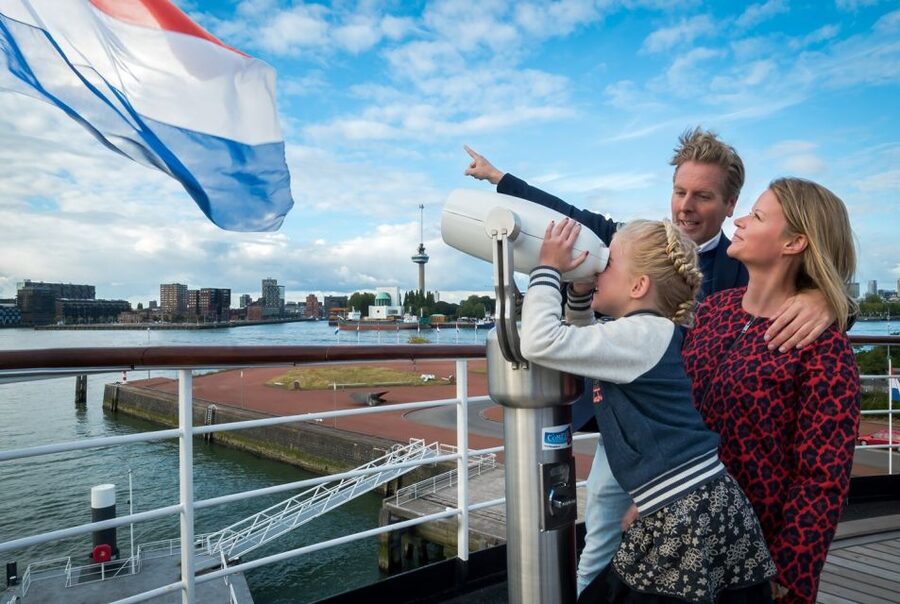
Save time for the bow and terrace. The ship is not only an interior attraction, and the open deck gives you a better sense of its size.
FAQ
Where is the ss Rotterdam located?
The ship is moored at 3e Katendrechtse Hoofd 25, 3072 AM Rotterdam, Netherlands, in the Maashaven area of Katendrecht.
How long does the audio tour take?
The audio tour takes approximately two hours. Allow about three hours if you add the one-hour engine room tour, eat aboard, or explore slowly.
Which languages are available?
The audio guide is available in Dutch, English, French, and German. Hosts or greeters are also listed for those four languages.
What parts of the ship can I visit?
Access depends on the option selected. Areas described include the upper deck, passenger interiors, bridge, chart room, radio room, original captain’s cabin, and technical or machinery areas.
Are there different tour options?
Yes. You can choose the Rotterdam Complete Tour, Seabreeze Deluxe Tour, or Steam and Chrome Tour. Each option gives access to different parts of the ship.
Can I eat or have a drink aboard?
Yes. You can stop for a drink or bite on the ship’s terrace, and the Lido is available for lunch. Coffee and cake are also options during a visit.
Is the engine room included?
The supplied information describes the engine room as part of the Steam and Chrome focus and also refers to a separate one-hour engine room tour that may cost extra. Check the selected option and current booking details before paying.
Is the ship wheelchair accessible?
The activity information gives conflicting guidance. It lists the experience as wheelchair accessible but also says it is not suitable for wheelchair users. Contact the operator before booking to confirm whether the route fits your needs.
Should you book the ss Rotterdam?
Book it if you want more than a quick photo of a ship. The ss Rotterdam rewards time, curiosity, and a willingness to explore both polished passenger rooms and working ship spaces.
For most people, I would choose the Rotterdam Complete Tour and allow two to three hours. Add the engine room tour if machinery interests you, and plan a drink, coffee, or lunch on board. Start at the gift shop, ask staff to point out the route, and you will get far more from this $16 visit than by simply wandering aboard.
Just added around the Netherlands
- Self Guided Asian Food Tour Haarlem★ 5.0 · 3 reviews
- Haarlem Battle Quest: Self-Guided City Defense Adventure★ 4.5 · 13 reviews
- Discover Haarlem with a self-guided Outside Escape city game tour★ 4.5 · 12 reviews
- Haarlem Self-Guided Taste, Culture & History Walk★ 5.0 · 7 reviews
- Haarlem’s Food-steps: A self-guided Food Tour★ 4.0 · 4 reviews
- Groningen Self Guided Sherlock Holmes Murder Mystery Game★ 3.5 · 3 reviews
- Self-Guided Walking Tour of Gouda: Canals, Colonies, and Cheese★ 5.0 · 3 reviews
- Discover Gouda with a self-guided Outside Escape city game tour!★ 5.0 · 13 reviews
Netherlands Audio Tours, compared.
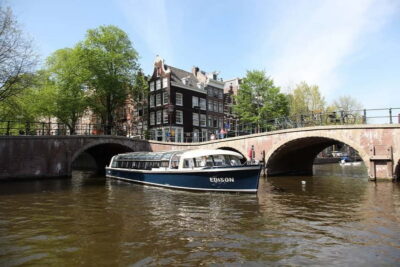
Amsterdam: 75 Minute City Canal Cruise with Audio Guide
Read our review →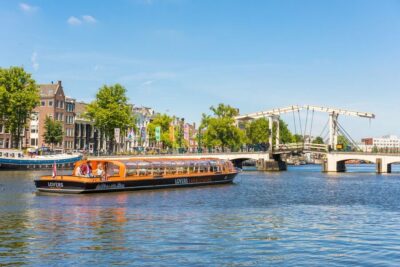
Amsterdam: City Centre Canal Cruise including Audioguide
Read our review →
Amsterdam: Royal Palace Entry Ticket + Audio guide
Read our review →
Amsterdam: Heated Canal Cruise Including Audioguide
Read our review →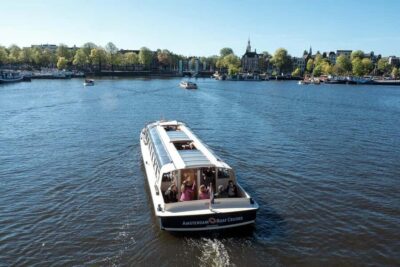
Amsterdam: Canal Cruise with Live Commentary & Audio Guide
Read our review →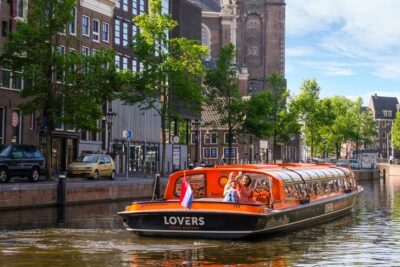
Amsterdam Sightseeing Canal Cruise with Audio Guide
Read our review →
Amsterdam City Centre Cruise on heated boat with Audioguide
Read our review →
Amsterdam Van Gogh Museum with Audio or Guided Tour
Read our review →Browse the lists this tour appears in