
REVIEW · ROME AUDIO TOURS
Rome:Ostia Antica Skip-the-line Ticket & Audioguide
Ostia Antica gives you something Rome itself often cannot: a chance to walk through an entire Roman town rather than view one famous monument. You can move from the ancient port’s forum and theater to homes, baths, temples, and marketplaces, with mosaics still underfoot and the Mediterranean setting beyond the ruins. I like the open space and the chance to see ordinary Roman life, not just imperial monuments. I also like that the audio app includes an interactive map, which helps you find the next stop without wandering in circles.
The main catch is time and price. Two hours is enough for a brisk introduction, but not enough for the full site. You may need three to four hours if you want to see the museum and explore at an easy pace. At $31 per person, this option can also be poor value on a quiet day, since the official ticket price is €18 and the park’s own signs are useful.
Key points to know before you go
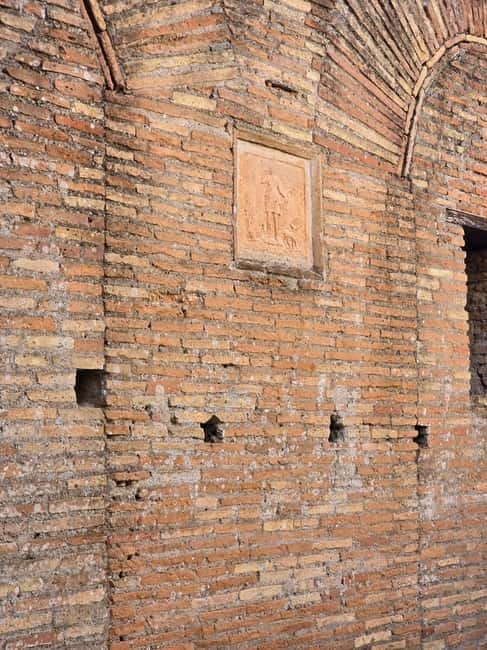
- The ancient port is a full Roman town: Expect streets, houses, public baths, temples, shops, a forum, and a theater rather than one isolated ruin.
- The two-hour schedule is tight: Plan three to four hours if you want to cover the wider archaeological park and the newer museum.
- The audioguide works through your phone: Download the app before arrival, charge your smartphone, bring headphones, and make sure you have internet access.
- Skip-the-line value depends on the day: The separate entrance may help at busy times, but there may be little or no queue during quieter periods.
- Bring your own water and snacks: On-site food options can be limited, and the café may not be open every day.
- The ground requires a lot of walking: Comfortable shoes, a hat, and sunscreen matter, especially in sunny weather.
Why Ostia Antica feels different from Rome’s headline ruins
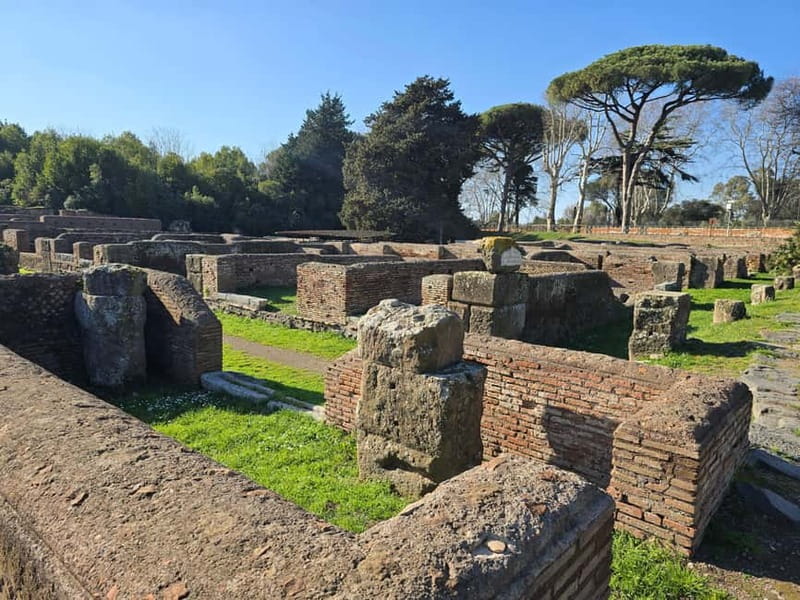
Ostia Antica was Rome’s ancient port, and the site makes that role easy to picture. Instead of looking at one grand structure, you follow streets through the remains of a working city linked to maritime trade, commerce, and the growth of the Roman Empire.
I like that the ruins show daily life at several levels. You can see public buildings made for crowds, private homes designed around courtyards, practical shops, religious spaces, and baths where people met and spent time. The place gives you a useful sense of how Roman society functioned beyond emperors and armies.
The site is also away from central Rome’s tight crowds. You get more room to pause at a mosaic or study a building plan. That open setting is a real part of the experience, though it also means more sun, more walking, and fewer places to buy supplies.
More Skip-the-Line Audio Guide Tickets in Italy
- Rome: St. Peter’s Basilica & Dome Entry Ticket & Audio Tour
★ 4.2 · 7,537 reviews - Rome: Castel Sant’Angelo Entry Ticket & Digital Audioguide
★ 4.7 · 5,347 reviews - Rome: Pantheon Priority Entry Ticket & Interactive App
★ 4.1 · 5,114 reviews
Entering with the ticket and audio app
This is a self-guided visit. No live guide meets you at the entrance, and no one escorts you through the park. Your ticket is sent to the email address used during booking, and it may also arrive through WhatsApp within 24 hours of the visit.
Go directly to the attraction entrance with your ticket and valid passport or ID. You do not need to stop at the regular ticket office. Arrive early, since late arrivals and no-shows are not accommodated or refunded.
The audioguide is available in English, Italian, French, Spanish, and German. You use your own smartphone, so pack headphones and charge your phone before leaving. Downloading the app in advance is wise. One useful feature is the interactive map, which shows your position and points you toward the next audio station.
I like this setup for independent sightseeing. You can listen when you want, skip sections, and set your own pace. The weakness is that the audio coverage may not explain every part of the site. If you expect a detailed explanation for each building, you may find the app thin in places. The park’s own signs help fill some of those gaps.
The Roman Forum and central public life
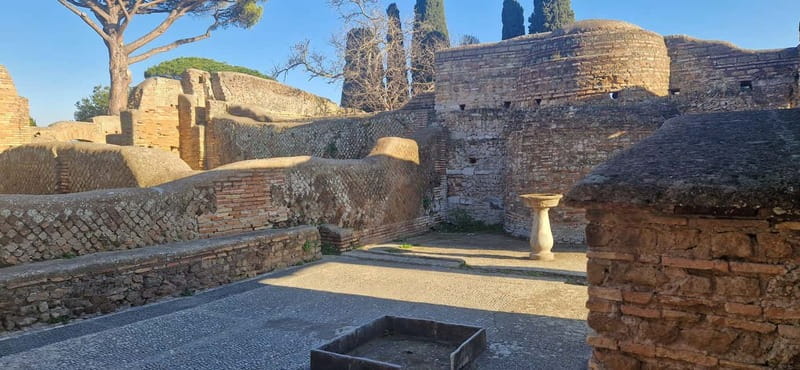
Start near the Roman Forum, where the city’s public life came together. This is one of the best places to get your bearings because it shows the scale of Ostia Antica as a planned urban center.
From here, you can begin to connect the different parts of the town. Temples speak to religious practice, public buildings point to civic administration, and nearby streets lead toward commercial and residential areas. The audio guide can give you the basic story, but I recommend taking time to read the site signs too.
The forum is not just a photo stop. Look at the paving, building fragments, and the relationship between the public spaces and the streets around them. You begin to see how Roman urban design directed people toward business, worship, government, and entertainment.
The theater and Ostia’s public entertainment
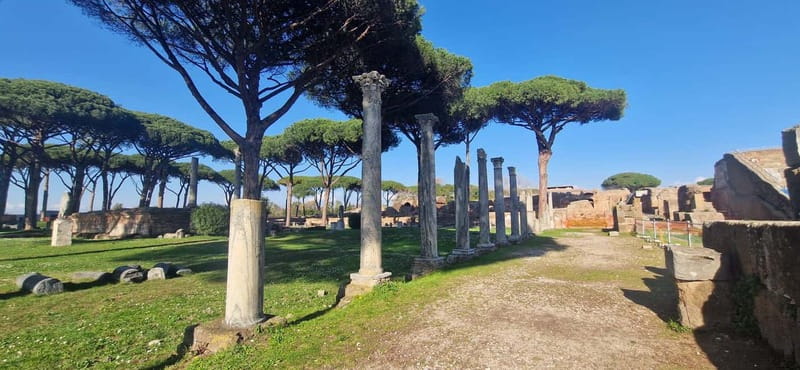
The ancient theater is one of the clearest highlights. Its shape remains easy to recognize, and it gives you a strong sense of how public performances fit into Roman life.
The theater is also a good place to slow down. From the seating and stage area, you can imagine the difference between a grand public venue and the smaller rooms of a private home. The building helps explain how entertainment served the whole community, not just the wealthy.
You should expect the visit to be observational rather than theatrical. There is no live performance or guide-led presentation included. The value comes from standing in the structure and using the audio commentary to place it within the wider city.
More Skip-the-Line Audio Guide Tickets in Rome
- Rome: Castel Sant’Angelo Entry Ticket & Audio App
★ 4.3 · 4,952 reviews - Rome: Borghese Gallery Skip-the-Line Ticket & Audioguide
★ 4.3 · 4,318 reviews - Rome: Pantheon Priority Entry Tickets with Interactive App
★ 4.6 · 4,108 reviews - Rome: Castel Sant’Angelo Entry Ticket with Audio guide
★ 4.4 · 3,646 reviews
Homes, domus, and mosaics underfoot
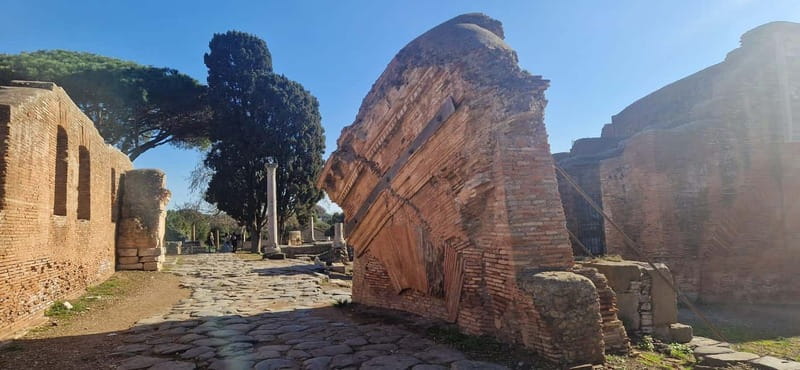
The private houses are among the most rewarding parts of Ostia Antica. They help you picture how people lived, received visitors, and decorated their surroundings.
The domus areas include well-preserved mosaics and architectural details. I find these smaller spaces more revealing than a monumental ruin because they bring the city down to human scale. A mosaic pattern can tell you about taste and status, while the layout of rooms shows how Roman homes were organized.
Do not rush past the residential sections just because the forum and theater are better known. You may find that the homes hold some of the most memorable details. The audio guide may identify major stops, but the printed signs and your own careful looking remain important here.
Baths, temples, and the working city
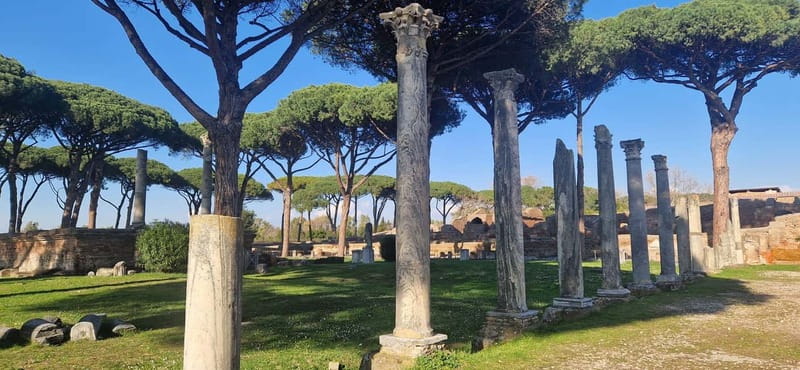
Ostia Antica also includes public baths and temples. Together, these buildings show how practical needs and religious customs shaped the town.
The baths were more than places to wash. They were public gathering points tied to the routines of urban life. The temples remind you that religious practice was woven into the city rather than separated from work and home.
Marketplaces and commercial areas add another useful layer. Ostia’s importance came from trade, and the remains help you connect the port to Rome’s economic power. You can see the city not simply as an archaeological display, but as a place where goods moved, businesses operated, and people met.
The ruins do not always explain themselves at a glance. This is where the audio guide earns its keep, even if it does not cover every corner. I suggest listening to the main tracks first, then reading signs and exploring the nearby structures at your own pace.
How much time you really need
The advertised duration is two hours. That works if you want a focused visit through the main highlights and keep moving.
I would plan three to four hours if you want the experience to feel relaxed. The site is large, and there is a lot of walking between the forum, theater, homes, baths, marketplaces, and other buildings. One visitor found three hours too short, while another said four hours was useful for seeing the wider area and the new museum.
This difference matters when you plan your day. If you have only two hours, choose the major areas before entering and do not try to see every path. If you have half a day, you can pause for mosaics, follow the audio stations, and spend time in the museum.
The outdoor setting can also slow you down. In hot weather, walking from one ruin to another takes energy, and shade may not always be available. Bring water and snacks because on-site options can be limited. The café has not always been open during the week.
Is skip-the-line entry worth $31?
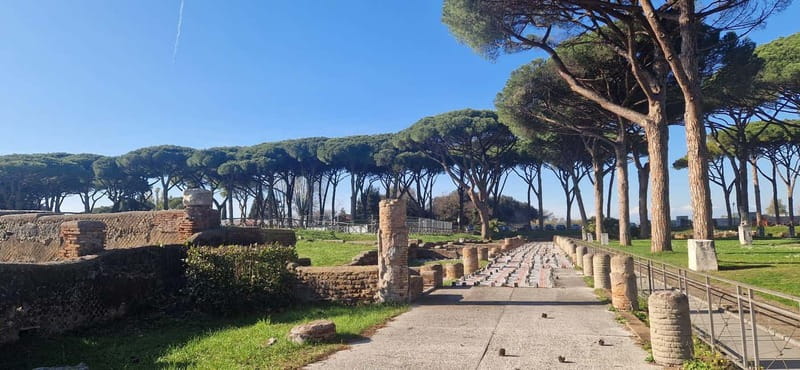
The activity costs $31 per person, while the official ticket price is listed as €18. Visitors under 18 enter free at the official rate. That means the extra cost is paying for the booking service, the skip-the-line arrangement, and the downloadable audioguide.
That can be fair when the entrance is busy and you value having your ticket arranged in advance. It also gives you a simple independent visit without committing to a live tour.
But skip-the-line entry is not automatically a bargain. On a Saturday afternoon during a busy travel period, there may be no visible queue at all. In that situation, you could enter immediately with a less expensive official ticket, and the park’s own signs may provide enough information for a basic visit.
My advice is to compare the official ticket price and expected crowd level before booking. The $31 option makes more sense if convenience matters, you want the app, or you are visiting when queues are likely. It makes less sense if you are comfortable buying directly and exploring with the site signs.
Walking conditions and practical comfort
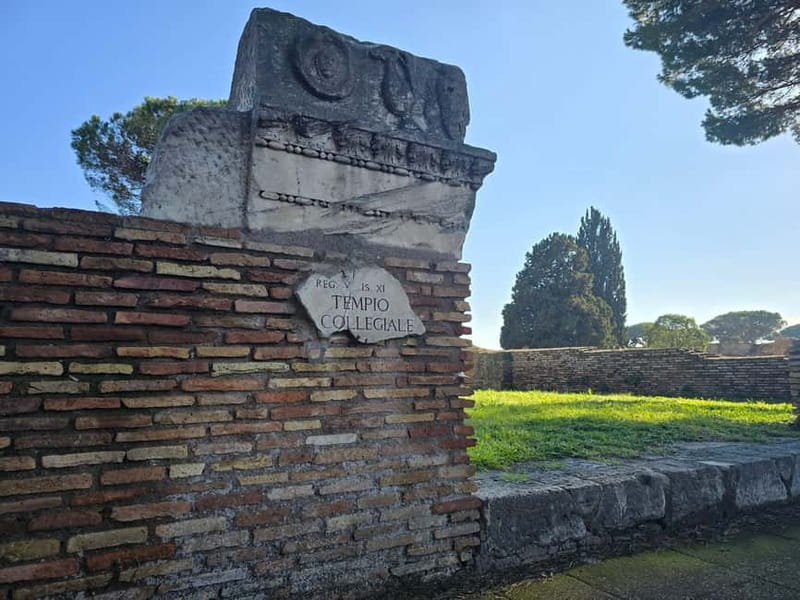
You should wear comfortable shoes. The archaeological park involves substantial walking, and uneven ground can make a long visit tiring.
Bring weather-appropriate clothing, a hat, sunscreen, and water on sunny days. Ostia Antica is an outdoor archaeological site, so weather can affect access or lead to closures. Check the forecast and confirm the site is open before setting out.
Large bags, luggage, bicycles, drones, pets, weapons, smoking, alcohol, drugs, and littering are not allowed. Unaccompanied minors are not permitted. You also need your passport or valid ID for verification.
The experience is not suitable for wheelchair users or people with mobility impairments. That is important to consider before paying, since the site’s size and walking conditions are central to the visit.
Who will enjoy this visit most?
I would choose this experience if you like archaeology, Roman history, independent sightseeing, and places where you can explore at your own speed. It works especially well for visitors who have already seen Rome’s central monuments and want a fuller picture of Roman society.
Families with older children may also enjoy it, provided everyone can manage the walking. The theater, mosaics, streets, and homes give young visitors more to look at than a single enclosed museum room, though the audio material may require patience.
I would be more cautious if you want a personal guide, a carefully paced story, or full explanations at every stop. This is not a guided tour. It is a ticket with digital commentary, and the quality of your visit depends partly on how well you prepare your phone and plan your route.
Should you book the Ostia Antica ticket?
Book it if you want a convenient independent visit, prefer an audio guide to a live group, and are willing to pay extra for skip-the-line access. The interactive map, language choices, and direct entry can make the day simple.
Think twice if the $31 price feels high compared with the €18 official ticket, especially if you are visiting at a quiet time. The site itself is excellent, but the ticket package is not always the best value.
For the strongest experience, reserve enough time, download the app before you arrive, bring headphones and water, and treat the two-hour duration as a minimum route rather than a full exploration. If you can give Ostia Antica three or four hours, its streets, homes, public buildings, and port connections make a much stronger impression.
FAQ
How long does the Ostia Antica visit last?
The listed duration is two hours. You may need three to four hours to see the wider site at a comfortable pace and visit the newer museum.
Is a live guide included?
No. The ticket includes a downloadable audioguide, but there is no live guide or guided tour.
Which languages are available for the audioguide?
The audioguide is available in English, Italian, French, Spanish, and German.
Do I need to bring headphones?
Yes. You use your own smartphone for the audioguide, and headphones are recommended.
Where do I go when I arrive?
Go directly to the attraction entrance shown as the meeting point. Present the ticket sent by email or WhatsApp and your valid ID or passport. You do not need to visit the ticket office.
What should I bring?
Bring your passport or ID, comfortable shoes, headphones, a charged smartphone, internet access, weather-appropriate clothing, water, and snacks. A hat and sunscreen are useful on sunny days.
Is the official ticket cheaper?
The official ticket price is listed as €18, with free entry for people under 18. The activity costs $31 per person and includes the booking service, skip-the-line entry, and downloadable audioguide.
Is Ostia Antica suitable for wheelchair users?
No. This experience is listed as unsuitable for wheelchair users and people with mobility impairments.
Just added around Rome
- Rome: St. Peter’s Basilica and Dome Entry + Audio Guide★ 4.5 · 13 reviews
- St. Peter’s Basilica: Hosted Entrance & Digital Audioguide★ 4.1 · 35 reviews
- Sorrento & Pompeii Day Trip from Rome Audio Guide Tour★ 4.2 · 50 reviews
- Rome+Jubilee Audioguide – TravelMate app for your smartphone★ 4.2 · 38 reviews
- Rome:St. Peter’s Basilica Hosted Entry + Official Audioguide★ 3.4 · 10 reviews
- Colosseum, Roman Forum, Palatine Hill access and AudioGuide★ 4.7 · 12 reviews
- Rome: St. Peter’s Basilica Entry Ticket and AudioGuide★ 4.4 · 57 reviews
- Rome: Roman House of the Celio Hill Ticket & App Audioguide★ 4.1 · 17 reviews
Rome Audio Tours, compared.

Rome: Colosseum & Forum with Audio Guide App -Optional Arena
Read our review →
Rome: City Sightseeing Hop-on Hop-off Bus with Audioguide
Read our review →
Rome: St. Peter’s Basilica & Dome Entry Ticket & Audio Tour
Read our review →
Colosseum, Roman Forum & Palatine Hill with Audioguide App
Read our review →
Vatican & Sistine Chapel Ticket with Optional Audio Guide
Read our review →
Rome: Castel Sant’Angelo Entry Ticket & Digital Audioguide
Read our review →
Rome: Pantheon Priority Entry Ticket & Interactive App
Read our review →
Rome: Castel Sant’Angelo Entry Ticket & Audio App
Read our review →Browse the lists this tour appears in