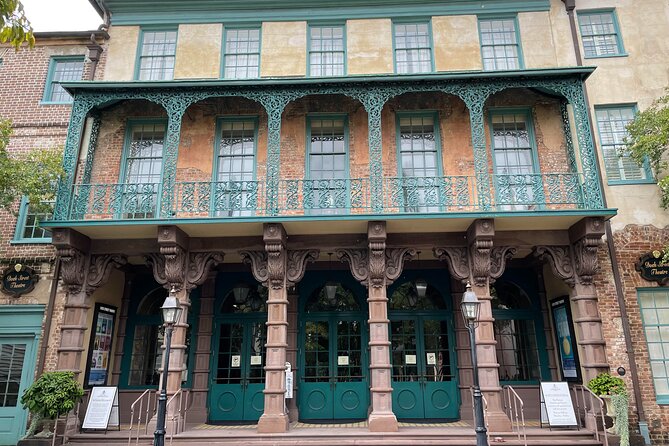
REVIEW · USA AUDIO TOURS
300 Years of War and Peacetime in Charleston: A Self-Guided Audio Tour
Charleston’s past comes into focus one street at a time on this self-guided audio walk, which links the Revolutionary War, the Civil War, slavery, trade, architecture, and local customs. You start at City Market and finish near the Powder Magazine, passing some of the city’s best-known sights along the way.
I like the freedom to pause at Rainbow Row, take a photo at The Battery, or stop for a meal without waiting for a group. I also like the practical offline access, which lets you follow the route without relying on a live signal. The main drawback is that this is an audio tour, not a personal guide, so anyone wanting conversation, questions, or detailed help inside the sights will need another option.
Key points to know before you book
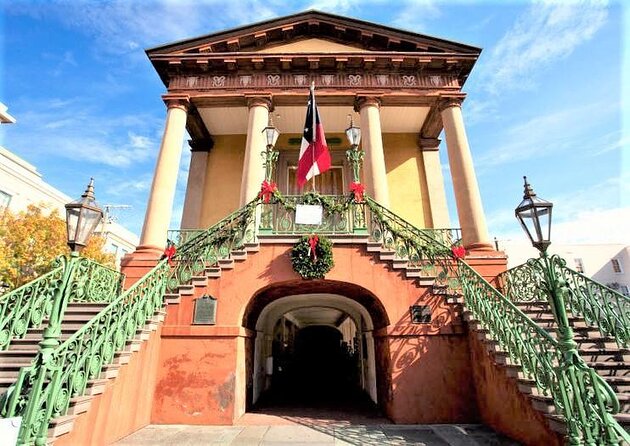
- City Market to the Powder Magazine: The route begins at the Museum at Market Hall and ends outside one of Charleston’s oldest historic buildings.
- A broad sweep of Charleston history: Expect information about the Revolutionary War, Civil War connections, slavery, trade, churches, theater, and local architecture.
- Important sights are viewed from outside: The tour passes the Old Slave Mart Museum, Old Exchange and Provost Dungeon, Dock Street Theatre, and other landmarks, but admission is not included.
- Pineapples have a local story: At Pineapple Fountain, the audio explains why the fruit became such a familiar Southern symbol.
- Private and self-paced: Only your group takes part, and you can stop, restart, or revisit the audio with lifetime access.
- Good value for independent walkers: At $14.99 per person, the tour costs less than many live walks, but you give up a human guide and on-the-spot questions.
Walking Charleston from City Market to the waterfront
This tour gives you a useful first look at central Charleston without asking you to follow a flag or keep pace with strangers. You walk with the VoiceMap app on your own phone, listening as the route moves from City Market through the historic center and down toward The Battery.
The stated duration is about 90 minutes to two hours. That range matters. If you walk steadily and listen while moving, you may finish near the shorter end. If you stop for photographs, pause the audio, browse around City Market, or enter a museum, plan on more time.
The route ends outside the Powder Magazine on Cumberland Street, close to the starting point. That makes the tour easy to fit into a day of sightseeing, since you do not need to arrange a ride back across town.
You receive lifetime access in English, plus offline audio, maps, and geodata. Downloading the material before you start is a sensible move, especially if you want to avoid using mobile data while walking.
More Audio Tours in the USA:
- Fort Sumter Admission and Self-Guided Tour with Roundtrip Ferry
★ 4.5 · 3,343 reviews - San Francisco: Alcatraz Ticket, Ferry, & Self-Guided App
★ 4.5 · 2,460 reviews - Los Angeles: Hop-On Hop-Off Bus Tour with Audio Guide
★ 3.7 · 2,030 reviews
Starting at City Market and learning how Charleston works
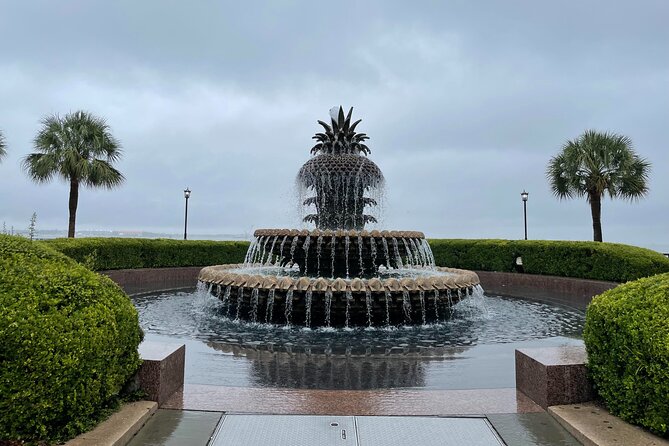
The first stop is outside the Museum at Market Hall, at 188 Meeting Street. The audio introduces Charleston’s history, explains the importance of the market, and gives basic instructions for using the VoiceMap app.
This is a smart starting point because City Market is one of the easiest places in central Charleston to find. It also gives you immediate context for the city’s commercial life. You are not simply walking past old buildings. You are beginning with the place where public trade and daily activity helped shape the city.
Since this is a private activity, only your group participates. That sounds simple, but it changes the feel of the walk. You can pause without worrying about holding up twenty people, and you can replay a section if a street name or date goes by too quickly.
The tradeoff is that your phone becomes the guide. Check your battery before starting, and bring headphones that allow you to hear street sounds as well as the narration.
The Custom House and the city’s commercial face
The route passes Charleston’s United States Custom House. You hear about it while walking rather than receiving a formal visit inside.
Custom houses matter in port cities because they connect architecture to commerce, taxation, and government. Here, the stop helps explain Charleston as a working port rather than only a collection of pretty facades.
This is also where the audio format can work well. You can look at the building while the narration gives you a reason to notice it. A live guide might gather the group on the sidewalk, but with the app you can take your time and inspect the details that interest you.
Keep your expectations clear, though. The tour does not include entrance fees to the Custom House or any other attraction along the route.
High Cotton and a film connection

You pass High Cotton Charleston Restaurant, where the audio connects the building with the film The Notebook. It is a lighter moment in a route that also deals with war, slavery, and political change.
This kind of detail helps break up a long run of dates and names. It also gives you a reason to look at a place you might otherwise dismiss as simply another restaurant.
The tour does not promise a film tour, so this is best treated as a short cultural aside rather than a major stop. You hear about the restaurant as you walk by, and the value comes from adding another layer to the street.
Same place, a different route to walk:
- City Sightseeing Hop-On Hop-Off Bus Tour with Audio Guide
★ 3.0 · 1,083 reviews - Medieval Torture Museum Ticket with Audio Guide and Ghost Hunting
★ 5.0 · 962 reviews - Gettysburg Battlefield Self-Guided Driving Audio Tour
★ 4.5 · 910 reviews - Ryman Auditorium Self-Guided Tour with Souvenir Photo Onstage
★ 4.5 · 903 reviews
Pineapple Fountain and a Southern symbol
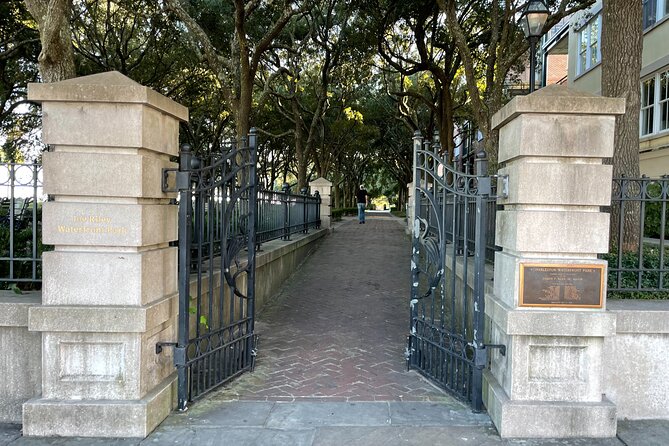
At Pineapple Fountain, the audio explains the fruit’s importance in the South. The fountain is one of the route’s clearest photo opportunities, and it gives the tour a chance to move from formal history into local symbolism.
The pineapple appears often in Southern design as a sign of welcome and hospitality. The stop is useful because it explains why you see the shape repeated in Charleston rather than leaving it as a decorative curiosity.
This is a good place to pause the recording. Take your photo, look around the waterfront, then restart when you are ready. The self-paced design makes that easy.
The fountain itself is not an included attraction with a ticketed entry. You pass by it as part of the walk, so you can enjoy the setting without adding another admission cost.
Facing Charleston’s connection to slavery
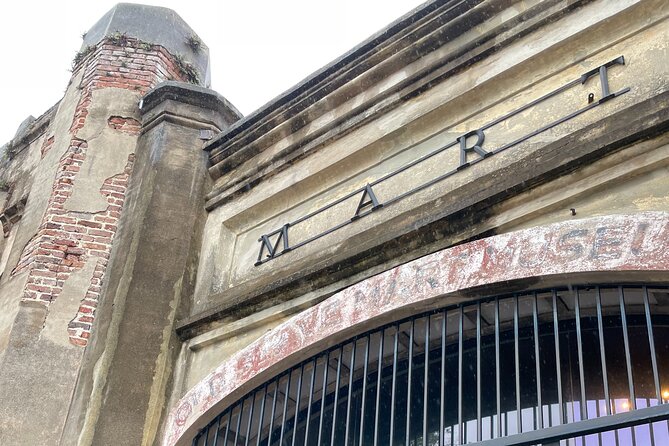
The route passes the Old Slave Mart Museum, one of the most important stops on the walk. The audio addresses Charleston’s connection to slavery as you continue through the historic district.
This section gives the tour moral and historical weight. Charleston’s old streets can be visually appealing, but the city’s past also includes the forced movement and sale of enslaved people. A useful audio tour should not let elegant buildings erase that reality, and this one includes the subject as part of its account of the city.
You should know that the tour passes the museum rather than including admission. If you want a longer visit focused on slavery and African American history, you will need to purchase a separate ticket and allow extra time.
The audio format is helpful here because you can listen privately. It also means you cannot ask follow-up questions, so readers seeking a fuller treatment should consider pairing this walk with a museum visit or a dedicated guided program.
The Old Exchange and Provost Dungeon
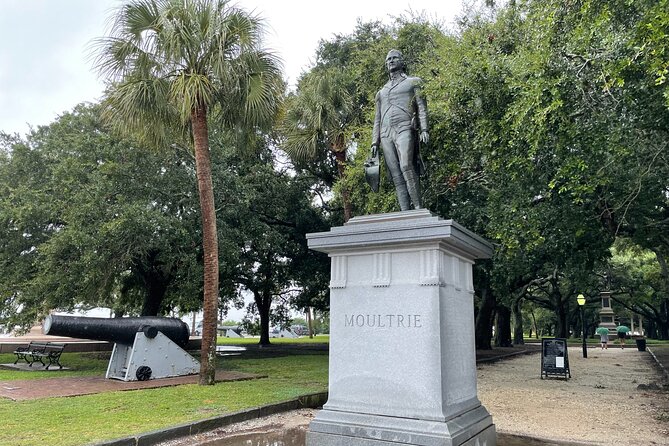
Next, you pass the Old Exchange and Provost Dungeon. The audio explains the building while you walk, adding another layer to Charleston’s political and military past.
The stop fits naturally with the tour’s central theme of war and peacetime. Charleston’s public buildings were not isolated monuments. They were tied to government, confinement, conflict, and the city’s changing role over time.
Again, you view the site from outside unless you choose to enter separately. Admission is not part of the $14.99 price, so budget for additional tickets if you want to see the interior.
For a first orientation walk, this arrangement keeps the route moving. For a history enthusiast, it may leave you wanting more time inside. That is the central compromise of the experience.
Rainbow Row and the power of a good street
Walking down Rainbow Row gives the tour one of its most recognizable visual stretches. The audio explains how the row got started while you move along the colorful buildings.
This is the kind of stop where the route’s pace matters. You will likely want to slow down for photographs, and the app lets you do that without missing the next scheduled departure. There is no scheduled departure, of course, which is one of the strongest reasons to choose a self-guided walk.
Rainbow Row also shows how Charleston’s appeal often comes from the relationship between a group of buildings and the street around them. You get more from the stop if you look beyond the paint colors and listen for the explanation of how the row developed.
The route does not promise access to private interiors. Treat this as an architectural walk along the street, not a house tour.
The Battery and a useful photo break
The tour passes The Battery and includes information about it. The area also provides a strong photo opportunity, making it a natural place to pause.
The Battery helps connect Charleston’s waterfront setting with its defensive and civic past. The route’s broader account of war becomes easier to picture here, where the city’s edge, public spaces, and historic buildings meet.
You may want to give yourself extra time at this stop. The official duration is only an estimate, and The Battery is exactly the kind of place that can turn a quick walk into a slower look around.
This is one of the more rewarding parts of the route for people who want both context and scenery. It is also a reminder that the tour works best when you treat the timing as flexible rather than racing to finish in 90 minutes.
Dubose Heyward and Charleston’s literary side
The walk passes the Dubose Heyward House and introduces Dubose Heyward’s connection to Charleston. This adds a literary thread to a route otherwise focused on public buildings, military events, and city commerce.
The stop may appeal most to readers who already know Heyward’s work or are interested in how Charleston has been represented through writing. Even if you do not arrive with that background, it gives the route a more personal angle.
You hear about the house while walking, and no interior visit is included. That keeps the stop short and easy to fit into the route, but anyone looking for a detailed literary tour should expect only an introduction.
Dock Street Theatre and St. Philip’s Church
The tour then passes Dock Street Theatre and explains both its history and the history of the building. Charleston’s theater tradition gives the route another change of pace, moving from military and commercial subjects into public entertainment and civic life.
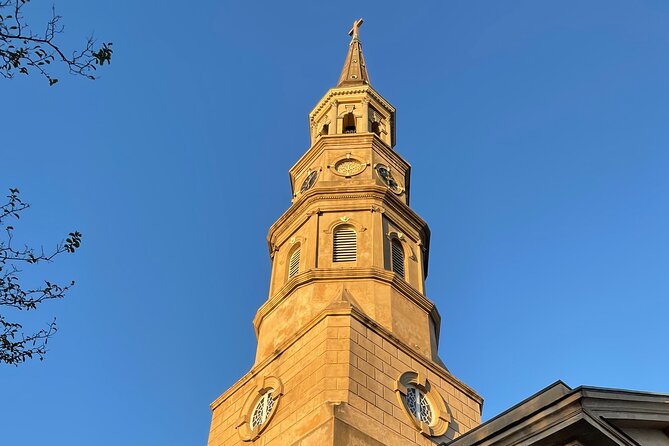
You also pass St. Philip’s Church, where the audio provides background on the church. Together, these stops show how much of Charleston’s story can be read through institutions that served different parts of public life.
The buildings are best understood from the street unless you buy separate admission where available. The tour gives you the context to decide which places deserve a return visit later.
For me, that is one of the practical benefits of this format. You get a broad introduction first, then you can spend money and time only on the places that catch your interest.
Ending at the Powder Magazine
The final stop is outside the Powder Magazine on Cumberland Street. The audio explains the historic building before the tour ends.
Finishing here gives the route a clear endpoint near the starting area. You are not left at an unrelated part of the city, and you can continue exploring on foot or return toward City Market.
The Powder Magazine is not included as an entrance ticket. If you want to go inside, plan on paying separately and checking its current opening information.
The ending also suits the tour’s title. After covering war, government, trade, religion, theater, slavery, and peacetime life, the route closes with a building tied directly to military supplies.
What $14.99 gets you
At $14.99 per person, this is a reasonable purchase for an independent visitor who wants structure without paying for a private human guide. You receive the audio tour, maps, geodata, English narration, and lifetime access.
The value improves if you use the tour more than once. You can stop for lunch, return to a section later, or replay the route on another visit. You are not paying for museum entry, food, transportation, or headphones, so those costs remain your responsibility.
Compared with a live walking tour, the price is modest. The missing element is personal interaction. You cannot ask the narrator to explain a confusing detail, change the route, or answer a question about a building that catches your eye.
The posted rating is 3.7 from three ratings, but one of those entries is clearly about handicap treatment at a golf facility in Manitoba and has nothing to do with this Charleston walk. That makes the score a poor measure of this particular experience. The relevant comments describe the tour as a good way to get acquainted with Charleston and note that the Civil War material and Battery photo opportunity were worthwhile.
Who should choose this Charleston audio walk?
I would choose this tour if you like history, prefer to move at your own speed, and want a broad introduction before deciding which museums deserve your time. It is especially useful on a first day in Charleston because the route connects major sights into one continuous walk.
It also suits couples, families with older children, and small private groups that dislike fixed schedules. You can pause the audio, take photographs, and adjust the pace without affecting anyone outside your party.
I would look elsewhere if you want a live guide, a deep focus on one subject, or included entry to historic buildings. The slavery section, for example, is important but brief enough that you may want a museum visit afterward.
Wear comfortable walking shoes, bring your own phone and headphones, and download the tour before leaving. The tour is offered in English only, and it does not include transportation, food, drinks, or attraction tickets.
Cancellation is free if you cancel at least 24 hours before the scheduled start time. Within 24 hours, the price is not refunded, and late changes are not accepted.
Should you book it?
Book this Charleston audio tour if you want an affordable, flexible way to connect City Market, the Custom House, Pineapple Fountain, the Old Slave Mart Museum, Rainbow Row, The Battery, and the Powder Magazine. Its best feature is control: you choose the pace and decide where to linger.
Skip it if you need a guide who can answer questions or provide detailed access inside the museums and historic buildings. For most independent history fans, though, $14.99 buys a useful city introduction, especially when you treat it as a starting point for deeper visits rather than the final word on Charleston.
FAQ
How long does the Charleston audio tour take?
The tour takes approximately 90 minutes to two hours. Your actual time may vary if you pause the audio, take photographs, or stop at attractions along the route.
Where does the tour begin?
It begins outside the Museum at Market Hall, at 188 Meeting Street in Charleston.
Where does the tour end?
The tour ends outside the Powder Magazine Museum at 79 Cumberland Street. The endpoint is close to the starting location.
Is this a guided group tour?
No. This is a self-guided audio tour using the VoiceMap app. Only your group participates.
What language is available?
The tour is offered in English.
What does the $14.99 price include?
The price includes lifetime access to the English tour, the VoiceMap app for Android and iOS, and offline access to the audio, maps, and geodata.
Are museum admission fees included?
No. Tickets or entrance fees for museums and other attractions along the route are not included.
Do I need my own phone and headphones?
Yes. A smartphone and headphones are not provided.
Does the tour include transportation, food, or drinks?
No. Transportation, food, and drinks are not included.
Can I cancel for a full refund?
Yes, if you cancel at least 24 hours before the scheduled start time. Cancellations within 24 hours are not refundable, and changes made during that period are not accepted.
Just added around the USA
- Smartphone-Guided Walking Tour of Downtown Indianapolis Sights & Stories★ 4.0 · 25 reviews
- Springfield Self-Guided Walking Audio Tour★ 4.0 · 5 reviews
- Smartphone Guided Indianapolis Downtown Sites Audio Walking Tour★ 4.5 · 7 reviews
- Self-Guided Audio Driving Tour in Kancamagus Highway★ 4.5 · 6 reviews
- An Epic Scavenger Hunt: Bloomington Scenic Southern Indiana★ 3.5 · 6 reviews
- Indiana Dunes National Park Self-Guided Audio Tour★ 3.5 · 4 reviews
- Huntsville Rocket City Smart Phone Self Guided Audio (GPS/APP) Walking Tour★ 4.5 · 5 reviews
- Sights of Downtown Houston Smartphone Audio Walking Tour★ 4.0 · 7 reviews
USA Audio Tours, compared.

Fort Sumter Admission and Self-Guided Tour with Roundtrip Ferry
Read our review →
San Francisco: Alcatraz Ticket, Ferry, & Self-Guided App
Read our review →
Los Angeles: Hop-On Hop-Off Bus Tour with Audio Guide
Read our review →
City Sightseeing Hop-On Hop-Off Bus Tour with Audio Guide
Read our review →
Medieval Torture Museum Ticket with Audio Guide and Ghost Hunting
Read our review →

Ryman Auditorium Self-Guided Tour with Souvenir Photo Onstage
Read our review →